
Healthy aging has become a real wellness priority, not just a beauty industry talking point. More people are paying attention to how sleep, stress, nutrition, and daily skincare habits shape the way their skin looks and feels over time.
That shift has brought a surge of interest in non-invasive, at-home technologies that fit into a real routine without clinic visits or complicated protocols.
As more consumers explore their options, many are researching LED face masks to see how they stack up against traditional skincare. Light-based skincare is one piece of that puzzle, and this guide breaks down where it fits.
What Healthy Aging Really Means for Your Skin
Aging is natural. But understanding what’s happening beneath the surface helps you make smarter choices.
Collagen production begins declining gradually in your mid-twenties. By the time visible changes appear, the process has been going on for years. Environmental stressors like UV exposure and pollution speed things up. The signs most people notice:
- Fine lines around the eyes and mouth
- Loss of firmness and skin structure
- Uneven skin tone and dullness
- Dryness and reduced hydration
None of this happens overnight, which is why prevention and consistency matter far more than reactive treatments. Sustainable habits outperform quick fixes every time.
The Foundation of a Healthy Aging Routine
Before any technology enters the picture, the basics do the heaviest lifting.
Daily SPF is non-negotiable. UV exposure is the single biggest driver of premature skin aging, and no device offsets years of unprotected sun. Beyond that, consistent cleansing and moisturizing keep the skin barrier working properly. Nutrition and hydration support cellular repair from the inside. Sleep is when most of the skin’s overnight recovery happens. Stress management matters too since chronic stress breaks down collagen and compromises barrier integrity over time.
The key point here: technology works best on top of solid lifestyle habits, not instead of them.
Why Light-Based Skincare Has Become Popular
Light therapy uses specific wavelengths of light to interact with skin cells at a biological level. Red light, typically 630 to 660 nanometers, targets surface skin layers and is most linked to collagen support and tone improvements. Near-infrared light, sitting between 810 and 850 nanometers, penetrates deeper and supports broader skin rejuvenation.
What draws most people to it is straightforward: no needles, no downtime, no recovery period. Sessions happen at home, on your own schedule.
Dr. Zakia Rahman, clinical professor of dermatology at Stanford University, noted in a February 2025 Stanford Medicine feature that since photobiomodulation became an official Medical Subject Heading term in 2015, published research validating its science has grown significantly. The credibility has caught up with the consumer interest.
Understanding the Different Types of Light Therapy Devices
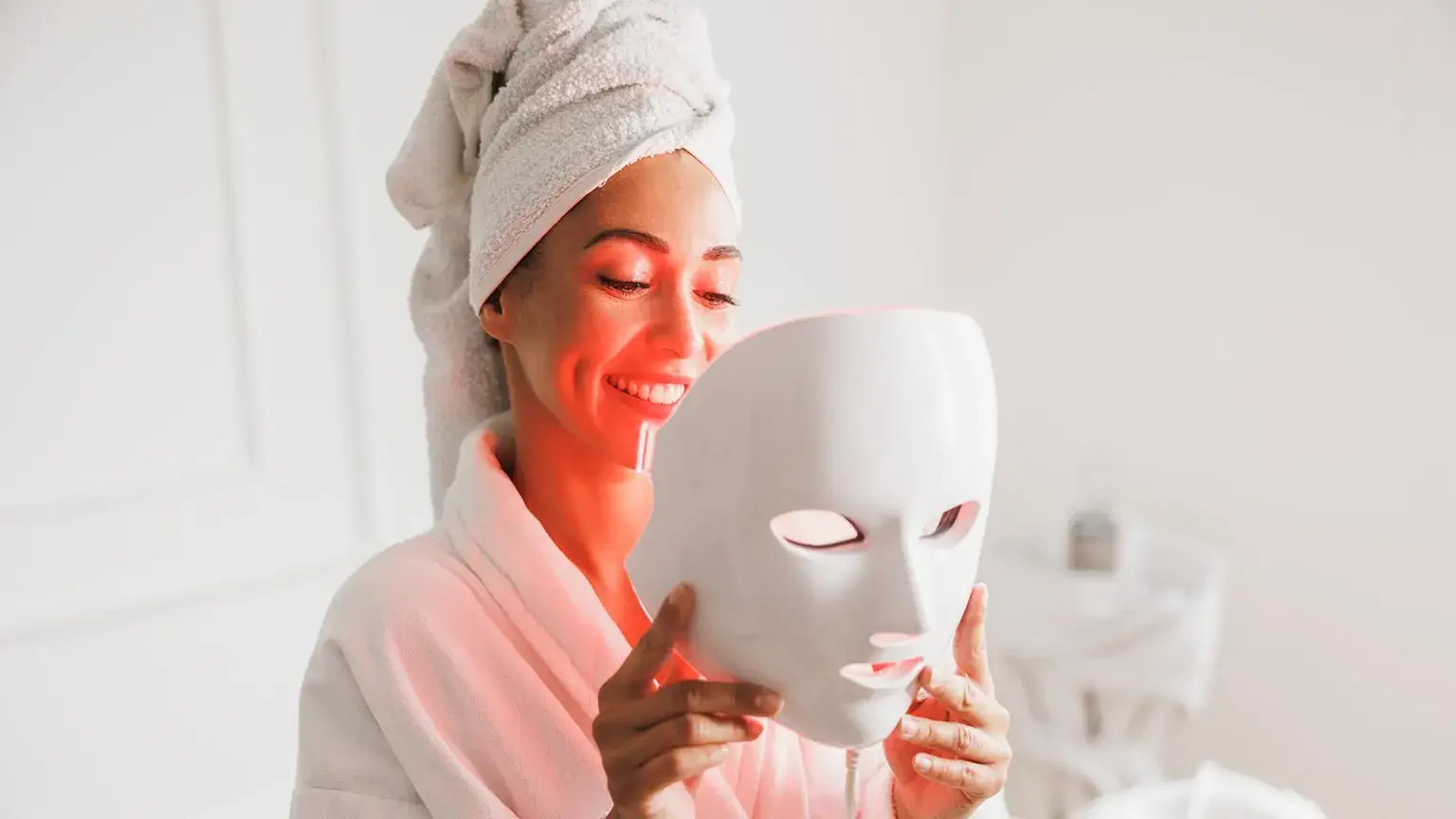
Not all devices work the same way, and the format shapes how you use it and what areas you can treat.
LED masks cover the full face at once and are among the most popular options for skincare-focused users. Hands-free, consistent coverage, no repositioning needed.
Panels are larger and better suited for users who want to treat the face and neck together or explore light therapy beyond just facial skin.
Wands are handheld and precise. Useful for targeting specific concerns like crow’s feet or discoloration, though treating the full face takes longer.
Full-face coverage is more efficient if overall skin health is the goal. Targeted devices work better when you’re zeroing in on one or two specific concerns.
How Red Light Therapy Supports a Healthy Aging Routine
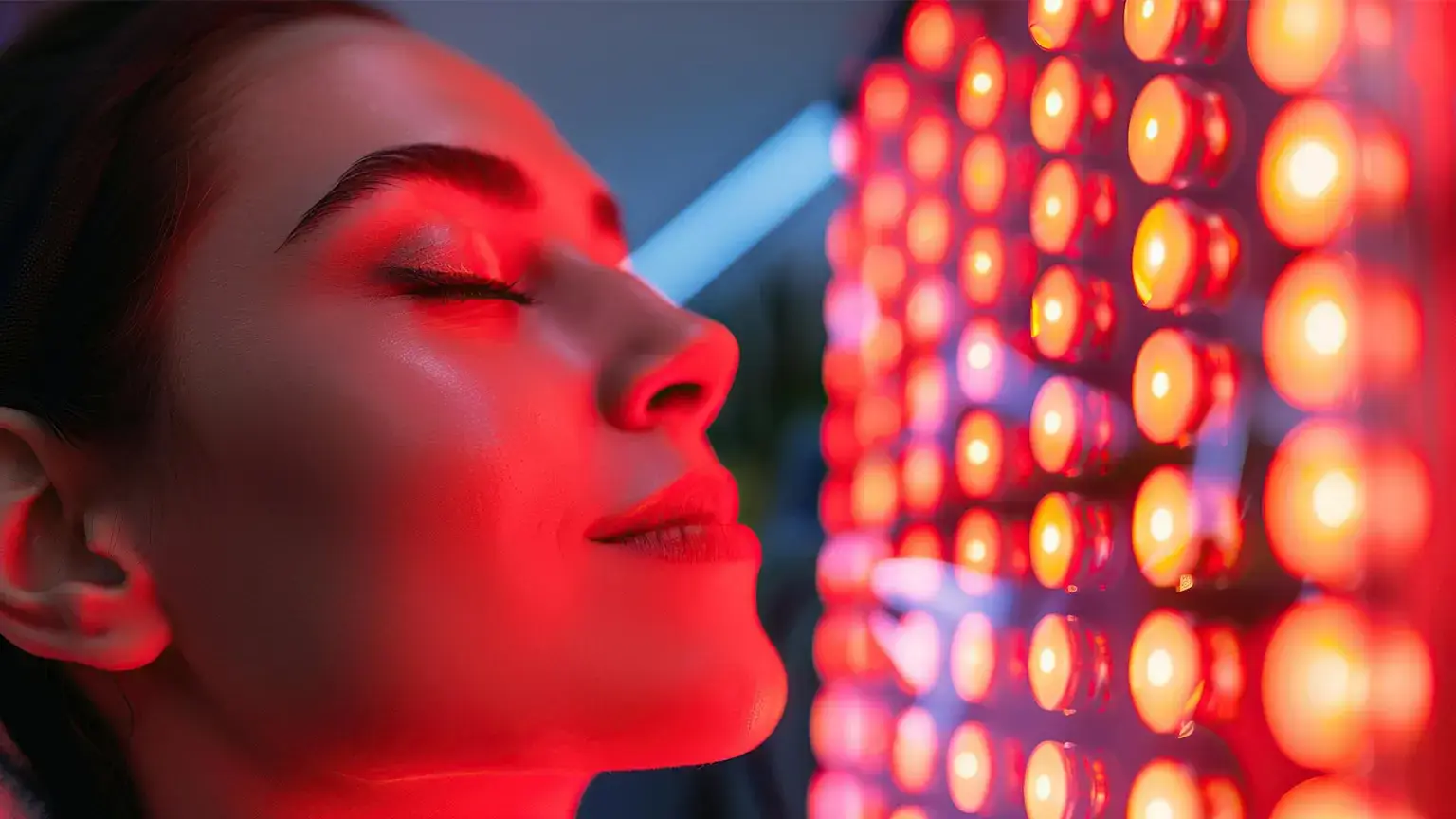
The most researched benefit is collagen support. By stimulating fibroblast activity, red and near-infrared light may help skin maintain structural integrity over time, which shows up as improved firmness and a reduced appearance of fine lines with consistent use.
The clinical evidence backs this up. A randomized controlled trial published on PMC involving 136 volunteers found significant improvements in intradermal collagen density, skin roughness, and wrinkle status after 30 red light sessions.
A more recent 2023 study on PMC using an LED mask twice weekly over three months reported measurable reductions in wrinkle depth, improved firmness and elasticity, and increased dermal density in participants aged 45 to 70.
Skin texture and tone improvements are also commonly reported after several weeks of regular use. These changes are gradual, which aligns with how collagen remodeling actually works biologically. Beyond facial treatments, many people are also adding light therapy devices for anti-aging into their broader wellness routines to support long-term skin health.
Choosing the Right Device for Your Goals
The best device is the one you’ll actually use regularly.
For skin-focused users, an LED mask or handheld wand gives you targeted facial treatment without overcomplicating the routine. For broader wellness goals beyond the face, a panel offers more coverage and versatility. For beginners, start simple. A straightforward mask or entry-level wand lets you build the habit before committing to a more advanced setup.
Budget, session frequency, and device size matter more than most buyers expect. A comfortable, easy-to-use device used consistently four times a week will outperform a more powerful one that rarely gets touched.
Building a Sustainable Self-Care Routine
Consistency is the variable that separates people who see results from those who don’t. The 2023 PMC study mentioned above is a good example of this in practice: participants who completed twice-weekly sessions over three months saw improvements that actually persisted for up to 28 days after stopping treatment, pointing to real structural changes rather than surface-level effects.
Short sessions done regularly over months outperform intense sessions done sporadically. Stacking habits helps too. Applying a hydrating serum before a session and SPF after turns two steps into one seamless sequence. Tracking progress with monthly photos gives you an honest read on what’s actually changing, since gradual improvements are easy to miss day to day.
Final Thoughts
Healthy aging comes down to small habits done well over time. This isn’t something light-based skin care can replace, but it can certainly be a very helpful addition to an excellent foundation.
SPF, sleep, hydration, and stress management still carry the most weight. Light therapy is an additional, convenient, non-invasive procedure, which doesn’t require much of a lifestyle change in order to be adopted.
Start with the basics, layer in technology where it supports your goals, and give it enough time to actually show results.