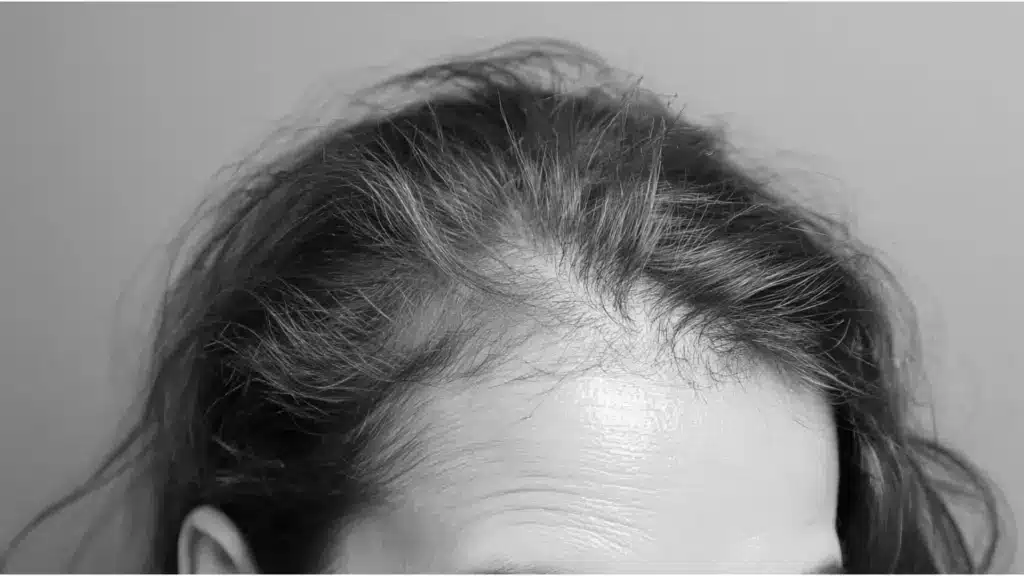


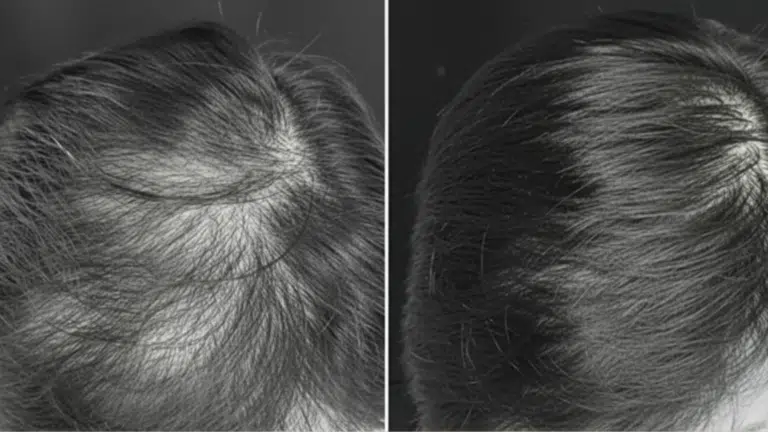
PRP stands for Platelet-Rich Plasma. It’s a medical treatment that uses blood from a person’s own body.
Doctors take a small amount of blood and spin it in a special machine. This machine separates different parts of the blood. The plasma that comes out has lots of platelets in it.
Platelets are tiny cells that help wounds heal. They contain growth factors that tell the body to repair damaged tissue.
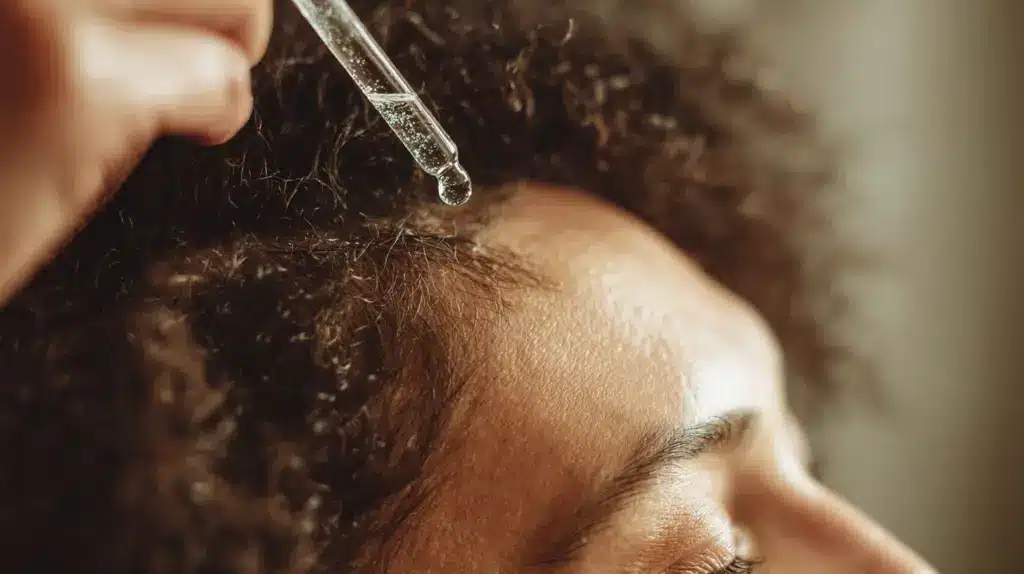
When doctors inject this platelet-rich plasma into the scalp, it signals hair follicles to wake up.
Hair follicles are small pockets in the skin where hair grows. Sometimes these follicles become weak or stop working. PRP treatment sends growth signals to these sleeping follicles.
The treatment aims to make existing hair thicker and stronger. It can also wake up follicles that stopped producing hair.
This means people might see new hair growth in areas that were thinning.
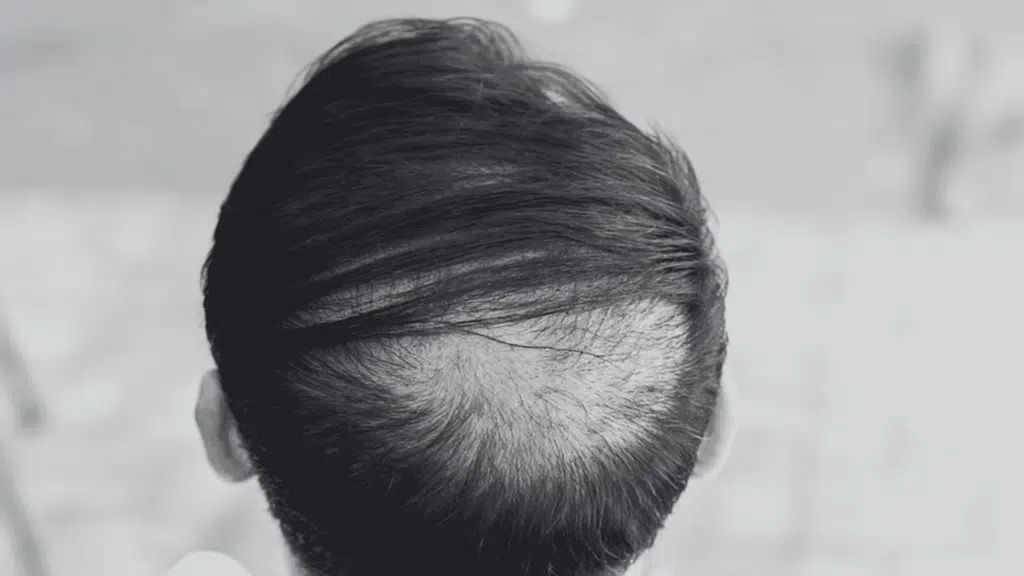
PRP hair treatment works best for people in the early stages of hair loss.
It’s not a cure, but it can slow down hair loss and improve hair density.
What Happens During a PRP Session?
A PRP session involves several steps that take about one to two hours total. Each step is simple and doesn’t require surgery or complicated procedures.
Blood Collection
The doctor draws blood from the patient’s arm, just like a regular blood test. The amount is small, usually between 30 to 60 milliliters, and takes only a few minutes.
Processing the Blood
The blood spins in a centrifuge machine for 10 to 15 minutes at high speed. This separates the platelet-rich plasma from red blood cells, and the doctor collects the plasma layer.
Preparing the Scalp
The doctor cleans the treatment area and applies numbing cream to reduce discomfort. Patients wait about 20 to 30 minutes for the numbing to take effect.
Injection Process
The doctor injects PRP into thinning areas using a thin needle with multiple injections. The process takes 15 to 30 minutes, and patients feel only mild pressure or stinging.
After the Session
Patients go home immediately and return to normal activities the same day. They should avoid washing hair for 24 hours and skip heavy exercise for a day or two.
Your Pre-Treatment Checklist
Getting ready for PRP treatment helps ensure better results. Patients need to prepare their bodies and scalp before the session.
1. Get Blood Tests Done
Doctors often recommend blood tests before starting PRP treatment. These tests check iron levels, Vitamin D, and hormone balance.
Low iron can cause hair loss on its own. Vitamin D deficiency also affects hair growth. Hormone imbalances might be the real reason behind thinning hair.
Fixing these issues first can make PRP treatment work better. The doctor reviews test results and suggests supplements if needed.
2. Stop Smoking and Drinking Alcohol
Patients should avoid smoking for at least 24 hours before treatment. Smoking reduces blood flow to the scalp. This can affect how well PRP works.
Alcohol also thins the blood. It can cause more bleeding during injections. Doctors recommend stopping alcohol consumption 2 to 3 days before the session.
3. Check Your Medications
Some medicines can interfere with PRP treatment. Anti-inflammatory drugs like ibuprofen or aspirin thin the blood. They can cause extra bleeding during injections.
Patients should talk to their doctor about all medications they take. The doctor will say which ones to stop and for how long. Never stop medications without medical guidance.
Blood thinners need special attention. People taking these medicines might need to pause them before treatment.
4. Prepare Your Hair and Scalp
Wash hair thoroughly on the day of treatment. Use a mild shampoo and clean the scalp well. This removes oil, dirt, and bacteria.
Don’t apply any styling products that day. No hair gel, spray, or mousse. The scalp needs to be completely clean for the injections.
Avoid hair coloring or chemical treatments for at least a week before PRP. These can irritate the scalp and cause complications.
Real Patient Experiences
Real stories show how PRP treatment works for different people.
These experiences highlight what patients noticed before treatment and the changes they saw afterward.
42-Year-Old Software Engineer
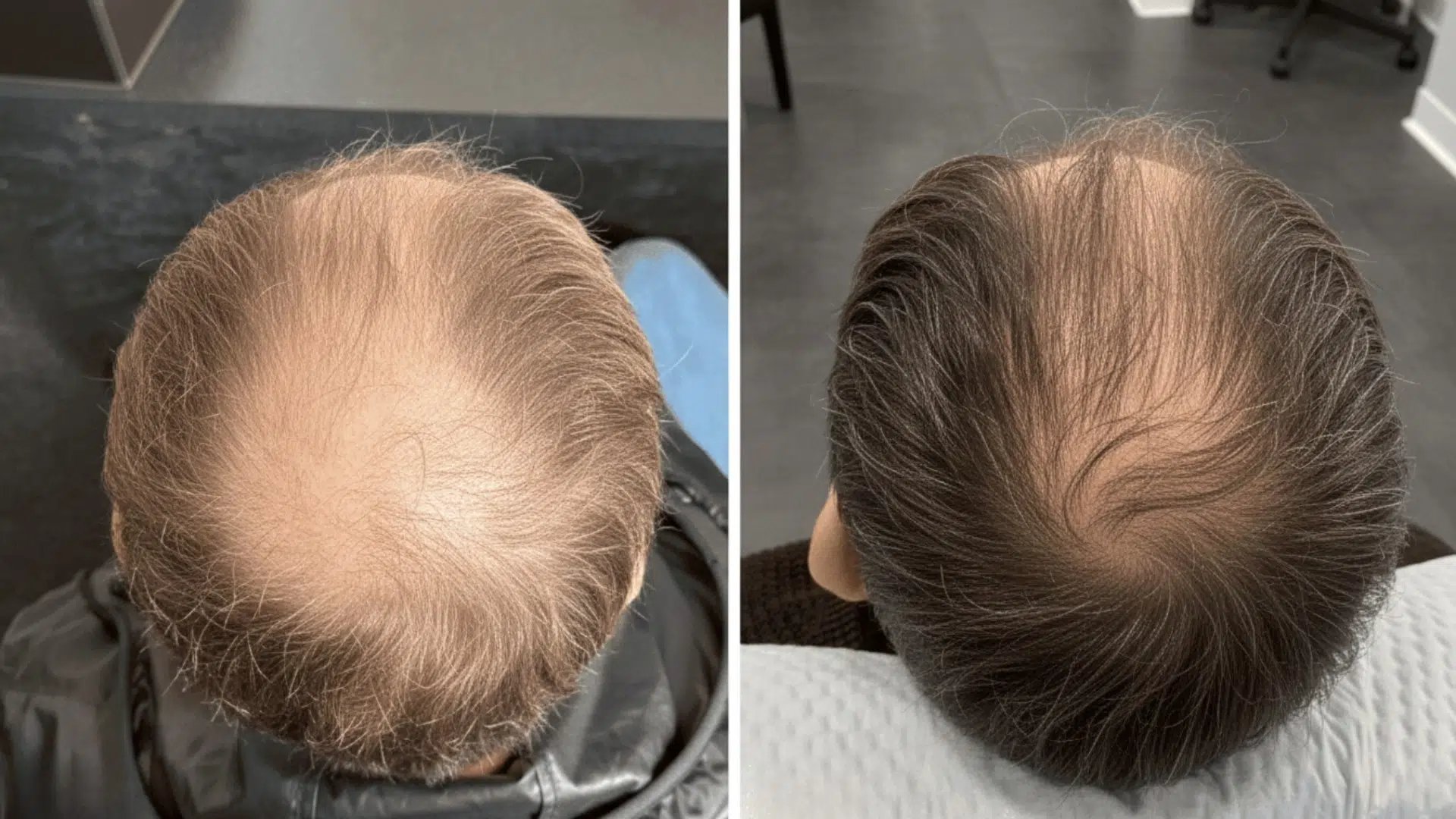
A software engineer’s receding hairline made him look older than his age. He tried PRP treatment, hoping to slow down the hair loss.
After five sessions, his hairline stopped receding, and the existing hair became denser and stronger.
29-Year-Old Marketing Manager
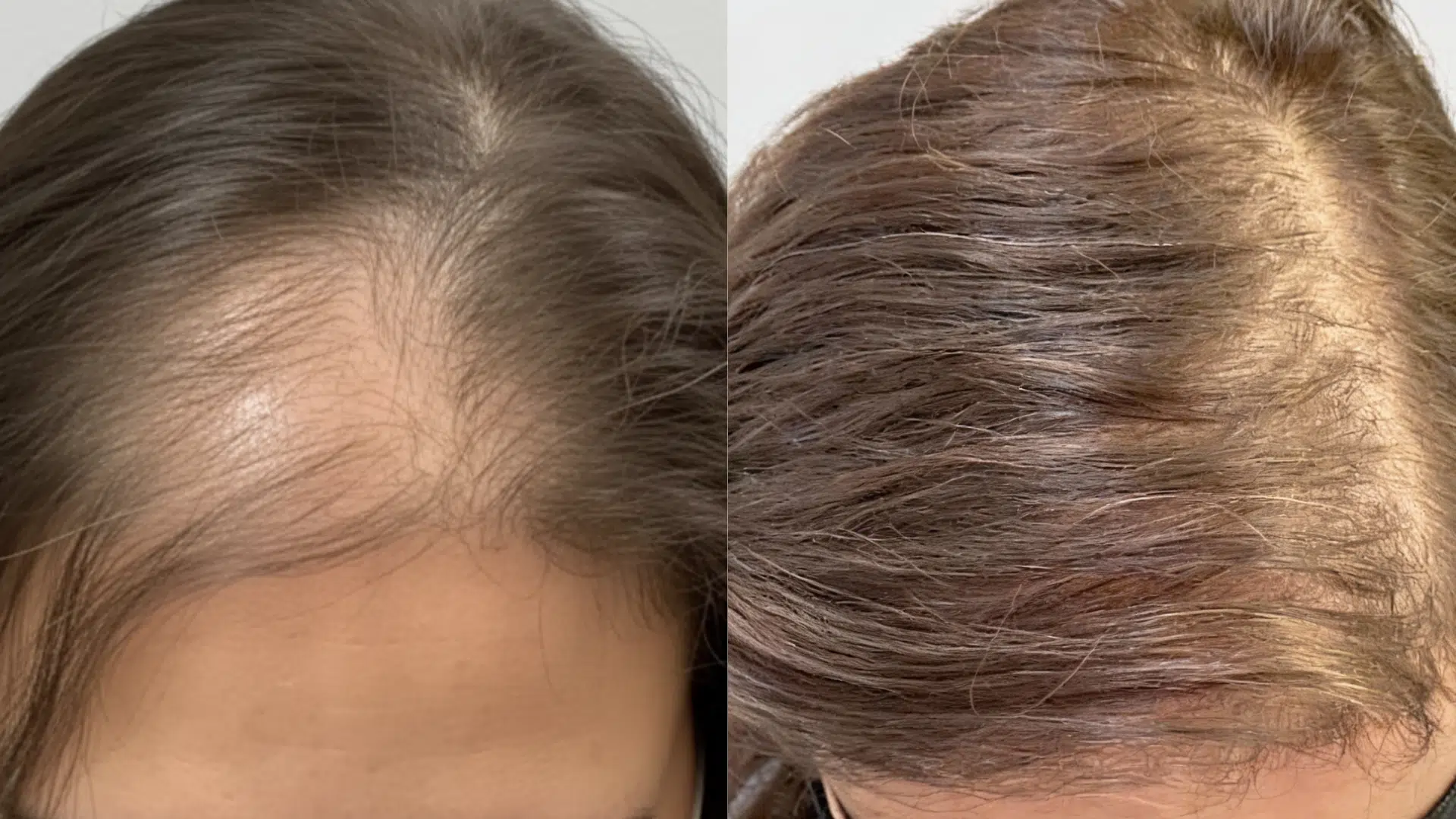
A marketing manager experienced sudden hair thinning after pregnancy, which affected her confidence.
She started PRP treatment six months postpartum. Her hair regained its volume, and the thin patches on her temples filled in completely within eight months.
45-Year-Old Nurse
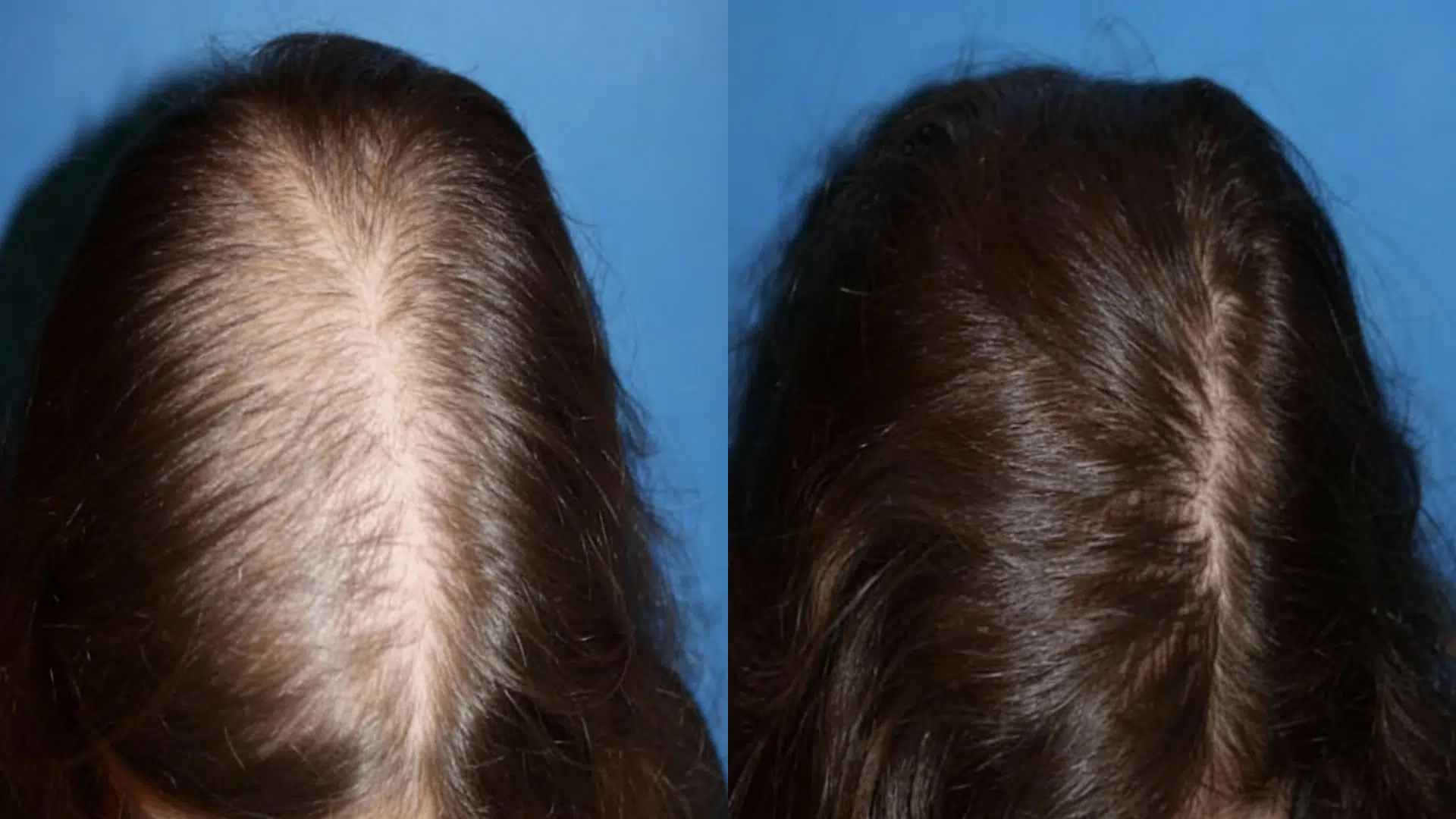
A nurse dealing with stress-related hair loss saw her ponytail getting thinner each month. She felt embarrassed pulling her hair back for work.
After four PRP sessions, her hair density improved, and her ponytail looked fuller and healthier again.
Who Will See the Best Before & After Results?
Not everyone responds to PRP treatment the same way.
Some people see dramatic changes while others notice modest improvements.
Best Candidates for PRP Treatment:
- People in the early stages of hair loss with recent thinning
- Patients with androgenetic alopecia (pattern baldness)
- Those who still have active hair follicles in thinning areas
- People under 50 years old with good overall health
- Patients with mild to moderate hair loss, not complete baldness
- People with no underlying medical conditions affecting healing
- Patients who maintain healthy iron and vitamin D levels
PRP vs. Other Hair Growth Options
Comparing different hair loss treatments helps people make informed choices.
Each option has its own benefits and drawbacks.
| Treatment | How It Works | Results Timeline | Pain Level | Side Effects |
|---|---|---|---|---|
| PRP Hair Treatment | Uses the patient’s own blood platelets injected into the scalp | 3-6 months for visible results | Mild discomfort with numbing cream | Minimal – slight swelling, redness |
| Minoxidil (Rogaine) | Topical solution applied to the scalp daily | 4-6 months for results | None – topical only | Scalp irritation, unwanted facial hair |
| Finasteride (Propecia) | An oral pill taken daily to block the DHT hormone | 3-6 months for results | None – oral pill | Sexual side effects, mood changes |
| Hair Transplant | Surgical removal and implantation of hair follicles | 6-12 months for full results | Moderate to high pain | Scarring, infection risk, swelling |
| Laser Therapy | Low-level laser light stimulates follicles | 4-6 months for results | None – painless | Rare – mild scalp warmth |
Conclusion
PRP hair treatment shows real promise for people dealing with hair loss.
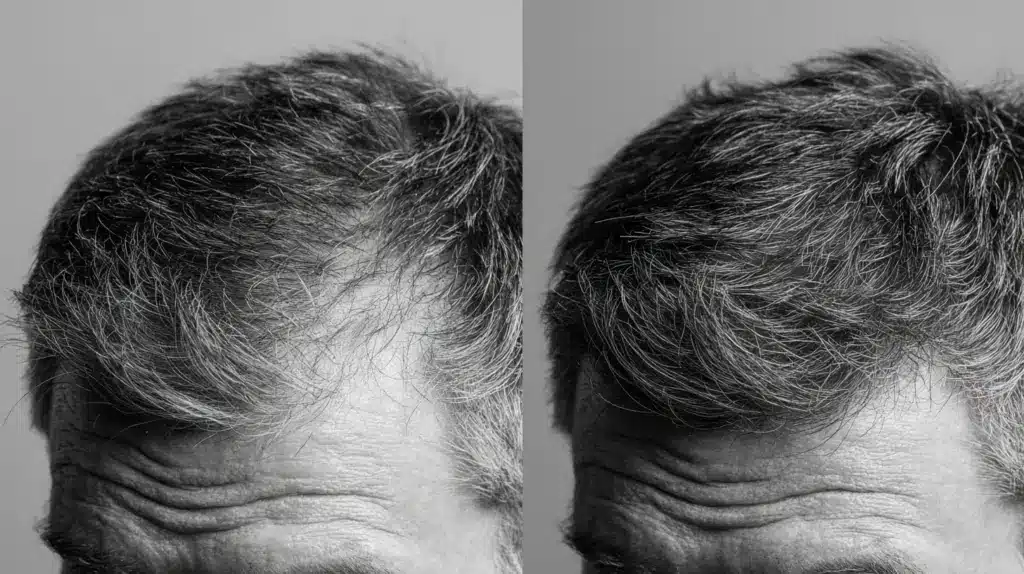
The before and after photos prove that results can happen when the right person gets the treatment at the right time.
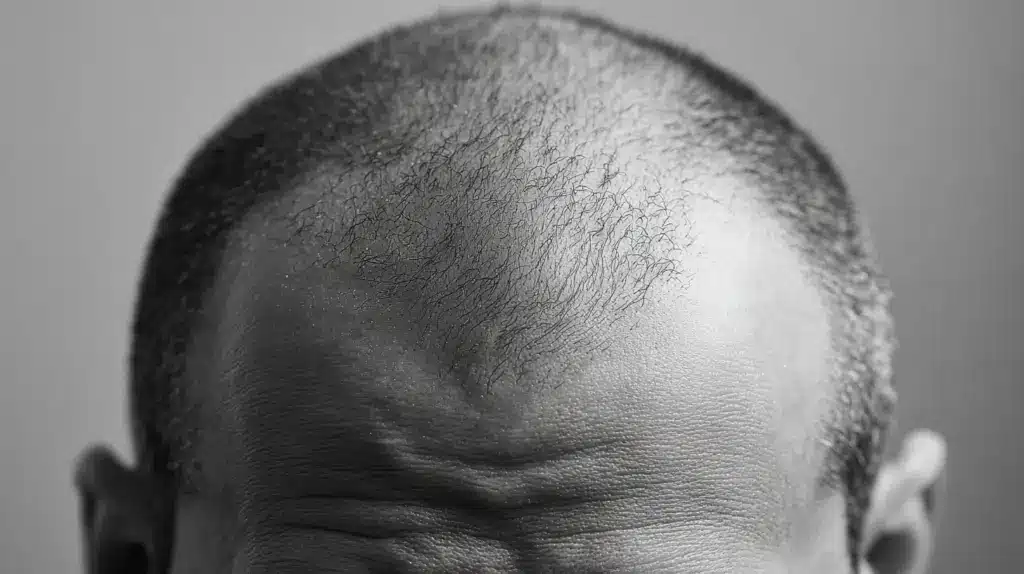
This treatment won’t work miracles for everyone. People with early-stage hair loss see the best outcomes. Those with completely bald areas might need other options.
The process is safe since it uses a person’s own blood. Results take time, usually three to six months. Multiple sessions give better results than just one.
Ready to try PRP hair treatment?
Frequently Asked Questions (FAQ’s)
How Many PRP Sessions Are Needed to See Results?
Most people need three to four sessions spaced four to six weeks apart. Results become visible after three to six months.
Is PRP Hair Treatment Painful?
The treatment causes mild discomfort. Doctors apply numbing cream before injections. Patients feel some pressure, but most find it tolerable.
How Long Do PRP Hair Treatment Results Last?
Results can last one to two years with proper maintenance. Without follow-up sessions, hair may gradually return to its previous state.
Can PRP Regrow Hair on Completely Bald Areas?
No, PRP cannot regrow hair where follicles are dead. It works best on thinning areas where follicles are still alive but weak.