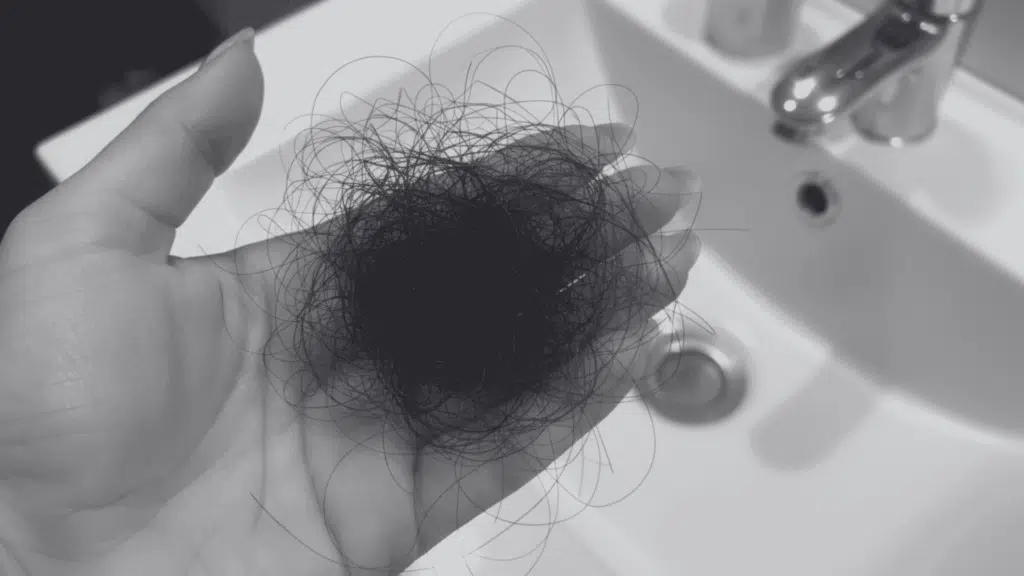



Does your hair take forever to dry after washing?
Does it feel like products just sit on top instead of sinking in?
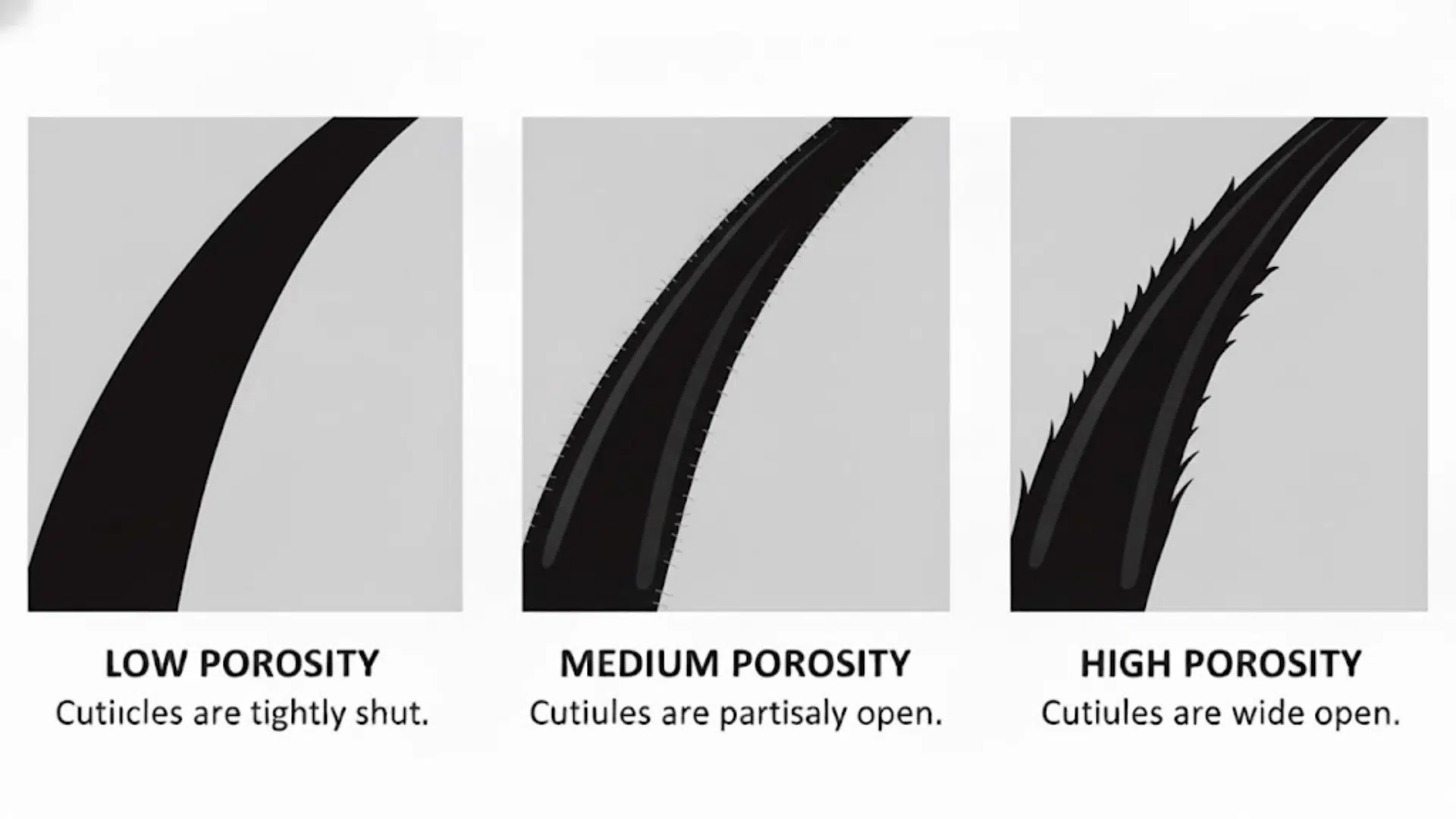
You might have low porosity hair. This hair type has tightly closed cuticles that resist moisture. But don’t worry.
In this post, you’ll learn what low porosity hair means and how to care for it properly.
Let’s get your hair the hydration it deserves.
What is Low Porosity Hair?
It means your hair has a hard time soaking up water and products.
The outer layer of your hair is closed tight. Moisture can’t get in easily. This is like trying to pour water into a bottle with the cap almost on.
Your hair cuticles act as gatekeepers. When they’re tightly sealed, products sit on the surface instead of absorbing.
This is what low porosity hair means in simple terms.
Common Signs You Have Low Porosity Hair
Here are the telltale signs that indicate your hair has low porosity.
If you notice two or more of these, you likely have this hair type.
-
Product buildup: Products build up quickly on your scalp because they can’t absorb into sealed cuticles.
-
Slow drying: Hair takes hours to air dry since water sits on the surface instead of soaking in.
-
Water beading: Water beads up on your strands when wet, rolling off like drops on a raincoat.
-
Ineffective conditioning: Deep conditioners don’t seem to work well because they can’t penetrate the tight cuticles.
-
Persistent dryness: Your hair feels dry even after moisturizing, since products never reach the inner shaft.
Low porosity is often genetic. You’re born with this hair type. Heat damage can also cause cuticles to seal tightly.
How to Find Out Your Hair Porosity?
Finding out your hair porosity is simple. You don’t need expensive tools or salon visits.
The most popular way is the float test. But there are other signs to watch for, too. Your hair gives you clues every day. You need to know what to look for.
Quick Observations:
- Check how long your hair takes to dry after washing
- Notice if products absorb quickly or sit on top
- Feel your hair strands between your fingers
- Watch how water behaves on freshly washed hair
Some people have mixed porosity. The roots might differ from the ends.
This happens because heat styling or chemical treatments damage the cuticles, changing how they behave.
Hair Porosity Testing Methods
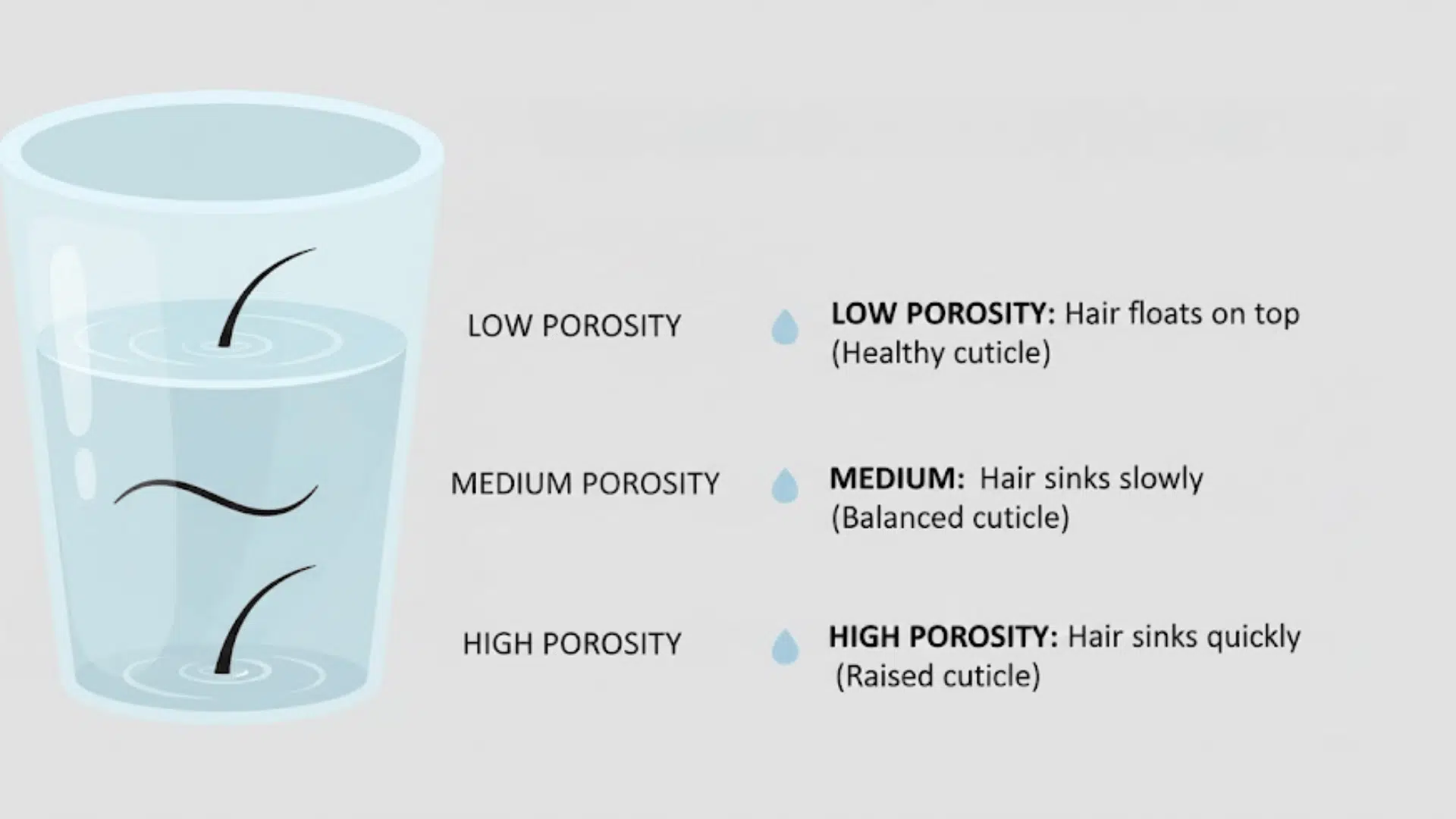
The float test is the easiest way to check your porosity at home. You only need a glass of water and a clean hair strand. This test takes about five minutes.
How to do the Float Test
If your hair floats on top, you have low porosity.
Hair that sinks slowly to the middle shows medium porosity. Strands that drop straight to the bottom indicate high porosity.
This is how you can check:
- Take a strand of clean, product-free hair from your brush
- Fill a clear glass with room-temperature water
- Drop the hair strand into the water
- Wait for two to four minutes
- Observe where your hair settles
The Slip and Slide Test
Run your fingers up a single strand from tip to root. Smooth texture means low porosity. A bumpy or rough feeling indicates high porosity.
This test works because you’re feeling the cuticle layers.
Make sure your hair is immaculate before testing.
Product buildup gives false results. Oils and conditioners affect how hair behaves in water.
Low Porosity Hair Care
Caring for low porosity hair requires a different approach than other hair types.
All you need are strategies that help products actually absorb instead of coating the surface.
Essential Care Principles:
- Use warm water when washing to lift the cuticles
- Apply heat during deep conditioning sessions
- Choose liquid-based products over thick creams
- Clarify your hair regularly to remove buildup
- Steam your hair to encourage moisture absorption
Temperature matters: Warm temperatures open cuticles temporarily. Use a hooded dryer, steamer, or warm towel during conditioning. Finish with cold water to seal everything in.
Low Porosity Hair Care for Curly Hair
-
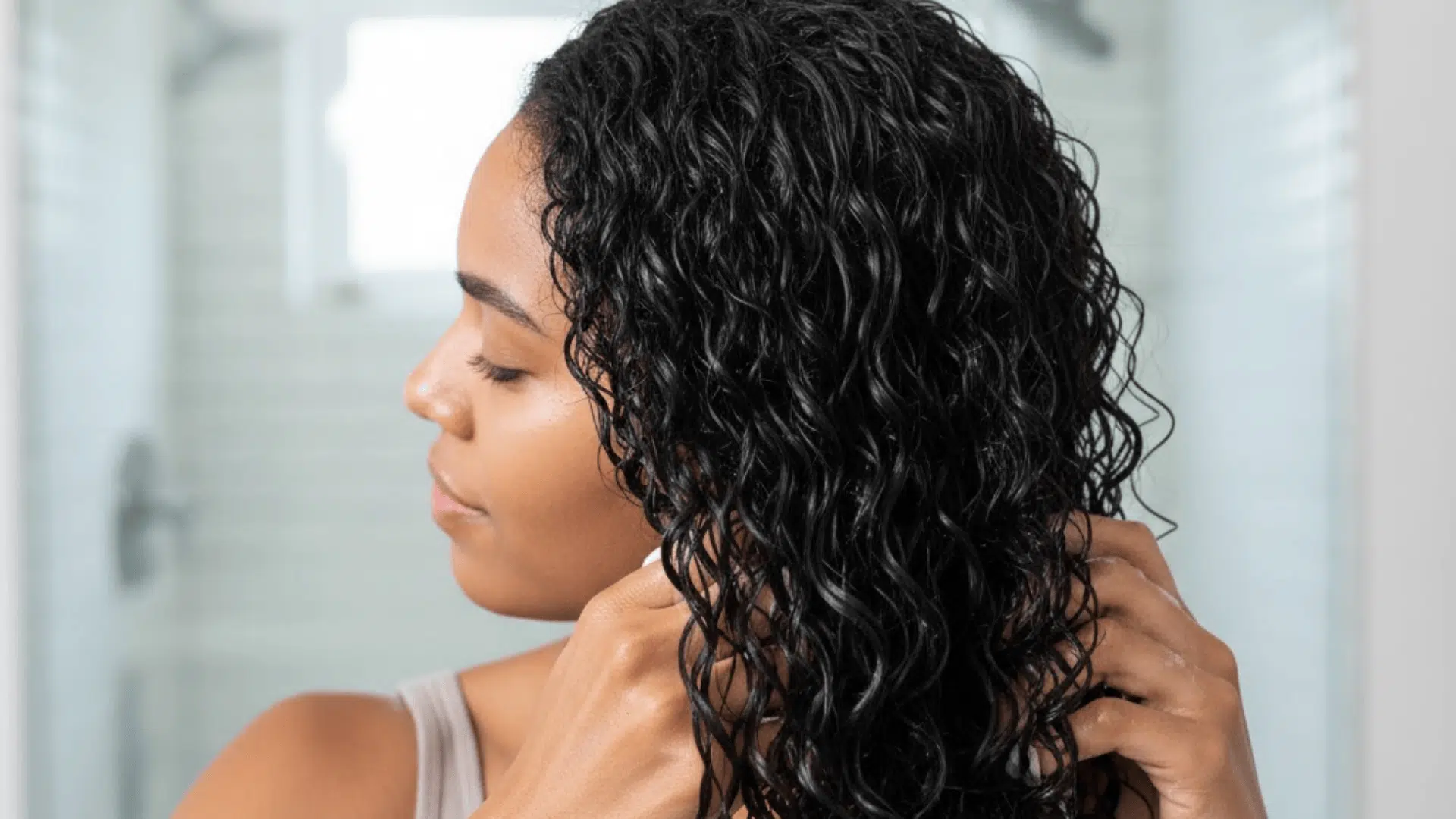
LCO method: Use liquid, cream, then oil instead of the traditional LOC method. This order helps water-based products penetrate first before sealing.
-
Wet application: Apply products to soaking wet hair for better absorption. Water opens the cuticles slightly, allowing products to enter.
-
Lightweight gels: Scrunch in gels with humectants for definition. These provide hold without weighing curls down.
-
Water-based refresh: Use sprays between washes to revive curls. Avoid layering heavy products that cause buildup.
-
Skip heavy oils: Avoid castor or coconut oil that coats the hair. These sit on the surface and block moisture.
-
Greenhouse effect: Cover hair with a plastic cap for 30 minutes after applying products to trap heat. Warmth helps open cuticles for deeper penetration.
-
Glycerin products: Use them only in humid climates and skip them in dry areas. Glycerin draws moisture from the environment into the hair
Low Porosity Hair Care Home Remedy
You don’t need expensive products to care for low porosity hair. Your kitchen holds powerful ingredients that work beautifully.
These home remedies are budget-friendly and effective.
Easy DIY Treatments
| Remedy | How to Make It | Benefits |
|---|---|---|
| Apple cider vinegar rinse | Mix one part vinegar with three parts water | Removes buildup and balances pH |
| Honey moisture mask | Combine two tablespoons of honey with warm water | Draws moisture into hair strands |
| Green tea rinse | Brew strong green tea and let it cool | Adds shine and strengthens hair |
| Warm oil treatment | Heat light oils like grapeseed or argan in warm water | Penetrates better with heat application |
| Baking soda clarifier | Mix one tablespoon with water to create a paste | Removes product buildup naturally |
| Rice water rinse | Soak rice in water overnight, then strain | Strengthens hair while adding slip |
Aloe vera juice is a game-changer for this hair type. It has a low pH that helps smooth cuticles while adding moisture. Mix it with water in a spray bottle.
Low Porosity Hair Care Product Suggestions
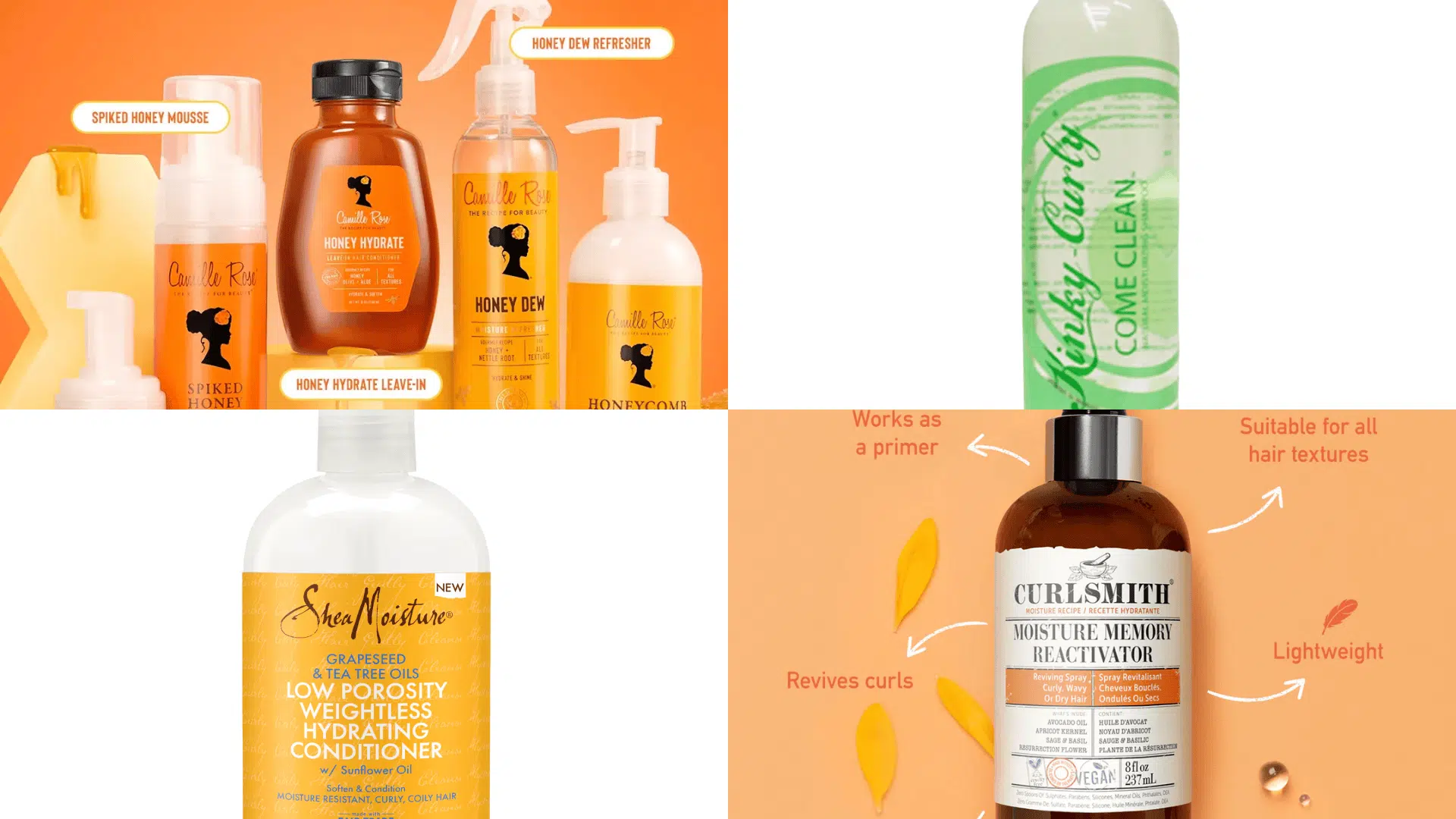
Choosing the right products makes all the difference for low porosity hair.
I always check ingredient lists before buying anything. The first five ingredients tell you what the product really contains.
-
SheaMoisture Low Porosity Protein-Free Leave-In Conditioner: Lightweight and heat-activated, this leave-in is explicitly made for tightly sealed cuticles and won’t cause buildup.
-
Kinky-Curly Come Clean Moisturizing Shampoo: A gentle clarifying shampoo that removes product buildup without stripping moisture, ideal for low porosity hair.
-
Curlsmith Moisture Memory Reactivator: A water-based refresher that hydrates without heavy oils, making it easier for moisture to penetrate low porosity strands.
-
Camille Rose Honey Hydrate Leave-In: Uses humectants like honey and aloe to draw moisture in while staying lightweight enough for low porosity hair.
Key Ingredients to Look for:
| Ingredient | What It Does |
|---|---|
| Glycerin | Draws moisture into hair shafts naturally |
| Aloe vera | Penetrates easily and soothes the scalp |
| Panthenol (Vitamin B5) | Adds moisture without adding weight |
| Hyaluronic acid | Holds water close to the hair strand |
| Water-soluble silicones | Wash out easily and add slip to hair |
Look for ingredients ending in “copolyol” or “PEG” on product labels.
About silicones: Not all silicones are harmful for low porosity hair. Water-soluble types work well because they rinse clean.
Low Porosity Hair Care Routine Tips
Building a solid routine helps your low porosity hair thrive. Consistency matters more than using tons of products.
Here are some tips to follow:
Weekly Routine:
- Clarify once or twice monthly to remove buildup
- Wash with warm water to open cuticles
- Deep condition with heat for 20 to 30 minutes
- Rinse with cool water to seal cuticles
- Apply leave-in to dripping wet hair
- Air dry or use low heat settings
Between Wash Days:
- Refresh with water-based sprays only
- Avoid layering multiple products
- Keep styling tools on medium heat
- Use heat protectant every time
Smart Styling Tips:
Keep heat tools on medium settings. High heat damages already resistant cuticles.
Use a heat protectant every single time. Steam treatments, once weekly, boost moisture levels significantly.
Sleep on silk or satin pillowcases. Cotton absorbs the moisture your hair desperately needs. A satin bonnet works too.
Listen to your hair’s feedback. If products stop working, clarify immediately. Buildup happens quickly with low-porosity hair care routines.
Stay light with application amounts.
Conclusion
Now you understand what low porosity hair means and how to work with it.
The key is using lightweight products, adding heat during treatments, and clarifying regularly. Start with one or two changes to your current routine.
Test what works for your specific hair needs.
Remember, patience pays off. Give new methods at least a month before judging results.