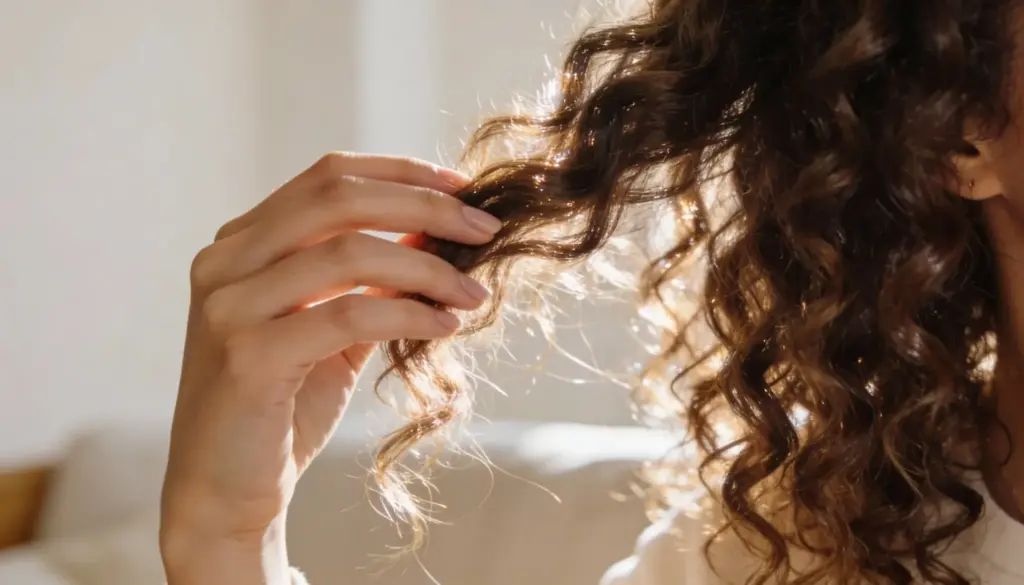

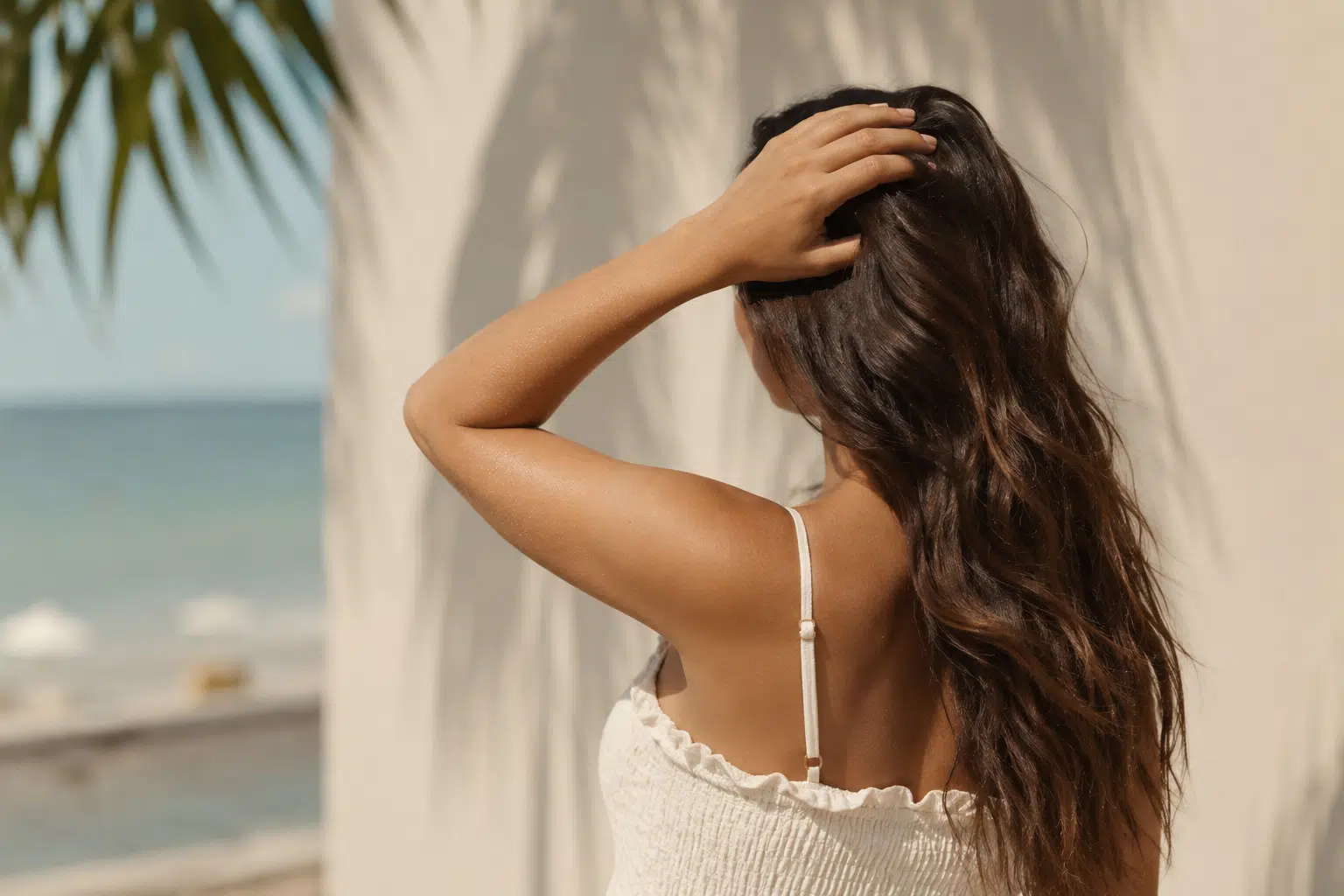
Summer feels great until your hair starts acting dramatically.
One day, it looks smooth and shiny. The next day, it turns dry, frizzy, sticky, and impossible to manage.
Sun exposure, sweat, humidity, chlorine, and heat styling. All hit your hair at the same time. That combination weakens the hair shaft and dries out the scalp.
Studies show that UV radiation becomes more intense during summer. And this can damage hair proteins and fade the natural pigment further. Sweat and oil also build up faster during hot weather, which can clog follicles and irritate the scalp.
In this case, a good summer hair routine can help. It focuses on hydration, gentle cleansing, UV defense, and less heat damage.
- Find your perfect shampoo and conditioner bars this scorching season.
Cleanse and Hydrate
Wash Hair Regularly
Summer sweat sticks to the scalp fast.
Then it mixes with oil, dirt, sunscreen, and dead skin cells. That creates a greasy layer that blocks hair follicles and makes the scalp feel itchy and heavy.
Hot weather also increases oil production. So skipping washes for too long can leave your roots flat while your ends stay dry. That’s not a fun combo.
Dermatologists have found that washing hair 5-6 times per week offers the best overall satisfaction for scalp condition. Another study found that daily washing beats once-a-week washing, leading to better scalp health and hair quality.
So, wash regularly. Use lukewarm water instead of hot water. High heat strips natural oils too aggressively. Your scalp then tries to replace that oil quickly, which makes hair greasy again faster.
A summer wash routine helps-
- Remove sweat buildup
- Reduce itchiness
- Keep follicles cleaner
- Prevent odor
- Make hair feel lighter
Use Nourishing Shampoo
Summer sunlight does more than dry out hair.
UV intensity tends to be highest during the summer months. And this isn’t good for your hair. The rays create free radicals that attack keratin, the protein that gives hair strength and structure. That damage can lead to rough texture, faded color, and weak strands.
A nourishing shampoo (bar or liquid) helps clean the scalp without making hair feel stripped afterward. The formula can contain-
- Aloe vera
- Argan oil
- Coconut oil
- Shea butter
- Fruit extracts
These ingredients contain antioxidants and fatty acids that help reduce dryness or oiliness caused by UV exposure.
Choose shampoos without harsh sulfates if your hair already feels dry or color-treated. Hair color fades faster during summer because UV rays break down pigment molecules.
A nourishing cleanser helps hair stay-
- Softer
- Shinier
- Easier to detangle
- Less brittle
Lock In Moisture
Summer humidity tricks people.
Hair may look puffy and frizzy. But the inside of the strand can still be dry.
Sun exposure, pollution, salt water, and styling tools slowly pull moisture from the hair shaft. That dryness makes strands rough and tangled.
Always follow shampoo with a conditioner. Conditioner bars or liquid formulas both work well. The goal is to seal hydration into the hair cuticle.
Look for conditioners enriched with-
Such ingredients pull moisture into the hair, keep it hydrated, and seal it inside.
These ingredients create a protective layer around hair. That layer helps-
- Hold moisture inside
- Reduce flyaways
- Prevent frizz from humidity
- Make detangling easier
Protect from Sun & Heat
Use UV Defense
Most people protect their skin from the sun.
But sadly, they forget that their hair gets damaged by UV rays as well. Too much sun exposure can make strands brittle, faded, rough, and weak. Scalp skin can also burn during peak summer hours.
To prevent that, consider hair care with SPF.
UV filters in hair care shield strands from sun-induced protein degradation, dryness, and color fading. They work like skin sunscreen, as they absorb or reflect damaging rays.
You might find these filters in leave-in conditioners, serums, creams, sprays, and oils.
Some chemical filters can cause harm. In that case, it’s better to pick natural ingredients with UV-protection effects. For instance-
- Raspberry seed oil shows UV absorbance in research studies and may help provide broad-spectrum support.
- Argan oil can also protect hair and scalp from UV damage. Besides, it reduces dryness while adding shine without making hair greasy.
- Aloe vera has natural sunscreen properties. It also helps soothe the scalp and reduce dryness caused by sun exposure.
- Almond oil carries fatty acids with double bonds. These bonds work to protect hair from UV radiation and stop structural damage.
Apply UV-protecting products mainly on-
- Hair lengths
- Ends
- Hairline
- Parting area
Reapply after swimming or heavy sweating.
Minimize Heat Styling
Summer already exposes hair to high temperatures.
Adding a straightener or curling iron daily pushes damaged hair even further. As per the experts, high heat from such tools weakens the cuticle layer. Moisture escapes faster, which causes-
- Dryness
- Split ends
- Brittleness
- Rough texture
To avoid that, try wearing your natural texture more often during summer. Loose waves, braids, buns, and air-dried styles reduce extra stress on the hair shaft.
When using heat tools-
- Apply heat protectant first
- Use medium settings
- Avoid repeated passes
- Keep tools moving
A heat protectant forms a thin coating over strands. That coating slows moisture loss and reduces direct heat damage.
Consider Physical Barriers
Sometimes the simplest solution works best.
Physical barriers protect hair from direct sunlight better than many styling products alone.
Wear-
- Wide-brim hats
- Scarves
- Caps
- Bandanas
UV exposure tends to peak between 10 a.m. and 2 p.m. because the sun sits higher overhead during that time. Hair and scalp receive stronger direct radiation during those hours.
So, when you cover your hair, it helps reduce-
- Dryness
- Color fading
- Scalp irritation
- Protein damage
Choose lightweight fabrics that allow airflow. Tight materials trap sweat and heat around the scalp.
And honestly, hats save bad hair days, too.
Styling & Maintenance
Try Protective Styling
UV rays and heat already weaken the cuticle layer.
So, when you have tight hairstyles, this adds extra stress to dry strands.
Very tight ponytails, buns, and braids pull at the roots constantly. Over time, that tension can lead to breakage and thinning around the hairline.
If you don’t want that, choose loose protective styles instead, such as-
- Soft braids
- Loose buns
- Low ponytails
Such styles reduce friction from-
- Wind
- Clothing
- Pillowcases
- Humidity
They also help keep ends tucked away.
Use soft scrunchies instead of rubber bands. Tight elastics create pressure points that snap hair.
Your scalp should never feel sore after styling. If it hurts, the hairstyle is too tight.
Detangle Carefully
Wet hair stretches more easily.
That means aggressive brushing after showers can cause major breakage.
Summer tangles get worse because of-
- Wind
- Sweat
- Salt water
- Frizz
- Dry ends
So, don’t pull through knots with a fine brush. This will make the situation worse.
Use a wide-tooth comb instead. Start from the ends and slowly work upward.
Apply a lightweight serum or leave-in conditioner before detangling. This helps strands slide apart more easily.
Hair oils and conditioners can create slip. That reduces friction between strands and lowers breakage risk.
Gentle detangling helps-
- Prevent split ends
- Reduce shedding
- Keep curls defined
- Maintain a smoother texture
Get a Trim
Split ends never repair themselves.
Once hair splits, the damage slowly travels upward through the strand.
Summer heat, UV exposure, and friction. All make split ends appear faster. Dry ends then snag against each other and create even more breakage.
Trim hair every 6 to 8 weeks to remove damaged sections before splitting spreads.
Consider using sharp haircutting scissors for cleaner cuts. Dull blades crush the hair shaft rather than slicing cleanly.
Regular trims can help hair-
- Look smoother
- Feel softer
- Detangle easier
- Break less during styling
Healthy ends also make hair appear thicker overall.
FAQs
How to protect hair in the summer season?
Wash sweat regularly. Use conditioner. Apply UV-protecting products. Avoid excessive heat styling. Cover hair with hats or scarves outdoors.
Can summer cause an itchy scalp?
Yes. Sweat, oil, sunscreen, dirt, and heat build up faster during summer. This can irritate the scalp, clog follicles, and trigger itchiness or flaking.
Which oil is best for hair in summer?
Argan oil works great during summer because it feels lightweight, reduces frizz, adds shine, and helps protect hair from dryness and UV-related damage.
What is a homemade heat protectant for hair?
A simple homemade option contains aloe vera gel, water, and a few drops of argan or almond oil. It helps reduce dryness before heat styling.