

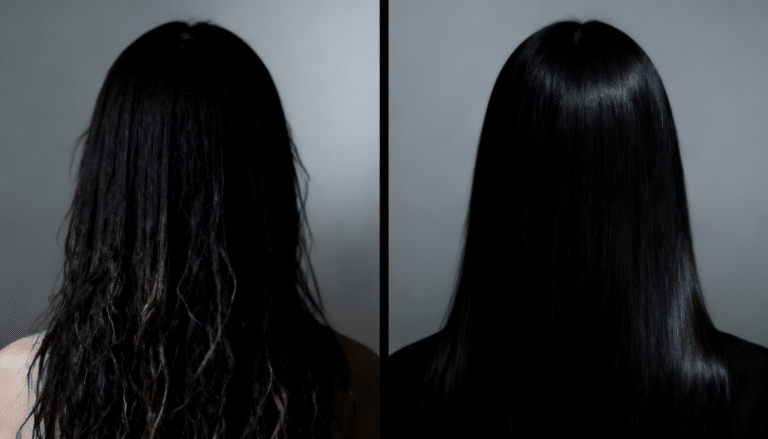
Ever wondered how your hair felt perfect and suddenly feels frizzy?
That’s not just in your head; it’s about hard water vs soft water hair. The type of water flowing through your pipes makes a real difference in how your hair looks and feels.
Hard water leaves minerals behind that can make your strands dry, dull, and difficult to manage.
Soft water, on the other hand, lets your shampoo work more effectively and leaves your hair feeling smoother.
Let’s look into what’s really happening when you wash your hair.
Hard Water vs Soft Water – What’s the Difference?
Different water types have different impacts on your hair.
Water hardness varies by location; some areas have tough water, while others have naturally soft water.
The main difference comes down to mineral content.
Hard water contains high levels of dissolved minerals, primarily calcium and magnesium. When hard water touches your hair, those minerals don’t just rinse away.
They stick to your strands over time, building up and creating a film that blocks moisture and makes hair feel rough.
Soft water has had most of these minerals removed, usually through a water softening system or naturally in areas with different geology.
It’s much gentler on hair because it doesn’t leave behind that stubborn mineral buildup.
Quick Way to Test the Water Type at Your Home
A simple test to find out your water type:
- Grab a clear plastic bottle with a lid
- Fill it about halfway with tap water
- Add a few drops of liquid dish soap
- Put the lid on and shake it hard for about 10 seconds
The difference? If you see lots of fluffy bubbles on top and the water below looks clear, you’ve got soft water.
But if the bubbles are thin and sparse, and the water looks cloudy or milky, that’s hard water. The cloudiness comes from those minerals reacting with the soap.
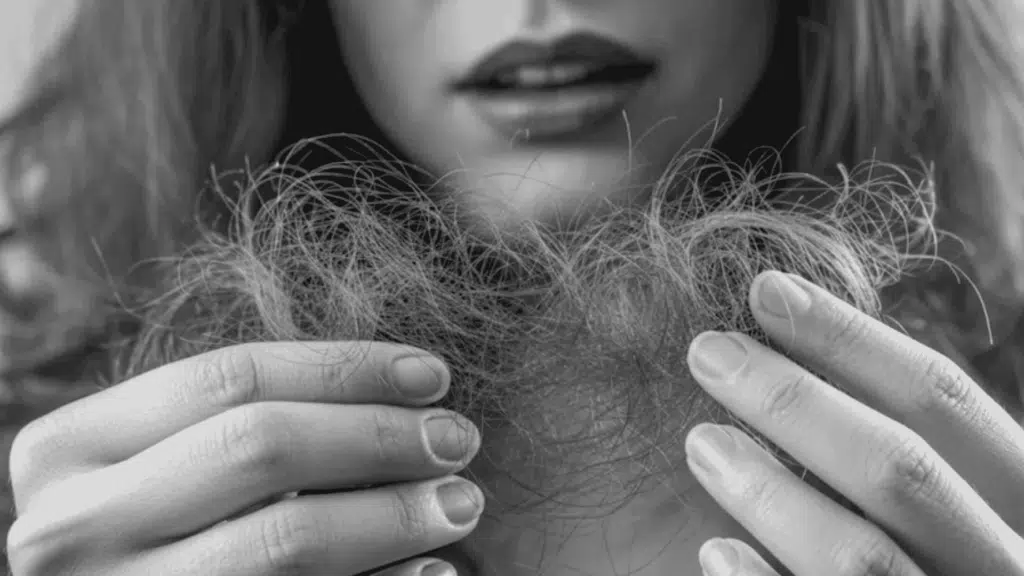
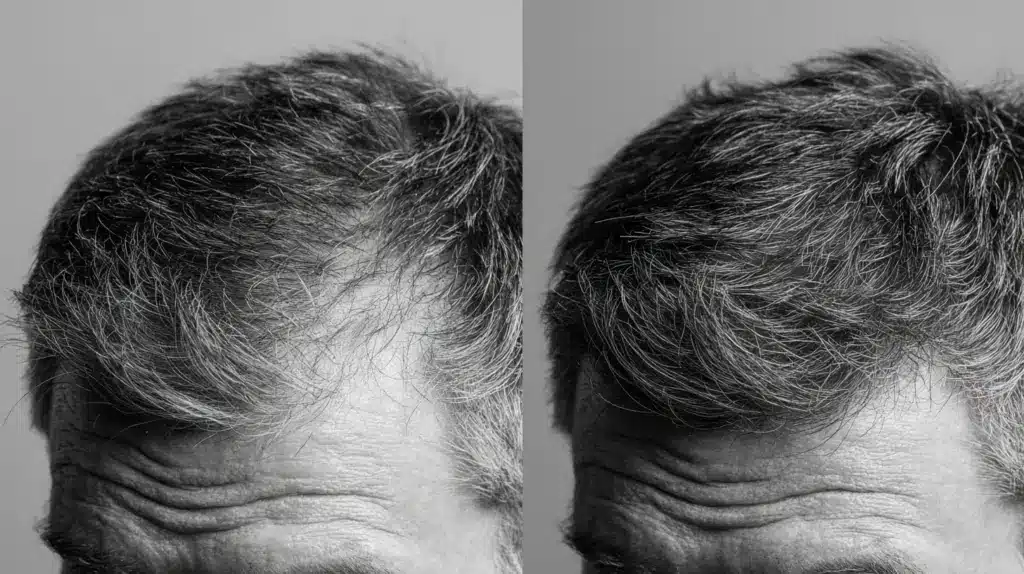
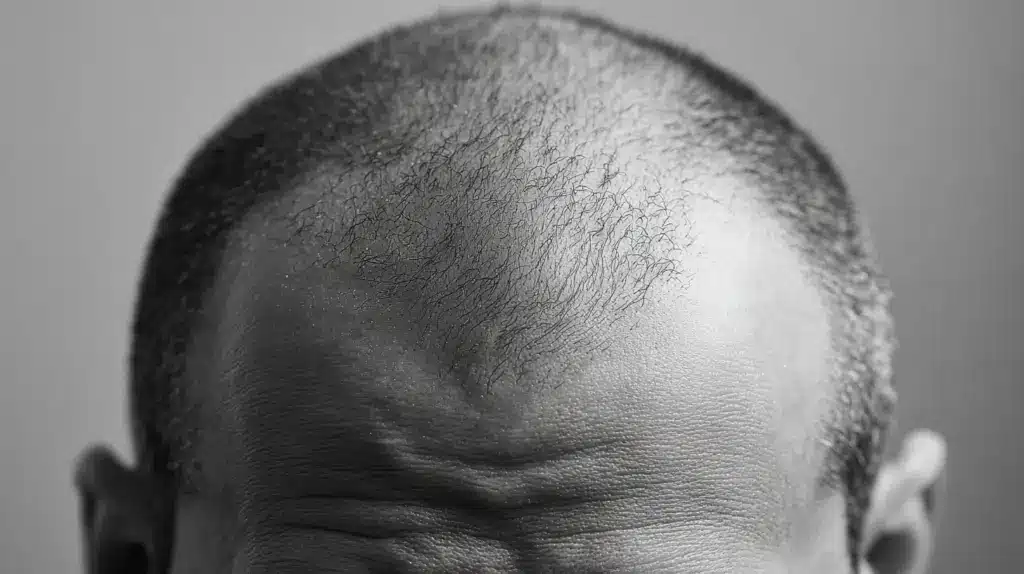
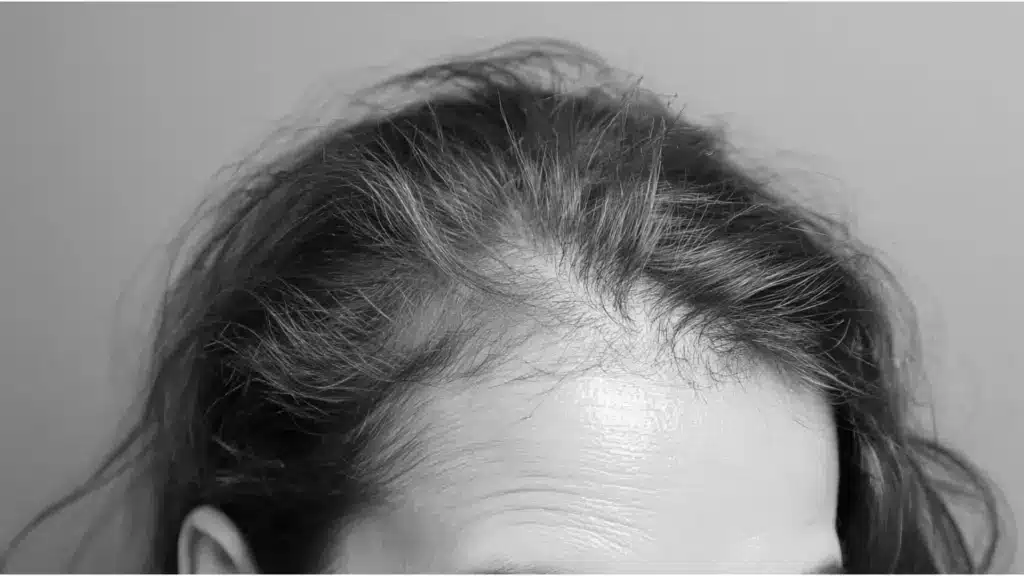
Experiencing hair loss? Wondering, can hard water cause hair loss? Let’s see if it really can.
Can Hard Water Cause Hair Loss?
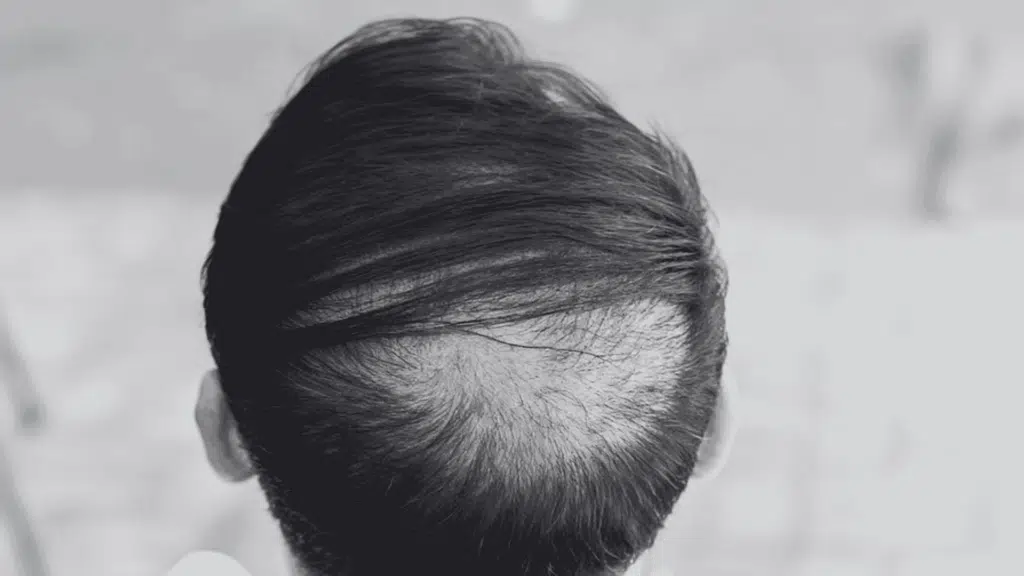
Yes, hard water can contribute to hair loss, though it’s rarely the only cause.
Mineral buildup weakens strands, causing increased breakage when you brush or wash, creating noticeable thinning over time.
Hard water clogs hair follicles. Preventing them from functioning properly, slowing growth, or causing premature shedding.
Scalp irritation from minerals, constant itching, inflammation, and dryness, weakens scalp health. Unhealthy scalps don’t support strong hair growth.
However, permanent hair loss usually stems from genetics, hormones, or medical conditions.
Impact of Hard Water on Your Hair
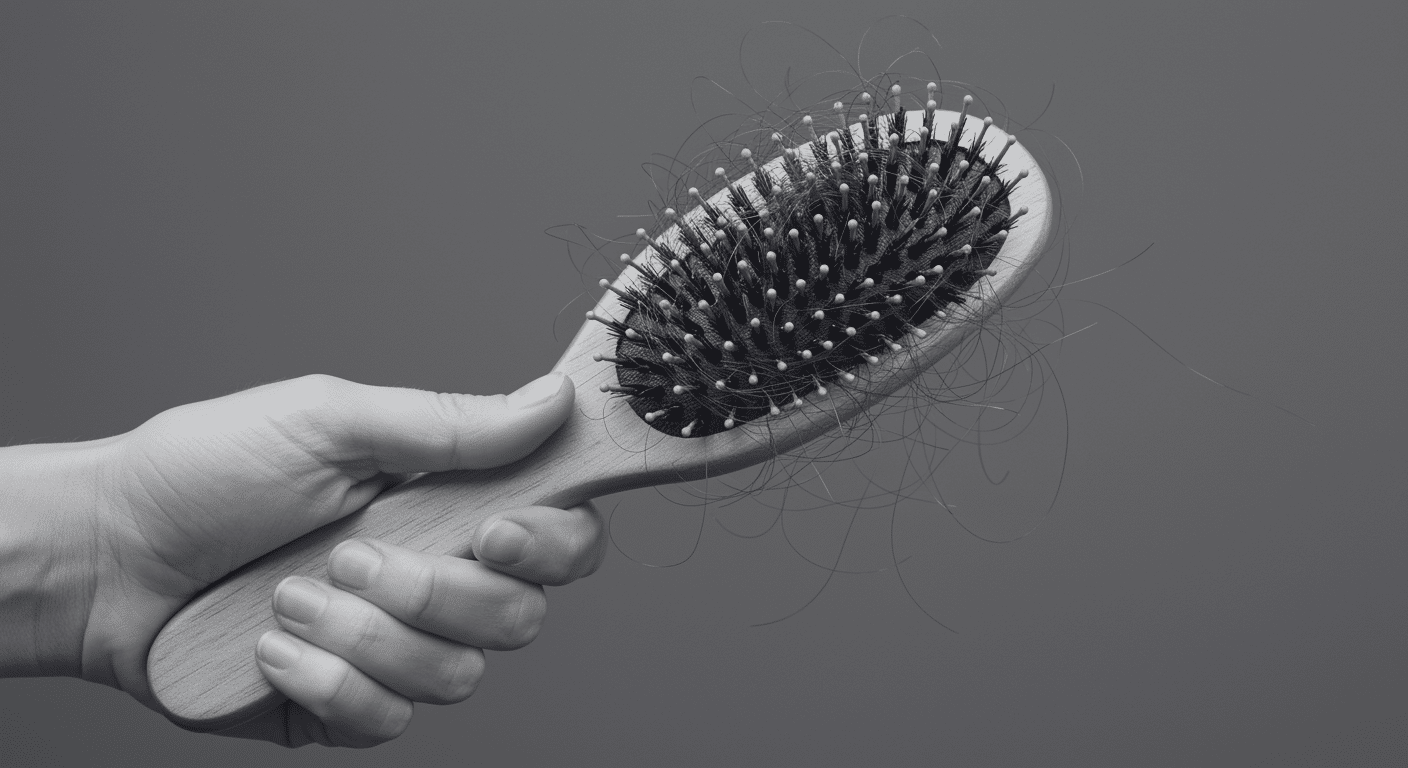
Hard water might seem harmless, but it affects your hair more than anything, like hair loss, dryness, breakage, dullness, and so on.
Mineral Buildup Creates a Harsh Coating
When hard water runs through your hair, calcium and magnesium don’t just rinse away. They cling to each strand, forming a coating that thickens with every wash.
Your Hair Texture Changes
Over time, mineral deposits change how your hair actually feels.
Strands become rough and brittle instead of smooth and flexible. Your hair won’t hold curls, and straightening takes forever.
Dryness That Won’t Go Away
Hard water creates a barrier against your hair.
This barrier prevents your hair from absorbing the hydration from your deep conditioners, leading to persistent dryness, increased dryness, and visible split ends.
Scalp Problems Get Worse
The same mineral coating that coats your hair also sits on your scalp, clogging pores.
Also, prevents natural oils from doing their job, leading to an itchy, flaky scalp. Hard water increases your scalp problems.
Tangling Becomes a Daily Battle
When your hair is coated in minerals, the cuticle, the outer protective layer, lifts instead of lying flat.
You’ll spend way more time detangling.
And, brushing becomes painful, causing breakage of your hair.
Impact of Soft Water on Your Hair
Soft water is like giving your hair a fresh start. Your hair behaves the way it’s supposed to.
Your Hair Can Breathe Again
Without mineral buildup blocking the way, your hair cuticles can actually absorb moisture and nutrients.
This means your hair gets properly hydrated from the inside out.
Natural Shine Makes a Comeback
Soft water allows your hair cuticles to lie flat and smooth. Your hair starts looking glossy and vibrant again without needing extra serums or shine sprays.
Less Frizz
It also helps your hair cuticles stay smooth and closed, which means less frizz because there’s nothing rough for humidity to grab onto.
Color Stays Vibrant Longer
Soft water is gentler on color-treated hair. Blondes stay bright without turning orange.
Brunettes maintain their depth and richness. Fashion colors like purple, blue, or red fade more gradually and evenly.
Healthier Scalp with Less Irritation
Itchiness and flaking decrease noticeably. Dandruff often improves or disappears completely.
People with sensitive skin or scalp conditions, such as eczema or psoriasis, often see dramatic improvements.
How to Protect Your Hair?
Protecting your hair starts with knowing what affects it every day, from your routine to the water you use.
Factors like hard water vs soft water hair can influence moisture, shine, and overall strength.
With the proper habits, you can keep your hair healthy, resilient, and easier to manage.
- Install a shower filter.
- Use chelating shampoo weekly.
- Rinse with filtered or bottled water.
- Deep condition regularly
- Use leave-in conditioner
- Protect your hair before swimming
- Switch to sulfate-free products
- Don’t wash your hair every day
Who Struggles the Most with Hard Water?
Here’s who faces the worst effects.
| Hair Type | Why Hard Water Hits Harder | What Happens |
|---|---|---|
| Curly and Coily Hair | Naturally drier hair with less moisture reaching down the strands | Curls lose definition and tangle excessively, leading to breakage |
| Low Porosity Hair | Tightly closed cuticles already struggle to absorb moisture | Minerals create a double barrier; nothing gets in, causing severe dryness and brittleness |
| Color-Treated Hair | Chemical treatments open cuticles, making hair porous and vulnerable | Minerals oxidize color, causing rapid fading, especially in blondes and fashion colors |
| Fine or Thin Hair | Delicate strands can’t handle extra stress | Minerals weigh hair down, making it flat, lifeless, greasy, and prone to easy breakage. |
| Long Hair | Older ends have more time to accumulate buildup | Extreme dryness and splitting at ends, making growth beyond a certain length nearly impossible |
| Sensitive Scalps | Already compromised skin barrier | Intensified itching, increased flaking, and irritation |
| Swimmers & Daily Washers | More frequent exposure to hard water | Each wash deposits more minerals; chlorine plus hard water creates severe dryness and damage. |
Conclusion
Hard water vs soft water hair, it’s not just about preference, it’s about protection.
People with curly, coily, color-treated, or low porosity hair will see the most dramatic results from these changes.
Start small if a whole-house system isn’t feasible. A shower filter, chelating shampoo, or even apple cider vinegar rinses can dramatically improve your hair’s condition.