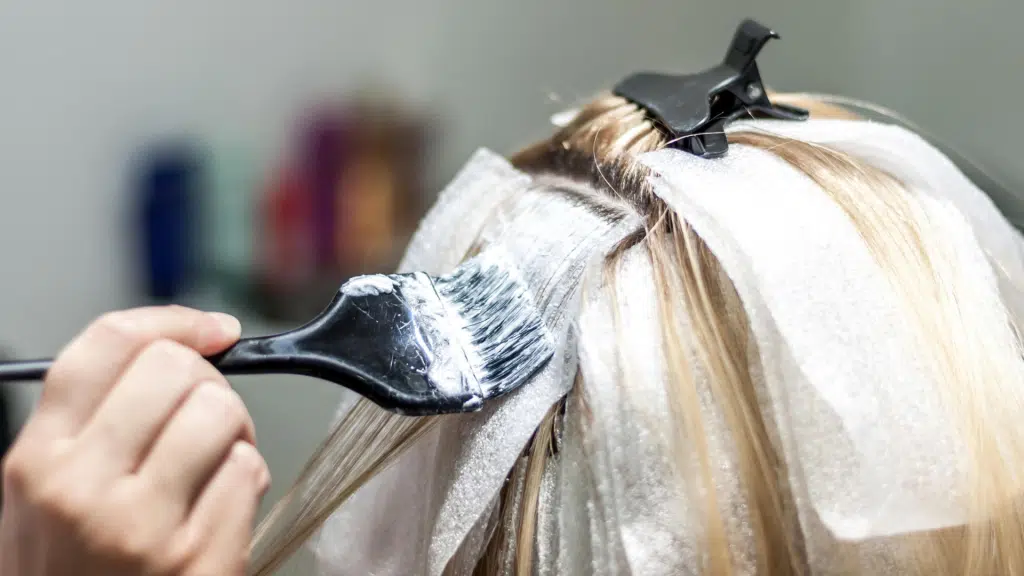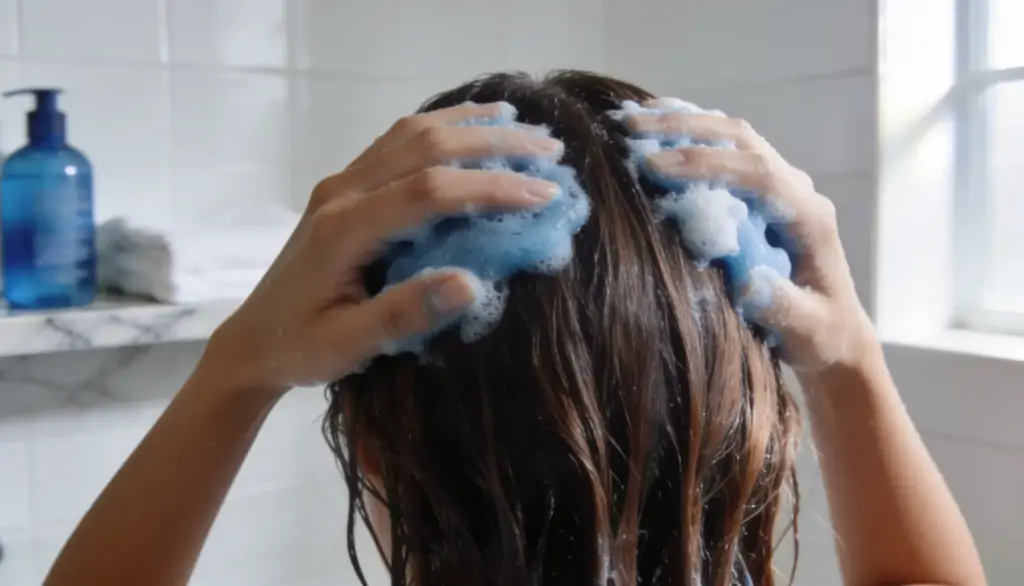


Hair color fades. Roots grow back. But does developer damage hair?
Many people worry about this. They see dry strands after coloring. They notice breakage. The damage feels real. And it is frustrating when you want beautiful, healthy hair.
The developer alone isn’t always the villain. The real story involves how much developer to use, what volume you pick, and how you apply it.
Yes, the developer opens your hair cuticle. But the damage often comes from using too much or choosing the wrong strength.
Knowing how much developer to use makes all the difference.
Let’s look at what actually happens to your hair.
What Exactly is Hair Developer and What Does it Do?
Hair developer is a liquid chemical that makes hair coloring possible.
It contains hydrogen peroxide as its main ingredient. You’ll find it in bottles marked with different volume numbers.
Without a developer, hair dye can’t do its job. Think of your hair like a locked room. The outer layer, called the cuticle, stays closed normally. The developer acts like a key that opens this layer.
Once opened, color molecules can enter your hair shaft. They settle inside and create the new color you want. The cuticle closes back up after rinsing, trapping the color inside.
But a developer does more than just open pathways. It also lightens your natural pigment.
The hydrogen peroxide breaks down melanin in your hair. This is why a developer alone can slightly lighten hair color.
Does Developer Damage Hair?

Yes, it can. And it does so in several ways.
The developer breaks down the protein bonds inside your hair. These bonds keep your hair strong. When they break, your hair gets weaker.
The damage depends on the volume you use. Higher volumes mean more hydrogen peroxide. More peroxide means more damage.
A developer harms your hair by drying out the moisture from your hair, as it weakens your hair cuticle and thins the shaft of the hair, making the hair appear damaged.
Choosing the Right Developer Strength
Developer comes in different strengths measured in volumes. The number tells you how much lift you’ll get.
Here’s what each volume does:
| Developer Volume | Lifting Power | Best Used For | Damage Level | Results |
|---|---|---|---|---|
| 10 Volume | Minimal to none | Grey coverage, going darker, depositing color | Minimal | Hair stays close to its natural shade, with a subtle change |
| 20 Volume | 1-2 shades lighter | Regular at-home coloring, standard dyeing | Moderate | Most common choice, balances results with safety |
| 30 Volume | 2-3 shades lighter | Lightening dark hair, achieving lighter colors | High | Noticeable dryness, more serious damage |
| 40 Volume | 3-4 shades lighter | Bleaching, major lightning | Very High | Extremely harsh, risk of breakage if used incorrectly |
When people ask how much developer to use, 20 volumes usually works best for regular dyeing. Choose your volume based on your natural color and desired results.
How to Mix Bleach and Developer in the Right Amount?
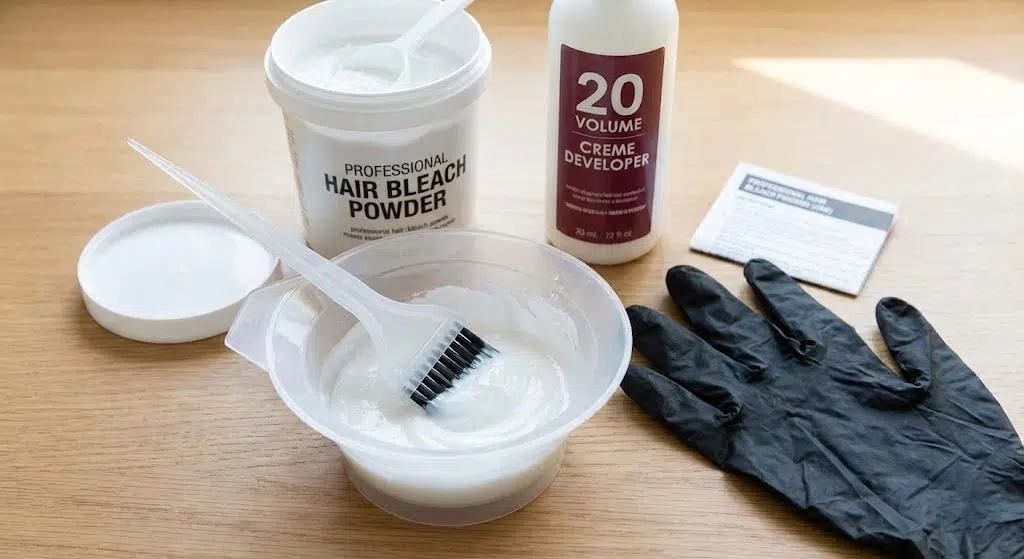
Getting the mixture right matters a lot. Too much bleach makes a dry paste. Too much developer makes it weak and runny.
The Standard Ratio for most bleach products is 1:2. That means one part bleach powder to two parts developer. Always check your product instructions first, though.
The Right Consistency for your mixture should look like thick yogurt. Not soupy. Not stiff. Use a plastic or glass bowl, never metal.
Figuring out how much developer to use depends on your goals.
Mix thoroughly until smooth. Use it right away. Once mixed, bleach starts working immediately, and its effectiveness decreases over time.
Getting the amounts right protects your hair from unnecessary damage.
Developer Mistakes That Damage Your Hair
Many people make simple mistakes with a developer. These mistakes lead to disappointing hair. Let’s look at what goes wrong most often.
Using Too Much Developer
Some think more developers means better color. It doesn’t. The correct ratio is usually 1:1 for dye and developer. Adding extra dilutes your color and dries out your hair. Stick to the measurements on the box.
Picking the Wrong Volume
People grab 40 volumes when they only need 20. They assume stronger is better. But higher volumes cause more damage without improving results. Choose the lowest volume that achieves your goal.
Leaving It On Too Long
Instructions give processing times for a reason. Extra time doesn’t create extra color. It just harms your hair structure more. Set a timer and rinse when it goes off.
Using an Old or Expired Developer
That bottle from two years ago won’t work correctly. Hydrogen peroxide loses strength over time. An old developer might seem weak, so you use more. This creates unpredictable results and potential damage.
Applying to Wet Hair
A developer with wet hair dilutes the mixture. It also makes the chemical penetrate faster and deeper. This increases damage. Always apply to dry, unwashed hair instead.
Tips for Applying Your Hair Color Safely
- Do a strand test first: Pick a small hidden section. Test the mixture there. This prevents nasty surprises on your whole head.
- Mix the right amounts: Most colors need equal parts dye and developer. Measure carefully. Guessing how many developers to color causes problems.
- Use the lowest volume that works: Don’t grab 40 40-volume when a 20-volume will do the job. Less strength means less damage.
- Set a timer: Follow the recommended processing time exactly. Not longer. Extra time harms your hair without better results.
- Apply to unwashed hair: Your natural oils protect your scalp and strands. Wash your hair a day or two before coloring.
- Deep condition after: Your hair needs moisture back. Use a treatment every time you color. This helps repair some damage.
- Wait between sessions: Give your hair time to recover. Most stylists recommend waiting 4 to 6 weeks. Coloring too often multiplies the damage.
Final Thoughts
So, does developer damage hair? Yes, it does. But that doesn’t mean you should avoid coloring altogether.
The key is using it smartly. Pick the right volume for your needs. Measure how much a developer uses correctly.
Follow processing times. And give your hair breaks between coloring sessions.
Want healthier, colored hair? Start with deep conditioning treatments. Use lower volumes when possible. And remember that beautiful color doesn’t require destroying your strands.
Your hair can be both colored and healthy. It just takes the right approach.