

Hair that feels dry even after conditioning usually has a damaged cuticle layer that can no longer hold moisture. And hydrating it without addressing this will only give you temporary results.
With so many options out there, it’s hard to know what actually works for your hair.
This blog might help you.
It breaks down the best deep conditioners for every hair type, so you can finally stop guessing and start seeing real results.
What Makes a Deep Conditioner “The Best”?
Not every deep conditioner is worth your money. The best ones share a few key traits that actually make a difference.
Here’s what to look for:
- Ingredients: Look for proteins, natural oils, and humectants like glycerin.
- Moisture retention: It should keep hair hydrated for days, not hours.
- Penetration: The formula needs to get past the outer layer and work from within.
- Hair type match: What works for fine hair won’t work for thick, coily hair.
The right product checks all these boxes.
A good deep conditioner does not contain any sulfates and harsh chemicals that strip moisture.
How to Figure Out What Your Hair Needs?
Before you buy any deep conditioner, run your fingers through it.
If it’s dry, frizzy hair that tangles easily, it’s asking for moisture. If it feels limp, mushy, or overstretched when wet, it’s usually low in protein.
And if your hair feels both rough and weak at the same time, it likely needs a balance of both.
Start simple. You can try a moisture-focused deep conditioner for two to three wash days and see how your hair responds.
If it improves, stick with it. If it still feels weak or limp, introduce a light protein treatment. Let your hair tell you, not the trends.
Benefits of Deep Conditioning Your Hair
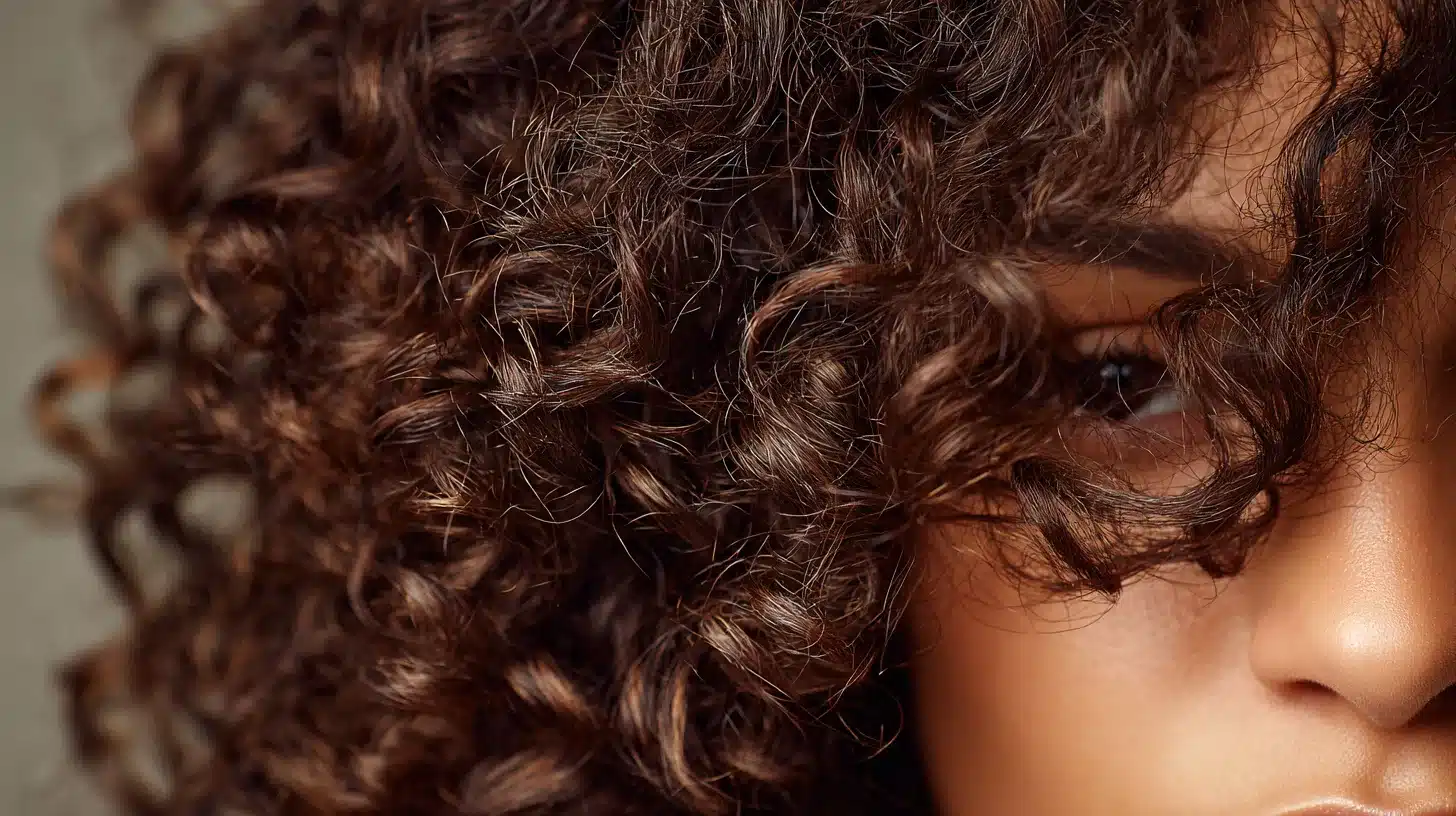
Deep conditioning does more than make your hair feel soft. The right routine can change the overall health of your hair over time.
Reduces Hair Damage
Deep conditioning reinforces weakened strands caused by heat or chemicals.
It fills gaps along the hair shaft, reducing the likelihood of snapping or splitting.
Regular use can noticeably reduce breakage over time.
Strengthens and Boosts Hair Shine
A good deep conditioner improves elasticity, which means your hair can stretch a little without breaking.
It also helps restore the internal structure of each strand, making hair feel more resilient and less fragile. This gives hair a healthy shine, too.
Deep conditioners smooth the cuticle layer, which directly improves how your hair reflects light.
Shields Hair From Environmental Damage
Sun, wind, pollution, and humidity all wear hair down over time.
A deep conditioner adds a layer of protection against these outside factors.
Someone who conditions regularly will notice their hair holds up much better through changing weather and seasons.
Hydrates Your Hair
Moisture loss is one of the main reasons hair feels rough, tangled, or dull.
Deep conditioners replenish that lost moisture and make hair easier to manage, detangle, and style.
How to Choose the Best Deep Conditioner for Your Hair
The right deep conditioner starts with one simple step: knowing your hair.
Once you understand your hair type and what it needs, the rest becomes much easier.
1. Fine Hair
Fine hair tends to weigh down easily. Look for lightweight hydration, such as water-based formulas with humectants.
Avoid heavy oils and butters, as they can make fine hair limp and greasy.
Pantene Pro-V Aqua Light Deep Conditioning Mask
A water-based formula that hydrates fine hair without weighing it down.
It contains glycerin to attract moisture while keeping each strand light and full of body.
OGX Weightless Hydration + Coconut Water Conditioner
This lightweight option uses coconut water instead of heavy oils. It adds just enough moisture to fine strands without leaving greasy residue.
2. Thick or Coarse Hair
Thick hair needs rich moisture to soften and penetrate each strand. Look for creamy, butter-based formulas.
Coarse hair also benefits from a longer processing time, so leave it on for at least 20-30 minutes.
SheaMoisture Manuka Honey and Mafura Oil Intensive Hydration Masque
A thick, butter-based mask packed with manuka honey and natural oils.
It softens coarse strands and works best when left on for at least 20-30 minutes under a heat cap.
Aussie 3 Minute Miracle Moist Deep Conditioner
A creamy, fast-absorbing formula that softens thick hair quickly. The rich texture penetrates coarse strands, leaving hair feeling smooth and manageable after every wash.
3. Curly Hair
Curly hair needs slip for easy detangling and support for elasticity to keep curls bouncy.
Look for humectant-rich formulas that attract moisture from the air, like those containing glycerin or aloe vera.
Cantu Shea Butter Deep Treatment Masque
This curl-friendly formula is loaded with shea butter and aloe vera.
It adds serious slip for easy detangling and helps curls stay defined, bouncy, and moisturized between wash days.
DevaCurl Melt Into Moisture Matcha Butter Conditioning Mask
Specifically created for curly hair, this mask uses matcha butter and glycerin to restore elasticity. It leaves curls soft, springy, and much easier to style without frizz.
4. Color-Treated Hair
Color-treated hair needs bond-repair ingredients, such as hydrolyzed proteins or bond builders.
Always choose sulfate-free formulas to protect your color and prevent it from fading faster.
Olaplex No. 5 Bond Maintenance Conditioner
One of the most well-known bond-repair conditioners available.
It rebuilds broken bonds caused by color services while keeping hair soft, smooth, and hydrated without stripping your color.
Redken Color Extend Magnetics Deep Attraction Mask
A sulfate-free mask designed specifically for color-treated hair.
It uses amino acid technology to preserve color vibrancy, restore moisture, and reduce breakage between salon visits.
5. Bleached Hair
Bleaching removes both color and protein from the hair.
Bleached hair needs a careful balance of protein to rebuild strength and moisture, preventing strands from feeling dry and brittle.
Olaplex No. 8 Bond Intense Moisture Mask
This mask combines bond repair with intense moisture in one step.
It’s especially effective for bleached hair that feels dry and weak, restoring softness and strength at the same time.
Schwarzkopf Blondme All Blondes Rich Mask
Formulated for bleached and blonde hair, this rich mask replenishes lost protein and moisture.
It strengthens fragile strands and reduces the brittleness that often follows bleaching or lightening services.
6. Natural Hair
Natural hair, especially tightly coiled textures, needs intense hydration.
Look for products that layer moisture with sealing oils so the hydration actually stays in the hair shaft.
SheaMoisture Raw Shea Butter Deep Treatment Masque
A fan favorite for natural hair.
This thick, oil-rich formula layers moisture deep into coiled strands and seals it in with raw shea butter, leaving hair soft, defined, and well-nourished.
Mielle Organics Babassu Oil and Mint Deep Conditioner
This formula uses babassu oil and mint to hydrate tightly coiled hair while keeping the scalp refreshed. It softens natural hair without buildup and works well as a weekly treatment.
Camille Rose Naturals Algae Renew Deep Conditioning Mask
Made with blue-green algae and honey, this mask gives natural hair a serious hydration boost.
It improves softness and adds shine while supporting the strength of each coil and curl.
Protein vs. Moisture Balance
Getting this balance right is the most important part of choosing a deep conditioner. Use this table to figure out the needs of your hair.
| Hair Sign | Needs Protein | Needs Moisture |
|---|---|---|
| How It Feels | Limp or mushy when wet | Rough, stiff, or brittle |
| How It Stretches | Stretches too much and doesn’t spring back | Snaps easily with very little stretch |
| How It Looks | Flat and lacks structure | Dull with lots of frizz and tangles |
| Risk of Too Much | Hair feels hard and breaks easily | Hair feels weak and overly stretchy |
Your hair needs both, just in the right amounts for your specific type.
A simple stretch test tells you a lot; take a wet strand and gently pull it. Healthy hair stretches about 30% before snapping back
What Happens When There’s Protein Overload in Your Hair
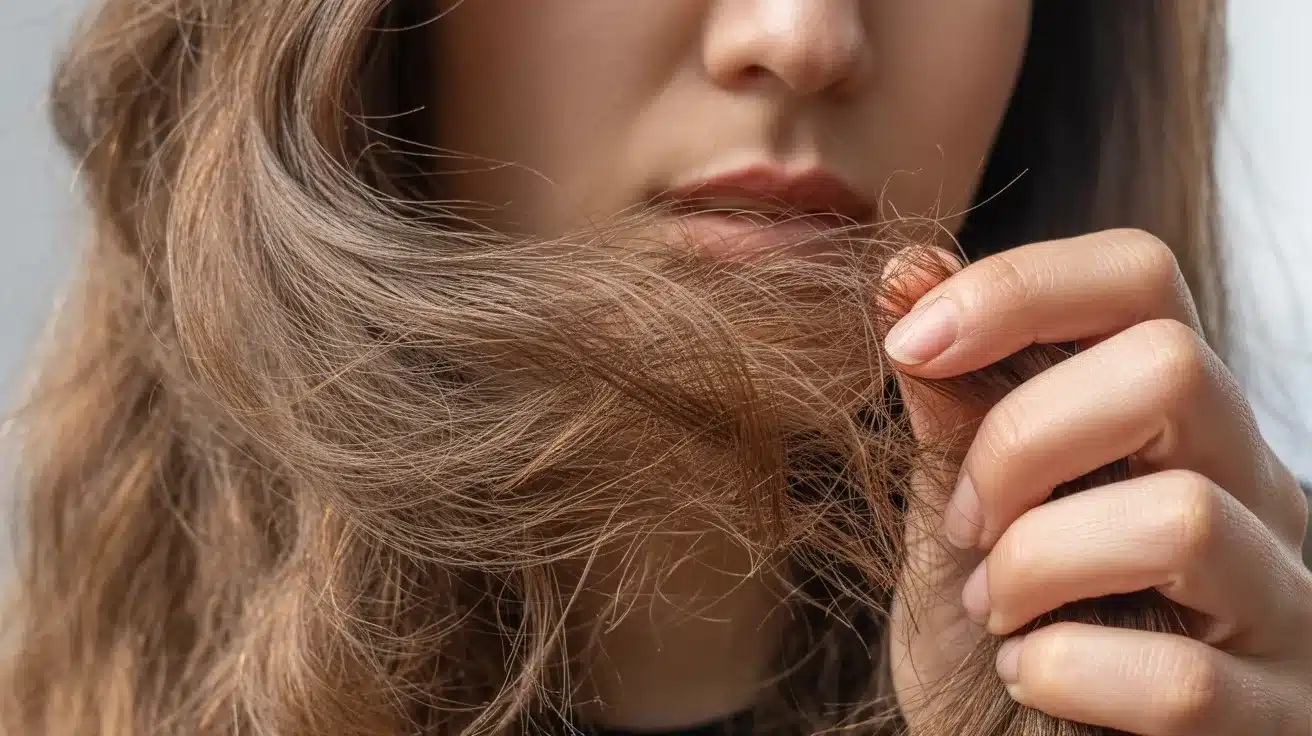
Protein is good for your hair, but too much causes problems. When protein builds up, strands become stiff and lose flexibility; instead of stretching, hair snaps.
To fix it, stop all protein treatments. Switch to a moisture-focused deep conditioner with glycerin, aloe vera, or shea butter.
Use a clarifying shampoo to remove buildup and avoid keratin, silk protein, and wheat protein until your hair feels soft again.
Many people notice a difference within two to four weeks.
Know Your Deep Conditioner Ingredient List
Not all deep conditioners are created equal. Knowing what’s inside your product helps you choose smarter and get real, lasting results.
Ingredients to Look For
Deep conditioners work best when they contain ingredients that truly penetrate and restore your hair.
| Ingredient | What It Does | Best For |
|---|---|---|
| Shea Butter | Moisturizes and seals the cuticle | Dry, coarse, curly hair |
| Hydrolyzed Keratin | Repairs protein bonds, restores strength | Damaged or chemically treated hair |
| Argan Oil | Smooths frizz, boosts softness | Brittle or color-treated hair |
| Aloe Vera | Hydrates and balances scalp pH | Fine or sensitive scalp hair |
| Glycerin | Draws moisture into the hair shaft | All hair types |
Glycerin works best in humid climates. In very dry or cold weather, it can pull moisture out of the hair instead of the air. Apply a sealant on top to prevent moisture loss.
Ingredients to Avoid
Just as important as knowing what to look for is knowing what to avoid. These ingredients can do more harm than good:
| Ingredient | Why Avoid It |
|---|---|
| SD Alcohol / Isopropyl Alcohol | Dries out the hair shaft and strips moisture fast |
| Sulfates (SLS, SLES) | Too harsh for deep conditioning. Strips natural oils from the hair |
| Mineral Oil | Sits on top of the hair and blocks moisture from getting in |
| Parabens | Linked to scalp irritation and can disrupt the hair growth cycle |
| Synthetic Fragrance | Can cause scalp sensitivity and dryness with regular use |
| Polyethylene Glycol (PEG) | Strips moisture over time and can weaken already damaged hair |
Your Shampoo Routine with Deep Conditioner
Knowing which deep conditioner to use is only half the battle. How and when you use it matters just as much.
Follow these steps on every wash day for the best results.
Step 1: Shampoo First
Shampoo your hair thoroughly and rinse it out completely.
You can use lukewarm water to open cuticles while shampooing, which helps in cleaning the hair throughout.
Applying deep conditioner to dirty hair causes product buildup and oils block the conditioner from absorbing, always shampoo first.
Step 2: Squeeze Out Excess Water
After rinsing, gently squeeze your hair with your hands or a microfiber towel. Your hair should feel damp, not soaking wet.
Too much water dilutes the conditioner, reducing its effectiveness.
Step 3: Section Your Hair
Divide your hair into four sections before applying.
This ensures every strand is covered evenly and nothing is missed, especially at the back.
Step 4: Apply from Mid-Length to Ends
Work the deep conditioner through each section, starting at the mid-lengths and finishing at the ends.
These are the driest and most damaged parts of your hair. Keep it away from your roots.
Step 5: Cover and Wait
Put on a shower cap once the product is fully applied. Leave it on for 20 to 30 minutes. If you have a heat cap, use it.
Gentle warmth helps the ingredients absorb deeper into the hair shaft.
Over-conditioning can make hair feel limp and mushy. More time doesn’t always mean better results.
Step 6: Rinse with Cool Water
Rinse thoroughly with cool water.
Cool water closes the hair cuticle, locking in moisture and leaving your hair feeling smooth.
Step 7: Follow Up
After rinsing, apply a leave-in conditioner while your hair is still damp. Seal it with a light oil if your hair tends to dry out quickly.
This keeps the moisture in for longer.
If you use a lot of styling products, buildup can stop deep conditioners from working at all. Clarify every few weeks to reset.
Treatment vs Mask vs Deep Conditioner vs Bond repair
These terms are often used interchangeably, but they’re not the same thing.
| Product | What It Does | Best Used For | How Often |
|---|---|---|---|
| Deep Conditioner | Adds moisture and improves softness | All hair types, general upkeep | Weekly or biweekly |
| Hair Mask | Thicker and more concentrated than a deep conditioner | Intense moisture or repair sessions | As needed |
| Protein Treatment | Rebuilds and strengthens hair structure | Limp, weak, or over-stretched hair | Once or twice a month |
| Bond Repair Treatment | Fixes broken internal bonds inside the hair shaft | Bleached or heavily chemically processed hair | Alongside color services or when damage is severe |
Use each one based on what your hair actually needs at that time, not on a fixed schedule.
Conclusion
Your hair is not like anyone else’s. So stop chasing what works for someone else’s hair and start paying attention to your own.
The best deep conditioners are not about price tags or popular picks.
They are about what your specific hair type actually needs. Once you understand that, choosing the right product gets a lot easier.
Give your hair what it is asking for, and it will show you the results.
Frequently Asked Questions (FAQs)
1. Can I Deep Condition After a Relaxer?
Yes, and you should. It restores moisture and reduces breakage after a relaxer changes your hair’s internal structure.
2. What is the Best Home Remedy for Dry Hair?
Coconut oil or shea butter. Apply from mid-length to ends, wait 20 to 30 minutes, then rinse.
3. What Conditioners Do Hairdressers Use?
Professional brands like Olaplex, Redken, and Wella. These are stronger and more concentrated than store-bought options.