
Hair loss can feel devastating. Most people have tried shampoos, supplements, and maybe even considered expensive transplants.
But what if there was a treatment that uses one’s own blood to regrow hair naturally? PRF hair restoration is changing how people think about hair loss solutions.
This innovative approach works with the body’s healing process, not against it. The best part? It’s minimally invasive and uses no foreign substances. Just blood, processed and injected back into the scalp to wake up sleeping hair follicles.
Ready to learn how PRF hair restoration could transform hair and confidence? Let’s explore the benefits worth considering.
What is PRF Hair Restoration?
PRF hair restoration is a natural treatment that uses your own blood to help regrow hair.
Many people are turning to this method because it works with your body’s healing process. People find it fascinating how this treatment can help people get their confidence back.
Understanding PRF (Platelet-Rich Fibrin)
PRF stands for Platelet-Rich Fibrin. It’s a second-generation blood treatment that’s similar to PRP but works better. The main difference is that PRF has a fibrin matrix. This matrix acts like a slow-release system for growth factors.
These growth factors include PDGF, VEGF, and TGF-β. They help stimulate hair follicles and promote new hair growth. PRF is nature’s own hair growth formula.
How is it Prepared?
The preparation process is simple but important. First, doctors draw your blood into special tubes. Then they spin it in a centrifuge at lower speeds than PRP. This gentle spinning keeps more good stuff in your blood.
Unlike PRP, they don’t add any chemicals or anticoagulants. This means they preserve more platelets, white blood cells, and fibrin gel. The result is a richer, more natural treatment for your scalp.
What Happens During PRF Treatment
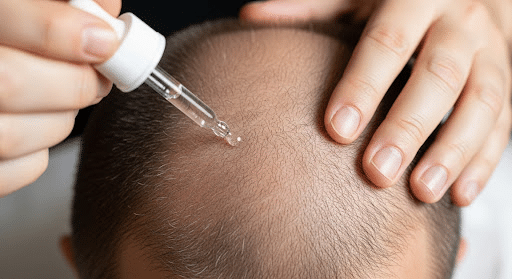
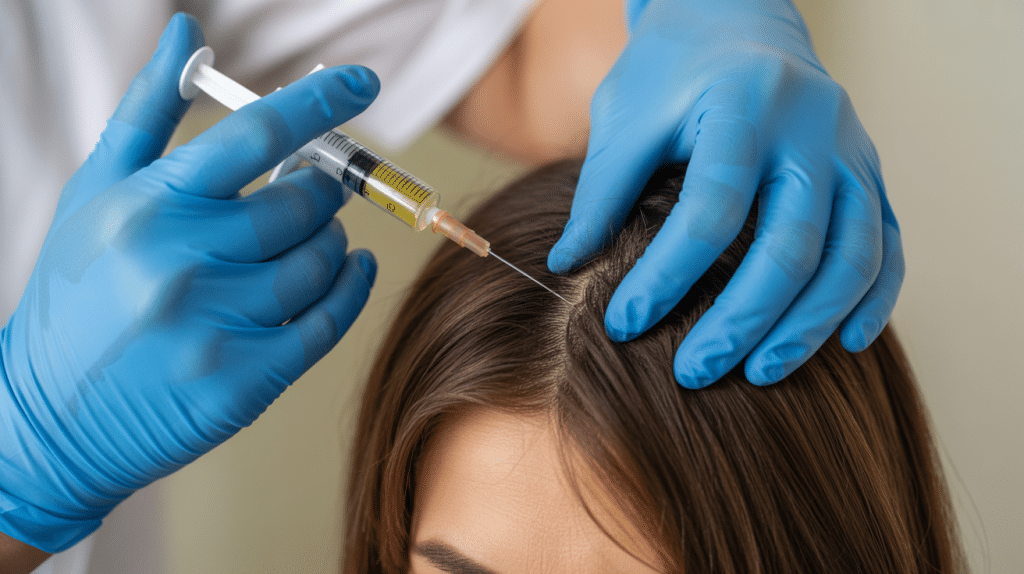
The actual treatment is straightforward. Doctors inject the PRF gel directly into areas of your scalp where hair is thinning. The gel hardens right after injection. This creates a framework that slowly releases growth factors.
This slow release happens over several months. It means your hair follicles get a steady supply of nutrients. Most people need multiple sessions to see the best results.
How Does PRF Hair Restoration Work?
PRF works through several key mechanisms to restore your hair:
1. Follicle Activation: PRF wakes up sleeping hair follicles on your scalp. The growth factors act like tiny messengers telling your follicles to start growing hair again.
2. Improved Blood Flow: This process enhances blood circulation to your scalp. Better blood flow means more nutrients reach your hair roots for optimal growth.
3. Sustained Release System: The fibrin matrix in PRF stays active for months. Think of it as a slow-release vitamin for your hair that keeps working between treatments.
4. Long-lasting Benefits: This extended effect helps your follicles grow thicker, stronger hair over time. Results continue improving even after your session ends.
5. Natural Healing Process: The whole process works with your body’s natural healing ability. Your own blood becomes the treatment, meaning fewer side effects and better acceptance by your immune system.
3 Month PRP Process for Hair Loss
Three months mark an important milestone in hair restoration treatment. This is when most people start seeing real changes in their hair.
What to Expect After the First Session
The first few weeks after your initial treatment bring subtle but encouraging changes. Most patients notice reduced hair shedding within 2 to 4 weeks. You might find fewer hairs on your pillow or in the shower drain.
Early regrowth signs are often hard to spot at first. Your scalp health typically improves before you see new hair growth. The scalp may feel less itchy or irritated. Some people notice their existing hair looks shinier or feels stronger.
These early changes are your hair follicles responding to the growth factors. While you can’t see dramatic results yet, important healing is happening beneath your scalp.
Visible Results After 3 Months
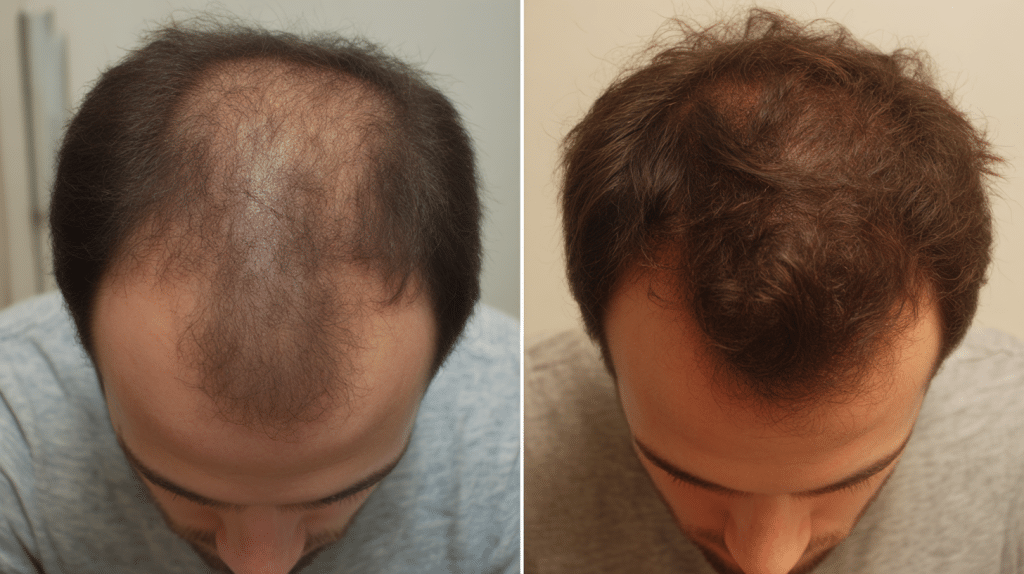
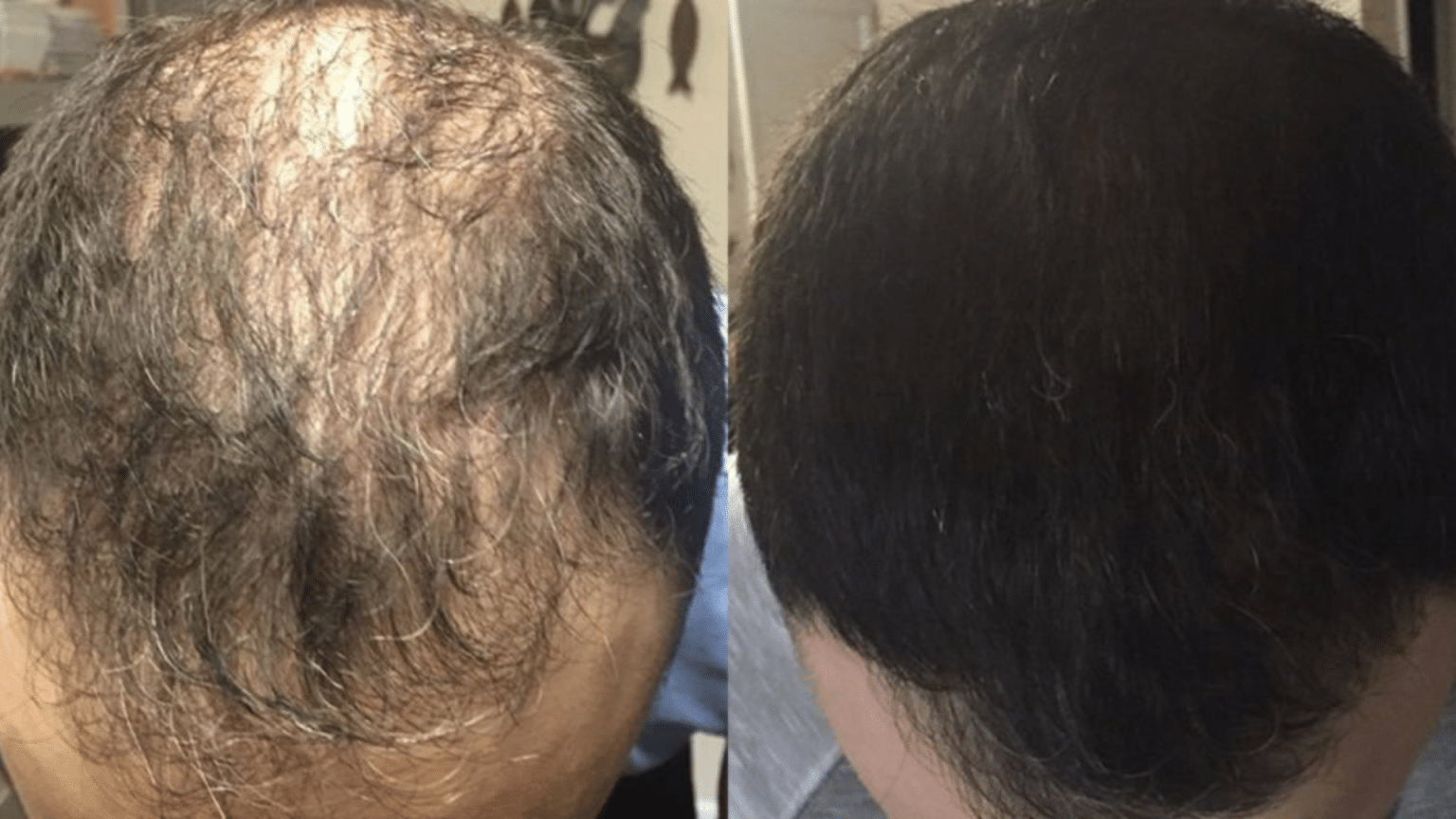
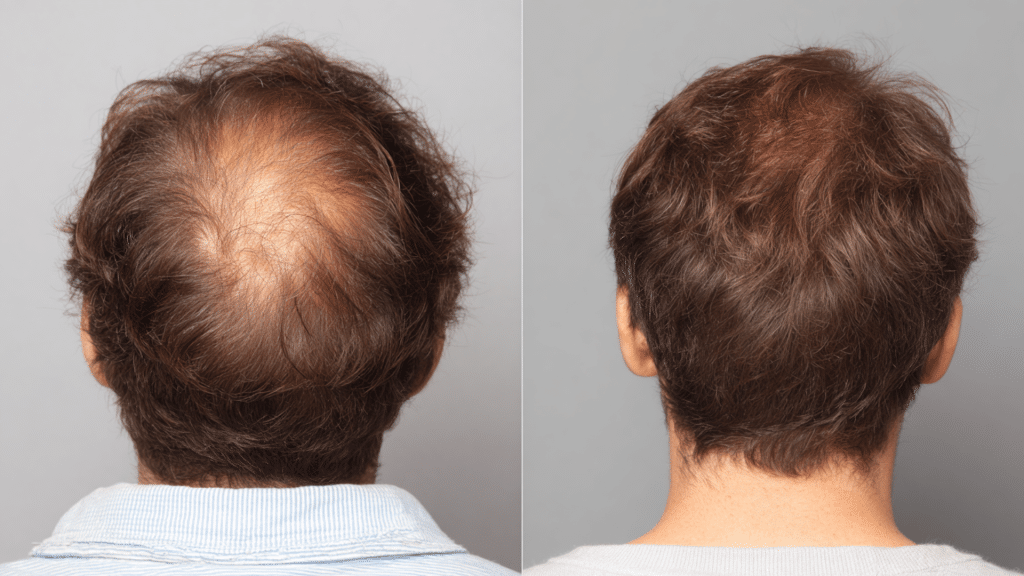
Clinical studies consistently show increased hair thickness and density at this point. Patient photos often reveal noticeable improvements that weren’t visible earlier.
Hair that was thin and weak starts looking fuller and stronger. Areas that were completely bald may show fine new hair growth. The overall appearance of your hair improves significantly.
Regular PRP sessions during these three months are crucial for these results. Skipping treatments can delay or reduce the improvements you see.
Comparing PRP and PRF Results at 3 Months
Both treatments show similar improvements at the 3-month mark in most studies. Some research suggests PRF may produce slightly stronger results due to its slow-release growth factors. However, the differences are often small.
PRP has more extensive research backing its 3-month results. Years of studies showing what to expect. PRF research is newer but shows promising similar outcomes.
The choice between treatments often comes down to personal preference and availability. Both can deliver meaningful improvements by the 3-month milestone when used consistently according to treatment protocols.
Before and After
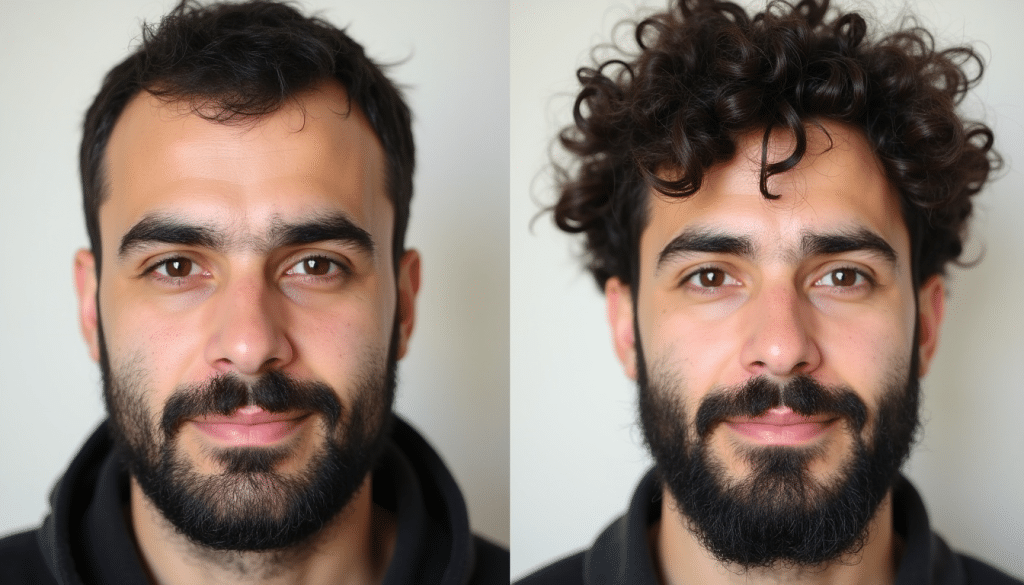
Several important factors determine how well PRF works for you. Understanding these helps set realistic expectations:
- Number of Sessions: More sessions generally mean better results. Following your doctor’s recommended schedule is crucial.
- Injection Technique: Proper depth and spacing of injections affect how well the treatment works.
- Hair Loss Stage: Earlier stages of hair loss typically respond better than advanced thinning.
- Overall Health: Good nutrition and general health support better healing and hair growth.
- Quality Standards: Premium technique and sterile protocols prevent complications like infection or scarring.
Your age, genetics, and lifestyle also play roles in treatment success. Working with an experienced provider who uses proper techniques gives you the best chance for good results.
Difference Between PRF vs. PRP
Many people ask about the difference between PRF and PRP. Both treatments use your blood to help hair growth. However, they work in different ways.
Understanding these differences helps you choose the right treatment for your needs.
Composition and Biological Behavior
PRP (Platelet-Rich Plasma): This treatment uses concentrated platelets mixed in plasma. Doctors spin your blood at high speeds to separate the platelets. Many clinics add anticoagulants to keep the blood from clotting. PRP releases growth factors quickly once injected. This gives your hair follicles a fast boost of healing nutrients.
PRF (Platelet-Rich Fibrin): This newer method keeps more of your blood’s natural components. PRF contains platelets, white blood cells, and a fibrin scaffold. We use slower spinning speeds without adding chemicals. The fibrin acts like a mesh that slowly releases growth factors over months. This makes PRF richer in healing elements.
Practical Treatment Differences
Here’s a comprehensive comparison covering research evidence and practical aspects of both treatments:
| Aspect | PRP | PRF |
|---|---|---|
| Hair Loss Studies | Strong evidence for androgenetic alopecia treatment | Early trials show similar results to PRP |
| Hair Density Results | Proven increases in hair density and thickness | Similar improvements after 3 months in small studies |
| Statistical Significance | Consistently significant results in larger studies | Results are not always statistically significant yet |
| Expert Consensus | Well-accepted standard treatment | Cautious optimism- more robust data needed |
| Cost | Generally less expensive | May be more expensive due to novelty |
| Availability | Widely available at most clinics | Less widely available, newer technology |
| Clinical Preference | Go-to choice based on established evidence | Better for those wanting longer-lasting effects |
This comparison shows that both treatments work well for hair restoration. Your choice depends on your budget, time availability, and preference for established versus newer technology.
Why PRF Might Matter to You Scientifically
The science behind PRF makes it an interesting option for hair restoration. Understanding these scientific advantages helps you make better decisions about your hair care.
Longer Growth Factor Activity: The fibrin scaffold in PRF acts like a time-release system. Unlike PRP, which releases growth factors quickly, PRF keeps working for months. This means your hair follicles get steady nutrition over a longer period.
Comprehensive Regenerative Profile: PRF contains more than just platelets. You get white blood cells and stem-like cells, too. This combination creates a richer healing environment for your scalp. Think of it as a complete repair kit rather than just one tool.
Convenience & Efficiency: PRF treatments are more convenient than PRP in many ways. You need fewer sessions overall, which means less time at the clinic. Each treatment also uses less blood volume, making the process easier on you.
Emerging Evidence: Early research studies show encouraging results for PRF hair restoration. Patients see improvements in hair density and thickness. However, we’re still waiting for larger clinical trials to confirm these benefits.
Consider Treatment Goals & Research Base: while PRF shows Promise, PRP still Has Stronger Scientific Evidence Behind It. The best Approach Is to Discuss Both Options with A Hair Restoration Specialist. They Can Help You Pick What Fits Your Specific Needs and Goals Best.
Conclusion
This treatment offers a natural way to fight hair loss using the body’s own healing power. We’ve covered how PRF works differently from PRP, what results patients can expect, and why the science looks promising.
PRF hair restoration might be worth considering for those wanting longer-lasting growth factor release and fewer treatment sessions. But remember, PRP still has stronger research backing right now.
Patients should talk to a qualified hair restoration specialist about both options. Specialists can assess individual situations and help people decide what’s best. Whether someone chooses PRF or PRP, consistency is crucial for good results.