
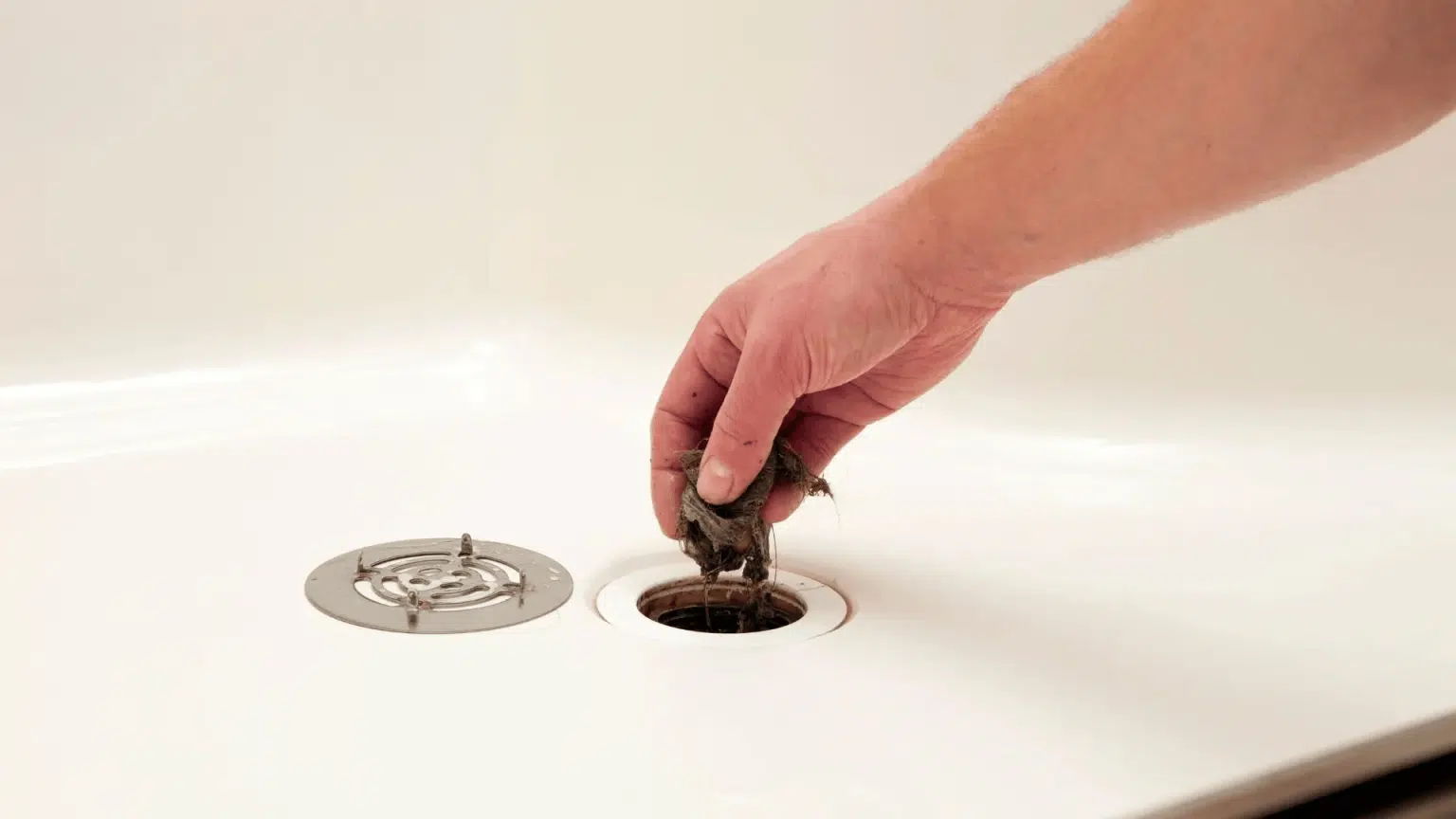
You step out of the shower and see clumps of hair swirling down the drain. Your heart sinks. Is this normal hair loss in shower? or how much hair is normal to lose in the shower?
Here’s the truth: losing hair in the shower is completely normal for everyone. Most people shed 50-100 strands daily, and you notice it more in the shower because water clumps the hair together.
This guide will show you exactly how much shedding is normal, when to worry, and simple ways to keep your hair healthy.
You’ll learn to distinguish between regular shedding and actual hair loss issues.
How Much Hair Loss Is Normal in the Shower?
Finding hair falling out in shower. But losing hair while washing is completely normal. Most people lose between 50 to 100 hairs every day. Some people with thick hair might lose up to 150 hairs daily.
You notice more normal hair loss in shower because water makes loose hairs clump together. When you wash and massage your scalp, hairs that were already ready to fall out get released all at once. This makes it look like you’re losing more hair than you actually are.
If you have long hair, the strands look more dramatic in the drain. Thick hair also creates bigger clumps. Short hair might not be as noticeable, but you’re still losing the same amount.
Remember, this daily shedding is your hair’s natural way of making room for new growth.
Why You Might Notice More Hair in the Shower
Your hair follows a natural growth cycle. Each strand grows for a few years, then enters a resting phase before falling out. About 10% of your hair is always in this resting phase, ready to shed.
When you shampoo, the massaging motion helps release these loose hairs. Rinsing and combing also pull out strands that were barely hanging on. Think of it like shaking a tree – the leaves ready to fall will come down easily.
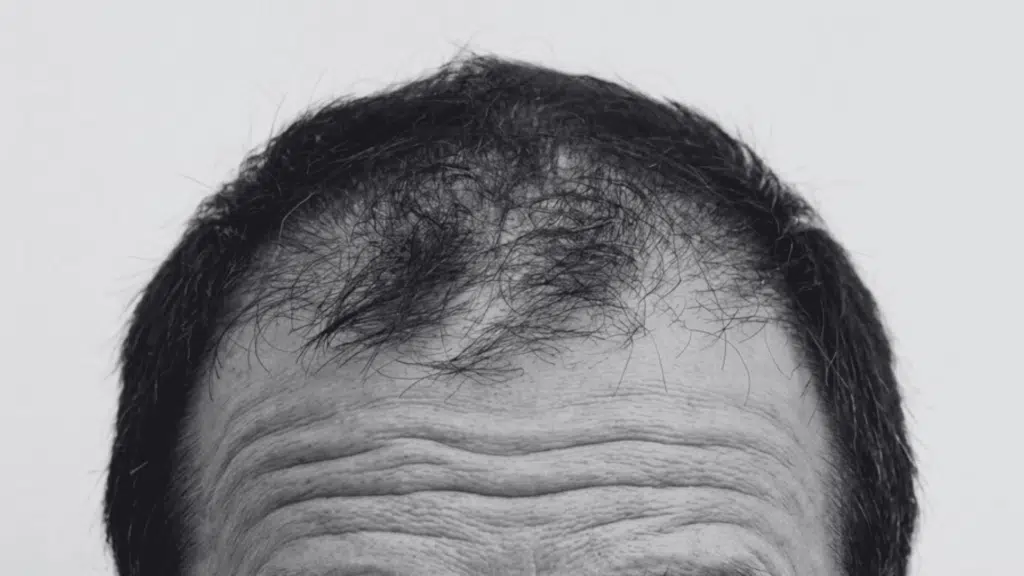
This is different from actual hair loss. Normal shedding means new hairs grow back in the same spots. Real hair loss happens when follicles stop producing new hair completely. You might notice bald patches or thinning areas that don’t fill back in.
The shower just collects all the hairs you would have lost throughout the day anyway.
When Hair Loss in the Shower Could Be a Sign of a Problem
Sometimes shower hair loss goes beyond normal shedding. If you notice much more hair than usual, it might signal a condition called telogen effluvium.
This happens when your hair cycle gets disrupted, pushing more hairs into the shedding phase at once.
Here are common triggers that can cause extra hair loss:
- Stress – Both physical and emotional stress can shock your hair follicles into early shedding
- Recent illness – Fever, infections, or surgery can trigger hair loss 2-3 months later
- Diet changes – Sudden weight loss, crash diets, or not getting enough protein and vitamins
- Hormonal shifts – Pregnancy, menopause, thyroid problems, or stopping birth control
- Medications – Blood thinners, antidepressants, and some other drugs can cause shedding
- Post-COVID effects – Many people experience hair loss weeks or months after having COVID-19
The good news is that telogen effluvium is usually temporary. Once you address the trigger, your hair typically grows back within 6-12 months. However, if you’re losing clumps of hair or notice bald spots, it’s time to talk to a doctor.
Simple Ways to Reduce Excess Shedding While Washing

You can’t stop natural hair falling out in shower, but you can avoid breaking healthy strands. Being gentle with your hair during washing helps keep shedding at normal levels.
1. Be gentle when brushing wet hair – Use a wide-tooth comb and start from the ends, working up slowly to avoid pulling and breaking strands.
2. Skip tight hairstyles – Avoid rubber bands, tight ponytails, or clips that pull on your hair and cause breakage.
3. Use less heat – Limit blow dryers, curling irons, and straighteners. Also take cooler showers since hot water can dry out your hair.
4. Wash based on your hair type – Oily hair might need daily washing, while dry or curly hair often needs washing only 2-3 times per week.
These simple changes help keep your existing hair strong and healthy while letting natural shedding happen without extra breakage.
Supporting Hair Health from the Inside Out
What you eat and drink affects your hair just like the rest of your body. Your hair needs specific nutrients to grow strong and healthy.
Important nutrients for hair include iron, which carries oxygen to hair roots. Zinc helps repair hair tissue. Biotin makes hair stronger. Omega-3 fats keep your scalp healthy and add shine to your hair.
Drinking enough water is also key. When you’re not hydrated, your hair can become dry and weak. Getting good sleep and managing stress also help, as your whole body functions better when you’re healthy.
If you think you might be missing important nutrients, talk to a doctor first. They can test your blood to see what you actually need. Only take supplements if a professional says you need them, since too much of some vitamins can actually cause more hair loss.
Real Life User Experiences
User 1: “I lose even more hair than that, but I only wash my hair two or three times a week.”
User 2: “You shed about 150 hairs a day. If you don’t brush—like many people with curly hair—they’ll usually come out in the shower. I end up with a ball of hair about the size of a hamster on wash days. It looks pretty normal to me.”
User 3: “It probably depends on how often you wash your hair and how thick it is. I see about the same amount of hair loss, but I wash only once a week. If I washed more often, I think the total would be the same, but it would look like less each time. If your shedding has recently increased or you’re worried, it’s worth getting checked out.”
User 4: “That’s nothing compared to the amount I pull from my brush after detangling. I wash my hair once a week.”
When to See a Dermatologist
Most hair shedding in the shower is normal and temporary. But sometimes it signals a problem that needs medical help. A dermatologist can figure out what’s causing unusual hair loss and suggest the right treatment.
You should make an appointment if you notice:
- Long-lasting shedding – Hair loss continues for more than six months without getting better
- Scalp problems – Your scalp becomes red, itchy, flaky, or painful, along with the hair loss
- Sudden dramatic changes – You lose large amounts of hair quickly or develop bald spots that weren’t there before
- Family history concerns – Hair loss runs in your family and you want to catch problems early
- Overall worry – The hair loss is affecting how you feel about yourself or causing stress
Don’t wait if you’re concerned about your hair loss. Early treatment often works better than waiting. A dermatologist can run tests and create a plan to help your hair stay healthy.
Wrapping It Up
Seeing hair in your shower drain is normal, and you don’t need to panic.
But if you’re losing much more hair than usual, or if it continues for months, that’s when you should pay attention. Stress, illness, diet changes, and hormones can all trigger extra shedding.
The good news? This type of hair loss usually resolves on its own once you address the underlying cause.
Be gentle with your hair while washing, eat well, and stay hydrated. If you’re worried about your hair loss or notice other changes like scalp problems, see a dermatologist.