
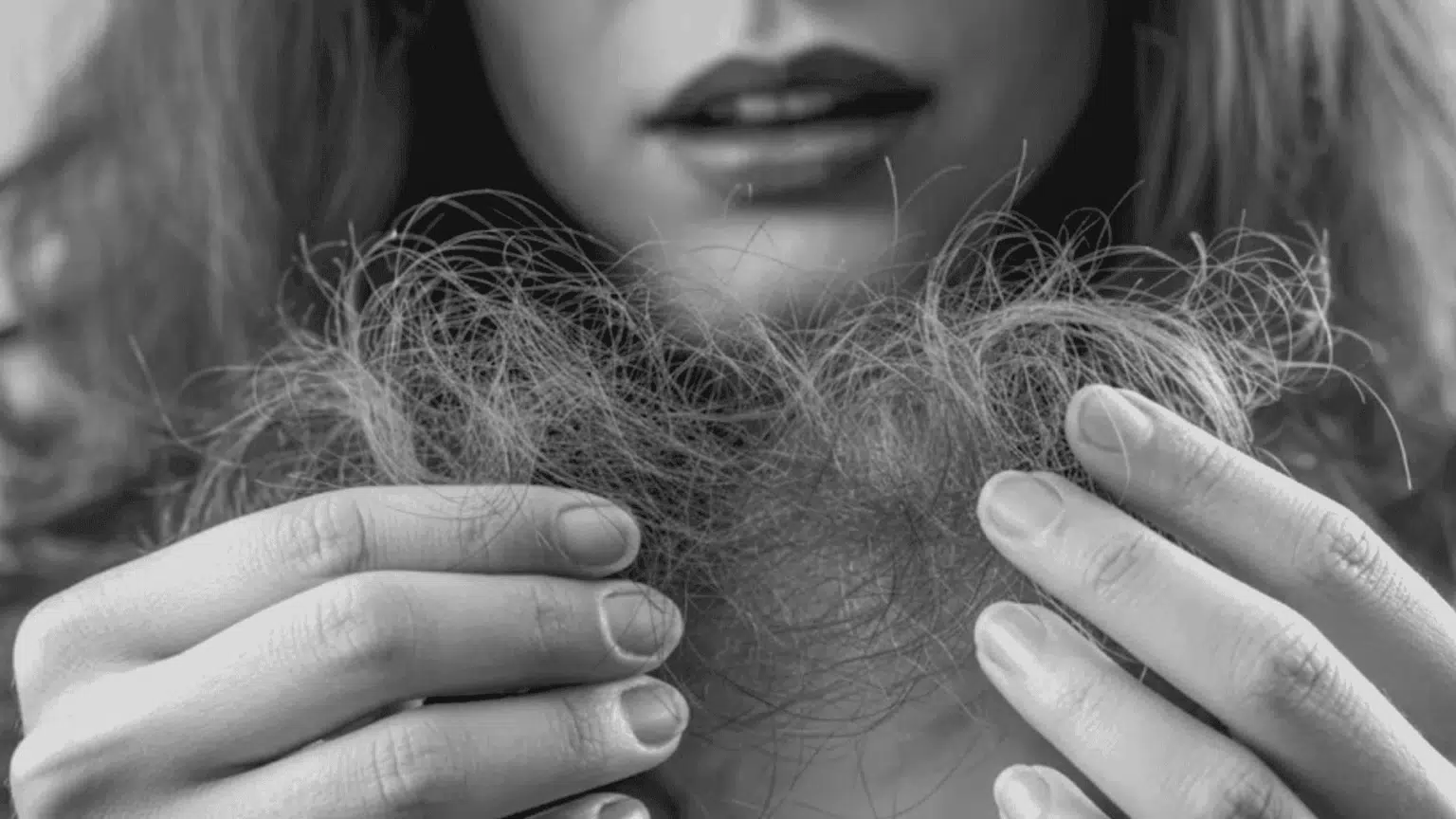
The hair pull test is one of the easiest ways to check your hair health at home.
Because hair loss can sneak up on you, and by the time you notice it, you’re already months behind.
This quick test helps you catch warning signs early, so you can actually do something about them. This blog has everything you need to know.
First, Let’s Understand Why Your Hair is Falling Out
Your body sends signals through your hair, and shedding is one of them.
Common causes include stress. When life gets overwhelming, your hair follicles can enter a resting phase earlier than usual.
Poor nutrition also plays a role: low iron, low protein intake, and vitamin deficiencies affect hair strength.
Hormonal shifts trigger shedding as well. Pregnancy, thyroid problems, and menopause all impact hair cycles. Even how you style your hair matters.
The most common hormones leading to hair loss in women include cortisol, dihydrotestosterone (DHT), estrogen, and thyroid hormones. [Source: Michderm]
Tight ponytails, excessive heat, and harsh chemicals weaken strands over time. Sometimes it’s also genetics. Your family history influences when and how much hair you lose.
The key is figuring out which factor applies to you. That’s where the hair-pull test comes in.
What is a Hair Pull Test?
This test is a simple examination used by doctors and dermatologists. You gently tug on a small section of hair to see how many strands come out.
Usually, losing one to three hairs is fine. More than that might mean active shedding is happening.
The test measures whether your hair is staying appropriately rooted.
It’s not painful, takes seconds, and can be done at home. Doctors use it to assess patterns of hair loss before recommending treatments.
It’s often one of the first physical assessments done during a consultation, before any other tests are recommended.
What This Test Can Help You With?
This test will help you with the following:
- Identifies excessive shedding: You’ll know if you’re losing more hair than normal.
- Distinguishes temporary from chronic issues: Helps separate stress-related shedding from long-term conditions.
- Guides your next decision: Shows whether you should see a doctor or monitor your hair.
The test won’t diagnose everything. But it’s a helpful starting point. It helps you take control of your hair health.
Benefits and Limitations of the Hair Pull Test
This is a simple way to check for hair shedding, though its results aren’t always reliable.
| Benefits | Limitations |
|---|---|
| Quick and easy to do at home | Doesn’t identify the cause of hair loss |
| Takes only a few minutes | Results can vary based on technique |
| No cost or special tools needed | Can’t detect scalp conditions |
| Gives immediate results | One test isn’t enough for patterns |
| Helps you decide if you need a doctor | Doesn’t replace professional diagnosis |
| Reduces guesswork and panic | May cause anxiety if done too often |
| Safe with no side effects | Requires proper timing (unwashed hair) |
This test is helpful but it has limits. You can use it as part of your hair health assessment, not as the only method.
Can You Do This Test at Home Safely?
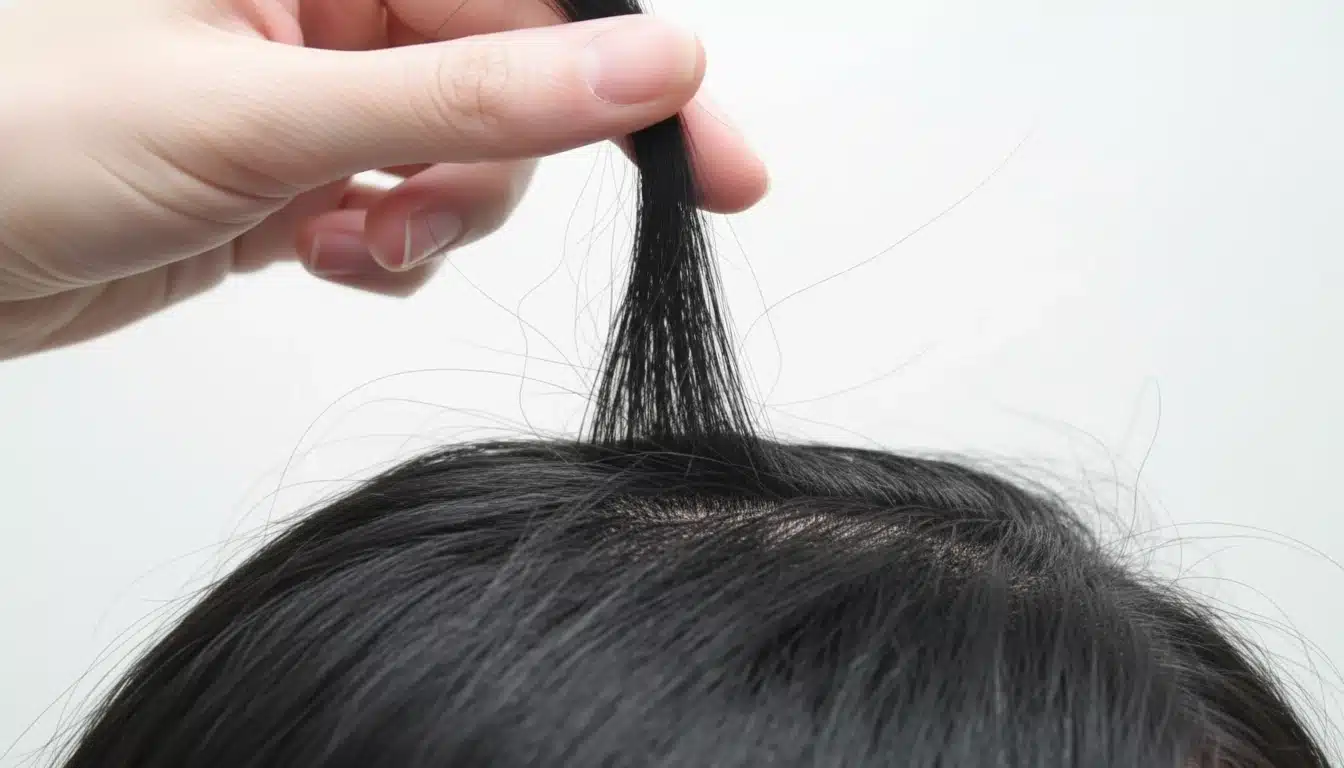
Yes, home testing is safe and helpful for initial assessment. It gives you a baseline to track changes.
But you might pull incorrectly or miscount results. And you can’t see underlying scalp conditions on your own.
When to skip home testing:
- If you have scalp pain, redness, or patches of complete hair loss
- When hair breaks off instead of coming out from the root
- If you need a formal diagnosis for treatment
For serious concerns, a dermatologist should perform the test and correctly interpret the results.
Things to Keep in Mind Before the Test
Before you perform the hair pull test, keep these points in mind:
- Don’t wash your hair for 24 hours: Clean hair removes loose strands that would naturally fall, skewing your results.
- Avoid styling products: Gels, sprays, and oils can affect how hair holds to your scalp.
- Test when you’re calm: Anxiety and rushed movements can make you pull too hard or miscount.
- Pick the right time: Morning works best, before daily activities loosen more strands.
- Have a clear surface ready: A white paper or towel helps you count fallen hairs accurately.
- Don’t expect perfection: Results can vary slightly each time, and that’s normal.
How to Perform the Hair-Pulling Test by Yourself?
Doing the hair-pull test at home is easy; it takes just a few minutes and requires no special tools.
The following is the step-by-step order to do it correctly.
Step 1: Prepare Your Hair
First, do not wash your hair for at least 24 hours before the test. Clean hair gives inaccurate results.
The natural oils and buildup help hold loose strands in place. This makes the test more reliable and gives a clearer picture of actual shedding.
Step 2: Select the Right Section
Pick a small section of hair from the scalp. The section should have around 40 to 60 strands.
It’s best to test three different areas: the top, sides, and back. This helps cover the full scalp and gives more accurate results overall.
Step 3: Use Proper Technique
Grip the hair section firmly between the thumb and index finger. Then, slide the fingers from the root to the tip in one smooth motion.
Don’t yank or pull too hard. A steady, controlled pull is all it takes to get a fair result.
Everyone’s hair is different. Some people naturally shed a little more than others. So if a few extra strands come out, there’s no need to panic right away.
Step 4: Count and Record
After each pull, count the strands that come out and record the number.
If six or more strands fall out consistently across sections, that’s worth noting. Keeping a record helps a doctor better understand the pattern.
Test Results and What They Mean
Understanding your results helps you know what’s happening.
Expected results: One to three hairs come out. This means your hair is rooted well. Shedding is within the typical range of 50 to 100 hairs daily.
Borderline shedding: Four to five hairs fall out. This sits in a gray area. It might be normal for you, or it could signal early changes in your hair cycle.
Excessive hair loss: Six or more hairs come out. This suggests active shedding beyond what’s healthy. Your hair follicles may be entering the resting phase too soon.
If results show excessive loss, consider seeing a doctor to identify the cause. This test is one clue, not a complete answer. Doctors combine it with medical history and other tests.
How Do Specialists Perform the Hair Pull Test?
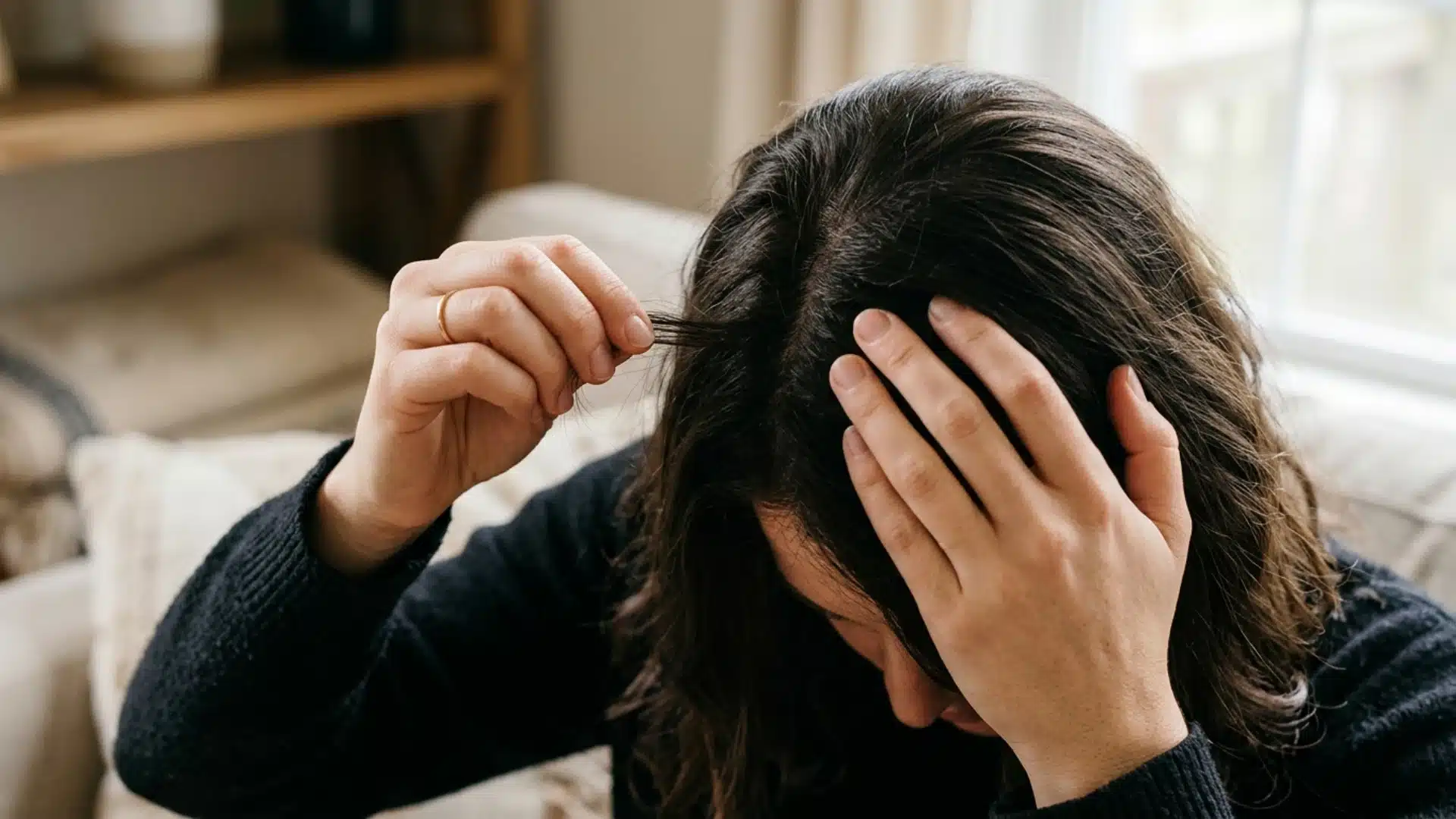
Dermatologists perform the hair-pull test more accurately than home testing.
They begin by examining the scalp for redness, scaling, or any visible issues before proceeding.
They then test multiple areas, typically the top, sides, and back of the head, applying consistent pressure throughout to eliminate guesswork and ensure accuracy.
As hair is collected, they count and classify it, noting whether each strand has a bulb, indicating natural shedding.
Dermatologists don’t rely on the test alone; they combine it with scalp examination, medical history, and blood work for a fuller picture.
The hair-pull test has limited reliability in people with very thick hair, so if you have a few more hairs on your hand it may be normal, but if you’re confused, contact your dermatologist.
How the Hair Pull Stage Fits Into Your Hair Growth Cycle?
Your hair goes through three main phases; these can help determine whether hair shedding is normal or a sign of a serious issue.
The three stages:
- Growth phase (Anagen): Hair actively grows for 2-7 years. About 85-90% of your hair is in this phase at any time.
- Transition phase (Catagen): Hair stops growing and detaches from the blood supply. Lasts 2-3 weeks. Only 1-2% of hair is here.
- Resting phase (Telogen): Hair rests for 2-4 months before falling out. Around 10-15% of your hair is in this stage.
This test mainly detects hairs in the resting phase. These strands are ready to fall naturally. When too many hairs enter this phase early, you notice excessive shedding.
Stress, illness, or hormonal changes can push more hairs into the resting stage.
That’s when the test shows higher-than-normal numbers, but hair shedding due to stress can be fixed with meditation and diet changes; the results are visible within 3-6 months.
Hair Loss Conditions Detected by Hair Pull Test
The test helps identify several types of hair loss. Here’s what it can detect:
- Telogen effluvium: Temporary shedding after stress, illness, or major life changes. This is the most common cause of sudden hair loss.
- Androgenetic alopecia: Pattern baldness caused by genetics and hormones. Affects both men and women differently.
- Anagen effluvium: Rapid hair loss during the growth phase, often from medication or medical treatments.
- Alopecia areata: Patchy hair loss where the immune system attacks hair follicles.
What it cannot detect:
The test won’t directly show fungal infections, scarring conditions, or nutritional deficiencies. It signals that something’s wrong, but you’ll need further testing to find the exact cause.
Treatment for Hair Loss and Hair Fall
Treatment depends entirely on what’s causing your hair to fall. Here are common approaches:
Temporary Shedding
- Address the trigger: Manage stress, improve sleep, and eat balanced meals rich in protein and iron.
- Be patient: Hair often returns on its own within 6-9 months once the cause is resolved.
- Gentle care: Avoid tight hairstyles, excessive heat, and harsh chemicals while recovering.
Ongoing Hair Loss
- Minoxidil: Over-the-counter treatment that stimulates hair growth. Works for pattern baldness.
- Finasteride: Prescription medication for men with pattern baldness. Slows hair loss effectively.
- Supplements: Iron, biotin, and vitamin D if blood tests show deficiencies.
- PRP therapy: Platelet-rich plasma injections that promote hair growth in thinning areas.
Medical treatments:
For conditions like alopecia areata, doctors may prescribe steroid injections or immunotherapy. Severe cases might need specialized treatments.
The key is getting the right diagnosis first. What works for stress-related shedding won’t help genetic hair loss.
That’s why seeing a dermatologist matters after a positive hair-pull test.
What to Do if the Result is Positive?
A positive result gives you a clear reason to act. It means you now have the information needed to move forward:
- Stay calm and avoid self-diagnosing online.
- Contact your doctor promptly to discuss next steps.
- Follow the recommended treatment or care plan.
- Rest well, stay hydrated, and eat nutritiously.
- Lean on trusted family or friends for emotional support.
Remember, a positive result is simply a signal; with the right care, you’re already on the path to feeling better.
Other Tests that Can Determine the Cause of Hair Loss
The hair pull test shows if you’re shedding excessively. But it doesn’t explain why. Doctors use additional tests to find the root cause.
Blood Tests
- Complete blood count (CBC): Checks for anemia and iron deficiency, common causes of hair loss in women.
- Thyroid function tests: Measure thyroid hormone levels. Both overactive and underactive thyroid glands affect hair growth.
- Vitamin D and B12 levels: Low levels directly impact hair health and growth cycles.
- Hormone panels: Testosterone, estrogen, and DHEA are tested to identify hormonal imbalances.
Scalp Examination
Dermatologists use a dermatoscope to examine your scalp closely. This tool magnifies hair follicles and shows patterns invisible to the naked eye.
It helps identify scarring, inflammation, or miniaturized hairs.
Scalp Biopsy
In unclear cases, doctors take a small sample of scalp tissue. Lab analysis reveals follicle health, inflammation, or autoimmune activity.
This test is rare but useful for difficult diagnoses.
Trichoscopy
A specialized scalp examination using digital imaging. It assesses hair density, follicle patterns, and scalp conditions without invasive procedures.
These tests work together to build a complete picture. Your doctor chooses which ones based on your symptoms and medical history.
Conclusion
The hair pull test won’t tell you everything. But it will give you clarity when you are confused about hair loss.
Losing hair doesn’t always mean something’s wrong. Sometimes it’s stress, nutrition, or just your body adjusting to a seasonal change.
Use this test as your first step, not your only answer. And if the results concern you, talk to a dermatologist.
Frequently Asked Questions (FAQs)
1. Which Haircut is Best for Thin and Fine Hair?
Layers and bobs add volume to thin, fine hair. A textured pixie or lob creates fullness without weighing strands down.
2. What is the Average Age for Hair Thinning to Start?
Hair thinning typically begins in your mid-20s to mid-30s, though genetics, hormones, and lifestyle factors can significantly accelerate or delay onset.
3. Does a Hair Pull Test Hurt?
No, a hair-pull test does not hurt. The doctor gently grasps and tugs a small section of hair.