
Most people link hair loss to the scalp. But what about the eyebrows? They can thin out, too, and it catches people off guard.
For those who have noticed their brows looking sparse lately, androgenetic alopecia could be the reason.
So, what is androgenetic alopecia, and what’s the actual connection? Keep reading to know more.
What is Androgenetic Alopecia?
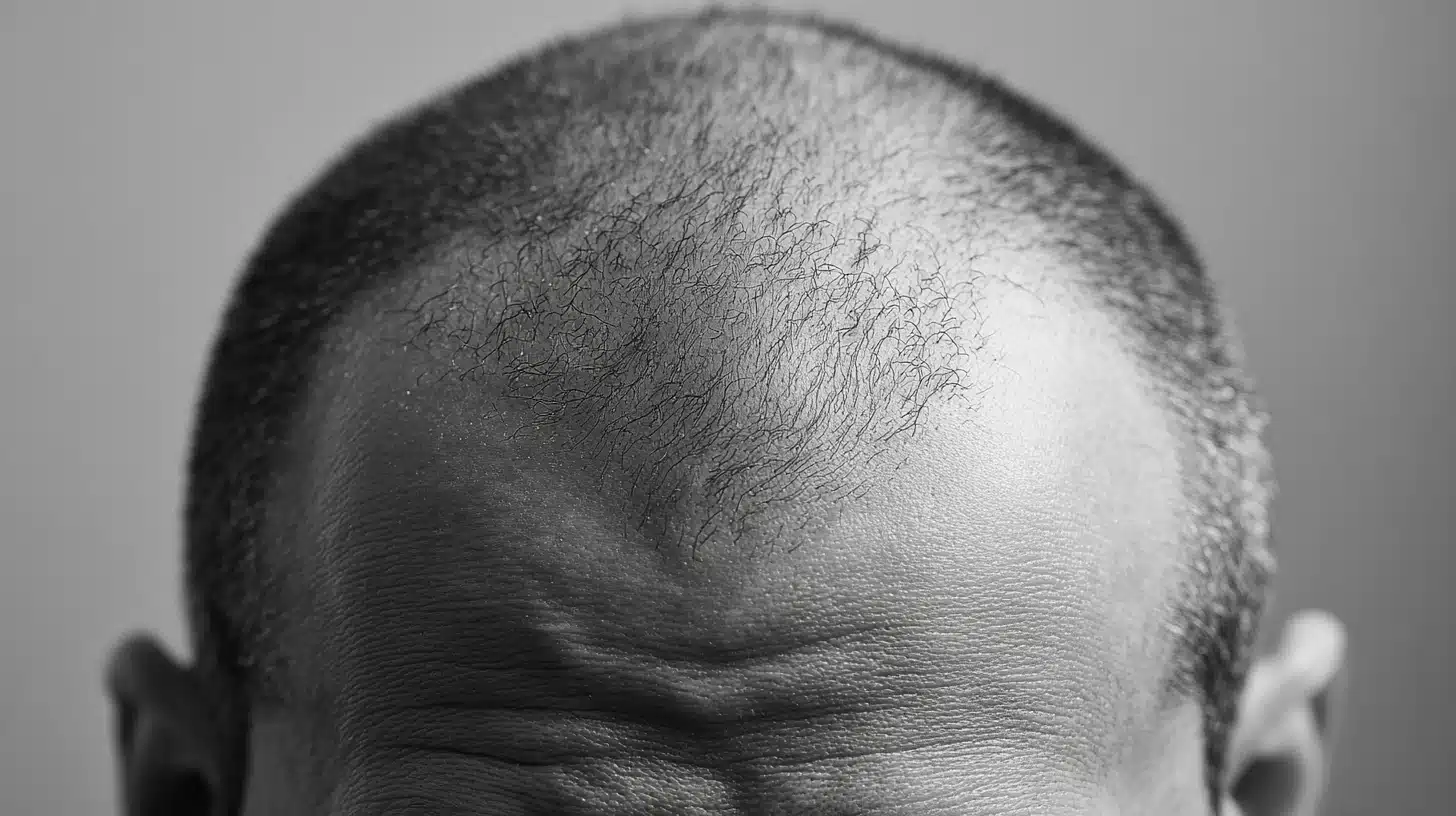
Androgenetic alopecia is a common type of hair loss. It happens when hormones and genetics work against your hair growth cycle. Most people know it as male- or female-pattern baldness.
It’s important to note that not all hair loss follows this pattern. Some types, such as bald spots caused by hair extensions, result from repeated tension on the hair rather than hormones or genetics.
But it can affect your eyebrows and eyelashes too.
The same hormonal changes that thin your scalp hair can slow down eyebrow growth. Over time, the brows can become patchy or sparse.
It’s not just a cosmetic issue. For many people, it affects how they feel about their appearance. Understanding the cause is the first step to finding the right care.
What Are The Causes?
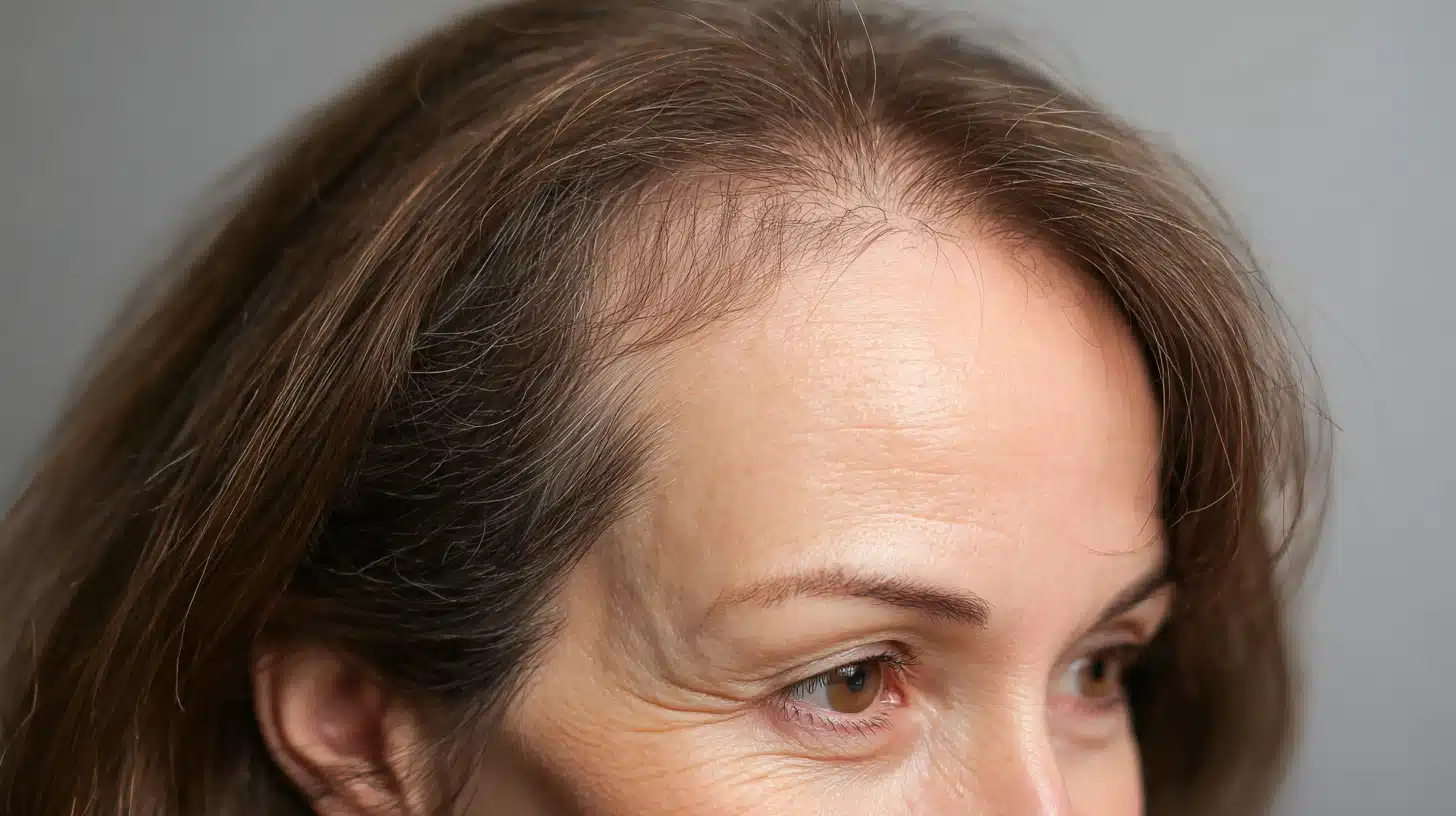
Androgenetic alopecia has several contributing factors. Understanding what triggers it can help people take the right steps toward managing it sooner.
1. Genetics: The baldness gene can come from either parent. When other triggers are present, it can activate and lead to hair loss
2. Hormonal Changes: DHT binds to hair follicles and shortens the growth cycle. In women, hormonal shifts during menopause, pregnancy, or PCOS can speed this up.
3. High Activity of the 5-Alpha-Reductase Enzyme: This enzyme converts testosterone into DHT. Higher DHT levels lead to faster follicle shrinkage and gradual hair thinning.
4. Aggravating Factors: Stress, poor nutrition, and chronic illness can make hair loss worse. Low levels of B vitamins, D3, zinc, and iron can also accelerate it.
A family history on either side increases the likelihood, but it does not guarantee hair loss at the same age or with the same severity.
Treatment for Androgenetic Alopecia
There is no full cure for androgenetic alopecia. But the right treatment can slow hair loss and support regrowth.
1. Topical Minoxidil
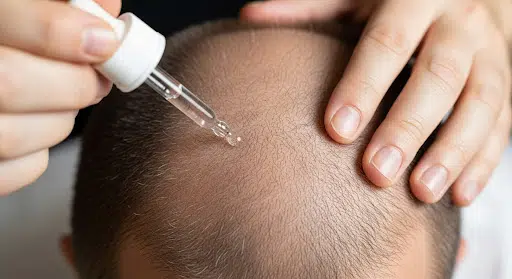
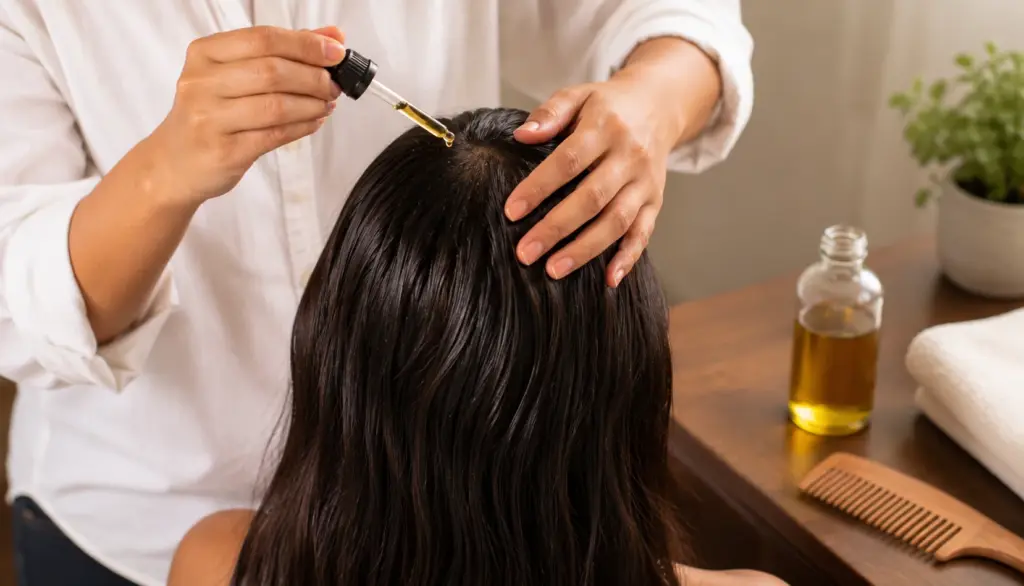
Minoxidil is one of the most common treatments for androgenetic alopecia. It comes as a foam or liquid and is applied directly to the affected area.
It helps stimulate hair growth and is available over the counter in 2% or 5% strength. Results take time but are noticeable with consistent use.
Even well-known celebrities use Minoxidil for alopecia and hair loss.
2. Oral Prescription Medications
Some oral medications work by reducing the effect of hormones on hair follicles.
This helps slow down thinning and loss over time. A dermatologist will first assess the condition and then recommend the right medication and dosage.
It is important not to self-medicate without professional guidance.
3. Platelet-Rich Plasma (PRP) Therapy
PRP therapy uses the patient’s own blood to stimulate hair growth. A small amount is drawn, processed, and injected into the scalp.
Many people find it worth trying when other treatments show limited results. It is a procedural option best discussed with a specialist.
Most clinics recommend three sessions spaced four to six weeks apart for the initial course, followed by maintenance sessions every six to twelve months
4. Low-Level Laser Therapy (LLLT)
This treatment uses light energy to stimulate hair follicles. Devices range from combs to helmets and can be used at home.
It is a non-invasive option that works best in the early stages of hair loss. Regular use is key to seeing any benefit.
5. Hair Transplant Surgery
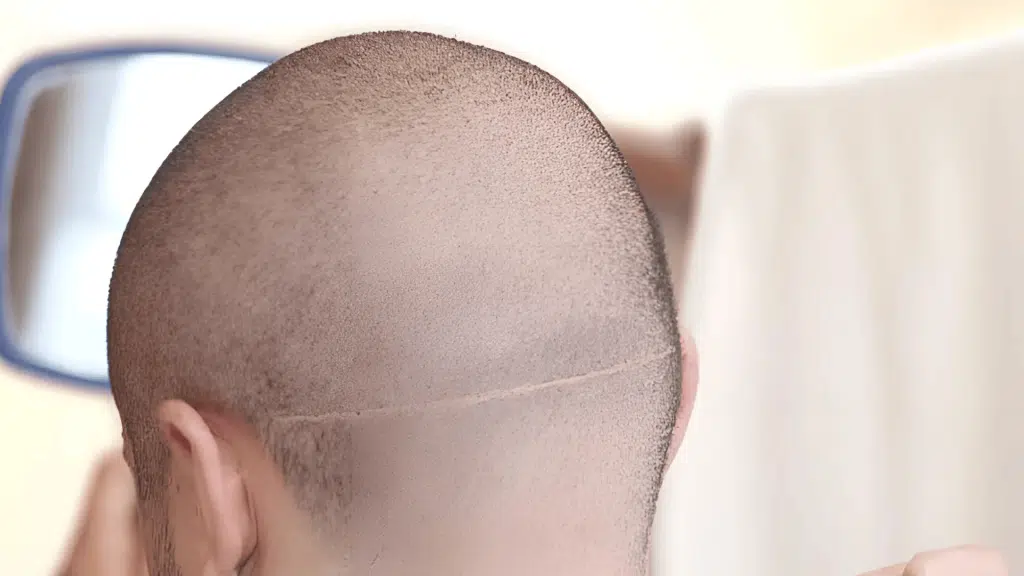
For severe hair loss, surgery is a long-term option. Healthy follicles are taken from a dense area of the scalp and placed in thinning areas.
It works best when other treatments have not delivered enough results. A consultation with a surgeon helps set realistic expectations.
The total cost of a transplant depends heavily on the number of grafts required and the clinic you choose. To get a clearer idea of pricing, explore our guide to the cost of 3,000 hair grafts and the factors that influence the final bill.
6. Lifestyle Adjustments
Many people find that paying closer attention to diet and sleep makes a noticeable difference.
Eating foods rich in vitamins B, D3, zinc, and omega-3 supports hair health from within. Managing stress also plays a bigger role than most people realise. Small daily changes can add up over time.
Learn more about which vitamin deficiency causes hair loss.
How is Eyebrow Hair Loss Treated?
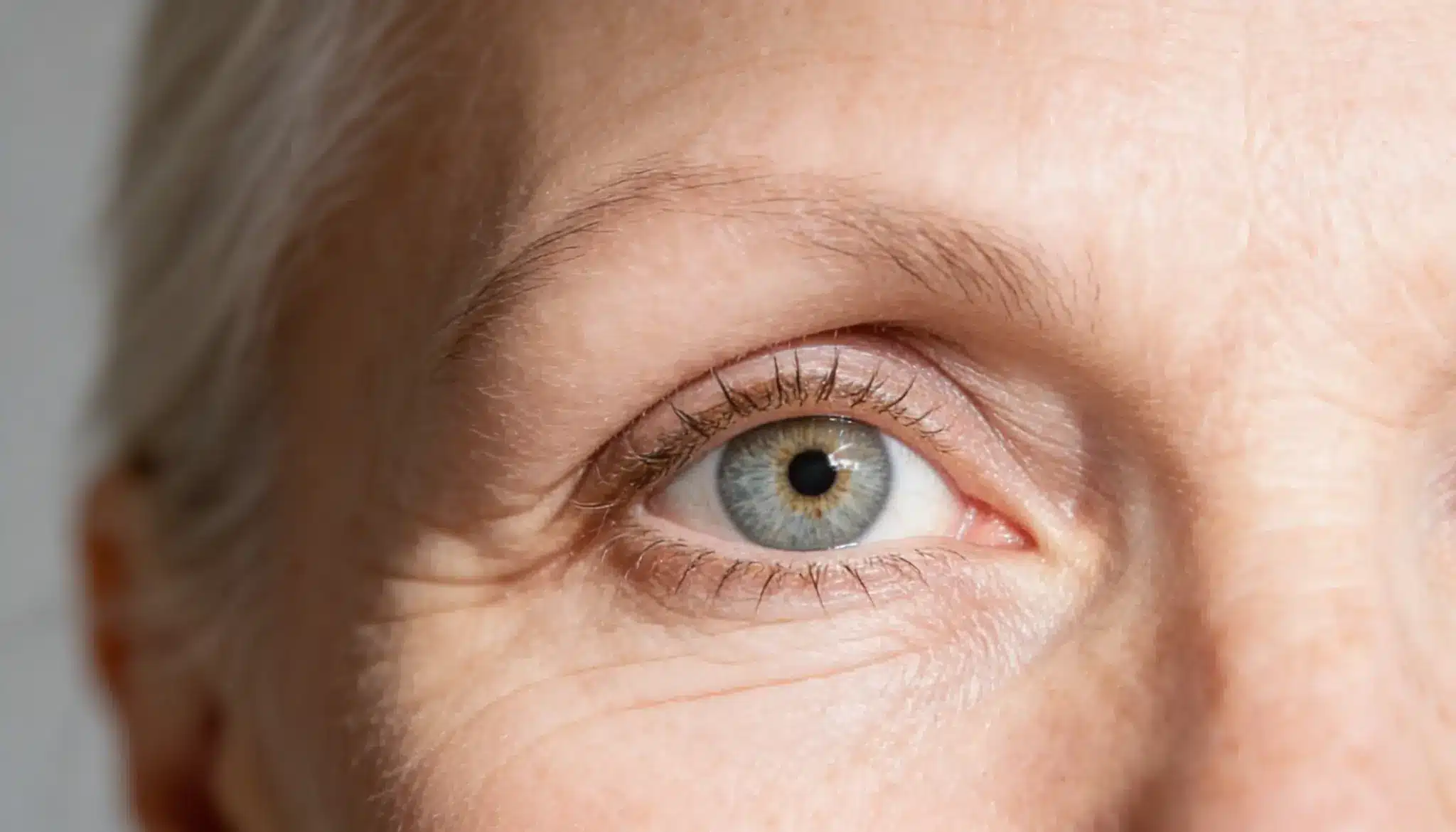
Eyebrow hair loss has many causes. Getting the right treatment starts with finding the right cause.
A healthcare professional can review your medical history and develop a treatment plan tailored to your situation. Some common treatment options:
Minoxidil
Minoxidil is an over-the-counter topical medication approved for androgenetic alopecia.
Research shows it can promote hair regrowth and improve density in the eyebrow area. It is applied directly to the affected area and works best with consistent, long-term use.
Results may take several weeks to become visible.
Corticosteroids
They act as anti-inflammatory and immunosuppressant medications and are commonly used to treat conditions such as alopecia areata, atopic dermatitis, and psoriasis.
A dermatologist will determine the most suitable form based on the severity of the condition and the patient’s medical history. These come in topical, injectable, or pill form.
Anthralin
Anthralin is a topical cream mainly used for skin conditions such as psoriasis. It is also an effective option for severe alopecia areata affecting the eyebrows.
The cream is applied to the affected area, left on for a set period, and then washed off. It may cause mild skin irritation in some people.
Bimatoprost (Latisse)
This medication is more commonly used to treat eye conditions such as glaucoma.
However, research shows it also encourages eyebrow hair growth, making it a useful option for some patients.
It is applied carefully along the brow area and is typically available only on prescription.
Eyebrow Hair Transplant (FUE)
This is a minimally invasive procedure in which donor hair follicles are harvested from the scalp and transplanted into the eyebrow area.
It can permanently restore hair in the brows for both men and women. Recovery is generally straightforward, with natural-looking results over time. Costs typically range between £3,000 and £5,000.
Final Thoughts
Androgenetic Alopecia is something most people deal with more than you’d expect.
The earlier you spot the signs, the better your chances of managing it well. Eat right, avoid harsh treatments, and speak to a dermatologist if something feels off.
Keep a simple photo record of your brows every few weeks. It is one of the easiest ways to track if the treatment is working or if the thinning is continuing.
Talk to a dermatologist and take that first step today.
Frequently Asked Questions
1. How Often Should You Wash Your Hair with Androgenetic Alopecia?
There is no fixed rule. Keeping your scalp clean and healthy is important, so wash as needed.
2. Which Vitamin Deficiency Causes Eyebrow Hair Loss?
Low levels of B vitamins, vitamin D3, zinc, and iron can contribute to eyebrow hair thinning.
3. Can Eyebrow Thinning Be Reversed?
Yes, in many cases it can. Early treatment with minoxidil or corticosteroids can help restore eyebrow hair growth.