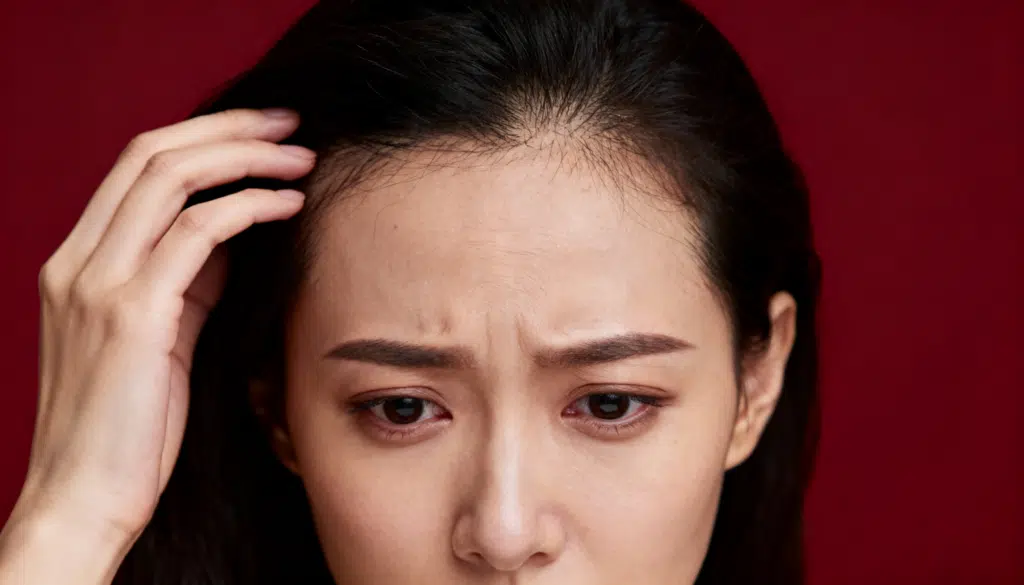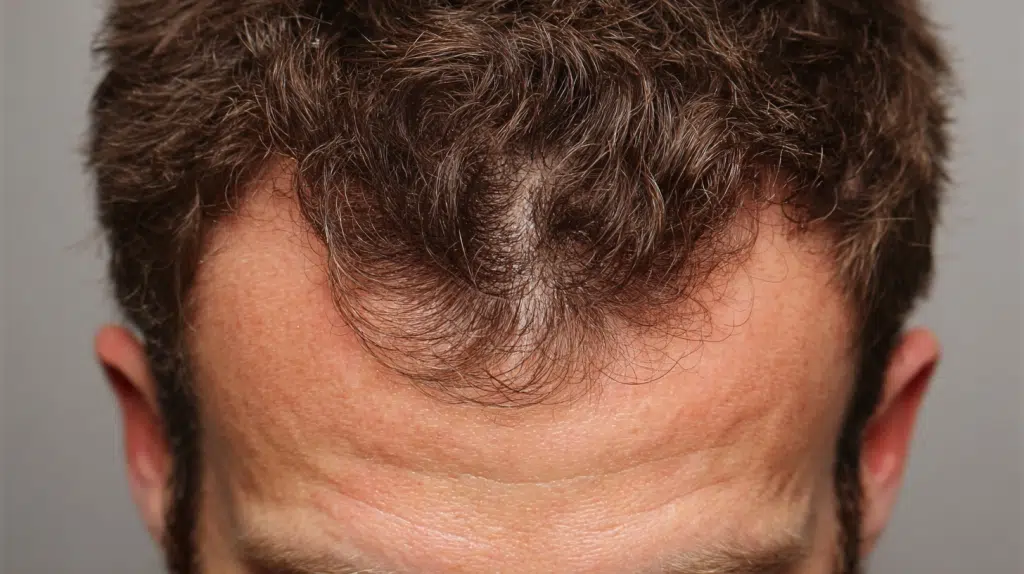

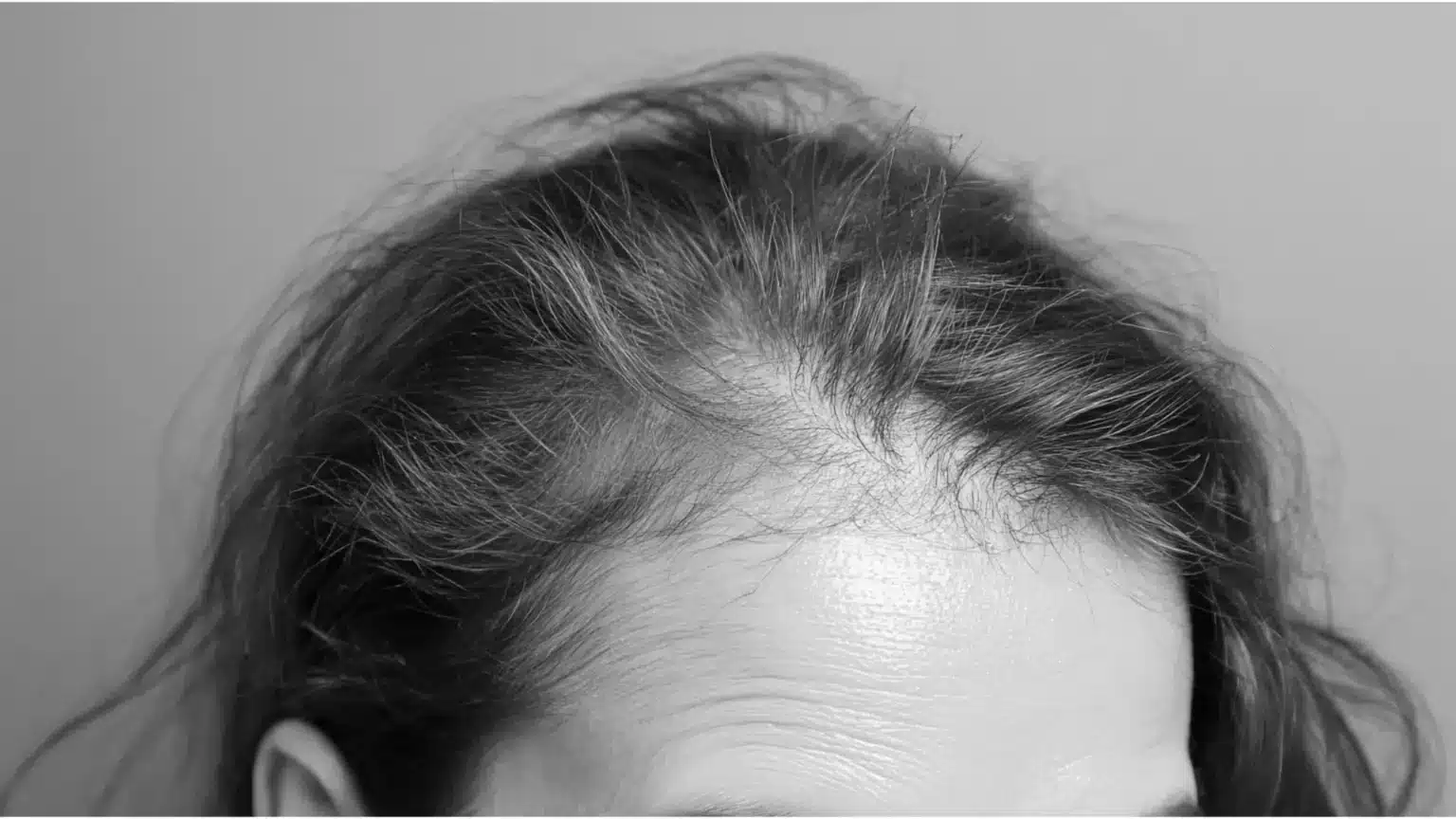
Hair extensions seem like a great idea until a bald spot shows up out of nowhere.
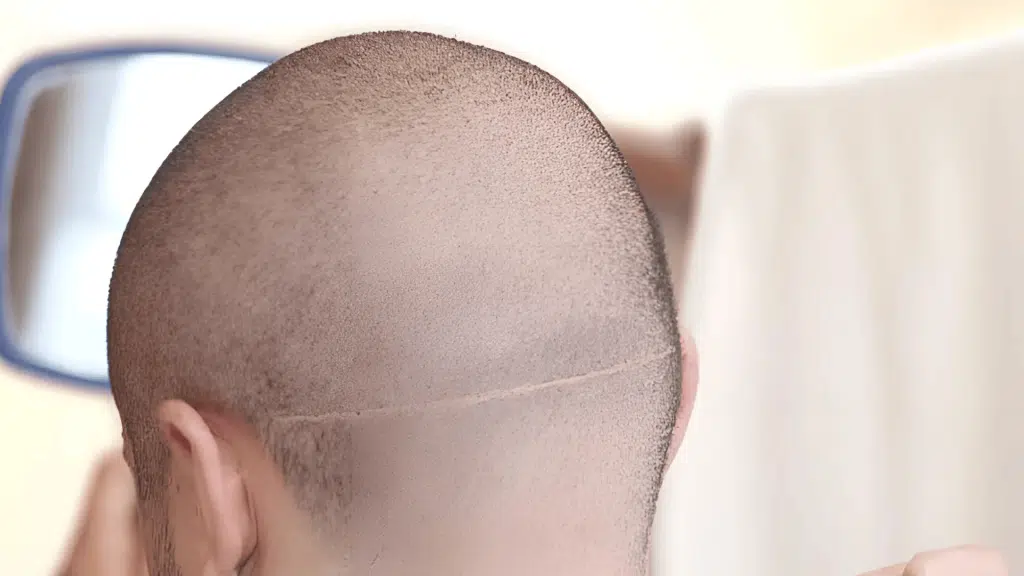
Many people notice thinning or bare patches after wearing extensions for a while. And it can be pretty alarming.
What most don’t realise is that traction alopecia from extensions is far more common than expected.
But most people’s hair grows back if they take good care of it. This blog on bald spot from extensions: regrowth timeline and fixes covers exactly what helps and what to expect.
Extensions and Bald Spots
Extensions look great, but they come with risks most people don’t think about.
The constant weight and tension they place on hair follicles can cause real damage over time. When the roots are pulled too tightly for too long, the follicle weakens.
This leads to thinning and eventually bare patches. This condition is called traction alopecia.
Unlike traction alopecia, which is caused by physical tension, other forms of hair loss, like androgenetic alopecia, are driven by hormones and genetics. These can even affect areas beyond the scalp, including the eyebrows.
It doesn’t happen overnight. It builds up gradually, which is why many people don’t notice until the damage is already done.
Clip-ins, tape-ins, sew-ins, any type can cause it. The key factor isn’t just the type of extension. It’s how they’re applied and how long they’re worn.
Which Extensions Cause More Damage?
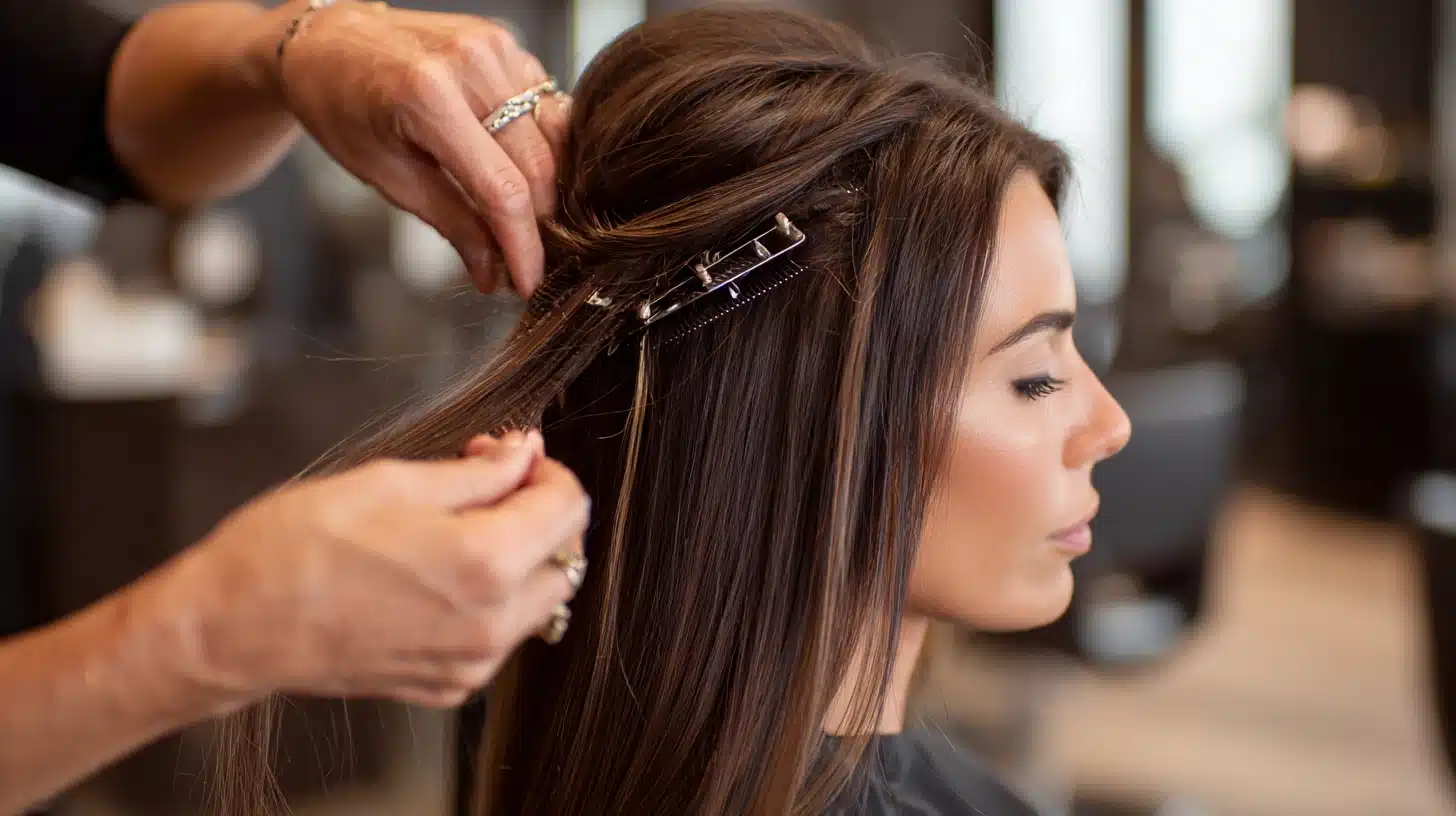
Not all extensions are equal when it comes to damage. Some are harsher on the scalp than others.
The type of extension, how it’s applied, and how long it’s worn all play a role in the amount of damage it causes.
| Extension Type | How It Causes Damage | Damage Level |
|---|---|---|
| Sew-In Extensions | Tight braiding and weight pulling on roots for weeks | High |
| Tape-In Extensions | Incorrect removal rips out natural hair with the tape | High |
| Clip-In Extensions | Repeated pressure on the same spots causes gradual thinning | Medium |
| Glue-In Extensions | Heat from hot glue weakens the hair shaft and scalp | High |
| Micro-Link Extensions | Metal rings clamp near the root, causing breakage over time | Medium-High |
How to Cure Bald Spots Caused by Hair Extensions?
Finding a bald spot is scary. But the right steps can help hair grow back.
Remove the Extensions Immediately
The very first step is stopping the damage. Extensions should be taken out as soon as thinning or bare patches appear.
Continuing to wear them only worsens the bald spot. Giving the scalp a complete break is essential before any other treatment can actually work.
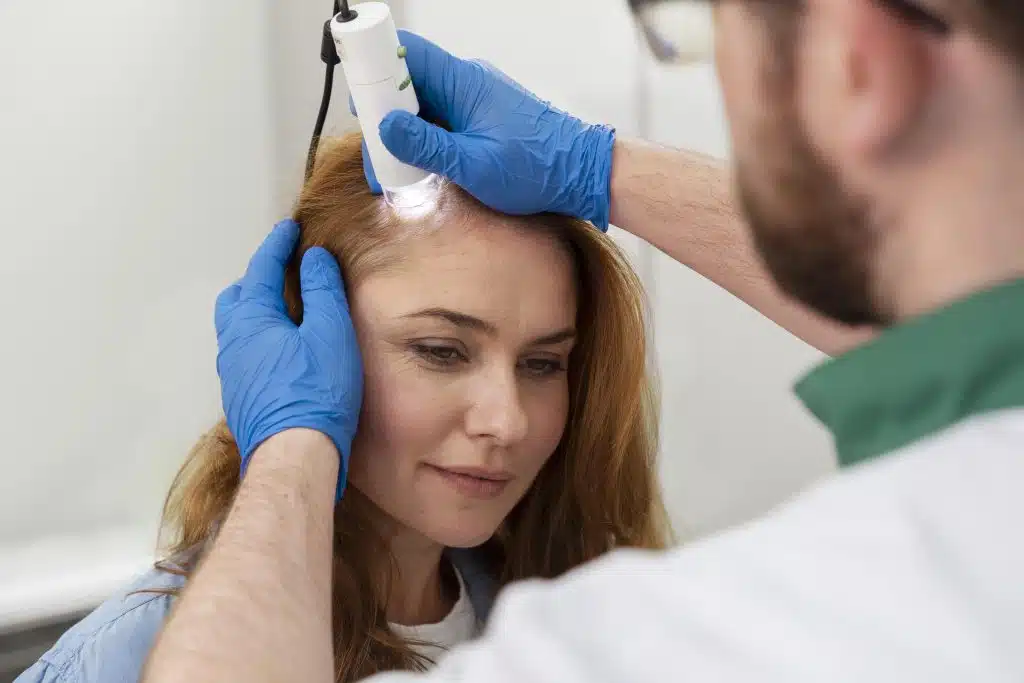
A trichologist will typically tell you that the follicle can recover well if the tension is removed within the first few months of noticing symptoms.
Massage Your Scalp Daily
Scalp massages boost blood flow to the hair follicles. Spending about 5 minutes massaging the scalp every day creates better conditions for regrowth.
Most people start seeing early results within 6 to 8 weeks of staying consistent with this simple routine.
A small study published in the journal Eplasty found that men who did a 4-minute scalp massage daily for 24 weeks saw measurable increases in hair thickness. The same logic applies here.
Use a Gentle, Nourishing Shampoo
Harsh shampoos strip the scalp of its natural oils. Switching to a mild, sulphate-free shampoo keeps the scalp clean without causing further irritation.
A healthy and well-maintained scalp creates the right conditions for hair to grow back stronger and faster over time.
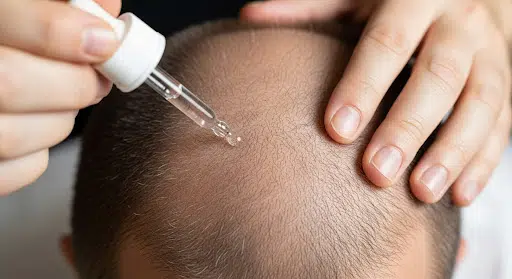
Try Minoxidil
Minoxidil is a widely used treatment for thinning hair. It works by stimulating dormant follicles and encouraging new growth.
Applied consistently, many people see visible regrowth within 3 to 6 months. Consulting a doctor before starting any treatment is always the safest approach.
Many public figures dealing with androgenetic alopecia also rely on treatments like minoxidil to maintain hair density over time.
The 5% foam version is often recommended over the liquid for people with sensitive scalps, as the liquid formula contains propylene glycol, which can irritate some people.
Eat a Protein-Rich Diet
Hair is made of protein, so diet plays a bigger role than most people realise. Adding eggs, lentils, and lean meats to daily meals supports faster recovery.
Small but consistent dietary changes can noticeably speed up the regrowth process over time.
Overall Regrowth Timeline
Regrowth after a bald spot from extensions depends on the severity of the damage.
Mild cases respond more quickly to basic care. More serious damage takes longer.
Starting treatment early makes a big difference. In some cases, permanent follicle damage can slow things down. Acting quickly gives the best chance of full recovery.
A quick breakdown:
| Damage Level | Expected Regrowth Time | Key Factor |
|---|---|---|
| Mild | 3 to 6 months | Early action and scalp care |
| Moderate | 6 to 9 months | Consistent treatment and diet |
| Severe | 9 to 12 months | Professional treatment needed |
| Permanent Damage | May not fully regrow | Scarring of hair follicles |
Final Thoughts
A bald spot from extensions doesn’t have to be permanent.
Many people get their hair back within 4 to 5 months, but early action really does change the outcome.
Stopping the damage, caring for the scalp, and giving hair the time it needs makes all the difference. Small, consistent steps matter more than any quick fix.
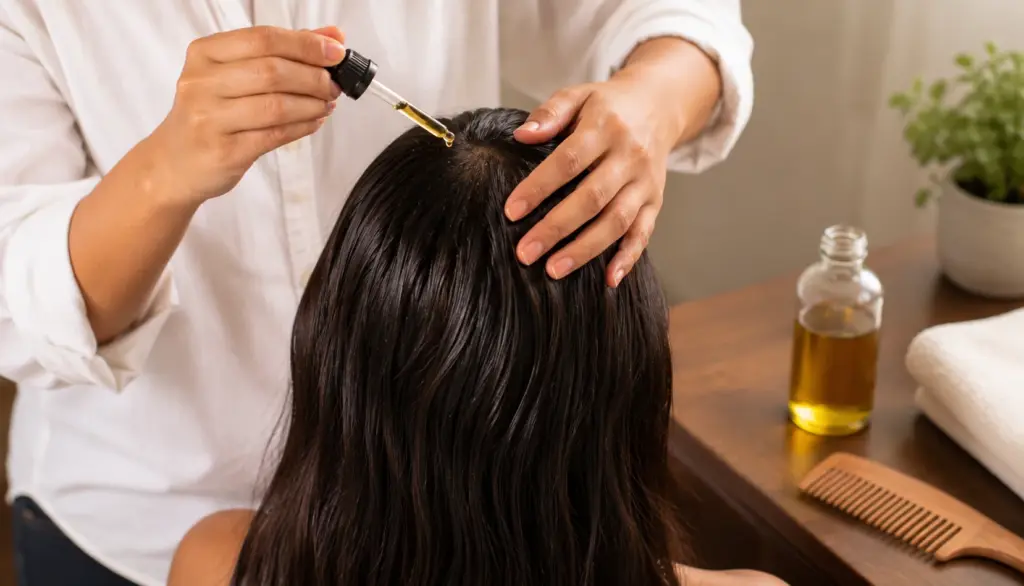
For anyone dealing with thinning after extensions, starting with the basics like oiling, massage, and rest gives hair a strong chance of coming back.
Sharing experiences in the comments below can help others going through the same thing.
Frequently Asked Questions
1. What Does Stage 1 Balding Look Like?
Stage 1 balding shows slight thinning around the hairline. Most people don’t notice it without close inspection.
2. What are the Big 3 for Thinning Hair?
Minoxidil, a protein-rich diet, and regular scalp massage are three widely recommended steps for supporting healthy hair regrowth.
3. What Is the Chinese Secret to Hair Growth?
Scalp massage using rice water is a traditional Chinese method. It strengthens hair roots and supports faster regrowth.
4. What Vitamin is Lacking if Hair is Thinning?
Low levels of Vitamin D, Biotin, and Iron are commonly linked to hair thinning and slow regrowth.