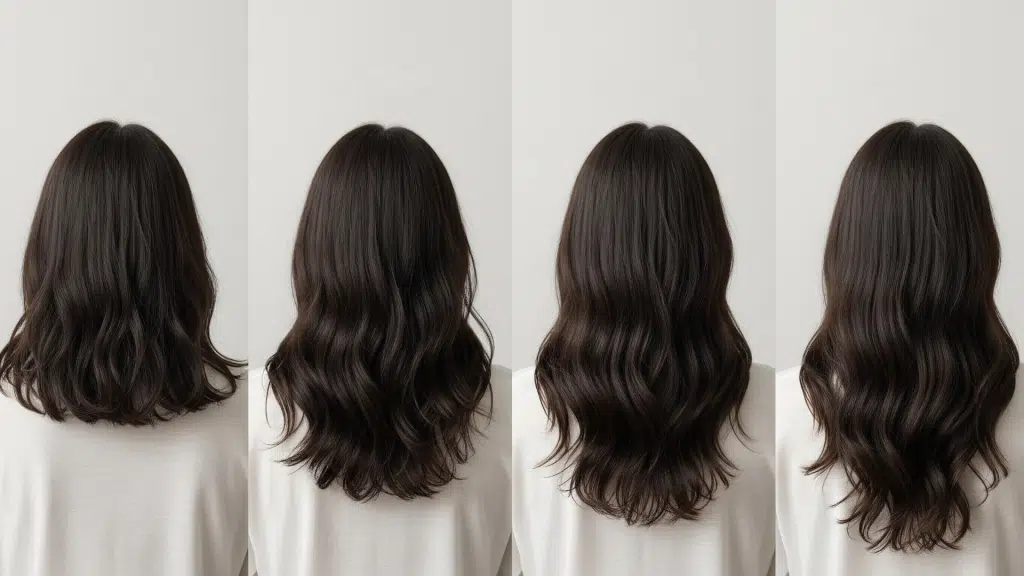


Your waves have a mind of their own, don’t they?
Some days they look great, other days they’re doing something completely different.
Wavy hair falls right between straight and curly, creating that signature S-shaped pattern we all know.
But this texture has its quirks.
Natural oils from your scalp struggle to slide down those bends, so roots feel greasy while ends stay dry.
The good news?
Once you figure out what your waves actually need, taking care of them becomes pretty straightforward.
What Makes Wavy Hair Unique?
Wavy hair needs a Goldilocks approach. Too much product and your waves fall flat. Too little and they turn into a frizz ball.
Straight hair can handle heavier oils, and curly hair thrives on rich creams, but waves?
They need something lighter and more balanced.
Most beginners deal with the same frustrations: frizz that won’t quit, waves that disappear by noon, and ends that feel like straw. The secret isn’t buying more products or trying harder.
It’s about knowing your specific wave type first because 2A waves and 2C waves don’t want the same treatment at all.
Finding Your Wave Pattern
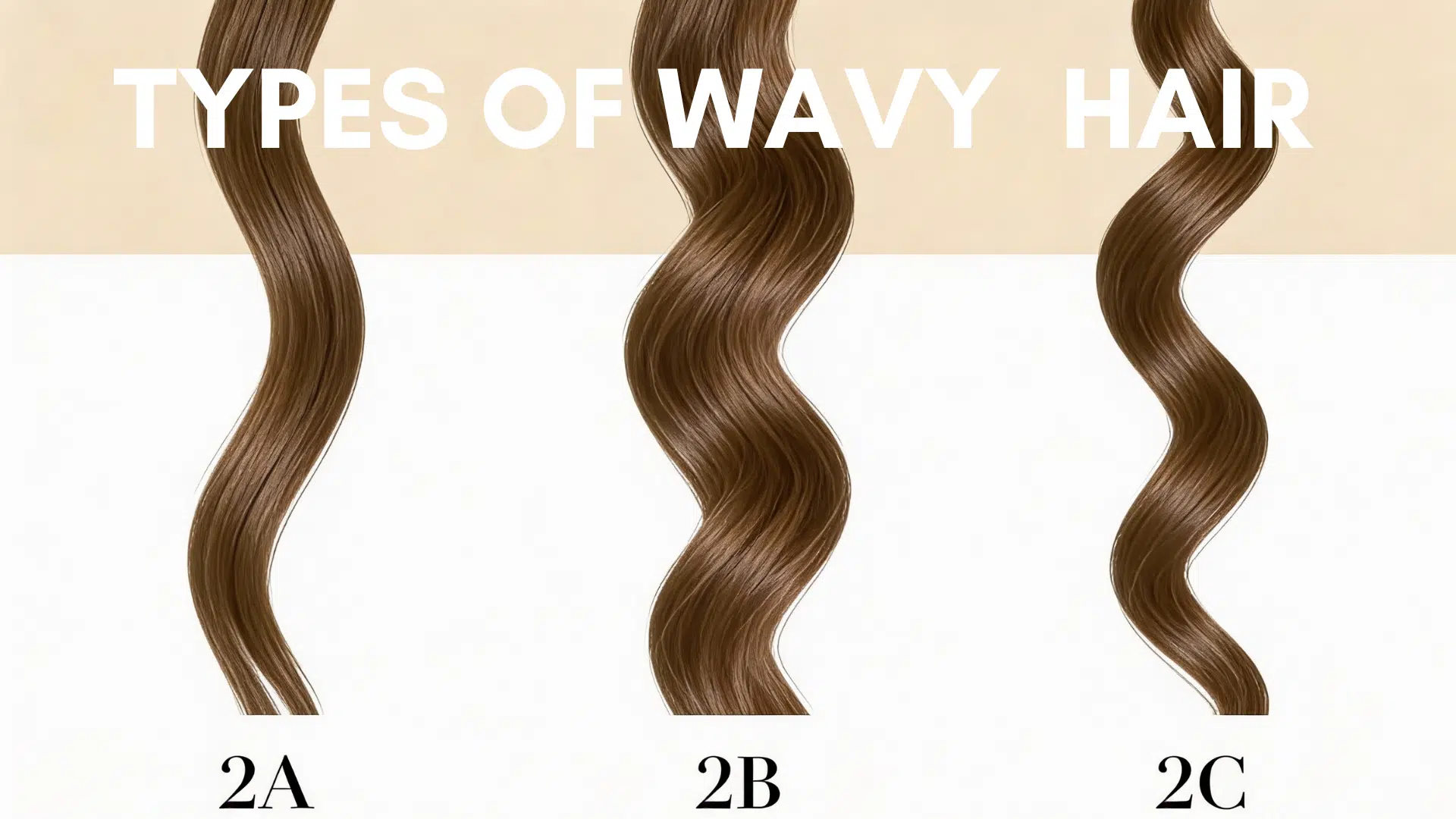
Wavy hair falls under Type 2, and it comes in three levels.
| Wave Type | Pattern | Texture | Main Challenge |
|---|---|---|---|
| 2A | Loose S-waves, flat at roots | Fine, gets oily fast | No volume, waves drop |
| 2B | Defined S-shape, some root lift | Medium thickness | Frizz and uneven waves |
| 2C | Strong S-waves near scalp | Thick, coarse | Tangles and dryness |
1. How to Tell Your Wave Type
2A: The Subtle Wave
Your hair is mostly straight with a gentle bend at the ends. Waves show up more as texture than actual curves.
2B: The Clear S-Shape
You’ve got visible S-waves through your mid-lengths and ends. There’s some lift at the roots, and your pattern is easy to spot.
2C: The Bold Wave
Your waves start close to the scalp and form strong S-shapes that almost look like loose curls. They hold their pattern without much help.
2. Why Each Wave Type Needs Its Own Approach
- 2A needs lightweight everything: Heavy creams or oils will kill your waves before lunch. Stick with mousses and sprays that add body without weight.
- 2B wants moisture but not too much: Light gels and cream-gel combos work best. You need enough hold to fight frizz, but not so much that your hair feels stiff.
- 2C can handle richer products: Your thicker waves actually need more moisture to stay defined. Creams and stronger gels help lock in that S-pattern without the crunch.
Using the wrong routine for your wave type means you’re either starving your hair or drowning it.
That’s why your waves look great some days and terrible others.
Know More Here: How to Identify Wavy vs Curly Hair Types
Your Wavy Hair Care Routine

The proper steps in the correct order make all the difference between defined waves and a frizzy mess.
Step 1: Cleansing Your Waves
There’s no magic number for wash days. Some people need daily washes because of oily scalps, while others do fine with two or three times a week.
Feeling greasy after one day?
Wash it. Do the waves still sound on day three? Skip the shampoo.
Sulfate-free shampoos are non-negotiable.
Regular shampoos strip too much oil and leave your waves dry.
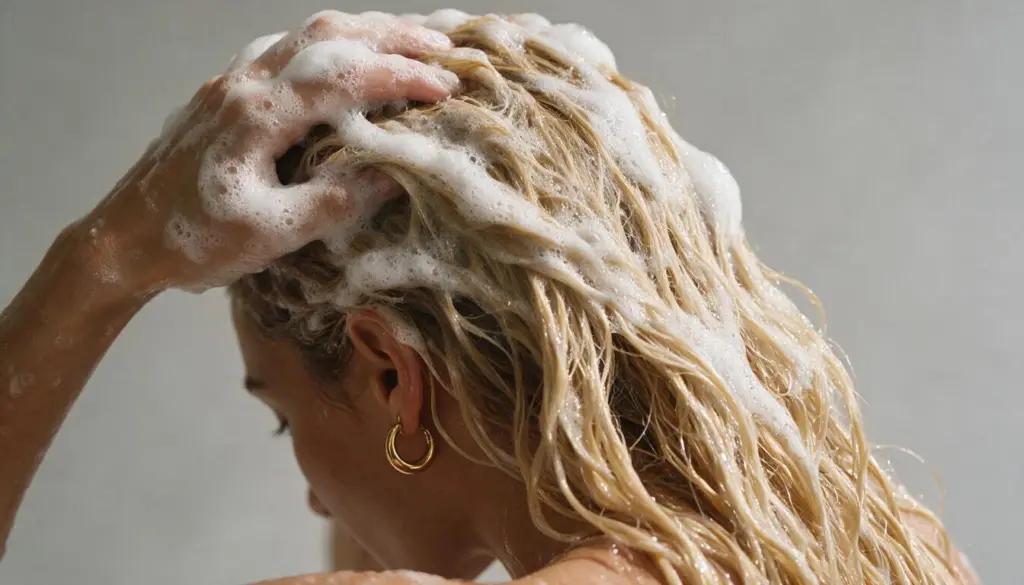
Look for “sulfate-free” on the label and massage your scalp gently while washing to boost healthy growth.
Step 2: Why Conditioner Changes Everything
Skip conditioner, and your waves will punish you.
It replaces the moisture that shampooing strips away and makes detangling possible. But don’t apply it everywhere. Start at mid-lengths and work down to your ends.
Roots don’t need it, and too much up top creates greasy, flat hair.
Detangle while the conditioner is in your hair. Use your fingers or a wide-tooth comb, starting from the bottom and working up.
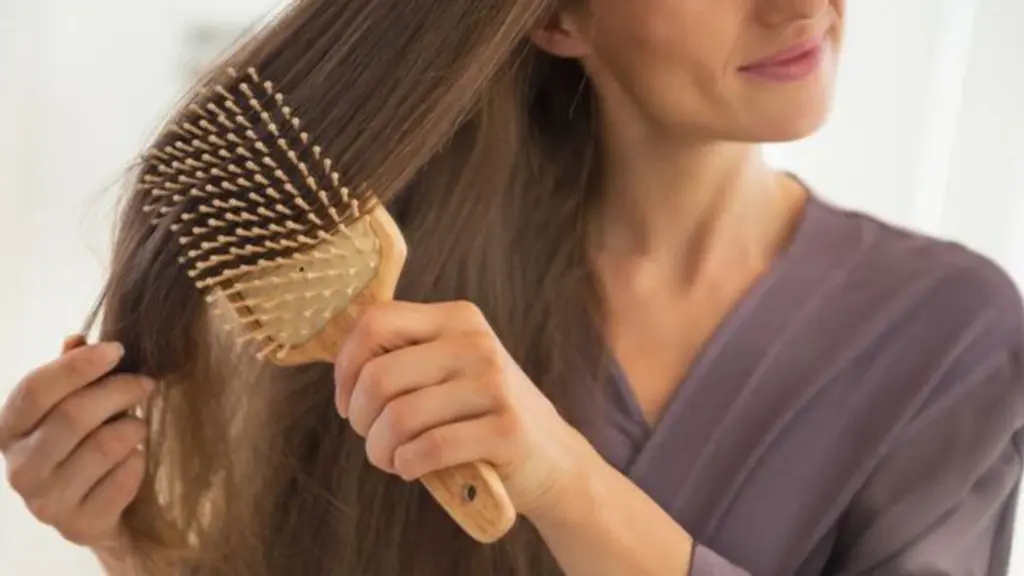
This is the only time you should comb wavy hair.
Step 3: Leave-In Products and Styling
Leave-in conditioner locks in moisture between washes.
Go lightweight, especially with 2A or 2B waves.
A quarter-sized amount covers medium-length hair perfectly.
Cream or Gel: What Should Beginners Choose?
- Creams add softness and light hold, perfect for dry or frizzy waves
- Gels create definition and lasting hold, ideal if your waves disappear fast
- Start with a light gel as a beginner for easier control and visible results
Step 4: How to Dry Wavy Hair the Right Way
You’ve washed, conditioned, and styled your waves.
Drying how you dry your hair matters just as much as the products you use.
- Rough towel drying creates instant frizz and disrupts your wave pattern
- High heat from blow dryers can damage your waves and make them fall flat
- Even air drying the wrong way leaves you with flat roots and puffy ends
- The proper drying method keeps your waves defined, bouncy, and frizz-free
Pro Tip: Flip your head upside down, apply product to soaking wet hair, and scrunch upward like you’re squeezing a stress ball. That squelching sound means your waves are forming naturally.
Wavy Hair Care Products for Beginners
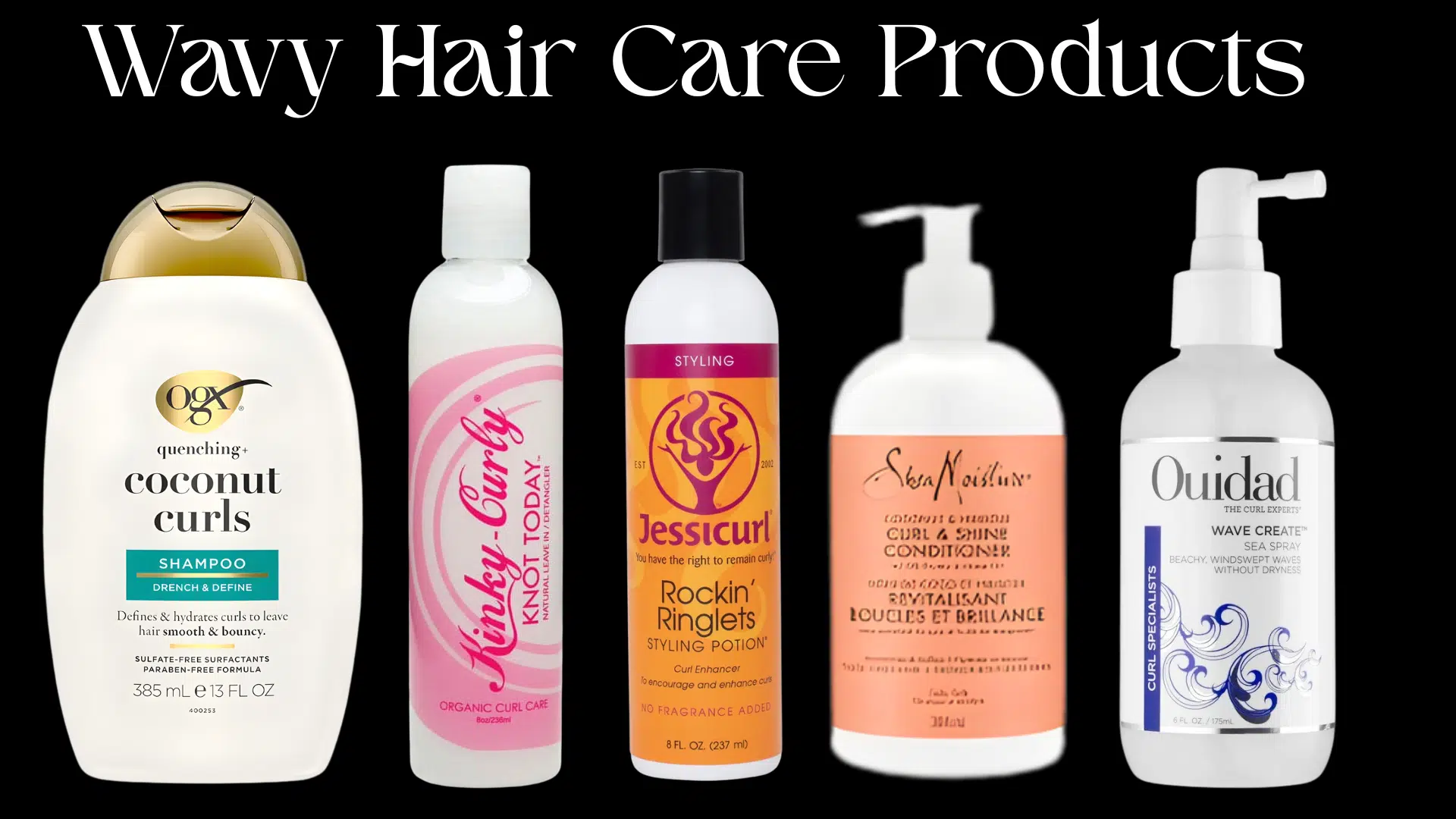
Wavy hair sits right in the middle, so it needs lightweight hydration and frizz control without getting weighed down. The right products define your waves, lock in moisture, tame frizz, and add shine.
1. Shampoo
Wavy hair doesn’t need heavy cleansing every day, but it does need sulfate-free formulas that keep natural oils intact.
Beginner-Friendly Picks:
- SheaMoisture Curl & Shine Shampoo (gentle and nourishing)
- Briogeo Curl Charisma Shampoo (sulfate-free and wave-friendly)
- OGX Quenching + Coconut Curls Shampoo (budget-friendly option)
2. Conditioner
Conditioner gives your waves slip for easy detangling and keeps them soft without stiffness or frizz.
Top Picks:
- SheaMoisture Coconut & Hibiscus Conditioner
- Not Your Mother’s Beach Babe Conditioner (great for natural waves)
3. Leave-In Conditioner
Leave-ins maintain moisture between washes and prep your hair for styling, especially if you’re air drying.
Great Starter Options:
- Kinky-Curly Knot Today (light yet effective)
- Jessicurl Rockin’ Ringlets
4. Styling Products
Your waves need a little push to show their pattern.
Creams
Adds moisture, reduces frizz, and keeps waves soft.
Best for dry or frizz-prone hair.
- Moroccanoil Curl Defining Cream
- Ouidad Wave Create Sea Spray (lighter option)
Gels
Holds your wave pattern and fights frizz. Perfect for waves that need more structure.
- Eco Styler Olive Oil Gel (budget pick with strong hold)
- DevaCurl Ultra Defining Gel
Sea Salt Sprays
Adds texture and creates beachy waves. Great for fine hair that needs volume.
5. Weekly Treatment
Once a week, give your waves deeper hydration to prevent dryness and breakage.
Good Weekly Masks
Pro Tip: The best products won’t fix your waves overnight. Stick with the same routine for three to four weeks before switching things up, because your hair needs time to adjust and show you what’s actually working.
Do’s and Don’ts for Your Waves
Some habits help your waves thrive, while others create frizz, flatness, and frustration.
| Do’s | Don’ts |
|---|---|
| Wash based on your scalp’s needs (every 1-3 days) | Overwash or underwash out of habit instead of listening to your hair |
| Use lightweight products designed for wavy hair | Load up on heavy creams and butters meant for tight curls |
| Detangle only when hair is wet with conditioner in | Brush through dry waves (hello, frizz and breakage) |
| Deep condition once a week for extra moisture | Skip conditioner or treatments because you’re in a rush |
| Sleep on silk or satin pillowcases to reduce friction | Use cotton pillowcases that rough up your waves overnight |
| Give new routines 3-4 weeks to show results | Switch products every few days and expect instant, perfect waves |
Final Thoughts
Healthy wavy hair isn’t about fighting your texture or buying every product out there.
It’s about understanding what your waves need and showing up consistently.
Start simple with a sulfate-free shampoo, good conditioner, and one styling product.
Your waves are unique, and once you figure out their rhythm, taking care of them becomes second nature.
What’s working for your wavy hair right now?