
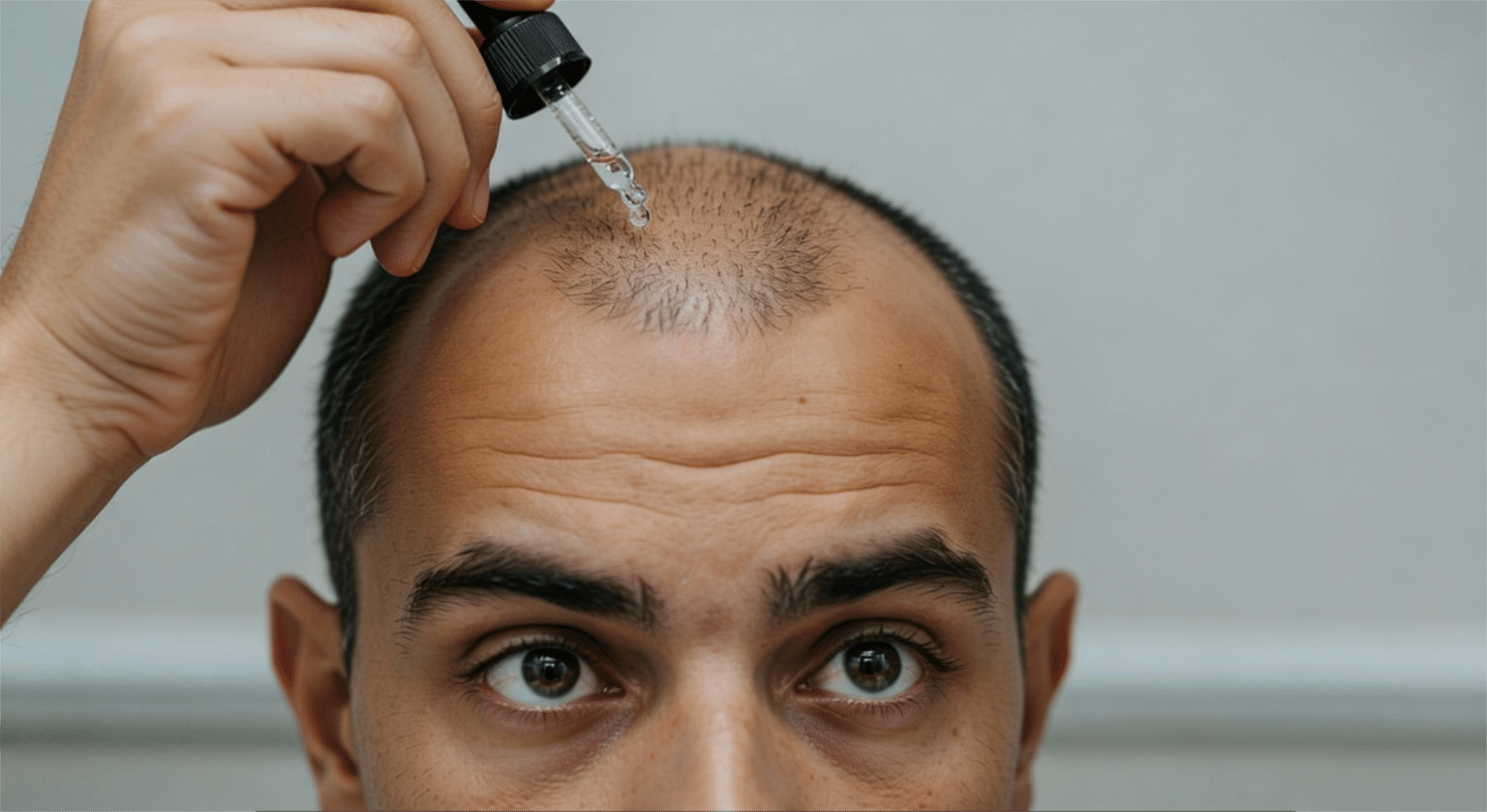
Noticing more forehead than before?
A receding hairline affects millions of men and women every single day. Minoxidil offers real hope for regrowing hair along that receding hairline.
This FDA-approved treatment has helped countless people slow down hair loss and even stimulate new growth where it matters most.
But let’s know if minoxidil for receding hairline actually works.
This information is for general learning only and isn’t medical advice. Always talk to a doctor before starting Minoxidil or any hair-loss treatment.
What Causes a Receding Hairline?
Receding hairlines usually follow an M-shape pattern.
Most people experience the corners of their forehead starting to thin first, while others experience more uniform thinning across the entire hairline.
But first, let’s know what causes it.
- Genetics: Androgenetic alopecia (hereditary hair loss) is the most common cause. If your parents experienced it, you’re more likely to as well.
- Hormones: DHT (dihydrotestosterone), a testosterone byproduct, shrinks hair follicles over time.
- Age: Men typically notice changes in their 20s-30s, while women see thinning in their 40s-50s.
- Stress: Chronic stress triggers your body to redirect resources away from non-essential functions like hair growth.
- Nutritional deficiencies: Lack of iron, vitamin D, or protein starves follicles of what they need to thrive.
- Tight hairstyles: Constant tension from ponytails, braids, or buns causes traction alopecia along the hairline.
- Medical conditions: Thyroid disorders, autoimmune diseases, and hormonal imbalances can trigger hair loss.
- Medications: Certain drugs, including blood pressure medications, antidepressants, and chemotherapy agents, cause shedding as a side effect.
What is Minoxidil, and How Does it Actually Work?
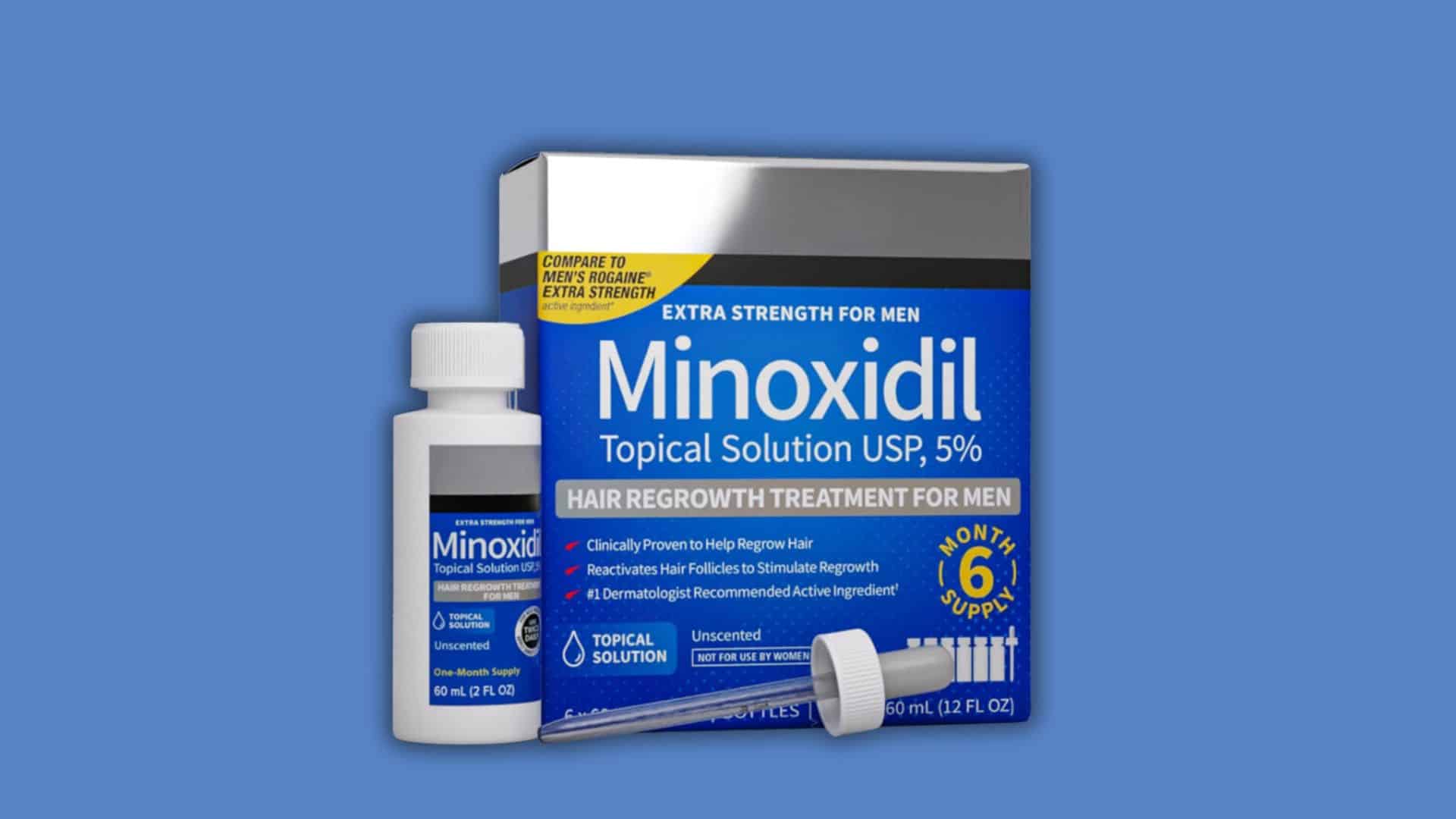
Minoxidil is a topical solution or foam you apply directly to your scalp. It’s one of only two FDA-approved treatments for hair loss (the other being finasteride).
It comes in two strengths. The 5% formula is typically more effective, though the 2% version causes fewer side effects for some people.
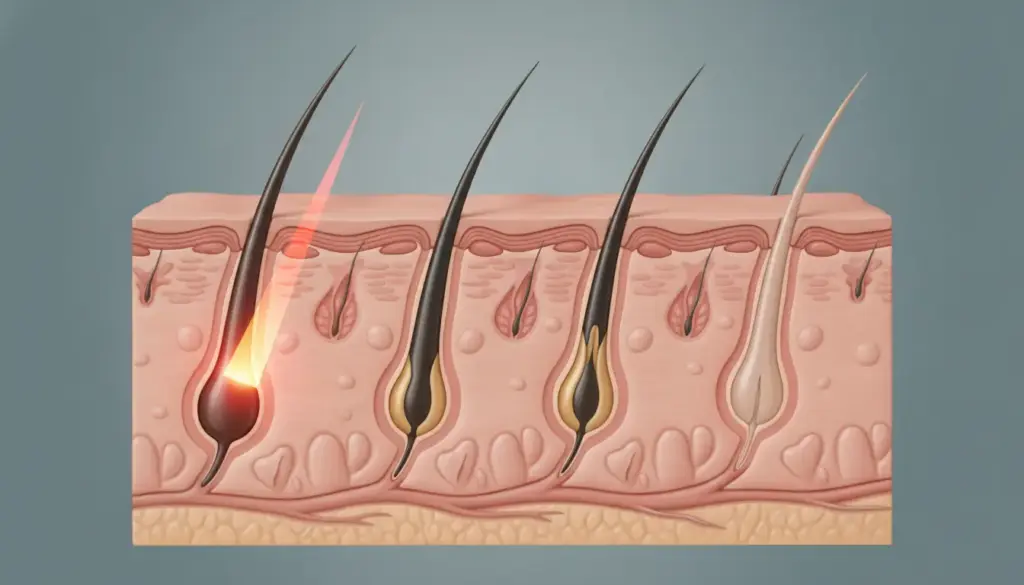
Scientists aren’t entirely sure how minoxidil stimulates hair growth, but here is the identified mechanism.
Phase 1: It widens blood vessels in your scalp, increasing blood flow.
Phase 2: It extends the growth phase, allowing individual hairs to grow longer and thicker.
Phase 3: It may reactivate shrunken hair follicles and get them producing hair again.
What does it do for Your Hairline?
When you apply minoxidil to a receding hairline, it targets those follicles along your temples and forehead over time, and we’re talking months, not weeks.
You might notice existing hairs becoming thicker and stronger, with new baby hairs sprouting along the hairline.
Over time, hair loss slows down, and treated areas look fuller overall.
Different Minoxidil Products
Minoxidil comes in different forms. Choosing the right one matters for your routine and results.
| Type | Best For | Pros | Cons |
|---|---|---|---|
| Liquid Solution | Precise application on the hairline | Affordable, targets specific areas, absorbs quickly | Greasy residue and slower drying, may irritate the scalp |
| Foam | Daily convenience | Dries fast, no greasy feel, less irritation | Higher cost, less precise application |
| Generic | Budget-conscious users | Same effectiveness as brand name, significantly cheaper | No difference from branded versions |
| Rogaine (Brand) | Brand preference | Trusted name, widely available | More expensive, same active ingredient as generic |
Popular tip: 5% foam offers the best balance of effectiveness and convenience for treating receding hairlines.
Who is it Best For?
Minoxidil delivers the best results for people who catch their receding hairline early.
If you’ve been losing hair for less than five years, your follicles are still responsive and capable of regrowth.
You’re a good candidate if you have:
- hereditary hair loss
- still have fine hairs in thinning areas
- show consistency in applying it
Just know, completely bald patches with no active follicles won’t respond well.
Should You Start Using Minoxidil?
The big question. If your hairline is receding and you want to do something about it, minoxidil is worth considering.
It’s affordable, accessible without a prescription, and backed by decades of research.
Remember, it won’t restore a full head of hair overnight, but it can slow loss and stimulate regrowth in many cases.
Side Effects:
Most people tolerate minoxidil well, but some side effects can happen.
| Side Effect Type | What You May Notice |
|---|---|
| Common | Redness, itching, or flaking on the scalp |
| Irritation Trigger | Liquid formulas may irritate due to propylene glycol |
| Early Shedding | Extra hair fall in the first weeks as old hairs shed |
| Less Common | Unwanted facial hair, dizziness, fast heartbeat |
| Rare but Serious | Chest pain, swelling in hands or feet |
Some users experience increased shedding during the first few weeks. Don’t panic. This is actually normal. Your hair follicles are cycling out old, weak hairs to make room for the new growth.
Popular tip: Propylene glycol is in liquid formulas, which can cause a side effect, so switching to foam often helps.
How to Use Minoxidil for Your Receding Hairline
Step-by-step instructions on applying minoxidil correctly to treat a receding hairline, including dosage, application techniques, and timing.
Step 1: Start with a Clean, Dry Scalp
Wash your hair if needed, then towel-dry completely. Moisture creates a barrier preventing minoxidil from penetrating your scalp properly.
If you’ve just showered? Waiting for 10-15 minutes is advised to ensure your scalp is fully dry.
Note that minoxidil doesn’t absorb well on wet hair.
Step 2. Apply the Recommended Dose
For liquid, that’s 1 ml twice daily. For foam, it’s half a capful.
Use the dropper or applicator that comes with the product to measure accurately. More isn’t better, as it won’t speed up your hair growth and only increases the risk of side effects.
Always stick to the recommended dosage.
Step 3: Target the Affected Areas
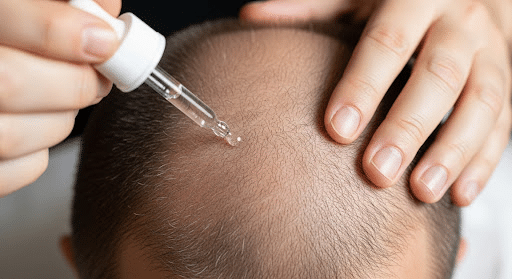
Focus on your receding temples and hairline. Part your hair if needed to reach the scalp directly. The product needs skin contact, not just hair.
If you’re using liquid, apply it drop by drop along the hairline.
While with foam, dispense it onto your fingers first, then dab it onto the thinning areas.
Don’t spread it all over your head if only specific zones are receding.
Step 4: Massage it in Gently
Use your fingertips to work it into your scalp, this allows absorption and stimulates blood flow.
Spend about 30 seconds massaging to ensure the product spreads evenly across the required area.
Don’t rub aggressively. Give gentle pressure.
Step 5: Let it Dry Completely
Wait at least 4 hours before washing your hair. For best results, apply it at night and wash in the morning.
Avoid sweating heavily right after application, as perspiration can wash away the product before it works.
Step 6: Wash Your Hands Afterward
You don’t want minoxidil on your face or in other areas where hair growth isn’t desired.
The product can stimulate hair growth wherever it touches skin, and unwanted facial hair is a common complaint.
Don’t skip days. Consistency is everything.
Myths vs Facts
1. Women shouldn’t use 5% minoxidil.
Women can use 5% minoxidil, though the 2% version was originally marketed to them.
The stronger formula may produce better results, but it also carries a higher risk of unwanted facial hair growth.
2. Minoxidil works overnight.
Hair growth takes time; expect to wait 2-4 months before seeing results. Some people need 6 months or longer. Being patient is essential.
You cannot rush the cycle of your follicles.
3. Minoxidil thickens all hair on your head.
Minoxidil only affects a receding hairline.
It won’t magically thicken hair on the sides or back of your head unless you apply it there too.
4. More product means faster results.
Using more than the recommended dose won’t speed up hair growth.
It only increases your risk of side effects like scalp irritation and unwanted hair growth elsewhere.
5. You can stop once your hair grows back.
Stop using minoxidil, and you’ll lose the hair you regained within 3-4 months. The treatment doesn’t cure hair loss; it manages it.
Think of it like taking vitamins; the benefits only last as long as you keep taking them.
Concluding: Is Minoxidil Worth Trying?
So, what’s your answer? Is minoxidil for receding hairlines?
For most users, yes. Especially if you’re catching hair loss early and can commit to the routine.
You’ll need patience, consistency, and realistic expectations. But it’s one of the few treatments with real scientific evidence, and it’s accessible without expensive doctor visits.
Ready to give it a try?
Start with the 5% foam, apply it twice daily, and allow at least 4 months before judging results.