
That bottle of hair gummies probably did not come from the brand on the label. A different company built it. The brand designed the look, picked the formula, and ran the ads.
A separate factory mixed the powder, filled the capsule, and printed the panel.
That gap is worth knowing before you buy. The factory behind a supplement is a private-label maker like Superior Supplement Manufacturing, and that partner shapes the real quality of what reaches your bathroom shelf.
This guide explains how those bottles get made and how to read one with a sharper eye.
You do not need a science background to do this. You need a short checklist and a slower scroll. We will not claim any supplement grows or thickens hair. We will only look at how the product is built, tested, and labeled.
Who Actually Makes Your Hair Vitamins?
Most beauty and wellness brands do not own a factory. They hire a contract manufacturer to turn a recipe into a finished bottle. The brand handles design and marketing, and the maker handles the rest.
A capable contract maker can offer several delivery formats. Those include capsules, tablets, softgels, powders, and gummies. The format is a manufacturing choice, not a sign that one works better than another.
Founded in 2015 and based in Fountain Valley, California, that kind of partner sources raw material, blends it, fills each unit, and designs the label.
Readers who compare hair products by their ingredients can apply the same eye to the bottle. Knowing the supply chain is the first step to judging the product.
Three signals separate a serious manufacturer from a broker who simply relabels bulk stock:
- In-house formulation rather than buying a generic premix.
- Multiple delivery forms built under one roof.
- Batch records that trace every lot back to its raw ingredients.
How Does a Supplement Get Formulated and Filled?
Production starts long before a capsule appears. A maker weighs each ingredient, blends the batch, and checks that the mix is even. Only then does the fill begin.
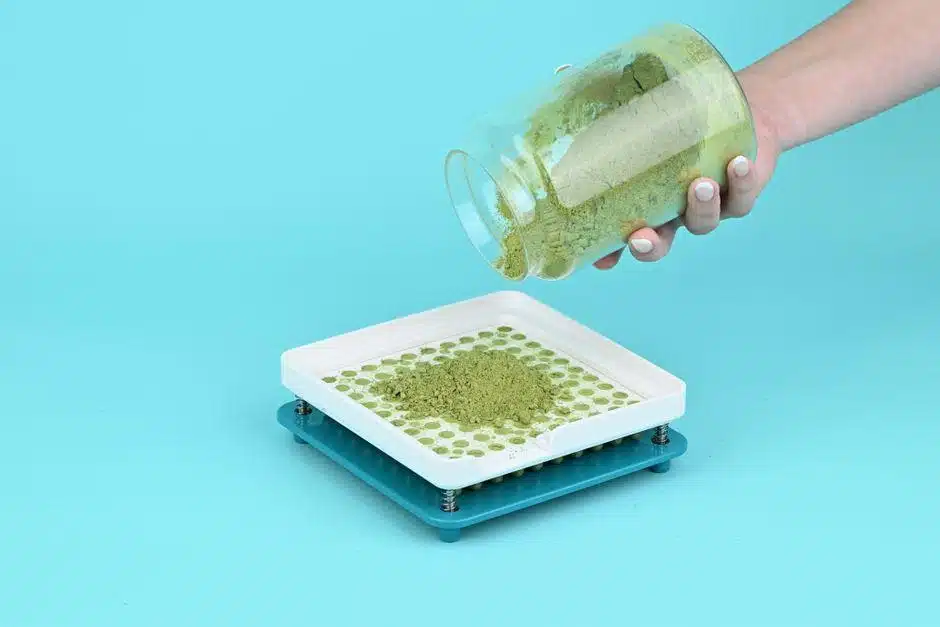
The fill step turns powder into a finished unit. A capsule machine drops a measured dose into each shell, while a tablet press compresses powder into a hard disc. A gummy line pours liquid into molds and lets it set.
Consistency is the quiet goal across every format. Two bottles bought 6 months apart should hold the same dose and the same purity. That repeatability is what a careful factory is paid to deliver.
What Rules Does a U.S. Factory Have to Follow?
Supplement production in the United States is not a free-for-all. The Food and Drug Administration treats these products as a category of food, not as drugs. A binding rulebook still governs how they are made.
The current good manufacturing practice rules live in Title 21 of the Code of Federal Regulations, Part 111. The FDA published the final rule on June 25, 2007, and it set a staggered phase-in.
Large companies with 500 or more employees had to comply by 2008, and the smallest makers had until 2010.
Part 111 covers the plant, the equipment, the people, and the records. The rules on dietary supplement labeling then dictate what the bottle must show. A maker either passes inspection or it does not.
When a brand says its product is made in a cGMP facility, that is the standard it points to. The claim describes how the product was built. It says nothing about a hair result.
How Can You Tell a Quality Bottle From a Vague One?
Following the rules is the floor, not the ceiling. The best makers test what comes in and what goes out, then publish proof a third party can check. That is where independent certification earns its place.
National programs anchor that trust. The NSF dietary supplement program runs label-claim review, toxicology review, and contaminant checks, then audits the plant each year.
A facility may also hold marks from the Therapeutic Goods Administration or the USDA Organic program.
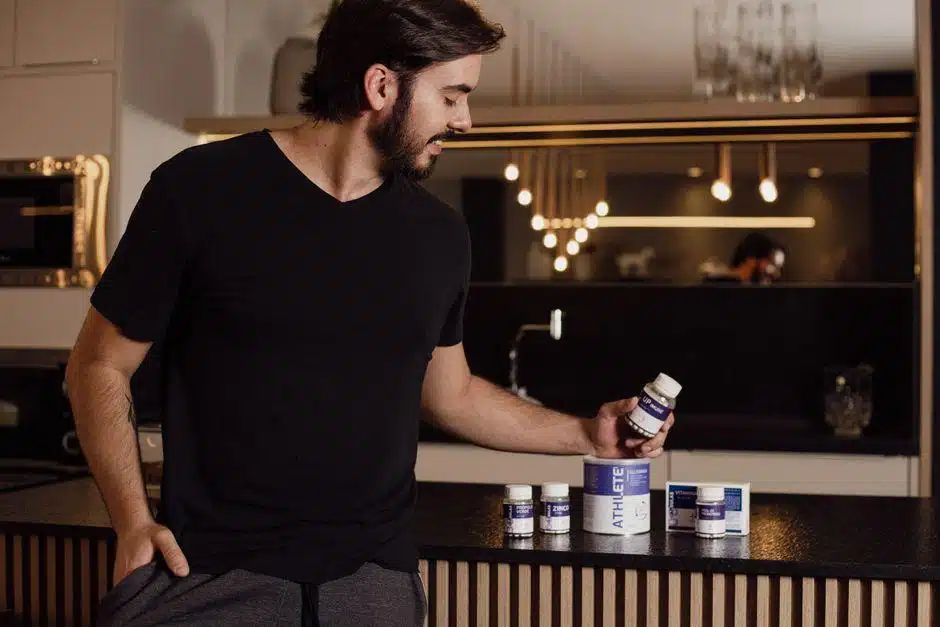
The label itself tells you a lot in under a minute. Federal rules require a statement of identity, a net quantity, a Supplement Facts panel, an ingredient list, and the name and place of the maker, packer, or distributor.
Run this quick scan before you buy:
- Look for a third-party certification mark from a recognized group.
- Find a printed lot number for traceability.
- Read the Supplement Facts panel for exact amounts.
- Check for a clear name and country of manufacture.
A confident brand shows all four of those signals without hiding any. A vague label that drops the numbers is the one to question.
What Should a Hair-Care Reader Look For First?
You already judge a styling product by its ingredient list. Apply that same habit to a supplement bottle. The value is not the gold foil on the box. It sits in the formulation, the testing, and the records behind it.
Ask 3 questions before you commit to a brand. Who actually manufactures this product? What certifications does that facility hold? Can the company show batch testing on request?
The same caution you bring to DIY hair remedies serves you well at the supplement aisle. A trustworthy brand answers all three within a day or two. None of this proves a supplement changes your hair, and that is the honest point.
Frequently Asked Questions
What Is a Contract Supplement Manufacturer?
A contract manufacturer makes supplements for a brand that owns the recipe and the label. The brand handles design and marketing, while the maker handles sourcing, blending, filling, and packaging. This private-label model lets a small company sell a finished bottle without building a factory. Most shelf brands in beauty and wellness use one.
Does a Good Manufacturing Claim Mean a Supplement Works?
No, and that is the key point. The cGMP mark stands for current good manufacturing practice, a set of FDA rules under 21 CFR Part 111.
The claim signals that the facility follows a documented quality system and can pass inspection. It describes how the product was made, not whether it changes your hair.
How Do I Read a Supplement Label Quickly?
Start with the Supplement Facts panel, since it lists each ingredient and its exact amount. Check for a third-party certification mark and a printed lot number.
Confirm the bottle names the maker, packer, or distributor and a country of manufacture. Vague wording and missing numbers are warning signs worth a pause.
Why Do Hair Supplement Labels Avoid the Word Cure?
Federal rules forbid disease claims on dietary supplements. A product that claims to cure or treat a condition would be marketed as a drug, which triggers a far stricter path.
So compliant labels use structure-function wording like “supports” instead. The phrasing is a legal choice, and it makes no promise about a fixed result.