
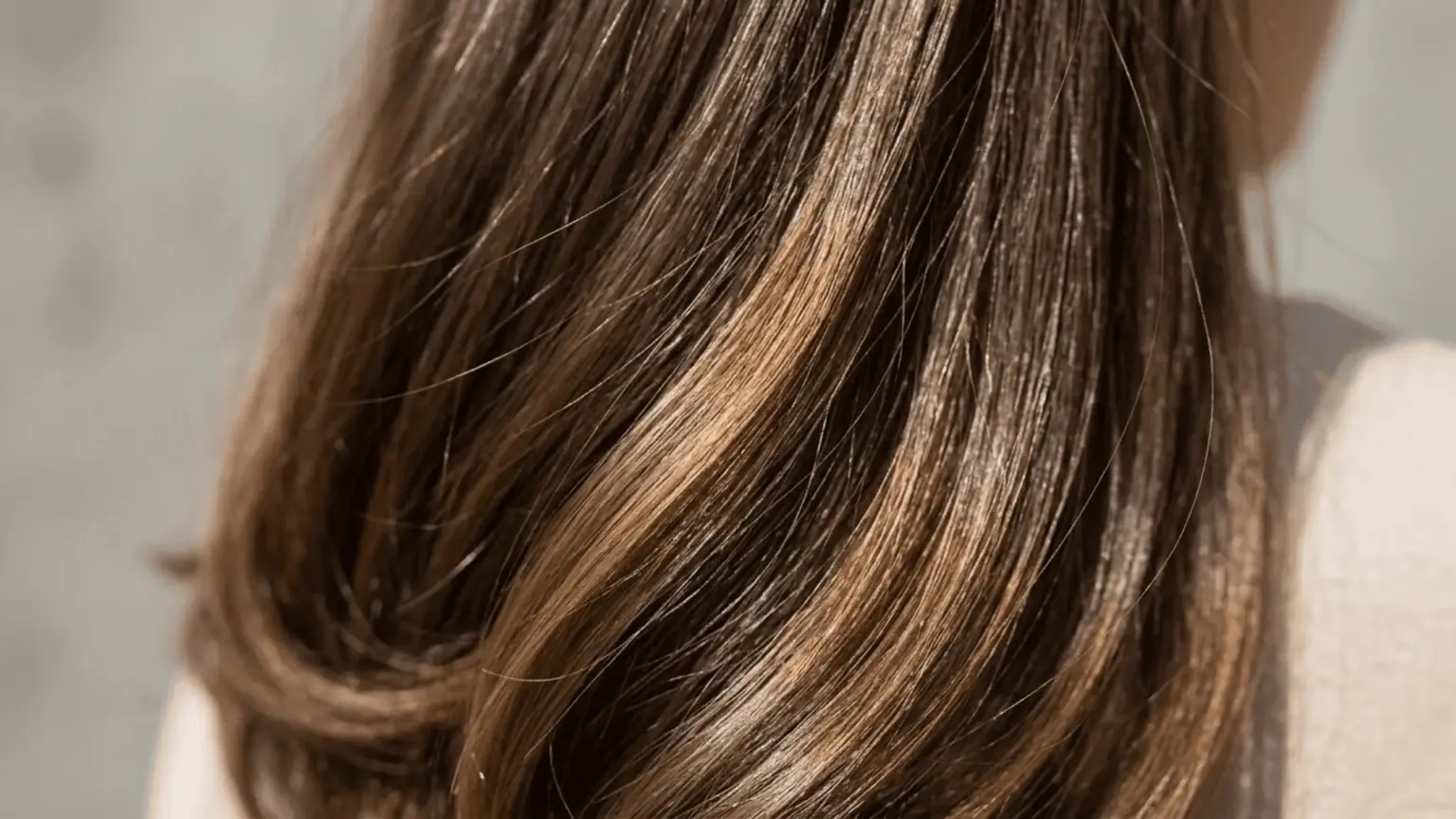
You loved your lowlights when you left the salon. Then one morning in natural light, you notice a warm orange tint.
It can feel disappointing, especially if you were aiming for a cool smart look.
If you have been wondering why lowlights look orange and how to fix brassy tones, you are not alone.
This happens for predictable reasons rooted in hair chemistry.
Let’s make it simple.
Why Lowlights Look Orange?
Several factors contribute to orange lowlights.
Color fading is the most common reason. Washing, sun exposure, and heat styling break down artificial pigments.
Porous hair also plays a role. Hair that has been bleached or heavily styled cannot hold pigment evenly.
Hard water minerals like iron and copper can leave deposits that shift color to warmer.
Have you noticed your hair looking warmer after vacation? Sunlight accelerates fading.
Below are the main reasons why lowlights look orange that help you to understand it a little better:
1. Natural Underlying Pigment
Every hair level contains warm pigment beneath the surface.
- Dark brown hair exposes red-orange undertones
- Medium brown reveals orange
- Lighter levels show yellow
When lowlights fade, these warm pigments become visible. This is normal chemistry, not a mistake.
2. Color Fading Over Time
Artificial pigments break down gradually with:
- Frequent washing
- Sun exposure
- Heat styling
Cool tones fade faster than warm tones. Once the cooler pigment weakens, warmth underneath starts to dominate.
Have you noticed the shift becoming more obvious after a few weeks? That timing is typical.
3. High Porosity Hair
Hair that has been previously lightened or heavily heat styled often has raised cuticles.
- Porous strands absorb color quickly
- They also lose pigment quickly
- Tone fades unevenly
When cool pigments escape faster, the result can look brassy.
4. Hard Water and Mineral Buildup
Minerals such as iron and copper attach to the hair shaft.
- Over time, they create a warm tint
- They distort cooler shades
- They make toning products less effective
If you live in an area with hard water, this could be a major factor.
5. Warm Tone Selection During Application
Sometimes the issue starts at the consultation. Many clients also ask about lowlights compared with modern highlight trends in salons before choosing the final color plan.
If lowlights were formulated with a warm brown instead of a neutral or ash base, they might appear orange as they fade.
Even a slightly warm undertone can become more noticeable after a few washes. This is why tone selection is just as important as placement
How to Fix Brassy Lowlights?
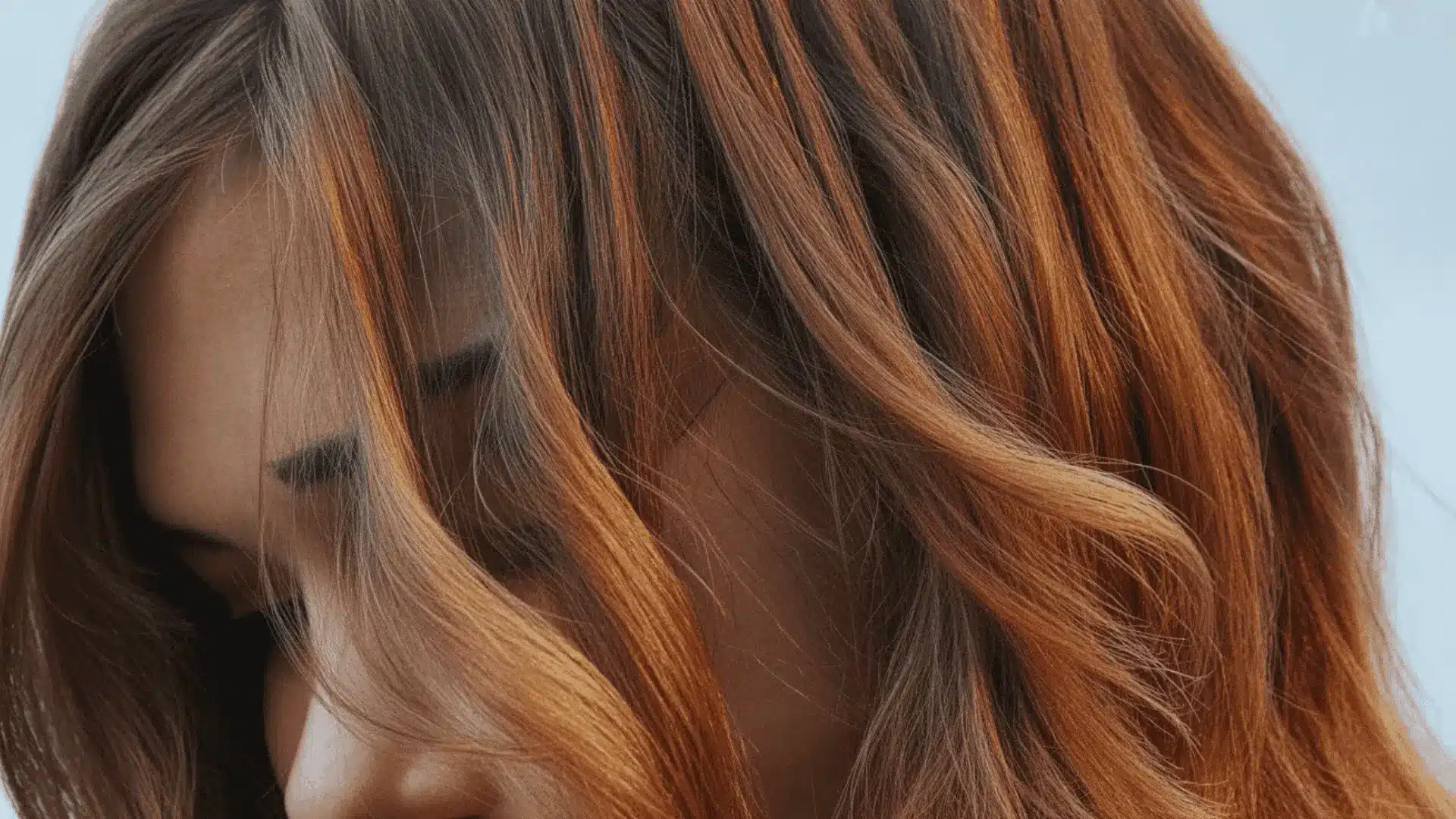
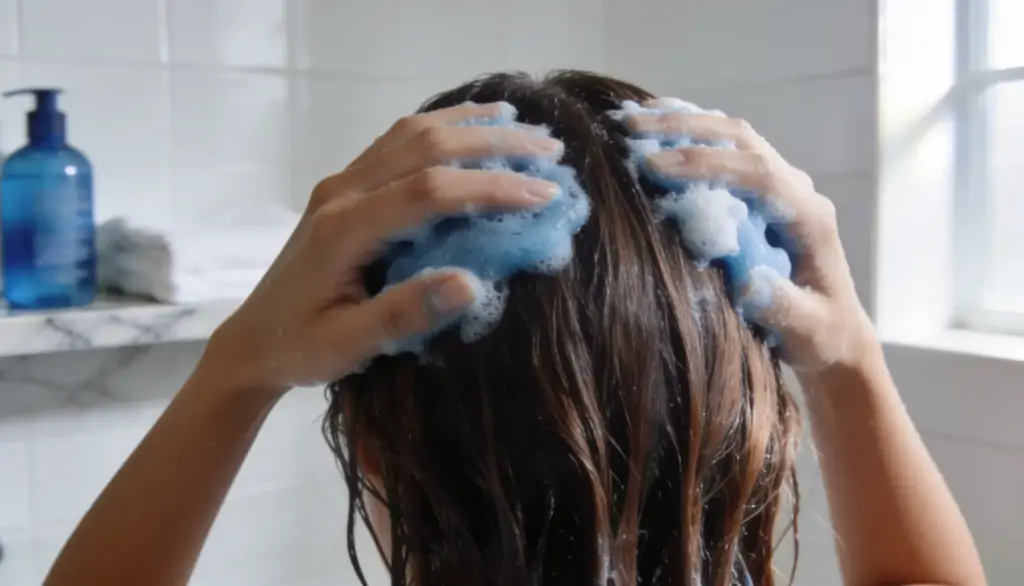
Blue toning shampoo is the first step. Blue neutralizes orange on the color wheel. Use it once or twice weekly, leaving it on briefly before rinsing.
Purple shampoo is not effective for orange tones because it targets yellow.
A professional gloss treatment can refresh tone without aggressive processing. Gloss adds shine and deposits cooler pigments to rebalance warmth.
Clarifying treatments can remove mineral buildup before toning. This helps toning products work more effectively.
Deep conditioning supports color retention. Healthy hair holds pigment longer.
Preventing Orange Lowlights
- Choose neutral or cool-toned lowlights during consultation if you want to minimize warmth later.
- Limit excessive heat styling. Use thermal protectants.
- Consider installing a shower filter if hard water is common in your area.
- Regular toning prevents strong brassiness from developing.
- Small maintenance steps keep color balanced longer.
Final Thoughts
Orange tones usually appear when underlying warmth becomes visible as color fades. Understanding this helps you approach correction calmly.
With proper toning, conditioning, and occasional professional glossing, balance can be restored without heavy processing.
Hair color requires upkeep, but when you understand the cause, the fix becomes much simpler.
Frequently Asked Questions
Why Do My Lowlights Look Orange After a Few Weeks?
Warm undertones become visible as cooler pigments fade.
Can Blue Shampoo Remove Orange Tones Completely?
It neutralizes warmth but may need professional gloss for full correction.
Does Hard Water Cause Brassiness?
Yes, mineral buildup can shift tone warmer over time.
Should I Recolor Immediately?
It is better to tone first before applying permanent color again.