
Your face wash says gentle cleanser, but your skin still feels tight, dry, and congested. Have you tried foam cleansers, gel cleansers, and micellar water?
But nothing really seems to work for your skin?
Oil cleansing can help. But how to oil cleanse? If you are curious, keep reading.
What is Oil Cleansing?
Oil cleansing is an ancient bathing ritual that originated in Greece, Rome, and Egypt, where people used olive oil and other plant-based oils to cleanse their skin.
It is the process of using a facial oil to wash your face instead of a regular cleanser.
The idea comes from a chemistry principle, which is that oil dissolves oil, simple, right?
So when you massage oil onto your skin, it binds to dirt, makeup, sunscreen, and the extra sebum in your pores. And then you wipe it all away cleanly.
It works for most skin types, including oily, dry, acne-prone, and sensitive skin, but it is always safer and better to test before you use it fully!
How to Oil Cleanse Your Skin: Step-by-Step
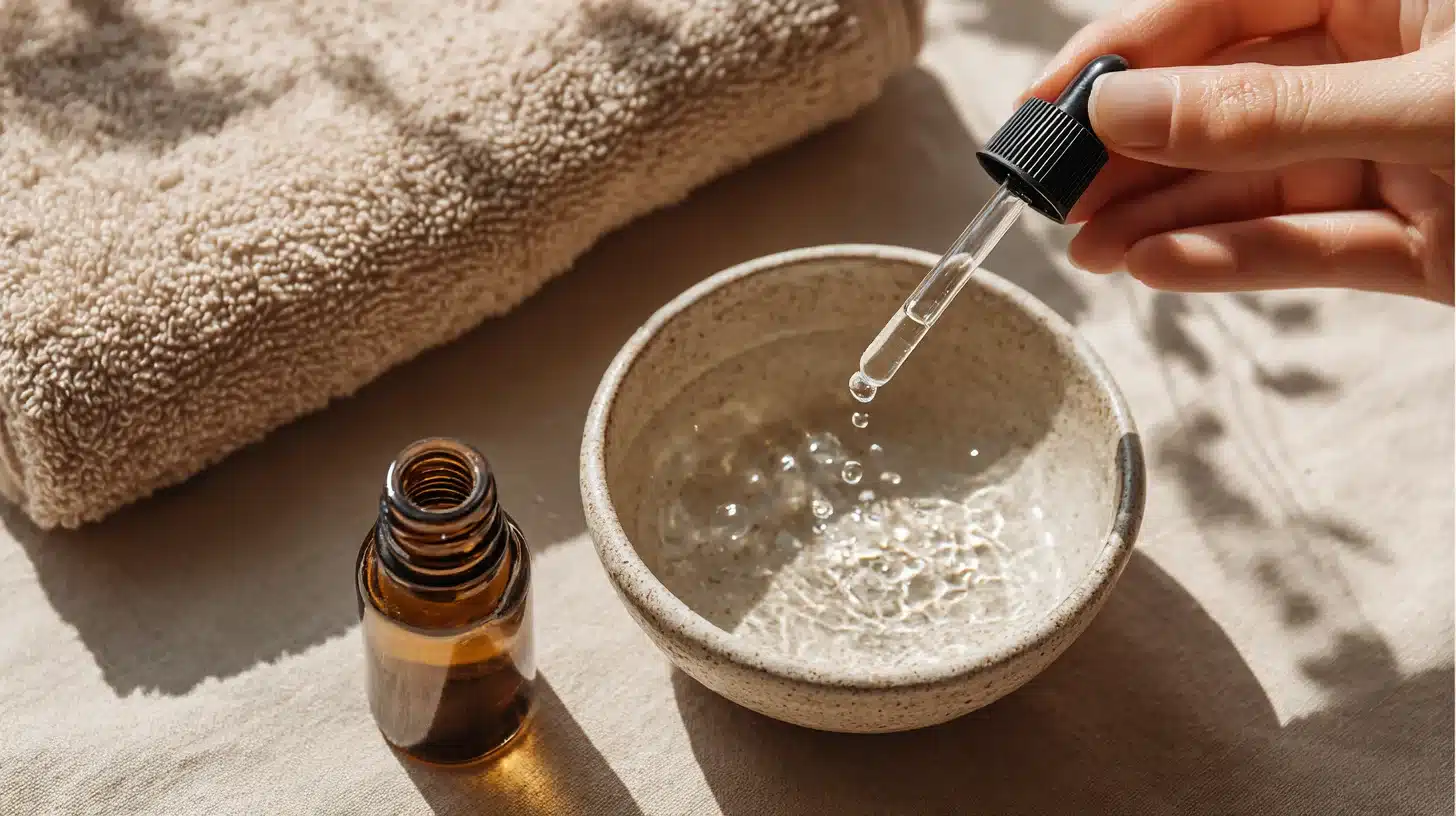
People skip steps or rush through the process and then wonder why it didn’t work.
Learning how to cleanse with the oil the right way is more about technique than the product you use.
Step 1: Start with Dry Hands and a Dry Face
Apply a coin-sized amount of oil onto completely dry skin. Wetting your face first stops the oil from bonding with makeup and sebum properly.
One coin-sized amount is enough, so don’t overdo it.
Step 2: Massage Gently
Use slow circular motions across your face for 60 seconds, focusing on congested areas like your nose and chin.
People scrub harder, thinking it means a deeper clean, but your skin only needs light, consistent pressure to loosen everything properly.
Think of it less like scrubbing a pan and more like a gentle face massage.
Step 3: Emulsify with Warm Water
Splash warm water onto your face and keep massaging until the oil turns milky white.
This is the step most people skip, and it’s also the reason most people blame oil cleansing for breakouts. Skipping emulsification just redistributes the dirt dissolved in your face rather than lifting it off.
Step 4: Rinse Thoroughly
Rinse with lukewarm water until your skin feels clean and not greasy.
Under-rinsing is the most common reason people experience breakouts after oil cleansing.
How Does Your Skin React to Oil Cleansing?
Your skin will feel noticeably softer and cleaner right after your first session.
Makeup and sunscreen come off far more completely than with a regular cleanser.
In the first few weeks, you can experience
- Purging: Small breakouts in the first week are normal as your pores clear out.
- Irritation: Redness or sensitivity usually means the oil you chose isn’t right for your skin type.
- Long-term: With consistency, people notice balanced oil production, fewer clogged pores, and softer skin overall.
Don’t panic and quit during the purging phase. Give it at least three weeks before deciding if oil cleansing is working for you.
Best Oils for Oil Cleansing?
A good cleansing oil feels lightweight, rinses off cleanly, and doesn’t leave your skin feeling greasy.
- Jojoba works for almost every skin type.
- Castor oil gives a deeper clean when mixed with lighter oils.
- Rosehip is great for sensitive skin.
Store-bought oils are easier for beginners, while DIY blends give you more control over your ingredients.
Always avoid blends with added fragrance or alcohol.
Oil Cleansing vs Traditional Face Wash
| Factor | Oil Cleansing | Traditional Face Wash |
|---|---|---|
| Cleansing Method | Dissolves oil-based impurities | Removes water-based dirt |
| Best For | Makeup, sunscreen, sebum | Light daily cleansing |
| Skin Feel After | Soft, nourished | Sometimes tight or dry |
| Can They Combine? | Yes, double cleansing uses both | Yes, follow oil with a gentle wash |
What Cleanser Should You Go For?
Your cleanser should leave skin feeling clean and comfortable, never tight or dry. If it does, it’s time to switch.
Mornings rarely need oil cleansing since skin doesn’t accumulate much overnight.
- Dry skin: Cream or oil-based formula, use daily at night.
- Oily skin: Lightweight gel cleanser, three to four times a week.
- Acne-prone skin: Non-comedogenic formula, three to four times a week.
- Sensitive skin: Fragrance-free with minimal ingredients, two to three times a week.
If You Don’t Like Oil Cleansing, Try This!
Oil cleansing works great for many people, but it’s not the only good option. There are some alternatives worth knowing about.
The best cleanser is always the one your skin actually responds well to, so don’t overthink it.
Micellar water
A gentle, no-rinse option that works well for sensitive skin and light makeup removal. It’s quick and very low effort.
Gel cleansers
These work well for oily and acne-prone skin since they cut through excess sebum without feeling heavy on the skin.
Foam cleansers
Give a deeper clean and works best for normal to oily skin types, but can feel too stripping for dry or sensitive skin.
Cream cleansers
Thick, hydrating, and ideal for dry or sensitive skin, as they clean without stripping the skin’s natural moisture.
Minimal skincare routines
If your skin is generally balanced, a simple fragrance-free cleanser, either a cream or a gel, once a day is genuinely enough.
Can You Use an Oil Cleanser for Closed Comedones?
Yes, oil cleansing can help with closed comedones, but the oil you pick really matters here.
Heavy oils like coconut oil can make them worse by further clogging already blocked pores.
Lighter, non-comedogenic oils like jojoba or grapeseed work much better since they dissolve the sebum plugs without clogging pores further.
Give it a few consistent weeks before expecting visible results.
Wrap Up
Nobody wants to add another step to their routine only for it to make things worse.
That fear is completely valid, but oil cleansing is probably the one skincare switch that actually delivers on its promise when done right.
Giving it a few weeks of something gentler and more effective is the least you can do for it.
Will it work for everyone? No, but it will work for most people who pick the right oil and follow the steps properly.
Ready to give it a shot? Pick your oil, follow the steps in this guide, and let your skin do the talking.
Frequently Asked Questions(FAQs)
1. Can Oil Cleansing Remove Milia?
Oil cleansing cannot remove milia. They are trapped keratin deposits that need professional extraction.
2. Can Cleansing Oil Help with Blackheads?
Yes, oil cleansing can help with blackheads by dissolving the excess sebum and debris that clog pores.
3. How to Oil Cleanse for Sebaceous Filaments?
Massage cleansing oil over congested areas for 60 seconds before rinsing.