
Self-care lists tend to cover skin, hair, sleep, and the occasional long bath. The retainer sitting in a drawer since 2019 rarely makes the cut, right up until someone notices their lower front teeth have started overlapping again. Two years of orthodontic work quietly undoes itself while nobody is paying attention.
Replacing one costs a fraction of redoing treatment, which is why the search for cheap retainers near me makes complete sense as a first move. Where that search goes sideways is the gap between a genuinely affordable replacement and a cheap one that fits badly enough to shift teeth in the wrong direction.
Why Teeth Move at All After Treatment Ends
The periodontal ligament holding each tooth in its socket behaves like elastic tissue. Orthodontic movement stretches those fibers, and they spend months trying to pull the tooth back toward its original position. Bone around the root takes roughly a year to fully reorganize, and the ligament fibers longer than that.
Aging adds a second layer. Lower front teeth crowd gradually throughout adulthood regardless of whether someone ever wore braces, driven by jaw growth patterns that continue into the thirties and forties. This is the reason orthodontists stopped describing retainer wear as a two-year assignment and started describing it as a nighttime habit that continues indefinitely.
Miss a few nights and nothing happens. Miss three months and the retainer feels tight going in, which is the tissue telling you movement occurred. Miss a year and it will not seat at all.
The Three Types and What Each One Costs
| Type | Typical U.S. replacement cost | Lifespan | Trade-off |
|---|---|---|---|
| Clear plastic (Essix, Vivera) | $100 to $350 per arch | 1 to 3 years | Invisible, cracks and warps with heat |
| Hawley wire and acrylic | $150 to $500 per arch | 5 to 10 years | Adjustable and durable, visible wire across the front |
| Bonded lingual wire | $250 to $600 to place | Years, until it debonds | Nothing to lose or forget, flossing takes a threader |
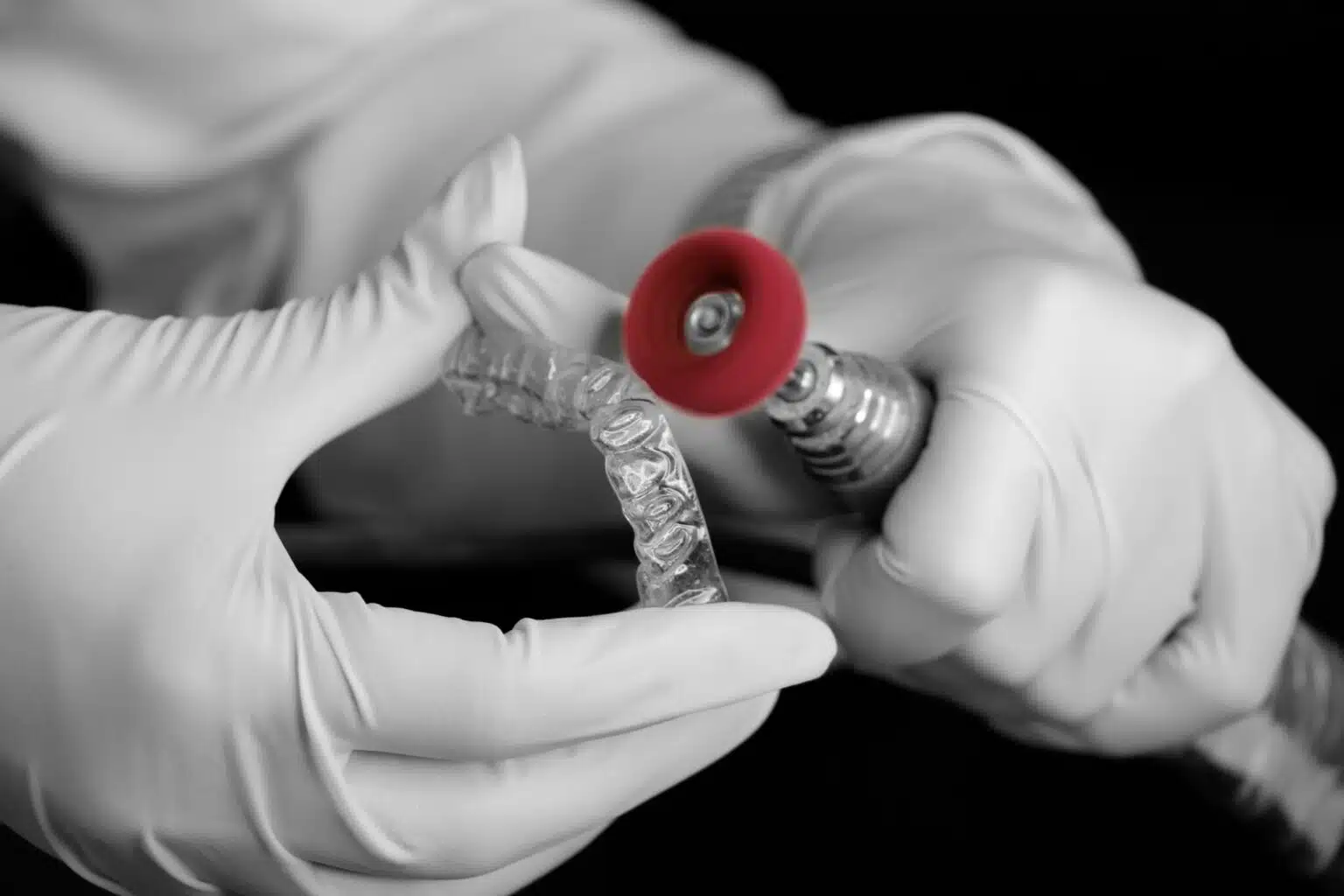
Clear retainers dominate now because people actually wear them. They also fail in ordinary ways: left on a car dashboard in July, dropped in boiling water during a cleaning attempt, or chewed by a dog that finds them irresistible. Hawley retainers survive far more abuse and can be tightened by an orthodontist as teeth settle, which extends their life by years.
Bonded wires solve the compliance problem entirely for the arch they sit behind. They come loose eventually, sometimes without the patient noticing, so a dentist should check the bond at routine cleanings.
Where Affordable Stops Being Affordable
Several routes lead to a lower price, and they carry different risks.
- Your original orthodontist: usually the cheapest option for former patients, since some practices keep your digital scan on file and charge a reduced rate
- Dental schools: supervised student clinics often price retainers 30 to 50 percent below private practice
- Local general dentists: many take a scan and order from the same labs orthodontists use
- Mail-order impression kits: lowest sticker price, no clinician examining your teeth before fabrication
The mail-order route deserves a closer look. A retainer manufactured from an impression you took yourself, without an examination, gets fitted to whatever position your teeth currently occupy. When teeth have already drifted, the tray locks in the drift. Worse, an active decay problem or gum inflammation goes undetected while a plastic appliance covers the area for eight hours a night.
The American Association of Orthodontists has publicly cautioned about direct-to-consumer dental appliances made without in-person clinical supervision. Ask what happens when the retainer arrives and does not seat correctly, since a refund policy is not the same thing as a clinician adjusting the fit.
Making the One You Have Last Longer
Heat is the primary enemy of clear plastic. Hot water, dishwashers, and car interiors deform the tray past the point of function, and a warped retainer applies uneven pressure that moves teeth unpredictably. Rinse in cool water instead, then brush gently with a soft toothbrush and a drop of unscented liquid soap.
Toothpaste scratches the plastic surface, creating microscopic grooves that hold bacteria and turn the tray cloudy within months. Denture cleaning tablets work once or twice a week for a deeper clean, though daily use can dull certain plastics. White vinegar diluted half and half with water handles mineral buildup for a fifteen-minute soak.
Dry storage matters as much as cleaning. A wet retainer sealed in a case grows bacteria, so let it air-dry a few minutes first. And the case itself belongs in a fixed spot at home, since retainers wrapped in napkins account for a large share of replacements ordered every year.
Retainer Breath and Other Things Nobody Warns You About
Plastic worn overnight traps whatever was on your teeth when you put it in. Skipping the brush before bed means eight hours of bacterial growth held against enamel, which produces both a smell and a real decay risk along the gumline. Water is the only thing that should go in your mouth while a retainer is seated.
New retainers cause a lisp for a few days as the tongue adapts, and the speech settles faster if you read aloud for ten minutes at a time. Some tightness on the first few nights after a gap in wear is expected. Sharp pain is not, and a retainer that hurts needs an appointment rather than persistence.
What Waiting Actually Costs
A replacement clear retainer runs $100 to $350. Relapse treatment to correct crowding that returned over several years runs $2,000 to $6,000 with aligners or braces, plus another year of appointments. The math on ordering a new one the week you lose it rather than the year after has never been close.
Anyone whose retainer went missing more than a few months ago should book an examination before ordering anything. Teeth may have moved enough that a retainer built to the current position holds a compromised result, and an orthodontist can tell you within one appointment whether a straightforward replacement still works or whether a short course of aligners gets you back to where treatment left off.