
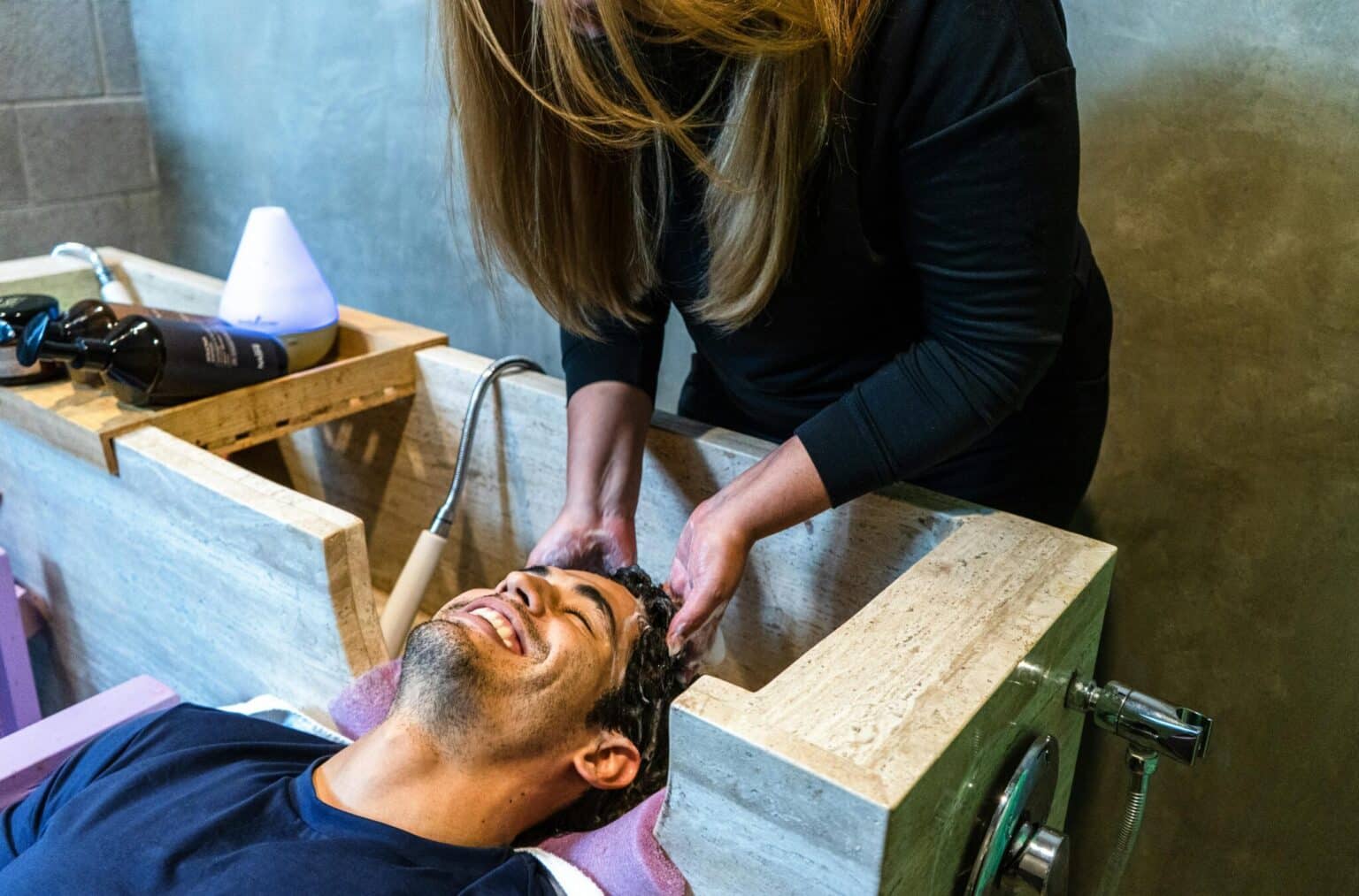
Hair is rarely just hair. It frames the face, signals youth and health, and carries more of our confidence than we usually admit. So it is no surprise that two of the most common appearance goals pull in opposite directions: putting hair back where it has thinned, and getting rid of it where it is unwanted. A generation ago, both meant compromise, either an obvious “plug” hairline or a lifetime of shaving and waxing. Today, clinical treatments have made both goals routine, comfortable, and natural-looking.
This is an honest guide to where each of those treatments stands now, what they actually involve, and how to choose a clinic you can trust.
When you want it back: how hair restoration has changed
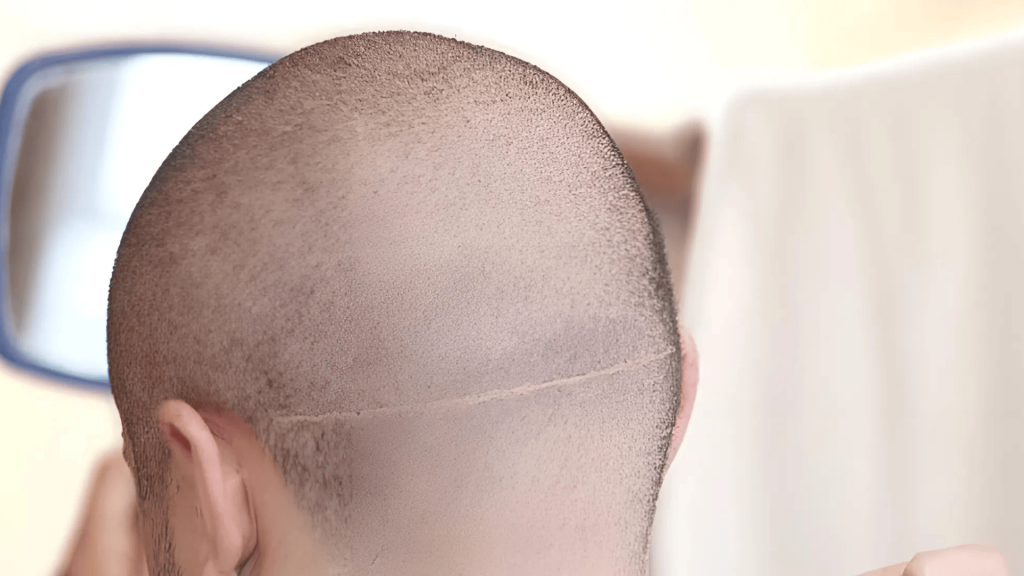
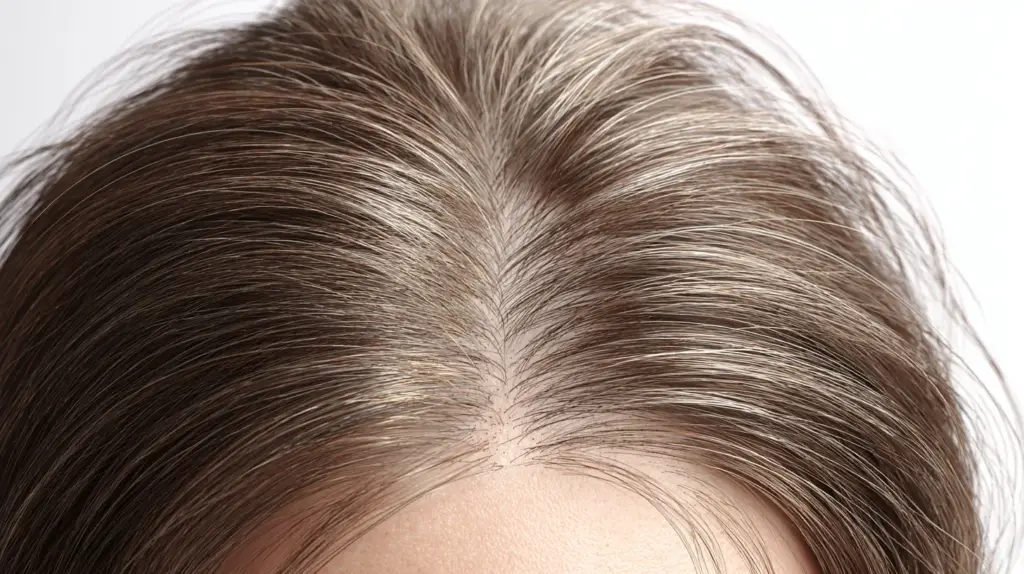
For most people, hair loss is gradual and genetic, and by the time it becomes obvious, the follicles in the thinning areas have already begun to shrink. The breakthrough that changed restoration was the realization that the hair at the back and sides of the scalp is genetically resistant to that process. Move those follicles to where they are needed and they keep growing for life.
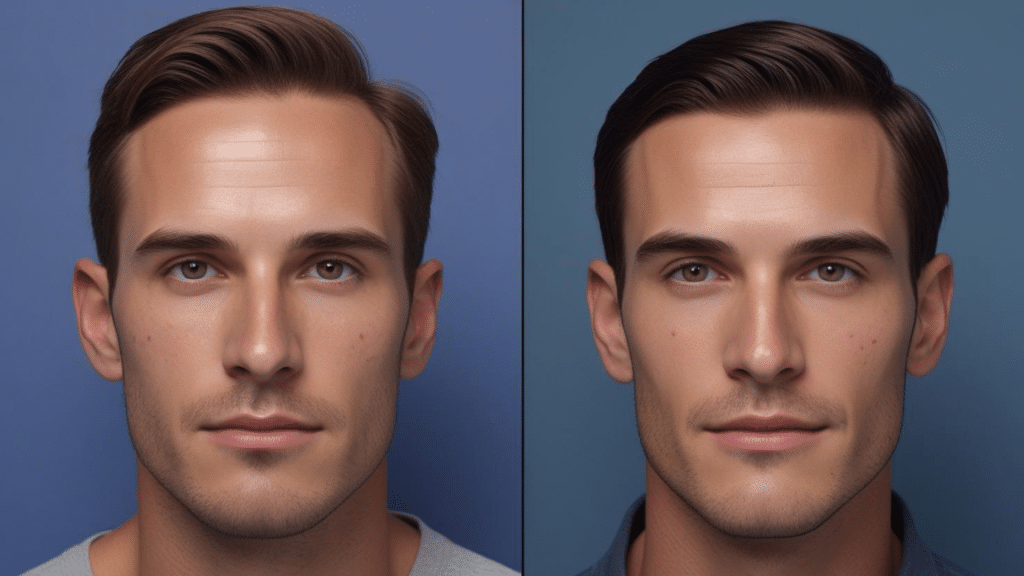
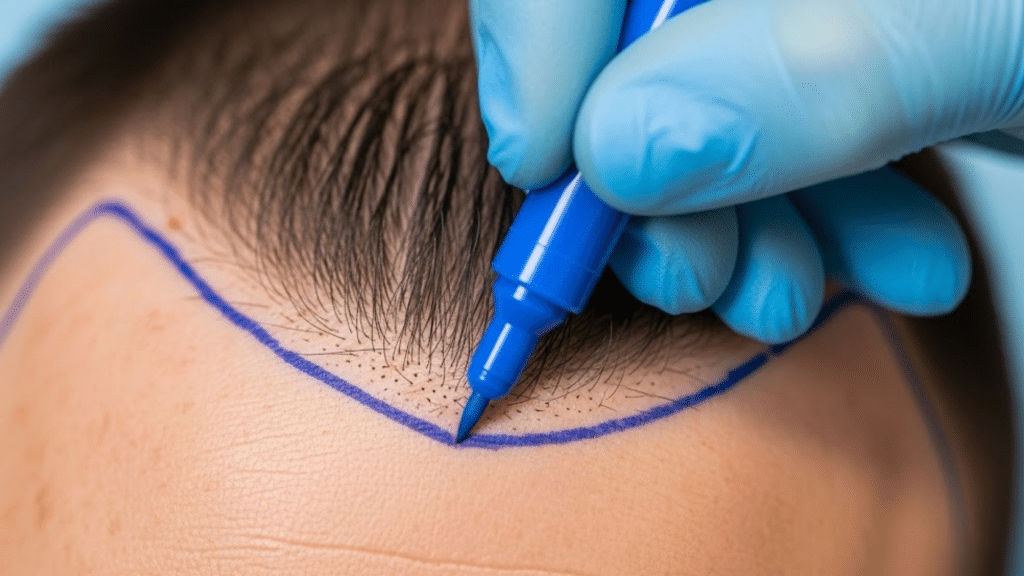
Modern follicular unit extraction, usually shortened to FUE, does exactly that, one tiny graft at a time. Instead of removing a strip of scalp, a clinician harvests individual follicular units and places them along a hairline designed to suit your face and your age. Done well, the result is undetectable, because the angle, density, and natural irregularity of a real hairline are recreated rather than stamped in a straight row. It is meticulous work, which is why the clinic and the practitioner matter far more than the brand of any device. If you are researching the procedure, the team behind hair transplants at FUE Clinics in Perth is a useful starting point for understanding how a consultation, a graft count, and recovery typically work.
A few things worth knowing before you book:
- It is a one-time relocation, not a cure for ongoing loss. Transplanted hair stays, but the native hair around it can keep thinning, so a good clinician plans for the future rather than just the present.
- Patience is part of the deal. Transplanted hairs shed within weeks, then regrow over the following months. The full result takes the better part of a year.
- Design is everything. A natural hairline is slightly irregular and age-appropriate. Be wary of anyone promising the dense, low hairline of a teenager.
When you want it gone: laser hair removal, explained
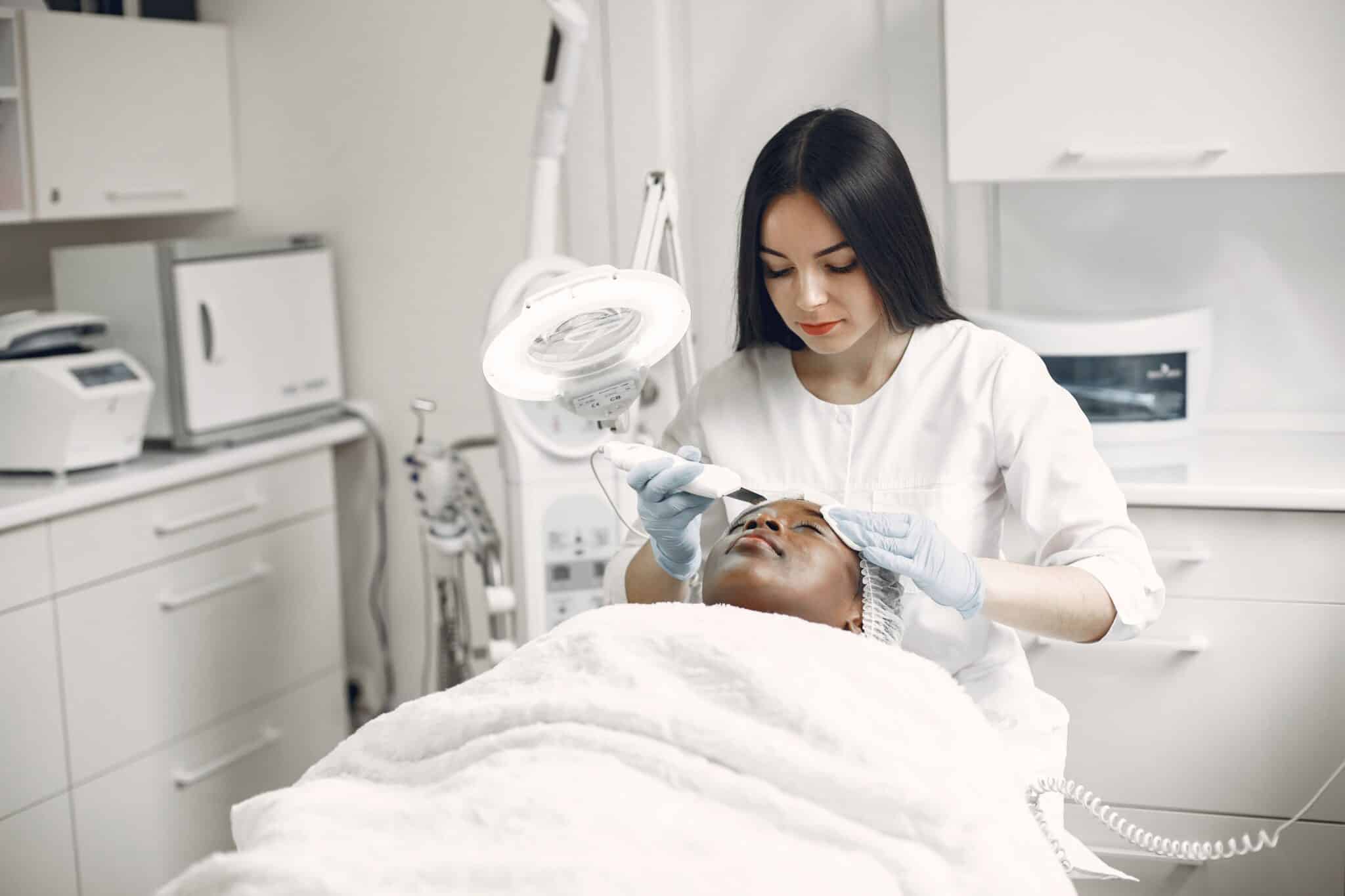
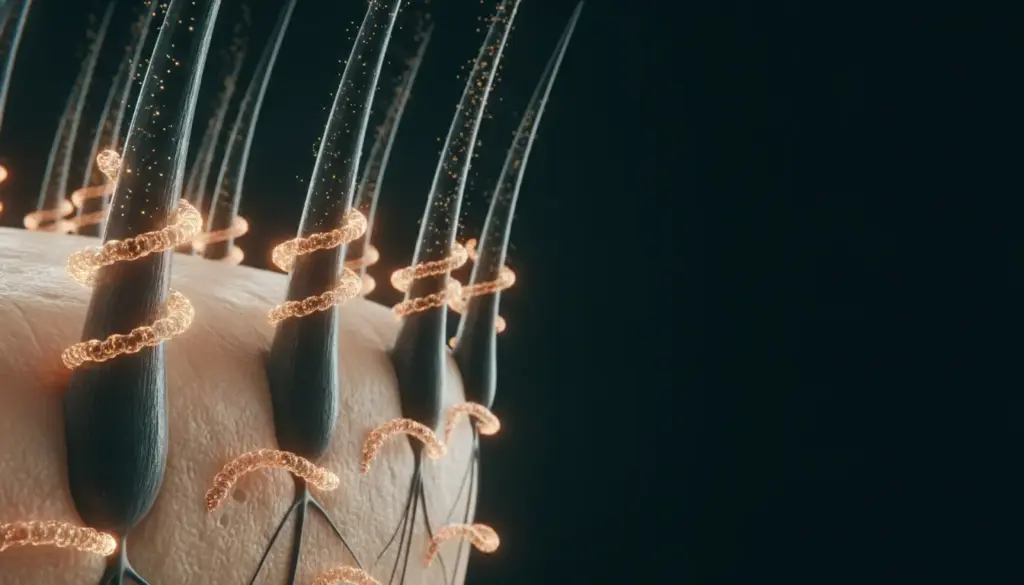
At the other end of the spectrum is unwanted hair, and here the technology has matured just as much. Laser hair removal works by targeting the pigment in the hair follicle with light, heating and disabling it so it produces less hair, or none, over a course of sessions. Because the laser acts on follicles in their active growth phase, and only a portion of follicles are active at any one time, a series of treatments spaced weeks apart is needed to catch them all.
The appeal is obvious: no more daily shaving, no ingrown hairs, and skin that stays smooth for far longer than any razor or wax can manage. Modern systems are also far more comfortable and far better suited to a range of skin tones than the machines of a decade ago, though the right settings still depend on an experienced operator reading your skin and hair correctly. Booking Perth laser hair removal at MedAesthetics with trained clinicians, rather than chasing the cheapest deal, is the difference between consistent results and a patchy, frustrating experience.
What to expect from a proper course:
- It is a series, not a single visit. Most areas need several sessions to noticeably reduce growth, with occasional maintenance afterward.
- Preparation matters. Avoiding sun exposure and not plucking or waxing between sessions keeps the laser working on the target it needs.
- Results are a reduction, then near-permanence. Expect dramatic thinning and slowing of regrowth rather than a single magic erasure.
Two sides of the same goal
Restoration and removal look like opposites, but they are really the same project: helping you stop thinking about your hair so you can get on with your day. The person who no longer studies their hairline in every reflection and the person who no longer plans their week around shaving have something important in common. They have handed a nagging maintenance problem to a clinician and bought back a little mental space.
That framing is worth holding on to, because it keeps expectations sensible. Neither treatment is about chasing perfection or someone else’s standard. Both are about removing a daily irritation, whether that is a receding hairline or stubborn regrowth, so that your appearance quietly matches how you already feel.
How to choose a clinic you can trust
Whichever direction you are going, the decision that matters most is not the procedure. It is who performs it. A few principles apply to both:
- Insist on a real consultation. A good clinic assesses your skin, hair, and goals in person and tells you honestly what is realistic, including when the answer is “not yet” or “not for you.”
- Look at their own results. Ask for before-and-after photos of patients with your hair type or skin tone, not a generic gallery.
- Understand the full plan and cost. Reputable clinics are clear about how many sessions you will need, what aftercare involves, and what the total looks like, with no pressure to decide on the spot.
- Check the credentials. Both treatments are clinical procedures. The training and experience of the person holding the device are what keep you safe and deliver the result.
Your hair, your call
The real shift over the last decade is not just better technology. It is choice. Thinning hair is no longer something you simply accept and comb over, and unwanted hair is no longer a chore you are stuck with for life. Both are now solvable, on your timeline and on your terms, by clinicians who do this every day. The smartest move is not to rush toward the first clinic offering a discount, but to spend your energy choosing the right hands, ask for honest answers and real results, and then let the treatment quietly do what it is designed to do: give you back the time and confidence you were spending on your hair, so you can think about almost anything else.