

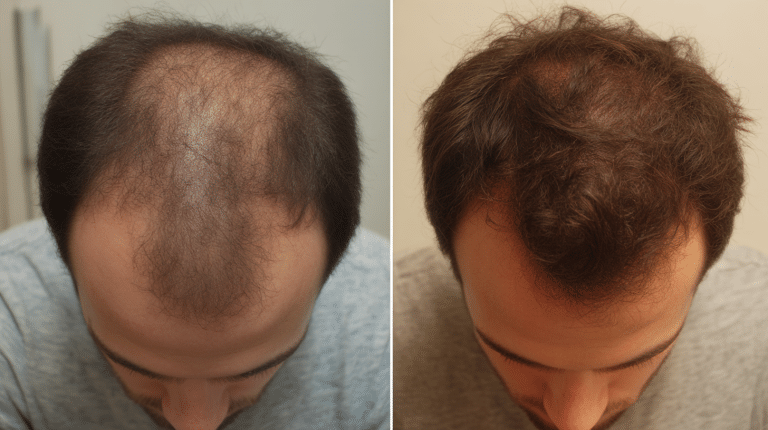
Looking at the cost of hairline surgery can feel overwhelming; prices seem to vary wildly, and many people struggle to understand what they’re paying for.
The lack of transparent pricing information often leaves potential patients confused about whether they’re getting a fair deal or being overcharged for their procedure.
This blog breaks down hairline surgery cost and transplant cost. Also, covers the factors that influence pricing to how different techniques compare, plus practical tips for getting the best value for their money
What Is Hairline Surgery?
Hairline surgery is a procedure that lowers your hairline by removing excess forehead skin. The surgeon makes an incision along your current hairline, removes 1.5 to 3 cm of forehead skin, then pulls your scalp forward and sutures it in the new position.
The surgery takes about 2-3 hours with local anesthesia.
Key Points About Hairline Surgery:
- Who Qualifies: You need good scalp flexibility. The surgeon tests this by pulling your scalp forward during the consultation. Tight scalps or previous surgeries might disqualify you.
- Immediate Results: Unlike transplants, you see your new hairline right away. Most people get 2-3 cm of advancement, sometimes up to 5 cm, with flexible scalps.
- Recovery Time: Swelling lasts 2-3 weeks. More swelling than transplants, but faster overall healing. Back to normal activities in about a month.
- Scarring: A thin scar sits at your new hairline. Usually becomes barely visible after healing and hides well in your hair.
- Best Candidates: Individuals with naturally high foreheads seeking a quick change. Not ideal for pattern baldness or thinning hair since it doesn’t add density.
- One-Time Procedure: No need for multiple sessions or thousands of grafts. Once done, it’s permanent.
What Is a Hair Transplant?
A hair transplant is a procedure that moves healthy hair follicles from one part of your head to areas with thinning or no hair.
The surgeon takes hair from your donor area (usually the back and sides where hair is permanent) and implants it where you need coverage. These transplanted follicles keep growing hair for life.
Types of hair transplants:
- FUE (Follicular Unit Extraction): Removes individual follicles one by one. You get tiny dot scars that barely show. Perfect if you keep your hair short.
- FUT (Follicular Unit Transplantation): Takes a strip of scalp from the donor area, then separates it into grafts. You’ll have a linear scar, but you’ll receive more grafts per session.
- DHI (Direct Hair Implantation): Uses a pen-like tool to extract and implant in one step. Recovery is quicker, and placement is more precise.
- Robotic Hair Transplant: Uses AI to select the best follicles. It’s very precise but costs more.
Unlike hairline surgery, which just moves your hairline position, transplants add new hair where you had none.
Hairline Surgery Cost and How Much is a Hair Transplant?
Let’s break down the specific hair transplant cost for hairline procedures, including hairline lowering and moving the hairline forward.
These prices vary, but here are realistic ranges to consider.
Hairline-Lowering Surgery Costs
| Procedure Details | Price Range (USD) | What’s Included |
|---|---|---|
| Standard Hairline Lowering | $8,000 – $12,000 | Surgery, local anesthesia, basic follow-up |
| Complex Hairline Advancement | $12,000 – $15,000 | Extensive scalp work, tissue expansion |
| Forehead Reduction | $7,000 – $10,000 | Smaller adjustments, minor lowering |
| Combined with Brow Lift | $15,000 – $20,000 | Two procedures, extended surgery time |
Moving the Hairline Forward: Transplant Options
| Method | Cost Per Graft | Total for Typical Hairline (1,500-2,500 grafts) |
|---|---|---|
| FUT Strip Method | $3 – $5 | $4,500 – $12,500 |
| FUE Individual Extraction | $5 – $8 | $7,500 – $20,000 |
| DHI Direct Implantation | $6 – $10 | $9,000 – $25,000 |
| Robotic Assistance | $7 – $12 | $10,500 – $30,000 |
Breakdown of Total Expenses
When moving your hairline forward, here’s what you’re paying for.
The surgeon’s fee takes up 60-70% of the total cost. Facility and equipment fees add another 15-20%. Anesthesia runs about 5-10%. Staff and technician costs make up 10-15% of your bill.
Long-Term Financial Considerations
The initial surgery isn’t your only expense. Plan for maintenance medications ($30-$100 monthly) if recommended. Some people need a second procedure after 5-10 years, as hair loss continues.
Annual check-ups cost $100-$300. And if you’re young, you might need additional work as you age – budget accordingly.
Factors Influencing Hairline Surgery Cost
Several things affect how much you’ll pay for hairline surgery or a hair transplant. Let me walk you through the main factors that impact hairline surgery cost.
1. Hair Transplant Technique (FUE, FUT, DHI)
The method you choose makes a big difference. FUT is usually the most affordable since it’s faster for surgeons to perform.
FUE costs more because it takes longer and requires special skills. DHI sits at the higher end; the precision tool and technique add to the price.
Robotic procedures? They’re typically the most expensive option.
2. Number of Grafts
This one’s simple, and more grafts mean higher costs. A small hairline touch-up might need 1,000 grafts, while a major restoration could require 4,000 or more. Most clinics charge per graft, so the math is straightforward.
The prices range from $3 to $10 per graft, depending on other factors.
3. Clinic Location and Reputation
Where you get the procedure matters a lot. Big cities like New York or Los Angeles charge more than smaller towns. International destinations like Turkey or India offer much lower prices.
A well-known clinic with great reviews will cost more than a new practice, but you’re paying for peace of mind.
4. Surgeon’s Experience and Expertise
An experienced surgeon who has performed thousands of procedures charges more than someone just starting.
Board certification, specialized training, and a strong portfolio all bump up the price. But honestly, this isn’t where you want to cut corners.
5. Area of Baldness
The size and location of your balding area directly impact cost. A receding hairline needs fewer grafts than covering a large bald spot. Temple restoration costs less than full crown coverage.
Your surgeon will assess this during consultation and give you a graft estimate.
Factors Influencing Hair Transplant Cost
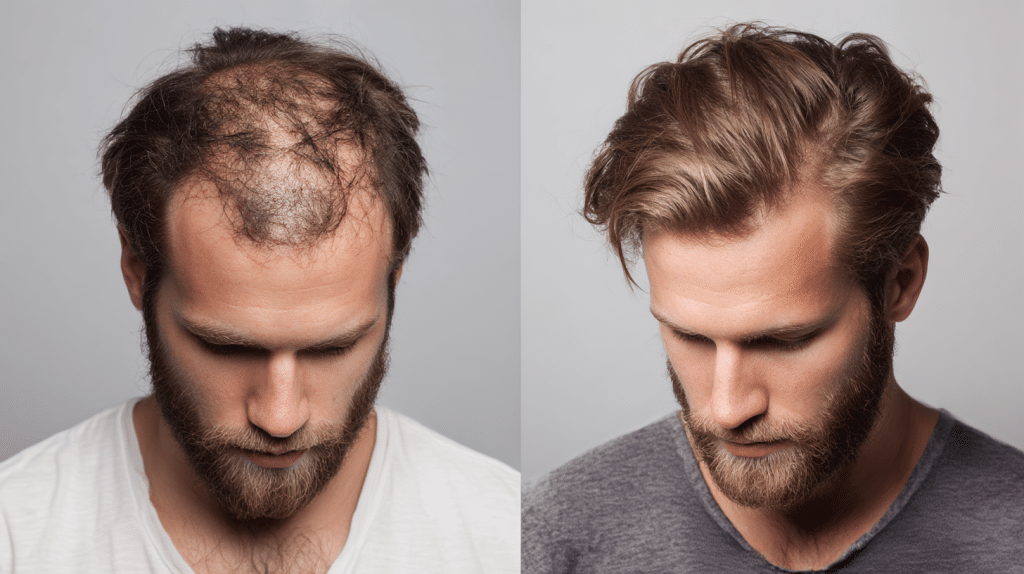
The numbers vary wildly from $4,000 to $30,000, and it’s not always clear what you’re paying for.
Let’s break down exactly what goes into these costs and how to make sense of the pricing you’ll encounter.
Per-Graft Pricing by Clinic Type
| Clinic Type | Cost Per Graft | What to Expect |
|---|---|---|
| Budget Clinics | $2-4 | Newer surgeons, high-volume centers |
| Mid-Range Clinics | $4-7 | Experienced teams, established practices |
| Premium Clinics | $7-12 | Top surgeons, advanced technology |
Total Cost by Hair Loss Level
| Hair Loss Level | Grafts Needed | Total Cost Range |
|---|---|---|
| Minor Hairline Work | 1,000-1,500 | $3,000-$15,000 |
| Moderate Coverage | 2,000-2,500 | $6,000-$25,000 |
| Extensive Restoration | 3,000-4,000 | $9,000-$40,000 |
| Full Crown + Hairline | 4,000-5,000+ | $12,000-$50,000 |
What to Expect During Your Hairline Surgery
So what’s it really like on the day?
Your doctor will go over the plan one more time – just to make sure you’re both on the same page. Then they’ll numb up your scalp with some local anesthetic. You’ll be wide awake, but trust me, you won’t feel a thing.
Now here’s where it gets interesting. Your surgeon starts placing these tiny hair grafts one by one along your hairline. It’s pretty cool to watch if you’re into that sort of thing. The whole process takes a few hours, but honestly, most people are surprised by how chill it is.
Once they’re done, they’ll clean everything up and put on some light bandages. You’ll get a rundown of what to do at home – nothing too complicated.
Does Insurance Cover Hair Transplant and Hairline Surgery?
To be straight with readers, insurance rarely covers hair transplants or hairline surgery cost. Most insurance companies consider these cosmetic procedures, not medical necessities.
But there are some exceptions worth knowing about.
Insurance Coverage Reality
Insurance might cover hair procedures from trauma, burns, or medical conditions like trichotillomania, but it’s rare.
Pattern baldness and age-related hair loss? Never covered. They see genetic hair loss as cosmetic, period. To check coverage, call your insurance about “hair restoration procedures” and get it in writing.
Ask your surgeon about past approvals with your insurance type. But honestly, most people pay out of pocket.
Alternative Payment Options If Insurance Says No
- Medical financing: Companies like CareCredit offer payment plans specifically for medical procedures
- FSA or HSA funds: Some flexible spending accounts allow hair restoration expenses
- Personal loans: Banks often have better rates than medical financing
- Clinic payment plans: Many offices offer in-house financing at 0% interest for 12-24 months
- Medical tourism: Consider reputable international clinics for 60-70% savings
Making Your Case to Insurance
If you think you have grounds for coverage, get documentation from your doctor about medical necessity.
Photos showing hair loss and mental health evaluations might support your claim. But honestly? Insurance approval for hairline surgery costs is rare.
Even with documentation, most people end up paying out of pocket since insurers view these procedures as cosmetic.
Summary
Hair restoration isn’t cheap, but now readers understand what drives the hairline surgery cost. From technique choice to surgeon expertise, every factor impacts the final bill.
When someone is figuring out how much a hair transplant costs within their budget, they should consult with qualified experts first.
Whether choosing hairline lowering or transplants, thorough research and selecting a qualified surgeon make all the difference.
A hairline restoration is an investment worth doing right. Planning financially and choosing wisely ensures both satisfaction with results and value for money spent.