
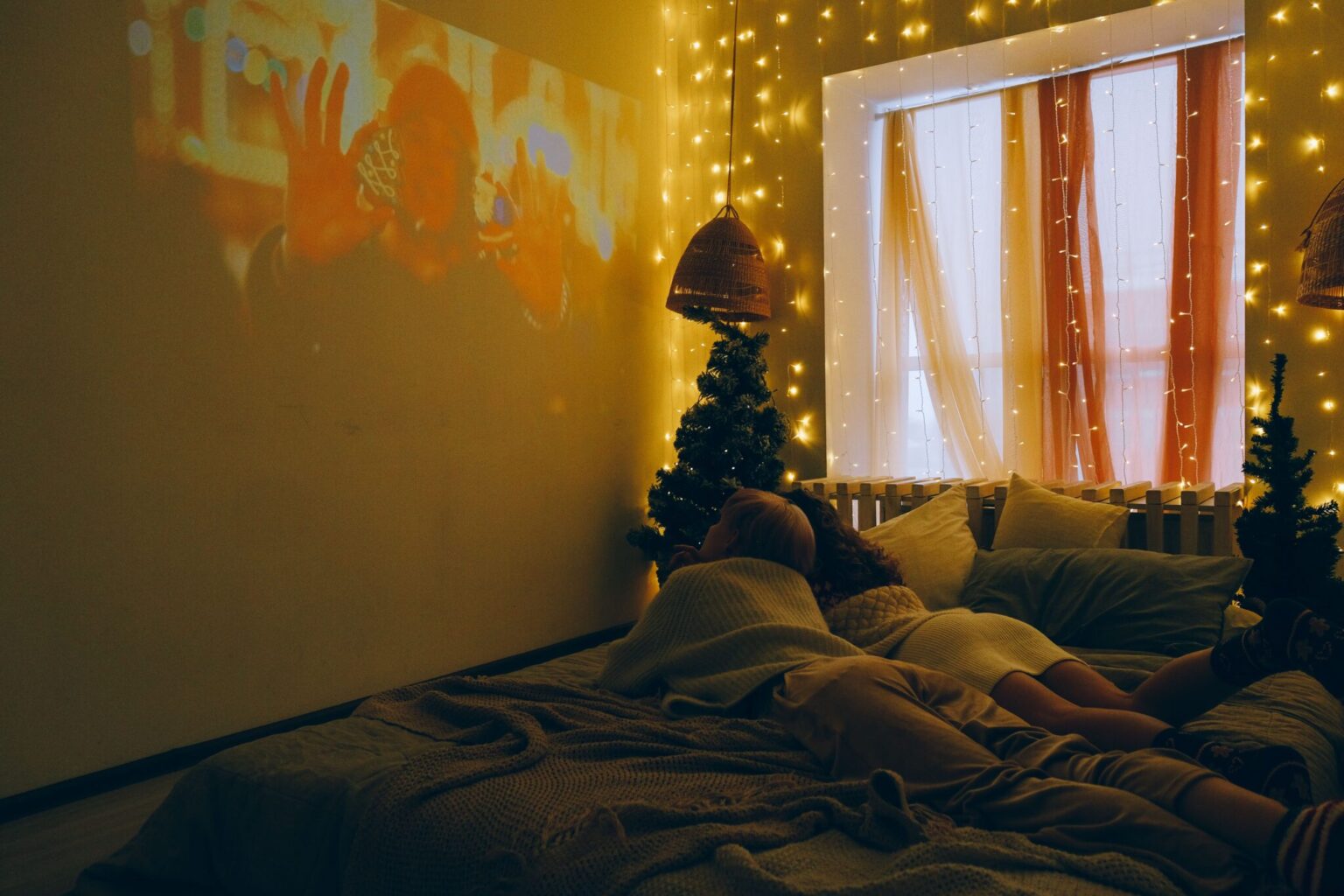
A cozy evening room should feel easy to settle into. It does not need expensive furniture or a full redesign. It needs soft lighting, comfortable seating, good layout, warm texture, and a few personal details that make the space feel lived in.
The best relaxing rooms are planned around real routines. Some people want a quiet place to read. Others want a movie corner, music space, game area, or calm spot for conversation.
A cozy room works when it reduces visual noise and supports the way you actually unwind.
Start With the Room’s Evening Purpose
Before choosing decor, decide what the room should do after the day slows down. A room used for reading needs different lighting than a room used for watching movies. A family lounge needs more seating and storage than a private bedroom corner.
Think about the main activity first. Then remove anything that gets in the way.
If the room is meant for streaming, snacks, and quiet nights in, a feature such as a neon Netflix sign can work as a playful accent when it is placed away from direct screen glare.
The goal is not to overload the room with themed decor. One clear focal point is usually enough.
Use Lighting in Layers
Lighting is the biggest factor in how cozy a room feels. A single bright ceiling light usually makes a space feel flat.
Use layers instead. Start with soft ambient light from lamps. Add task lighting for reading or hobbies. Finish with accent lighting behind shelves, near artwork, or along a wall.
Warm white bulbs usually feel better at night than bright cool bulbs.
Dimmers are useful because evening lighting needs can change. You may want more light for board games, less light for movies, and focused light for reading.
Choose Seating That Supports Long Use
A relaxing room should have seating that feels comfortable after more than ten minutes. Looks matter, but support matters more.
Sofas and chairs should allow the body to settle without forcing an awkward posture. Seat depth, cushion firmness, arm height, and back support all affect comfort.
If the room is small, avoid oversized furniture that blocks walking paths. A compact sofa with an ottoman may work better than a bulky sectional.
Add side tables within reach so drinks, books, remotes, and glasses have a place to land.
Add Texture for Warmth
Texture makes a room feel softer and more inviting. It also helps a simple space feel finished.
Use fabrics, woven materials, wood, rugs, curtains, pillows, and blankets to add depth. A room with only hard surfaces can feel cold, even if the color palette is warm.
Cozy Texture Ideas
Good texture choices include:
- Knit throws
- Linen curtains
- Wool or cotton rugs
- Velvet or boucle pillows
- Woven baskets
- Wood side tables
- Soft lampshades
- Upholstered seating
Choose textures that are easy to maintain. A cozy room should not become hard to clean.
Keep the Color Palette Calm
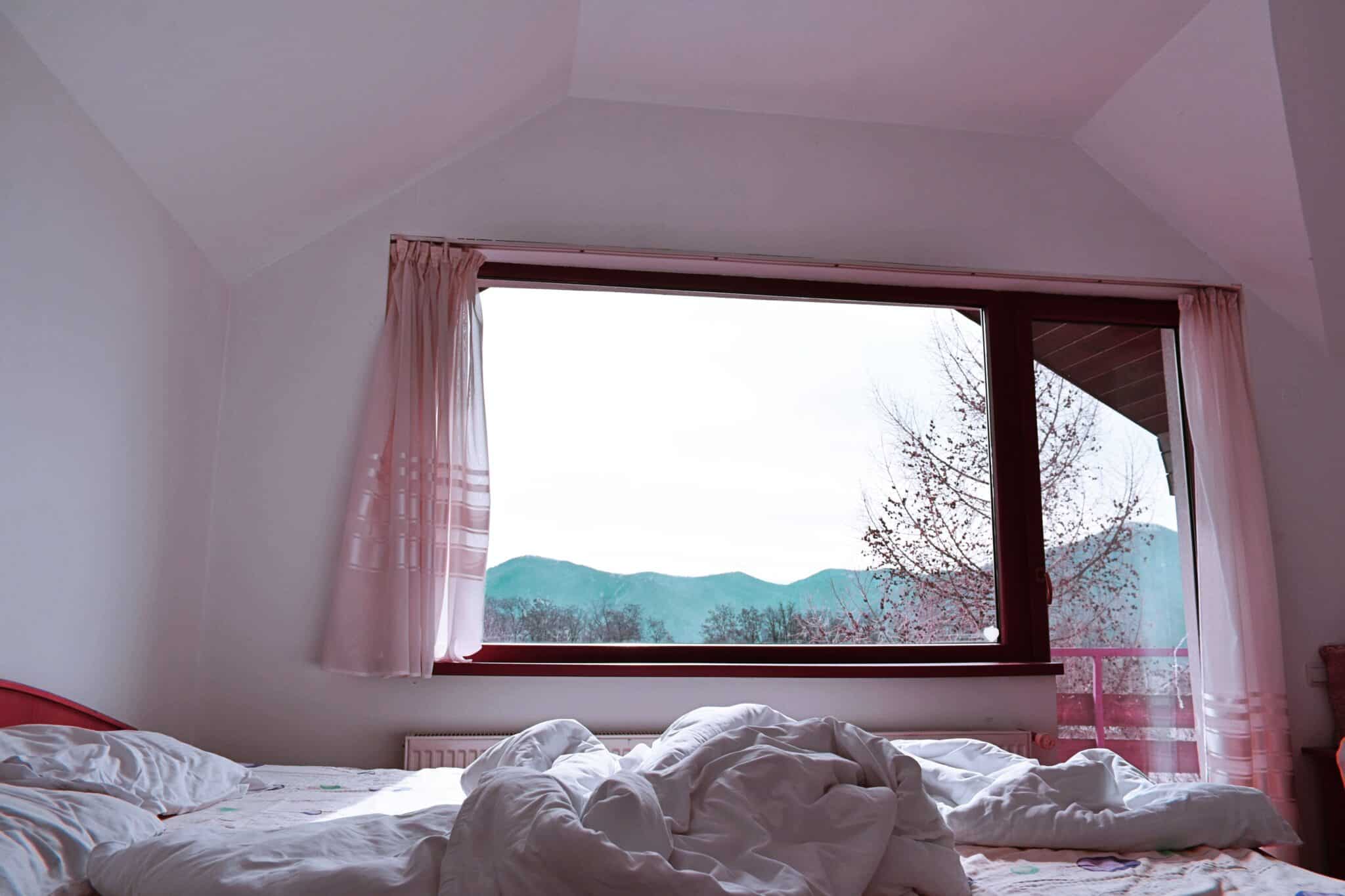
Evening rooms usually work best with a calm color palette. Soft neutrals, warm whites, muted greens, earthy browns, deep blues, and gentle grays can all support relaxation.
This does not mean the room has to be plain. Use stronger colors in small areas, such as pillows, artwork, lamps, or a single accent chair.
Avoid too many competing colors. Visual clutter can make the room feel busy when the goal is rest.
A consistent palette helps the eye relax.
Bring in Personal Memory
A cozy room should not feel like a showroom. Personal details make it more meaningful.
Use a few items that connect to family, travel, hobbies, or favorite routines. This could be framed photos, a handmade bowl, a favorite book stack, a family blanket, or meaningful art.
For homes with many memories to organize, personalized photo books can keep family trips, milestones, and everyday moments accessible without filling every surface with frames.
Place personal items where they feel intentional. Too many small pieces can create clutter.
Control Clutter Before Adding Decor
A room cannot feel relaxing if every surface is crowded. Before buying new decor, clear what does not belong.
Remove old mail, unused chargers, extra cups, toys, laundry, and items that have drifted into the room without a purpose.
Storage should be close to where clutter happens. Use baskets for blankets, trays for remotes, boxes for games, and drawers for cables.
Simple Storage Fixes
Useful options include:
- Lidded baskets
- Storage ottomans
- Media cabinets
- Drawer organizers
- Side tables with shelves
- Decorative boxes
- Wall hooks
- Cable management clips
The room should be easy to reset in a few minutes.
Plan for Temperature and Airflow
Comfort is not only visual. A room that looks cozy but feels too hot, cold, or stuffy will not be relaxing.
Check airflow, vents, windows, and drafts. Add curtains if windows make the room cold at night. Use a fan if the room gets warm.
Keep blankets nearby, but do not rely on them to solve poor temperature control.
Air quality also matters. Open windows when weather allows, change filters regularly, and avoid heavy fragrances if they make the room feel overwhelming.
Final Thoughts
A cozy evening room is built through practical choices. Start with the room’s purpose, use layered lighting, choose comfortable seating, add warm textures, control clutter, and include a few personal details.
The best rooms feel calm because they are easy to use.
When everything has a place and the lighting, seating, and textures support rest, the room becomes a natural place to slow down at the end of the day.