

You’ve probably scrolled past it a dozen times without knowing what to call it.
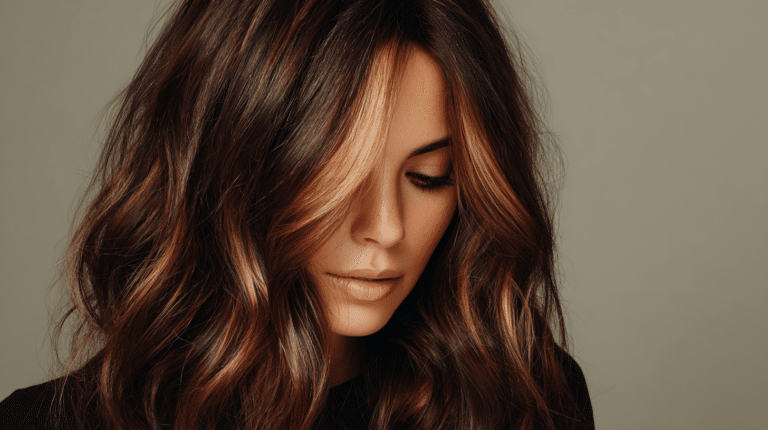
That hair color looks like someone took three different shades and mixed them in the most natural, effortless way possible.
It’s not balayage, not highlights, and definitely not your standard ombre.
Meet calico hair color: the technique that’s making people do a double-take for all the right reasons.
Think patchy, playful, and surprisingly wearable.
What is Calico Hair Color?
Picture a calico cat. Those random patches of orange, black, and white? That’s where this trend gets its name.
Definition:Calico hair blends three or more shades throughout your hair in an organic, unpredictable way.
Your colorist places lighter and darker tones where they naturally catch the eye, creating dimension that shifts as you move.
The technique gained traction on social media in late 2023 when colorists started sharing these patchy, multi-dimensional results.
Unlike structured highlights, calico embraces spontaneity. Some pieces might be honey blonde while others lean copper.
A few strands could be deep brown, while the ones next to them are sandy beige.
Why is it Trending Right Now?
People are tired of high-maintenance color that needs touch-ups every six weeks.
Calico hair hit at the perfect moment when everyone started craving something that looks intentional but doesn’t require constant upkeep.
Here’s what’s driving the trend:
- It grows out gracefully. Your roots don’t scream “salon appointment overdue.”
- It works for almost everyone. Brunettes, blondes, and redheads can all make calico work with their starting point.
- It photographs incredibly well. All those different tones catch light in interesting ways.
There’s also a bigger shift happening. The days of perfectly uniform color are fading. People want texture, movement, and something that feels a bit more human.
The Color Theory Behind Calico Hair
This isn’t just random colors thrown together. There’s actual science behind why calico hair looks cohesive instead of chaotic.
Staying in the Same Color Family
The key is using tones that share an undertone. If you’re going for a brownish base, your colorist might pull in caramel, bronze, and chestnut.
They all play nicely together on the color wheel, which keeps things looking intentional instead of accidental.
Light Reflects Differently on Multiple Tones
One flat color gets hit by light the same way every time.
With calico, those varied shades catch and reflect light at different angles. Some pieces look brighter in natural sunlight, while others show up more indoors.
That’s what creates movement and depth.
Contrast Matters, But Not Too Much
You need enough difference to see the effect. Go too extreme, and it looks stripey.
Most colorists aim for about three to four levels of difference on the color scale, giving you visible variation without crossing into zebra territory.
Highly porous hair grabs color faster, which means the same shade can land darker on bleached ends than on virgin hair.
Best Colors for Calico Hair Trend
Not every color mix creates the same depth. Some combinations blend naturally and create movement in the hair, while others can look uneven.
Professional colorists often rely on a few shade combinations that consistently produce the best calico hair results.
| Rank | Color Combination | Best For |
|---|---|---|
| 1 | Chocolate Brown, Blonde, and Copper | Medium to dark brown hair and most skin tones |
| 2 | Caramel, Copper, and Honey | Warm skin tones and golden complexions |
| 3 | Ash Brown, Beige, and Soft Blonde | Cool skin tones and people who prefer softer tones |
| 4 | Espresso with Caramel and Toffee | Naturally dark hair that needs subtle dimension |
| 5 | Sandy Beige, Honey, and Light Brown | Fair to medium skin tones looking for gentle variation |
Note that the Espresso + Caramel combination often requires a bond-building treatment like Olaplex or K18 during the lightening process since dark hair needs more lifting to achieve visible contrast.
Many stylists recommend choosing shades that stay within the same tone family.
This keeps the color balanced and prevents the final result from looking too contrasting.
Calico Hair Color Trends and Variations to Try
The beauty of this technique is how adaptable it is. You can go bold or keep it subtle, depending on your style and how much commitment you’re ready for.
Here are the main variations that work for different hair types and personalities.
1. Classic Calico (Brown, Blonde, and Copper Mix)
This is the original. Think rich chocolate brown as your base with ribbons of blonde and copper woven throughout.
It’s the most true to the calico cat inspiration and works especially well if you’re starting with medium to dark brown hair.
2. Warm Calico (Caramel, Copper, Honey Tones)
If you love that cozy, golden-hour glow, this one’s for you. All the tones lean toward the warmer side of the spectrum:
- Caramel melts into copper
- Copper blends with honey
- The result looks like summer at the beach
This variation flatters warmer skin tones beautifully and photographs like a dream in natural light.
3. Cool Calico (Ash Brown, Beige, Soft Blonde)
For people who prefer a more muted, sophisticated look. These tones are all on the cooler, ashier side:
- Soft blondes create the lightest pieces
- Beige adds mid-level depth
- Ash brown grounds everything
Perfect if you have cool undertones in your skin or just prefer a less fiery palette.
4. Dark Calico (Espresso Base with Lighter Patches)
This keeps most of your hair deep and rich while adding strategic lighter pieces throughout.
Your base stays close to your natural dark color, but those pops of caramel or toffee create serious dimension.
Pro tip: Ask your colorist to focus the lighter patches where the sun would naturally hit your hair (top layers and around your face) for the most realistic effect.
5. High-Contrast Calico (Bold Light Pieces on Dark Hair)
This version cranks up the drama. We’re talking dark hair with noticeably lighter chunks scattered throughout.
The difference between your darkest and lightest tones is significant, usually five or more levels on the color scale.
6. Soft-Contrast Calico (Gentle Shifts, More Natural Look)
The opposite approach. Your colors stay close to each other in terms of lightness and darkness, creating a gentler, sun-kissed effect.
It’s the kind of color where people say ‘your hair looks great’ but can’t quite figure out what changed.
This is ideal if you want the dimension of calico without anyone being able to pinpoint exactly what you did.
7. “Peekaboo” Calico (Hidden Panels Underneath)
Here’s where it gets fun. The top layer of your hair stays one color while the underneath sections get the full calico treatment.
When your hair is down, you see hints of the variation.
Put it up in a ponytail or bun? Full effect revealed. It’s like a secret you get to control when you show.
8. Low-Maintenance Calico (Softer Grow-Out Look)
This variation is designed with your future self in mind.
Your colorist places the tones in a way that mimics what naturally sunlit hair looks like as it grows.
The roots are intentionally kept closer to your natural shade, so when new growth comes in, it blends instead of creating a harsh line.
9. Face-Framing Calico (Lighter Pieces Around the Front)
This focuses the lightest pieces around your face while keeping the back more uniform.
It’s like a highlight upgrade with way more dimension.
Why it works:
- Brightens your complexion instantly
- Draws attention to your features
- Requires less color overall than a full head
- Front sections get the most texture and variation
Can You Pull Off Calico Hair? Who is it for?
Short answer is most people can.
Calico is not built for one specific hair type or skin tone. It works across dark brown to light blonde and everything in between. The variation just changes depending on your starting point.
It suits you best if you want dimension without a dramatic change and do not want to be at the salon every few weeks.
Fine hair benefits from the illusion of thickness. Thick hair gets more movement and depth.
Age is not a factor either since softer blended tones are flattering at any stage.
The only exception is very damaged or over-processed hair. Give it time to recover first and then go for it.
How to Choose the Right Calico Look for You?
Picking the right variation isn’t just about what looks pretty in photos.
You need to think about your lifestyle, how much time you want to spend on upkeep, and what actually works with your natural hair.
Start with Your Natural Base: Medium brown is the easiest starting point. Dark hair works great for adding lighter pieces. Blonde hair going darker needs more upkeep.
Consider Your Skin Tone: Warm undertones pair well with caramel and copper. Cool undertones look better with ash browns and soft blondes.
Think About Maintenance Realistically: High-contrast needs touch-ups every 6 to 8 weeks. Low-maintenance versions can go 3 to 4 months.
Factor in Your Daily Routine: If you don’t heat style often, calico still looks great with natural texture. Daily styling makes the different tones pop even more.
Your Workplace or Lifestyle: Conservative environments? Go for dark calico or soft-contrast versions that stay professional.
What to Ask for at the Salon?
Walking into a salon and saying “I want calico hair” might not get you the exact result you’re picturing.
Bring at least three reference photos. Talk about whether you want high-contrast or soft-contrast. Specify warm tones (caramel, copper) or cool tones (ash, beige).
Ask about placement and how often you’ll need touch-ups.
Questions to actually ask out loud:
- How long will this take today?
- What’s the damage level going to be like?
- Do I need any special products at home?
- Can my hair handle this if I’ve had color before?
Don’t leave the chair until you understand what you’re committing to.
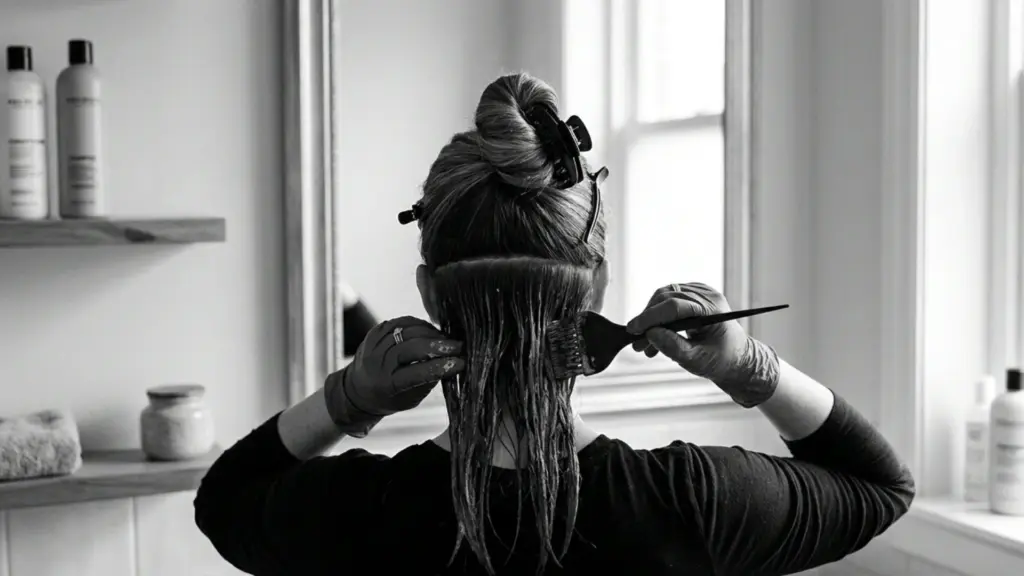
How to Get the Perfect Calico Hair Color Look At Home
Let’s be real upfront. Calico hair is tricky to do yourself. It is not impossible, but it requires patience and some skill.
If you have never colored your own hair before, this is probably not the best place to start.
What You Will Need
Before anything else, get these ready. I always find that having everything laid out before starting makes the whole process feel a lot less stressful.
- A few different shades of hair color within the same tone family
- Lightening kit if you are starting with dark hair
- Developer and mixing bowls
- Gloves, application brush, and sectioning clips
- Foils or plastic wrap
Step 1: Section Your Hair
Divide your hair into four quadrants using clips. This keeps things organized and stops you from accidentally processing the same section twice.
Trust me, skipping this step makes things messier than they need to be.
Step 2: Apply Your Lightest Shade First
Work with small pieces, not big chunks. Apply the lightest color to random pieces throughout each section.
Do not follow a pattern.
Skip around, go near your face, hit the back, and mix it up. Let it process according to the box instructions, then rinse and dry completely.
Applying to slightly damp (not wet, not fully dry) hair helps the color spread more evenly and reduces patchiness – a common DIY mistake.
Step 3: Apply Your Medium Shade
Place this color in random sections throughout your hair. Let some pieces overlap slightly with the lighter sections you already did. Process, rinse, and dry before moving on.
Step 4: Apply Your Darkest Shade
Repeat the same random placement with your darkest color.
The key here is to resist the urge to fill in every gap. Some areas should stay lighter. Process, rinse, and style.
One thing I wish someone had told me earlier: do a strand test first and ask a friend to help with the back sections. It genuinely makes a difference.
How Long Does the Calico Hair Color Last for?
High-contrast calico lasts around 6 to 8 weeks before needing a touch-up. Low-maintenance versions can go 3 to 4 months easily.
It also grows out far more gracefully than most other color techniques.
There is no harsh root line. It just softens naturally over time.
- Use color-safe shampoo. Sulfate-free formulas help all those shades fade evenly.
- Wash less often. Try two or three times a week. Dry shampoo works great for in-between days.
- Protect from heat. Use a heat protectant spray before styling.
- Tone when needed. Purple or blue toning shampoo once a week prevents brassiness.
- Deep condition regularly. A hair mask once a week keeps everything soft and shiny.
- Avoid chlorine and salt water. Wear a swim cap or rinse immediately after.
- Touch up smart. Just refresh faded pieces instead of redoing everything from scratch
Maintaining Tips
Getting calico hair is one thing. Keeping it looking fresh is another. This style is more forgiving than most, but you still need to put in some work.
| Tip | What to Do | Recommended Product |
|---|---|---|
| Use Color-Safe Shampoo | Sulfate-free formulas help all those shades fade evenly | Pureology Strength Cure Shampoo |
| Wash Less Often | Try two or three times a week to preserve color | Batiste Original Dry Shampoo |
| Protect from Heat | Always apply a protectant spray before styling | TRESemmé Thermal Creations Spray |
| Tone When Needed | Use a toning shampoo once a week to prevent brassiness | Shimmer Lights Purple Shampoo |
| Deep Condition Regularly | Use a mask once a week to keep hair soft and shiny | Olaplex No.8 Bond Intense Moisture Mask |
| Avoid Chlorine and Salt Water | Wear a cap when swimming or rinse immediately after | Aquis Water Defense Pre-Wash |
| Touch-Ups vs. Full Color | Refresh faded pieces only instead of redoing everything | Ask your stylist for a partial refresh |
The Bottom Line
Calico hair color works because it doesn’t follow the rules.
It’s messy in the best way, low-pressure, and surprisingly wearable for most people.
Whether you go subtle or bold, the technique gives you dimension that actually looks like it belongs on your head.
Sure, it takes some upkeep, but nowhere near what traditional highlights demand.
If you’re ready for a change that feels fresh without feeling overdone, this might be exactly what you’ve been scrolling for.
Book that consultation and see what your colorist can do.
Frequently Asked Questions
1. Can I Get Calico Hair if My Hair is Already Colored?
Yes, but your stylist will first assess the current condition of your hair before adding new tones on top.
2. Does Calico Hair Work on Short Hair?
It does. Shorter hair actually shows the contrast between tones really well and can look very striking.
3. Is Calico Hair High Maintenance?
It depends on the variation. Soft contrast versions are quite low maintenance while high contrast needs a touch-up every 6 to 8 weeks.
4. Can Calico Hair Be Done in One Salon Visit?
Usually yes, but it depends on your starting color and how many tones your stylist needs to apply