
Plant protein no longer asks an endurance athlete to choose between values and results. Pea and rice blends supply all nine essential amino acids, and once a serving is large enough to cross the leucine threshold, the recovery is on par with whey.
The real choice now runs along one axis, from the proteins built for taste and easy mixing to the ones built for a clean, minimal ingredient list. Each store and brand below sits somewhere on that range, and the right one depends on the end you care about more.
The State of Plant Protein for Endurance
Two facts settle the old worry about plant protein. Pea is rich in lysine and short on methionine, while rice is the reverse, so a pea-and-rice blend covers both and lands a complete amino profile. The catch is leucine, the amino acid that switches on muscle repair. Pea carries less of it per gram than whey, so a plant serving usually needs to run a little larger, around 25 to 40 grams of protein against whey’s 20 to 25, to reach the same trigger. Hit that number, and the research holds up. Matched for amino acids, pea blends produce recovery and strength outcomes close to whey, and elite endurance has been done on plants for decades. The remaining problem is texture, not nutrition. The fiber and starch left in pea, rice, and hemp are what make a cheap powder taste chalky or beany, which is why the category divides on taste and mixing versus a clean, short ingredient list.
The Feed
The Feed is the most practical place to start, because plant proteins vary so much in grit and flavor that buying blind is a gamble. It gathers a wide vegan-protein collection in one cart, with pea isolates, pea-and-rice blends, multi-seed formulas, and organic tri-blends from many brands side by side, so a buyer can compare amino profiles and textures without visiting a dozen sites. Its build-your-own box and single-serving options let an athlete judge a powder on one scoop, which matters more here than in almost any other category. A pre-built Vegan Box covers the same ground for someone who wants a curated start. A drug-tested athlete can narrow the more than 250 products in the store’s NSF Certified for Sport collection to the certified ones. The limits are familiar. A marketplace mixes certified and uncertified products, so the filter still has to be applied, and the Feed Verified badge is the store grading its own stock, not an outside seal a buyer can look up.
Orgain
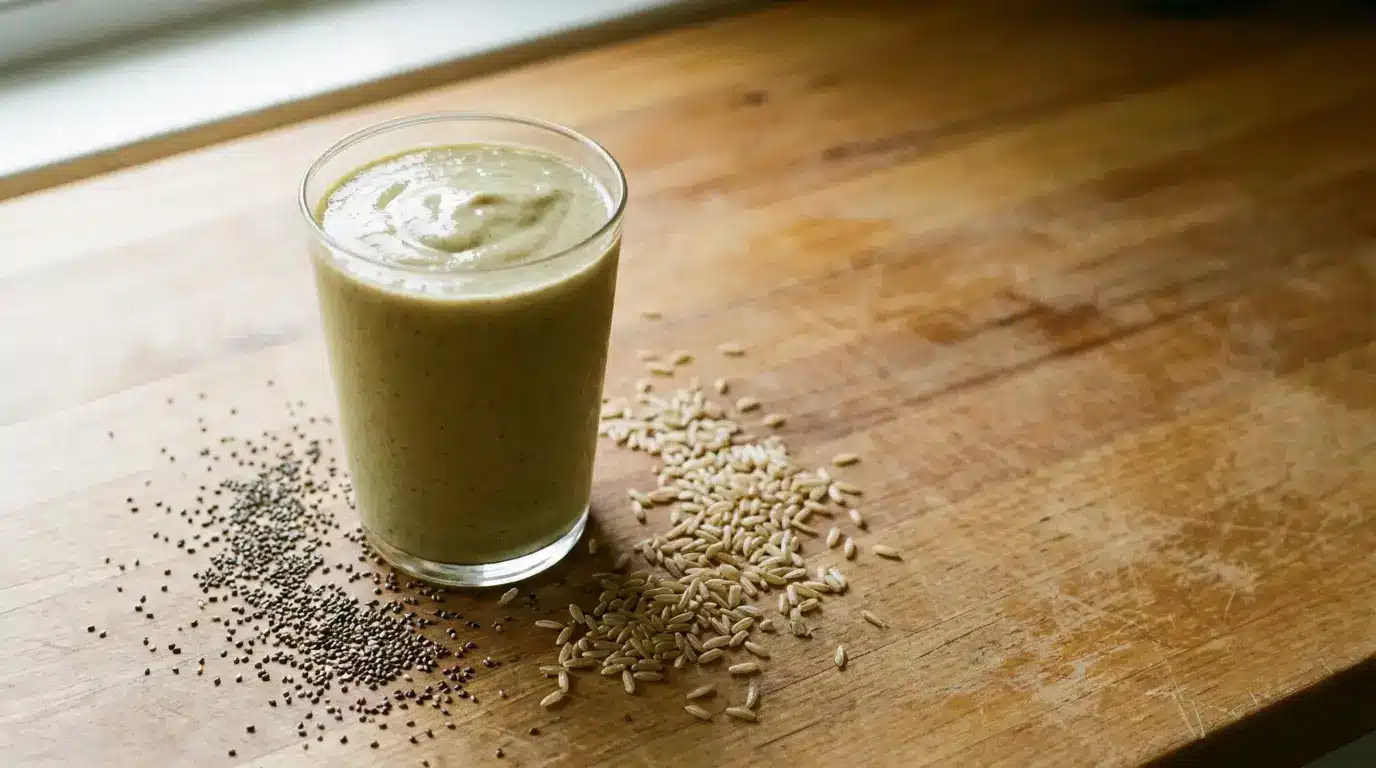
Orgain sits at the taste end of the range and owns it. Its flagship organic powder delivers 21 grams of protein from a USDA Organic blend of pea, brown rice, and chia with all nine essential aminos, and the Sport version steps up to 30 grams with added tart cherry, turmeric, and ginger for soreness. Orgain’s edge is texture. Independent runner-reviewers repeatedly describe it as creamy and smooth with no chalk or grit, which is the rarest quality in this category. The brand began when a physician recovering from cancer blended his own organic shakes to escape the artificial ingredients in clinical nutrition drinks, and it has grown into one of the best-selling plant proteins in the country. For an athlete whose main barrier is the chalky mouthfeel of plant powder, Orgain is the safest first buy.
Gnarly Nutrition
Gnarly Vegan pairs that easy taste with the best digestion story on the list. It builds 20 grams of protein from pea, chia, and cranberry seed, with all nine essential aminos, around 9 grams of fiber, some healthy fat, and added digestive enzymes and a probiotic blend. Reviewers consistently call it not gritty and not chalky, and testers who normally bloat on plant protein report no stomach trouble, which is the point of the enzymes. It holds NSF Certified for Sport, so a drug-tested athlete is covered. The tradeoff is the macro sheet. At 20 grams of protein with more fat and fiber than a lean isolate, it sits closer to a light meal than a high-dose recovery scoop, so an athlete chasing the leucine threshold may need a larger serving. For a sensitive stomach that still wants flavor, it is the standout.
Vega
Vega has the deepest endurance roots and a more divided reception. The original formula was built by a former professional Ironman triathlete to get complete plant protein as an endurance athlete, so the brand’s pedigree is real rather than retrofitted. Vega Sport delivers 30 grams of protein from a multi-source blend of pea, pumpkin, and sunflower with about 5 grams of BCAAs, tart cherry, and probiotics, and it holds NSF Certified for Sport. Reviewers call it smoother than most plant proteins, but the reception splits on two points. A stevia aftertaste turns off some buyers, and the inulin fiber it uses causes bloating in a meaningful minority, which is why the brand itself suggests starting with a half serving. The high protein count and genuine sport credentials hold up well, provided the stevia and chicory fiber agree with you.
Momentous
Momentous sits in the middle of the range, leaning toward clean certification over taste theater. Its plant protein delivers 20 grams from a 70:30 pea-to-rice blend of PURIS pea protein, with no gums, fillers, soy, or gluten. What carries Momentous here is the testing. It carries both NSF Certified for Sport and Informed Sport, each batch screened for more than 270 banned substances, which is the strongest certification any plant protein here holds. The caveat is the dose. At 20 grams with pea-and-rice leucine levels, an athlete aiming squarely at the leucine threshold may want one and a half servings or a leucine-rich food alongside it, since the brand chose clean certification over a maxed-out protein number. If banned-substance screening is the first filter, no plant protein here clears a higher bar.
Naked Nutrition
Naked Pea anchors the clean end of the range. The unflavored version is a single ingredient, pea protein isolate from North American farms, mechanically extracted with no sweeteners, colors, or additives, at about 27 grams of protein per serving. For a buyer who wants to see exactly what goes in the shaker, nothing else does, this is the shortest label in the group. Minimalism brings its usual cost. Stirred with a fork the powder can stay grainy and read a little beany, so it wants a blender and a cold liquid to mix smooth. Its certification is worth confirming on the current product page, since listings describe it as third-party tested but disagree on which program. For a minimalist runner who blends rather than shakes and values a short ingredient list above flavor engineering, Naked Pea is the honest pick.
Choosing Between Taste and a Clean Label
The decision is easier once the range is the frame. If the barrier that stops a plant protein from getting finished is chalk and grit, start at the taste end with Orgain or Gnarly, the latter if digestion is also a problem. If banned-substance testing is the first thing that matters, Momentous carries the strongest certification, with Vega a high-protein option for anyone who tolerates its fiber and sweetener. And if the goal is the shortest possible ingredient list, Naked Pea sits at the clean end, as long as a blender is part of the routine. Whichever end you lean toward, the same two rules apply: run the serving large enough to cross the leucine threshold, and taste a single serving before buying a case, which is exactly what a marketplace like The Feed makes possible, because grit and flavor are too personal to trust to a label.