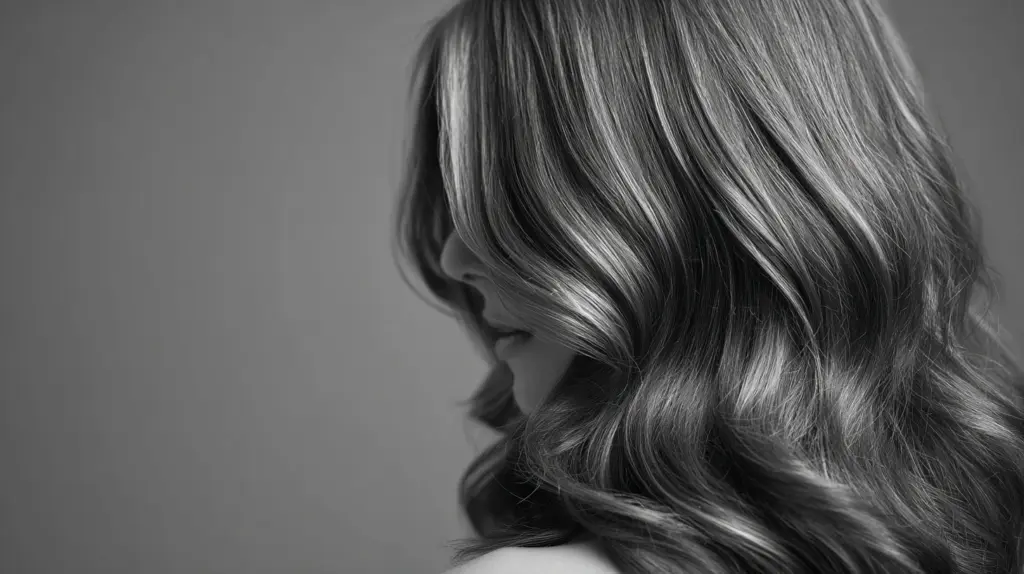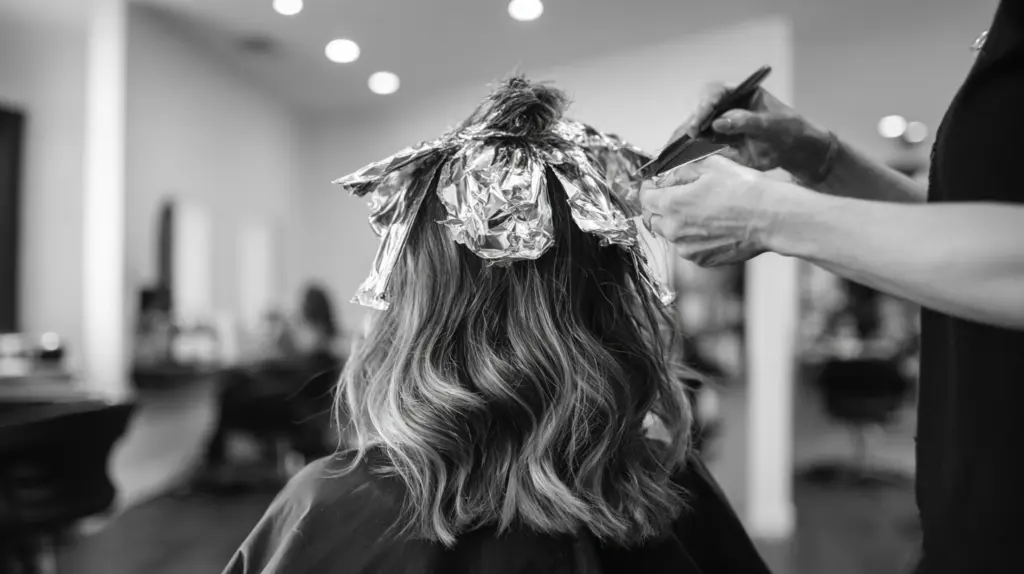

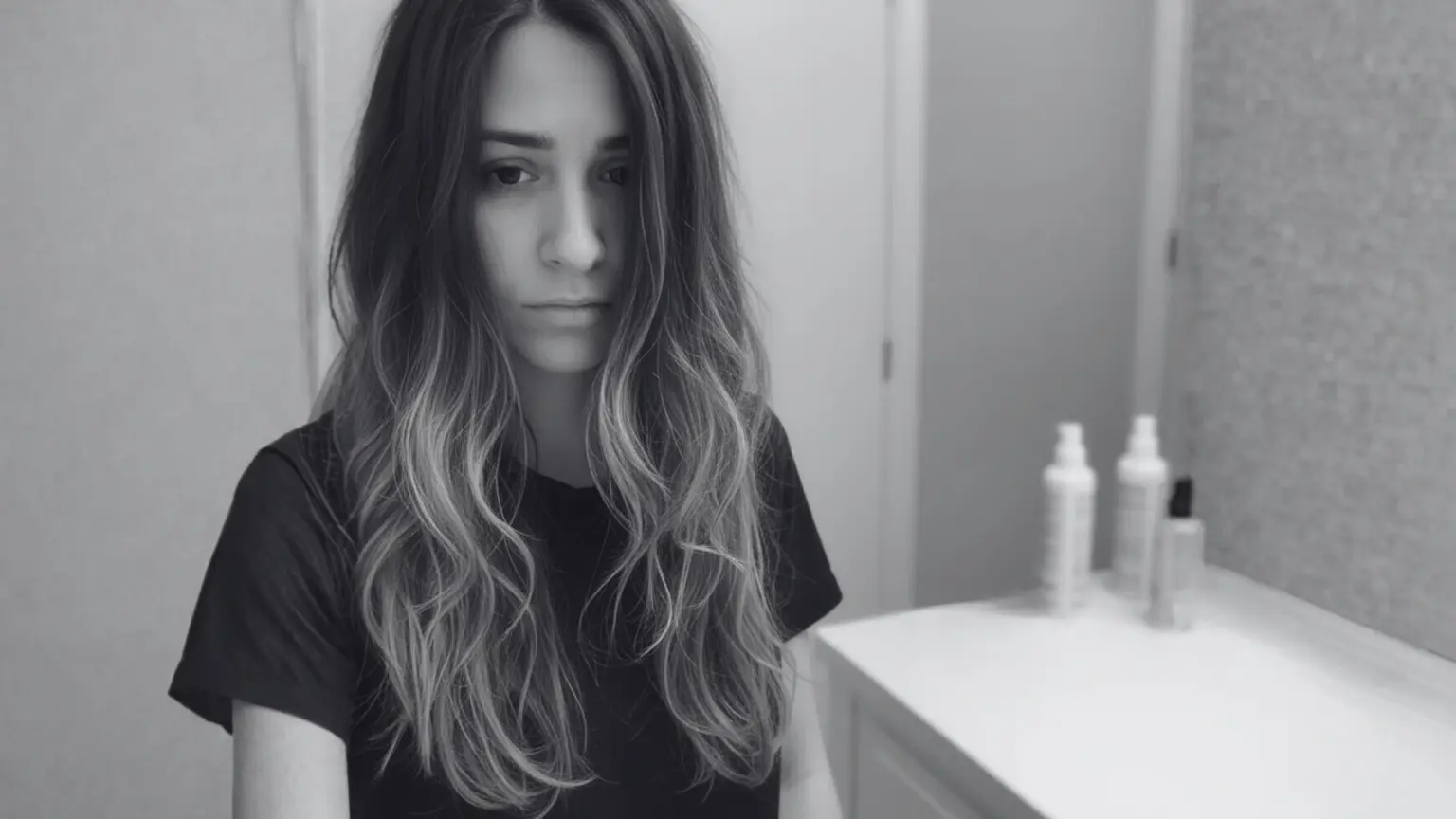
Balayage is one of the most popular hair coloring techniques right now.
Balayage comes with real risks that don’t always get talked about.
Hair damage, dryness, and breakage are more common than most people expect. And if you’re thinking about going back to your natural color?
That process isn’t as simple as it sounds.
It takes time, the right steps, and a clear sense of what balayage actually does to your hair.
This blog covers what damage balayage can cause and what reversal really looks like.
What is Balayage?
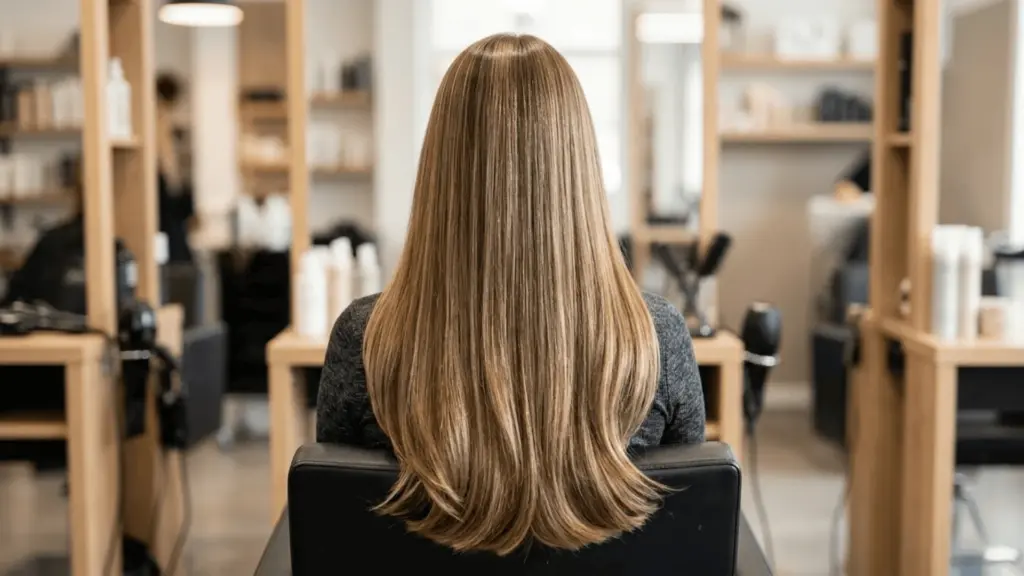
Balayage is a hair coloring technique where hair color is applied directly to the hair by hand.
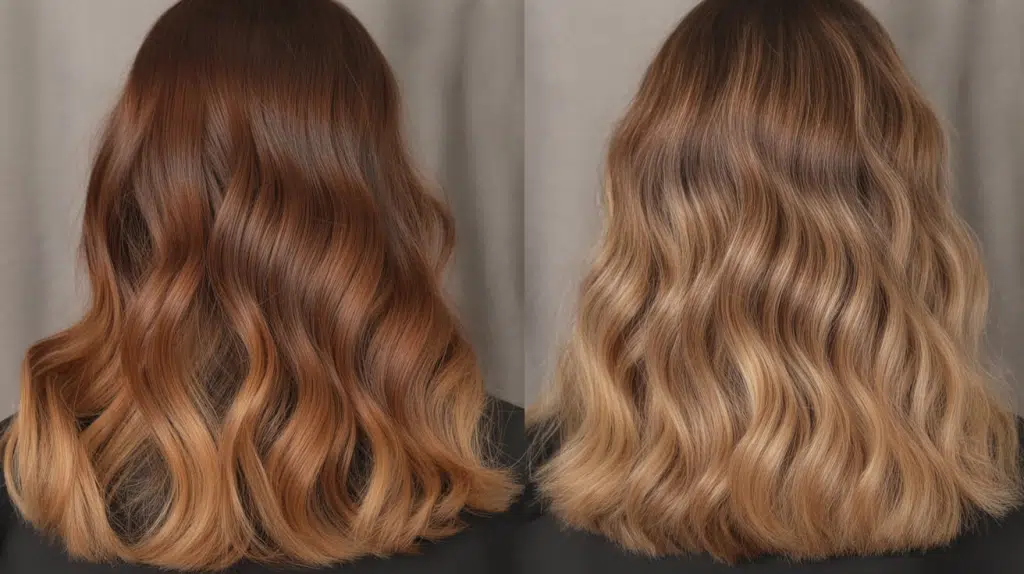
The effect is a soft, natural-looking gradient that blends from darker roots to lighter ends.
It works on most hair types and lengths, which is a big reason for its worth and popularity. The color is applied in a sweeping motion, targeting specific sections.
This gives a sun-kissed effect that looks less uniform than regular highlights.
Common Risks of Balayage
Balayage looks great, but it’s not without its downsides. Here are the most common risks you should know.
Hair Breakage: Bleach weakens the hair structure over time.
If your hair is already fragile, balayage can accelerate breakage and lead to significant hair loss.
Dryness and Frizz: The bleaching process strips moisture from the hair. This leaves it dry, rough, and frizzy, especially without proper aftercare.
Scalp Irritation: The chemicals used in balayage can irritate the scalp.
Redness, itching, and sensitivity are common reactions, particularly for those with sensitive skin.
Uneven Color Results: Without an experienced stylist, the color can turn out patchy. Uneven application leads to blotchy tones that are difficult to fix later.
Over-Processing: Too many balayage sessions without breaks can over-process the hair.
This makes it weak, dull, and very hard to restore.
Signs Your Balayage is Damaging Your Hair
Not sure if your hair is struggling after a balayage? Watch for clear warning signals to stop damage.
| Sign | What it Means |
|---|---|
| Gummy texture when wet | Protein structure inside the hair is breaking down |
| Excessive shedding | Hair is under serious stress from chemical treatment |
| Dull, lifeless appearance | Bleach has damaged the outer hair layer |
| Worsening split ends | Damage has spread beyond just the tips |
| Color fades within weeks | Hair cuticles are too open to hold color |
| Rough texture when dry | Hair is struggling to retain moisture |
| Increased tangles and knots | Hair strands are weakened and losing smoothness |
Can Balayage Damage be Repaired?
Yes, balayage damage can be repaired. It takes time and consistency. Deep conditioning treatments, protein masks, and regular trims help gradually rebuild hair strength.
Switching to sulfate-free products also makes a real difference.
In more severe cases, a professional treatment like Olaplex or a bond-building service may be needed.
Results won’t happen overnight, but with the right care, healthy hair is absolutely within reach.
How to Switch Balayage and go Back to Your Natural Hair Color
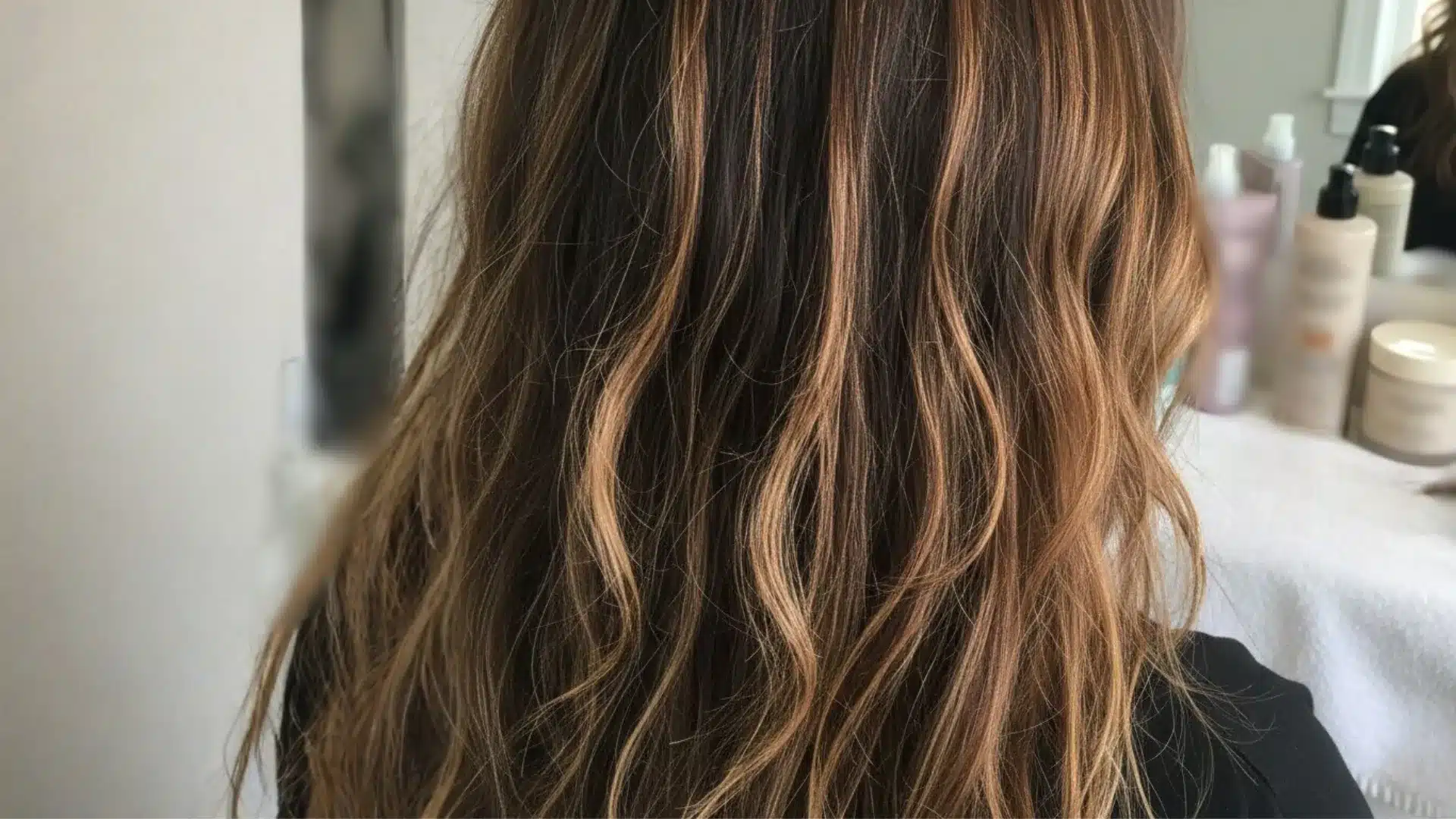
Returning to your natural color after balayage is possible with the right approach. Here are effective methods to make the switch.
Lowlights to Blend the Color
Lowlights add darker strands back into lightened hair.
They gradually blend the balayage with your natural shade. This technique reduces the contrast between light and dark sections, making the transition back to your natural color look smooth and natural.
Root Shadow Techniques
A root shadow deposits a darker color at the roots and blends downward. It creates a natural-looking gradient that connects your regrowth to the balayage.
This is one of the most popular ways to start transitioning back without a harsh color line.
Toners to Adjust Color
Toners work on the surface of the hair to shift its tone.
They can neutralize unwanted brassiness or heat left behind by balayage. While toners don’t permanently change your color, they create visible contrast and help fill the gap between shades.
Color Correction Services
When balayage has gone too light or too uneven, color correction is often needed.
A professional colorist assesses the damage and rebuilds the color in stages. This process can take more than one session, depending on how far the hair has been lifted.
Growing Out Balayage Naturally
Letting your hair grow out is the most low-maintenance option. Regular trims remove the lightened ends over time.
Pairing this with a good hair care routine keeps the grow-out looking neat and healthy throughout the process
Transitioning Back to Darker Hair
Going darker after balayage is a gradual process.
Your hair can’t always handle a full color change in one session. A colorist will typically work in stages, depositing deeper shades carefully to avoid a flat or muddy result.
The key is to build the color back, layer by layer.
Rushing this process can lead to uneven results and further stress on already treated hair.
Tips to Protect Your Hair After Balayage
- Use a deep conditioning mask at least once a week.
- Avoid heat styling tools as much as possible.
- Always apply a heat protectant before using any hot tools.
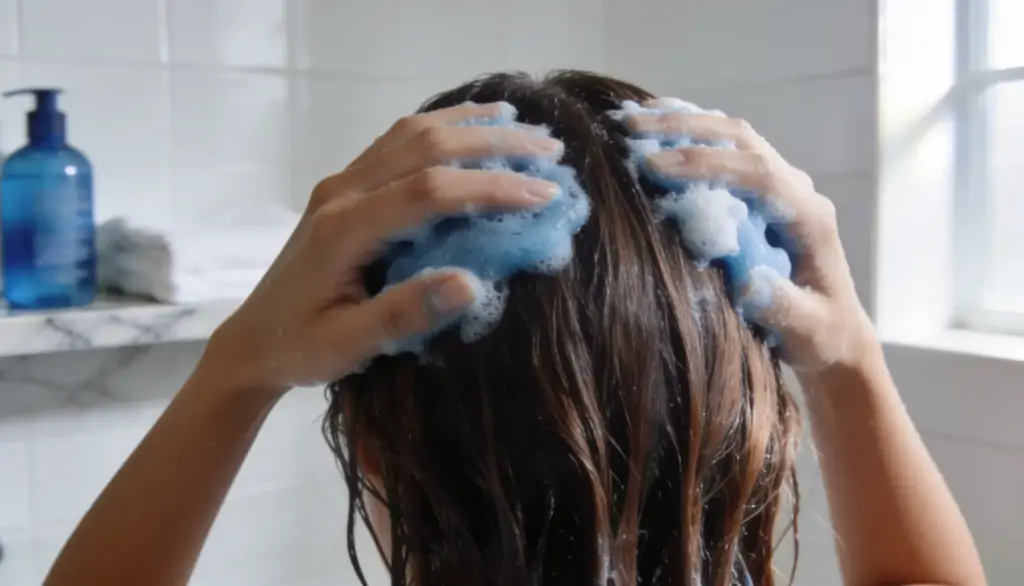
- Wash your hair with cool water to keep the cuticle closed.
- Limit washing to two or three times a week.
- Sleep on a silk or satin pillowcase to reduce friction.
- Get regular trims to keep damaged ends in check.
- Stay away from chlorine and saltwater as much as possible.
When to Visit a Professional Stylist
Some hair concerns go beyond what home care can fix.
If your hair is snapping off, feeling gummy, or losing volume, it’s time to book a professional appointment. A stylist can assess the extent of the damage and recommend the right treatment plan.
Color correction, bond-building treatments, and protein cures are best handled by someone with proper training.
Trying to fix serious damage at home can often make things worse.
End Note
Balayage can look great, but it does come with real consequences for your hair health.
Knowing risks, identifying damage early, and acting promptly can impact long-term outcomes. Going back to your natural color takes time, but it’s entirely possible with the right care and professional help.
Don’t wait until the damage gets severe. Start protecting your hair today.
Frequently Asked Questions (FAQ’s)
1. Is Reverse Balayage Damaging?
It can be, especially if your hair is already chemically treated.
2. How Often Should You Go for Balayage?
Most stylists recommend booking a balayage session every three to four months.
3. Is Balayage Hair High Maintenance?
Compared to traditional highlights, balayage requires less frequent touch-ups and salon visits.
4. Is Balayage Healthier than Highlights?
Balayage uses less bleach overall, making it slightly gentler than traditional foil highlights.
5. What is the Least Damaging Hair Color Technique?
Glossing and toning are generally considered the least damaging hair color options available.