
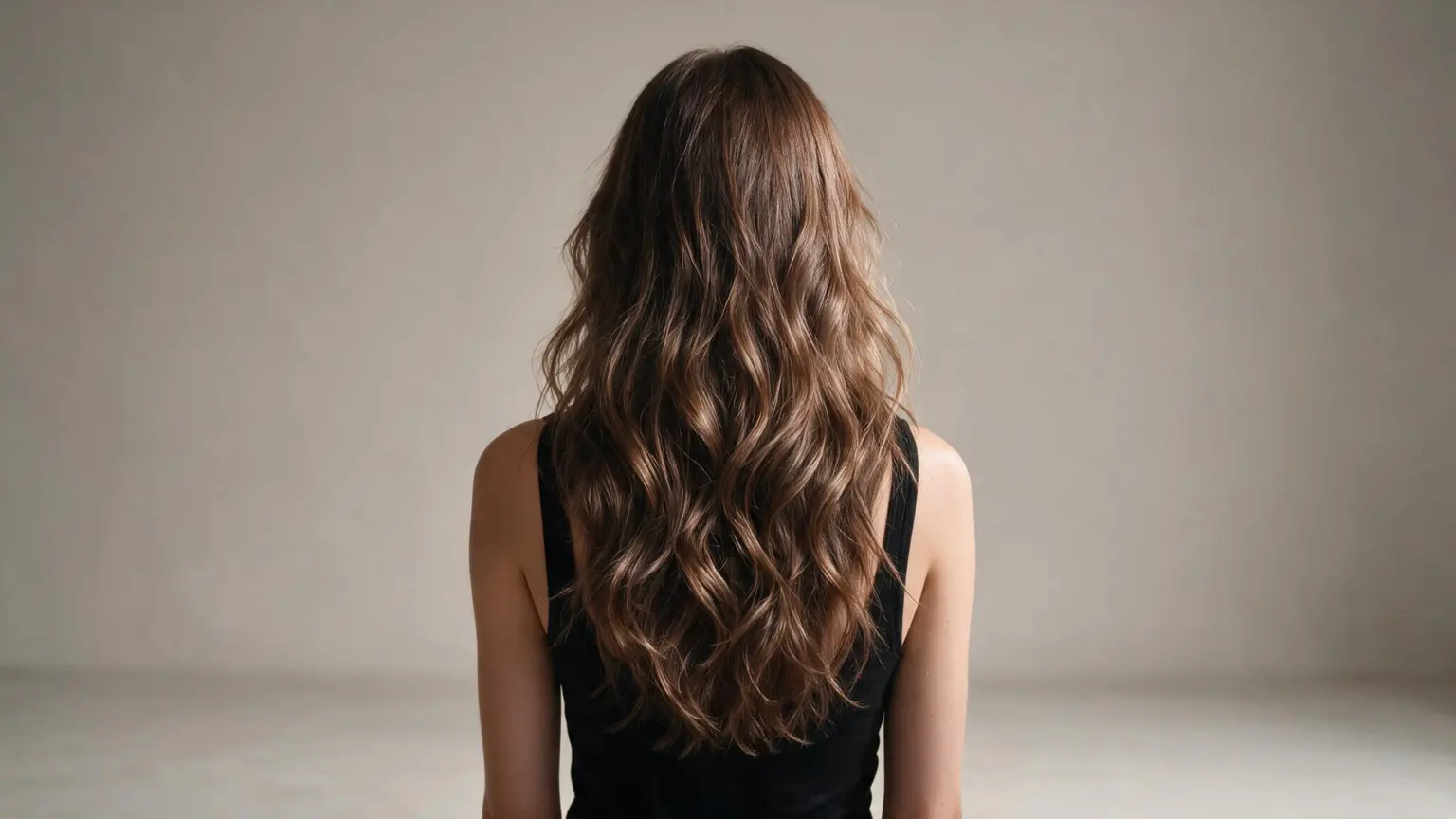
Not everyone wakes up with bouncy, beachy waves.
Maintaining straight hair requires effort, and heat styling tools have their limits before frizz starts to return.
That’s where a beach perm comes in. It creates natural-looking waves that endure for months, requiring much less daily maintenance.
Read on to know everything before scheduling an appointment. It details the actual expense of this hairstyle, as well as the maintenance required to keep curls in good condition.
So, no more curling irons each morning, and no more temporary results!
What is a Beach Wave Perm?
It is a chemical process that gives hair loose, natural-looking waves. It’s different from the traditional perm, which creates coiled, bouncy curls.
Traditional perms use tiny rollers to create a consistent, curly appearance, whereas a beach wave works differently.
Stylists use larger rods or foam rollers instead. This produces a gentler, more relaxed wave pattern. The treatment alters hair texture permanently, but it doesn’t mean the waves stay fixed indefinitely.
Over time, the waves become more relaxed and less tense. New hair grows straight, as the perm only affects the hair currently present.
As roots grow out, touch-ups become a regular part of the routine.
Beach Wave Perm vs Traditional Perm
These two create very different results, even though both rely on chemical processing.
Traditional perms give a structured, curly look, while beach waves feel more natural and undone.
Volume follows the same pattern. Traditional perms add heavy volume throughout, while beach waves stay softer and lighter.
| Factor | Beach Wave Perm | Traditional Perm |
|---|---|---|
| Wave/curl size | Large, loose waves | Small, tight curls |
| Overall finish | Relaxed, natural look | Structured, curly look |
| Volume | Moderate volume | High volume throughout |
| Styling requirements | Minimal daily styling | Regular curl maintenance |
| Grow-out appearance | Blends in gradually | Noticeable roots and gaps |
| Ideal hair goals | Soft texture, beachy vibe | Full-on curls and body |
Traditional curls demand more upkeep to stay defined. Grow-out looks different too. Beach waves blend in gradually, but traditional perms show sharp roots as new hair comes in straight.
How is a Beach Wave Perm Done?
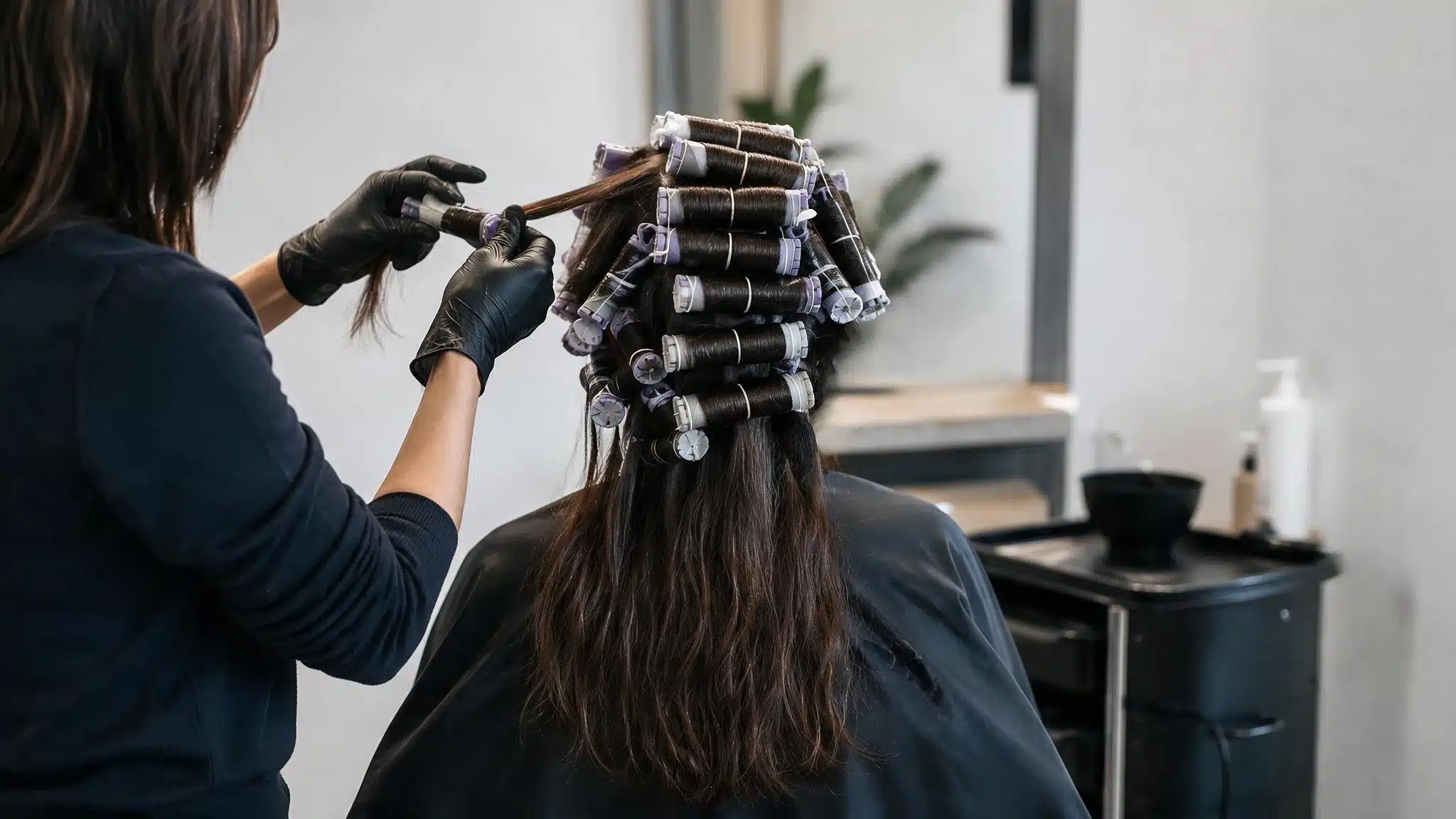
Achieving this hairstyle requires multiple steps. Each one contributes to the formation of the final wave pattern.
Hair and Scalp Consultation
The stylist first examines the hair’s texture, thickness, and overall condition. Reference images illustrate the intended wave design. The stylist also considers current color or chemical treatments in the strategy.
Hair Preparation
The stylist cleans the hair to remove oil and residue, then divides it into smaller sections. Some salons prefer the hair to be slightly damp before wrapping.
Choosing the Right Rods
Bigger rods produce gentle, relaxed waves. Thinner rods produce a closer, more distinct pattern. The right size depends on hair length, thickness, and the intended look.
Wrapping the Hair
Strands of hair are wrapped around rods or pliable rollers. The positioning and orientation influence how the waves will land afterward. Longer hair might require various wrapping techniques for an organic look.
Applying the Perm Solution
Apply a waving solution to the wrapped hair. It temporarily disrupts the internal connections of the hair. This allows the strands to adopt a fresh wave form.
The time required for processing varies based on the product and the state of the hair.
Rinsing and Neutralizing the Hair
After processing, the solution is rinsed away while the hair remains wrapped.
The stylist then applies a neutralizing solution to secure the new wave pattern before gently removing the rods.
Final Rinse and Conditioning
The hair is rinsed once more, usually with a conditioning application. This step leaves the hair softer and easier to manage.
Drying and Styling
The stylist manually scrunches or molds the waves. Hair can dry naturally in the air or be dried using a diffuser.
Different Beach Wave Perm Looks
So many wave styles fall under the umbrella of this hairstyle. Length, texture, and even color all shape how the final look turns out.
1. Classic Loose Beach Waves
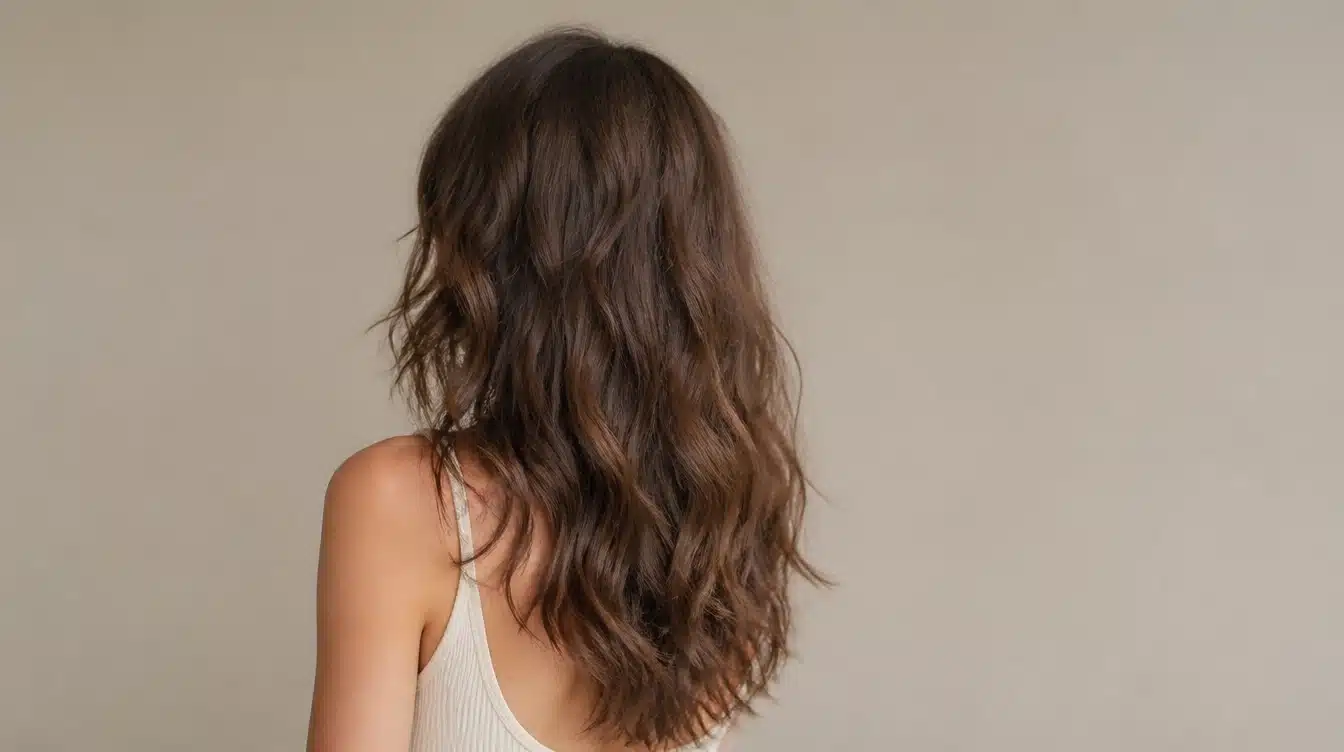
This style keeps the pattern soft and loose rather than tight or defined. The relaxed, undone finish reads as natural rather than styled.
Medium-to-long hair holds the shape best, giving enough length for the waves to move without losing their form.
2. Long Mermaid Waves
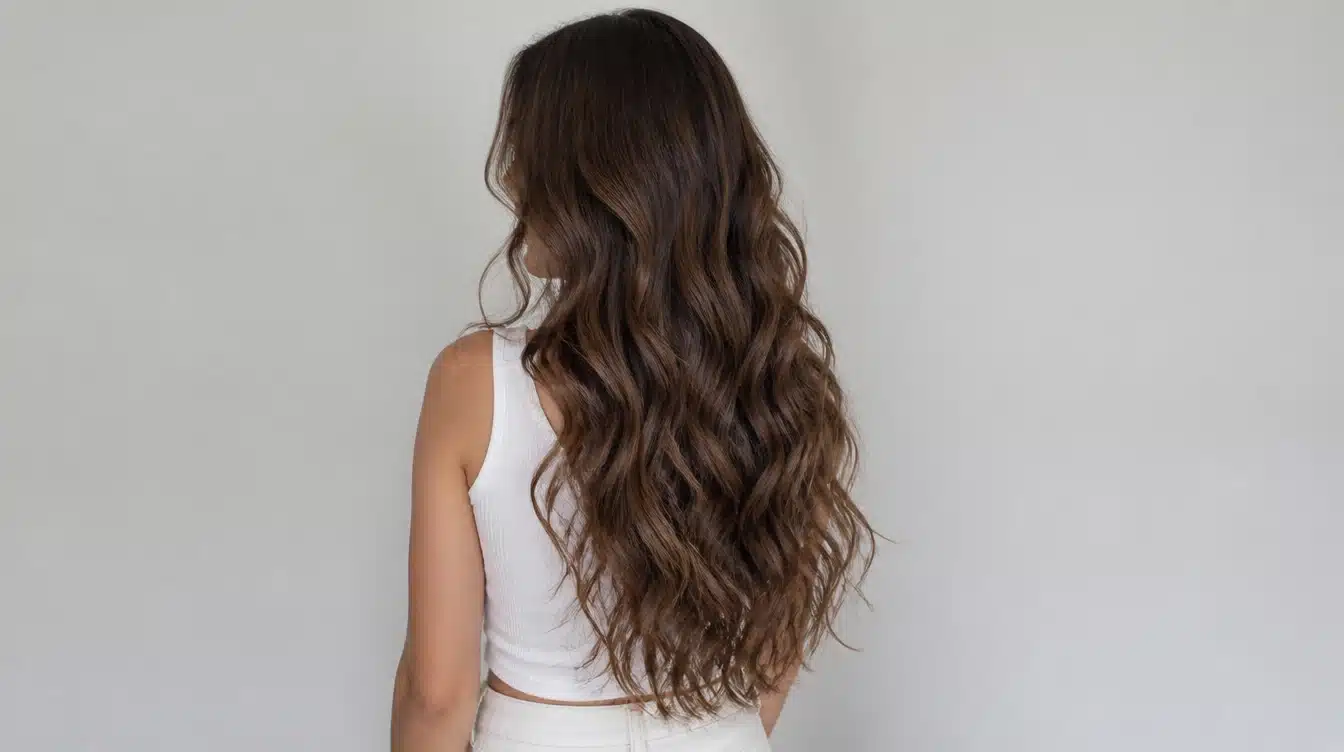
This version runs the wave pattern down the full length of the hair, creating a continuous, flowing shape.
The waves hold more definition than classic beach waves, and adding subtle layers keeps the ends from looking heavy or blunt.
3. Beach Wave on a Lob
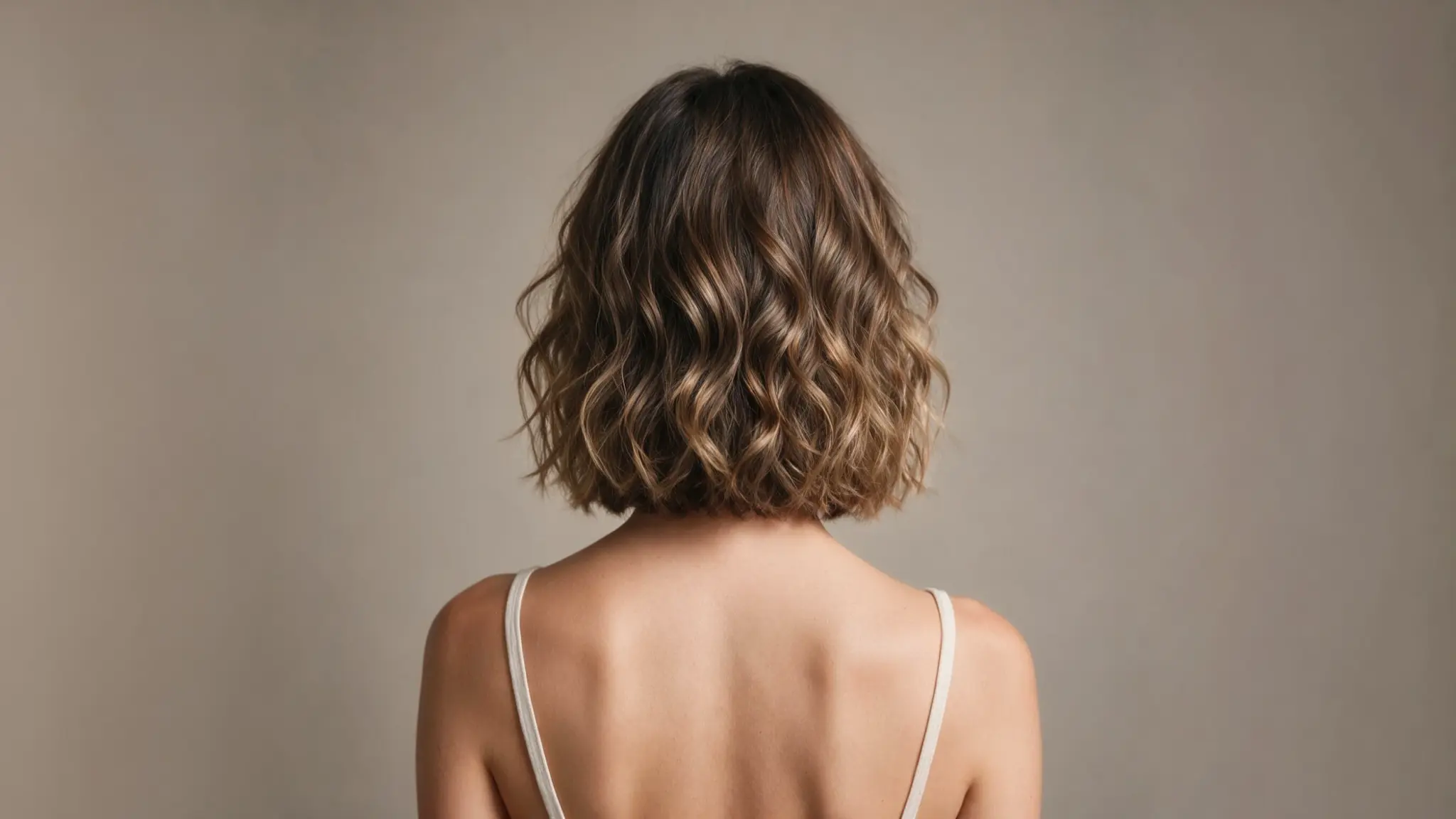
A shoulder-length lob paired with a wave perm creates body and movement without heading into full curls.
The shorter length keeps the texture practical and easy to style day-to-day, appealing to anyone who wants low upkeep.
Wait at least 48 hours before washing to let the perm fully set.
4. Tousled Beach Wave Shag
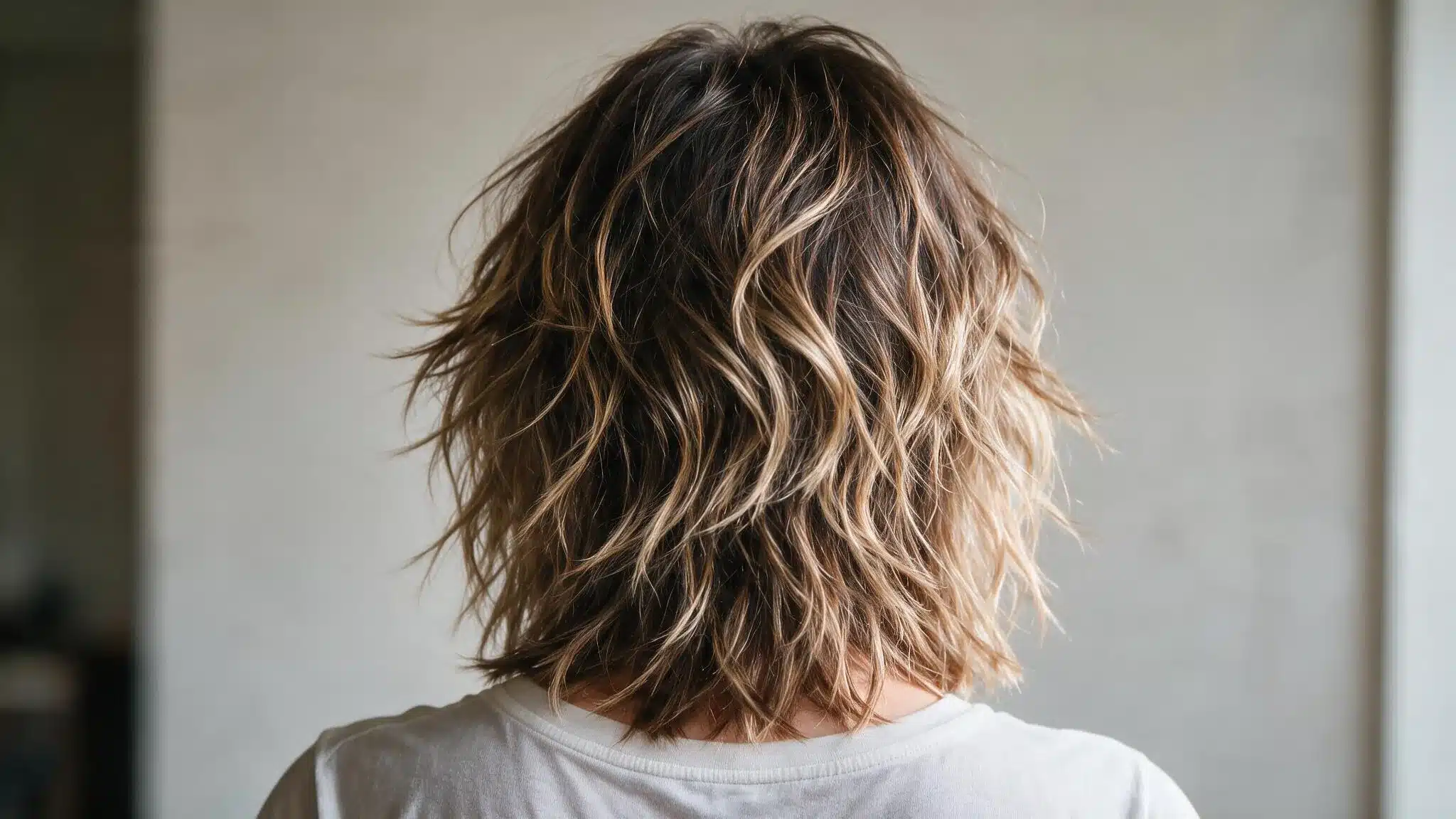
Combining shag layers with loose waves builds volume quickly and adds noticeable texture throughout.
The layers break up the length so the waves catch at different points, giving the finished look a deliberately messy, lived-in quality.
5. Beach Waves With Curtain Bangs
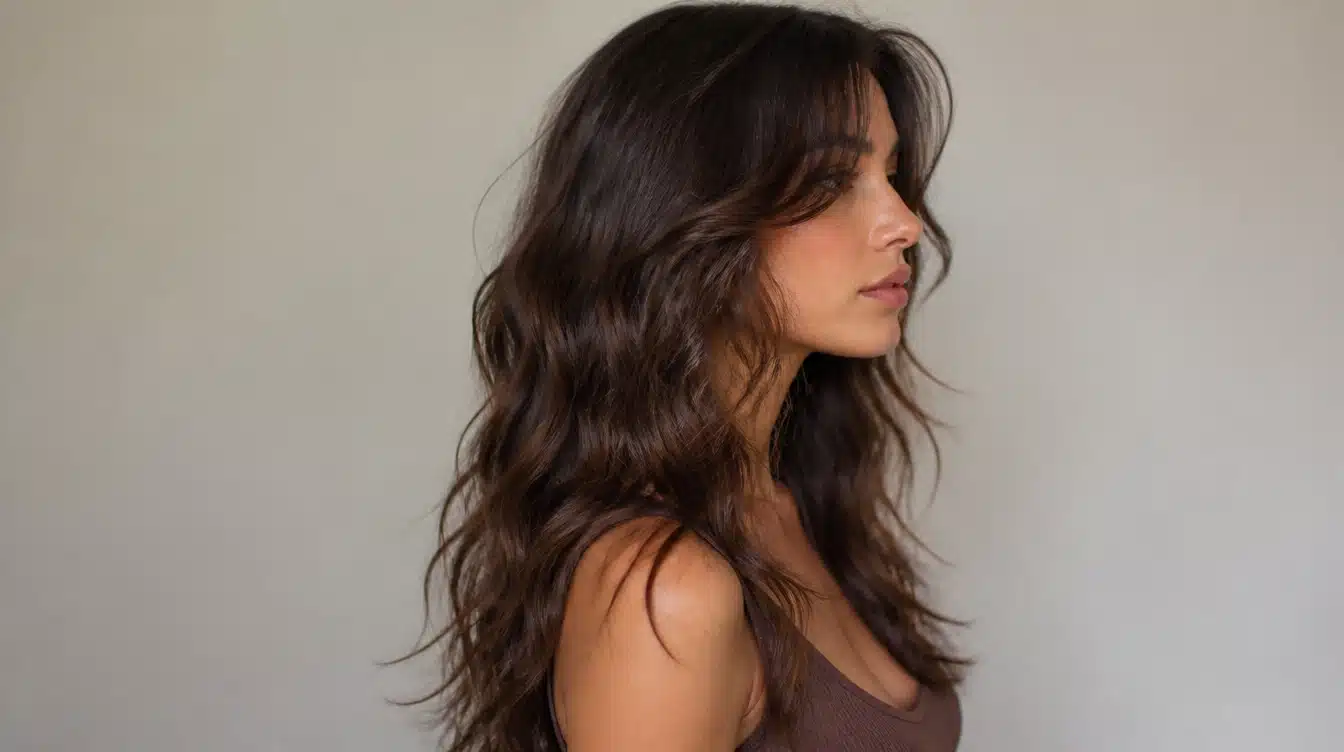
Curtain bangs work into the wave pattern instead of standing apart from it, so the whole style reads as one cohesive shape.
They frame the face and soften the overall look, giving it a more relaxed, gentle finish.
6. Beach Waves With Highlights
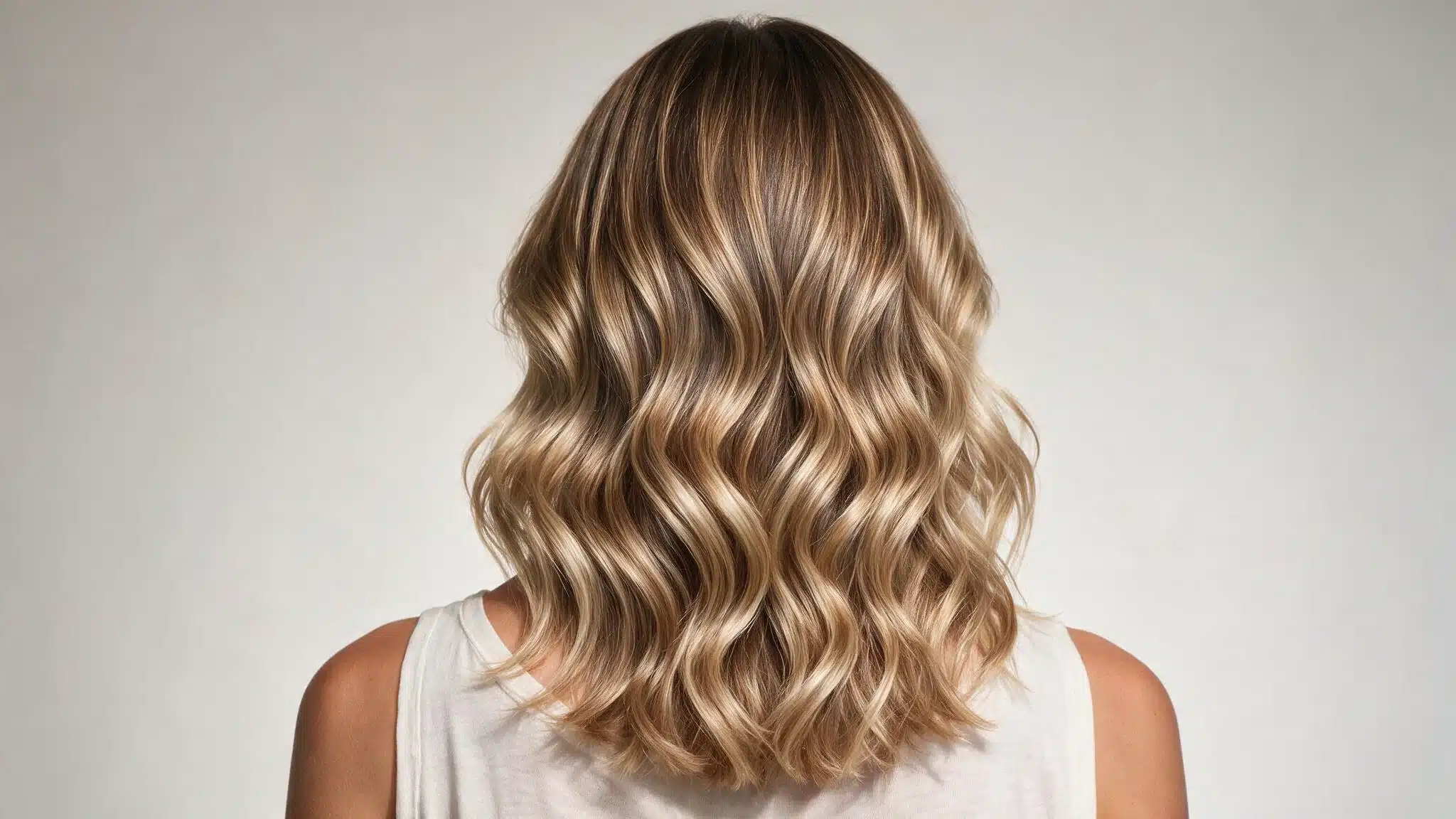
Adding color, particularly balayage or soft highlights, makes each individual wave more visible and defined.
The contrast brings out dimension in the hair without overpowering the texture, letting the waves and the color work together.
Use a color-safe, sulfate-free shampoo to keep highlights from fading too fast.
7. Beach Wave Bob
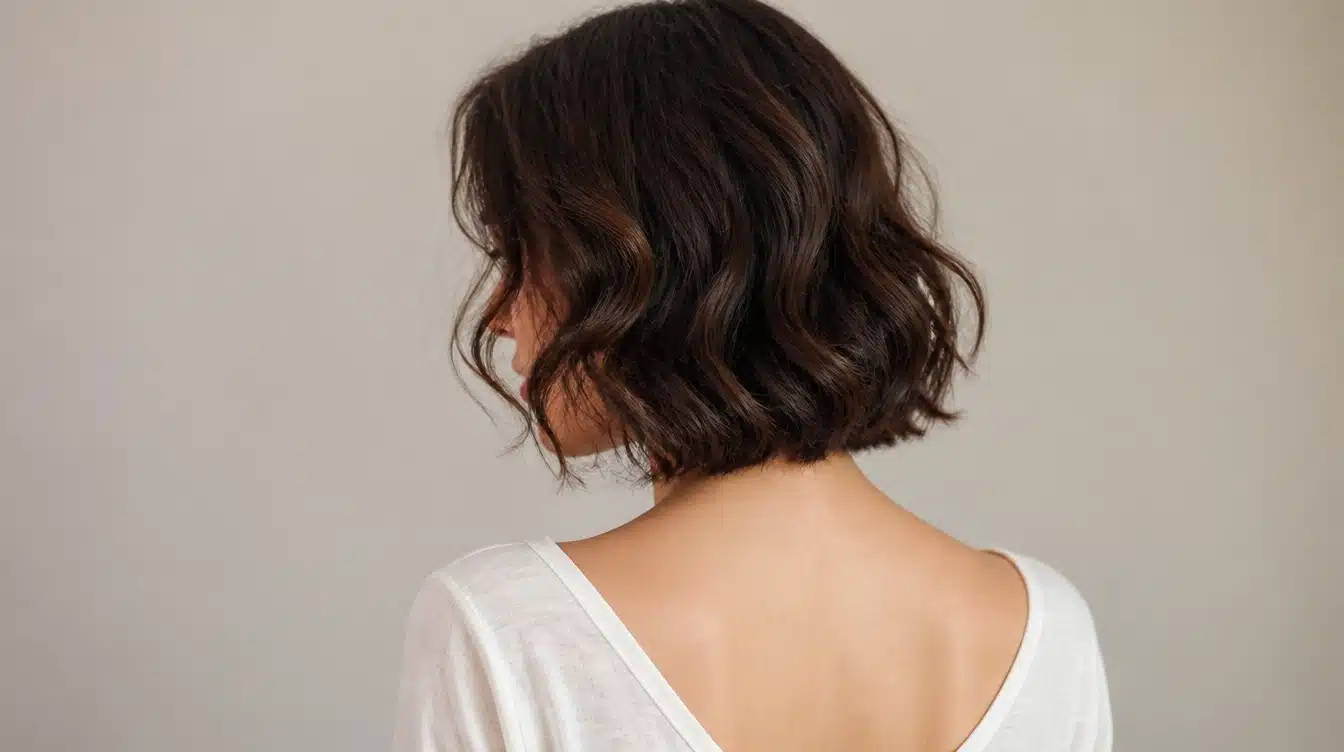
Applying beach waves to a bob keeps the cut short while still feeling put together, not plain.
It pairs naturally with chin- or jaw-length hair, and the light texture is easy to maintain day-to-day.
8. Layered Beach Waves
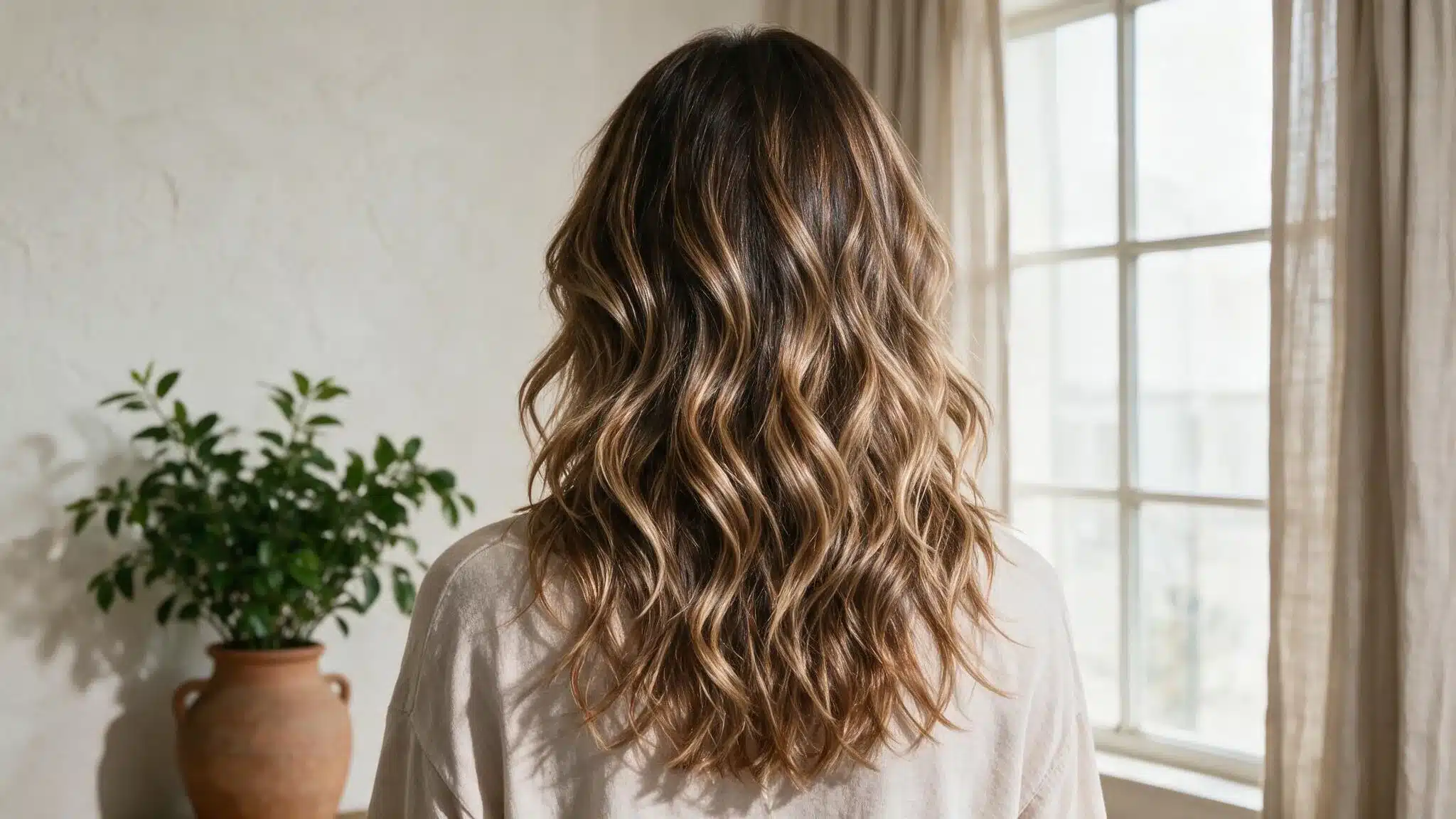
Layers cut into longer hair separate individual waves and prevent the style from falling flat under its own weight.
This adds movement throughout the length, making it a practical option for people with thicker or heavier hair.
Ask your stylist for face-framing layers to keep the volume balanced instead of bulky.
9. Beach Waves With Face-Framing Layers
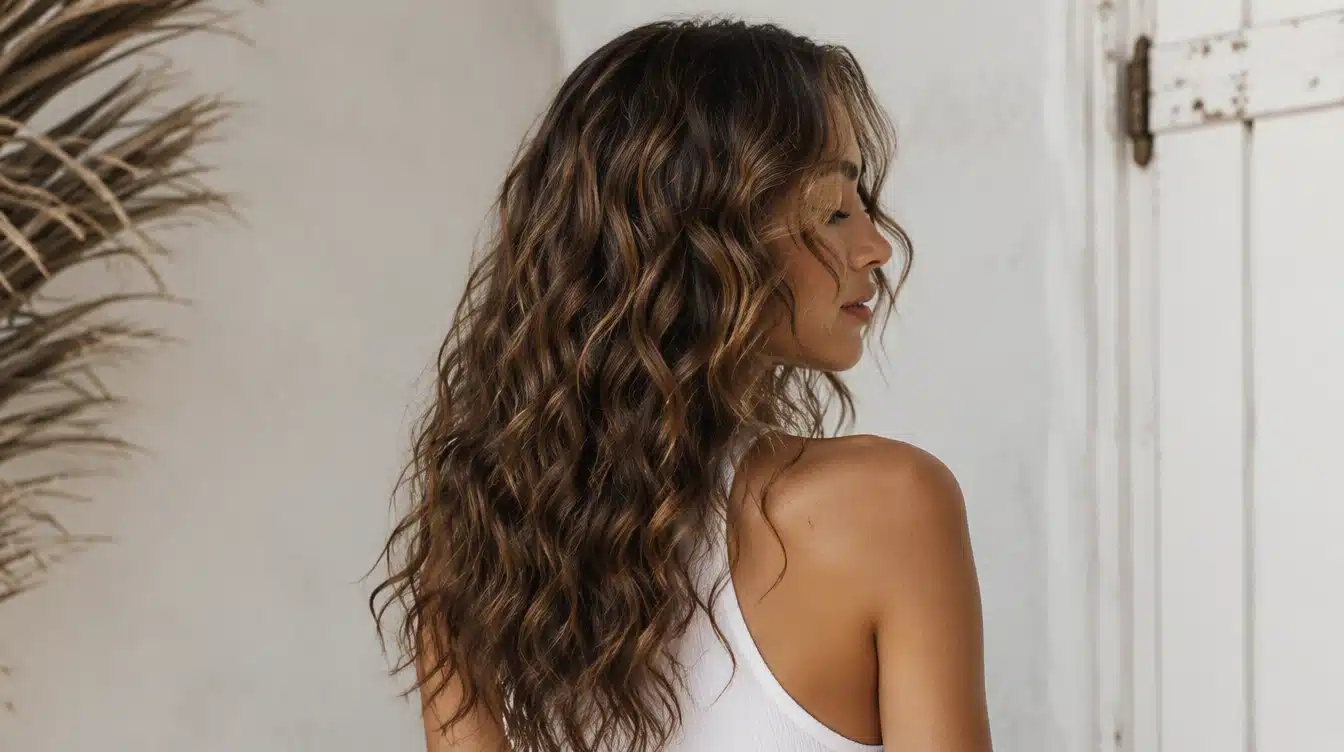
Shorter layers that start near the face draw attention to the cheekbones and jawline as the waves move.
This creates a flattering effect without requiring a heavily layered cut overall, making it a fairly low-effort styling choice.
What is the Cost of a Beach Perm?
Prices for this hairstyle vary a lot. Expect a range of $80 to $250, although some salons may charge more. There’s no single price because many factors come into play.
Hair length matters, as longer hair requires more product and time. Denser hair also adds to the cost. The stylist’s experience affects the results, as does the salon’s location.
Urban salons typically cost more than those in smaller towns, and the perming technique also influences the total cost.
Booking a consultation first helps avoid surprises. A stylist can give an accurate quote based on hair type and goals.
Finding the Right Beach Wave Perm for Your Hair
A beach wave involves more than simply having looser curls. It’s focused on reducing morning styling time while maintaining an effortless hair appearance.
Post-appointment care is equally important as the appointment itself. Mild products, reduced heat, and consistent trims keep the waves looking fresh for months.
Anyone considering this style should gather reference photos and ask plenty of questions before booking.
A little planning makes a big difference!
Frequently Asked Questions (FAQs)
1. Can I Color My Hair Before or After a Beach Wave Perm?
Coloring before the perm is usually safer. Coloring right after can weaken hair, so most stylists suggest waiting a few weeks.
2. Can I Swim with a Beach Wave?
Yes, but chlorine and salt water can dry out hair. Rinse hair right after swimming and apply a hydrating conditioner.
3. How Soon Can I Brush My Hair After Getting a Beach Perm?
Wait at least a day or two. Use a wide-tooth comb at first, and avoid brushing through wet waves.