
A wig can look great in a photo, but that does not always mean it will fit comfortably or look right when worn. The difference often comes down to how well the wig matches the wearer’s head shape, hairline, and natural hair density. This is especially important when choosing natural-looking wigs, since even small differences in fit can affect how realistic the finished style appears. Understanding how these measurements are taken can make it easier to see why a properly fitted wig feels more comfortable and blends more naturally.
Why Proper Measurements Matter
A wig that is too loose can shift throughout the day, while one that is too tight may feel uncomfortable and create pressure around the scalp. Proper measurements help the wig sit securely, follow the natural contours of the head, and avoid issues like gaps or unnecessary bulk. It is not just about choosing a standard cap size, since individual head shapes and proportions can vary quite a bit.
Measuring the Head Shape
Getting the head measurements right gives the wig a better starting point for comfort, stability, and a natural fit. A few basic measurements can help show how much space the wig needs and where it should sit.
Measuring Head Circumference
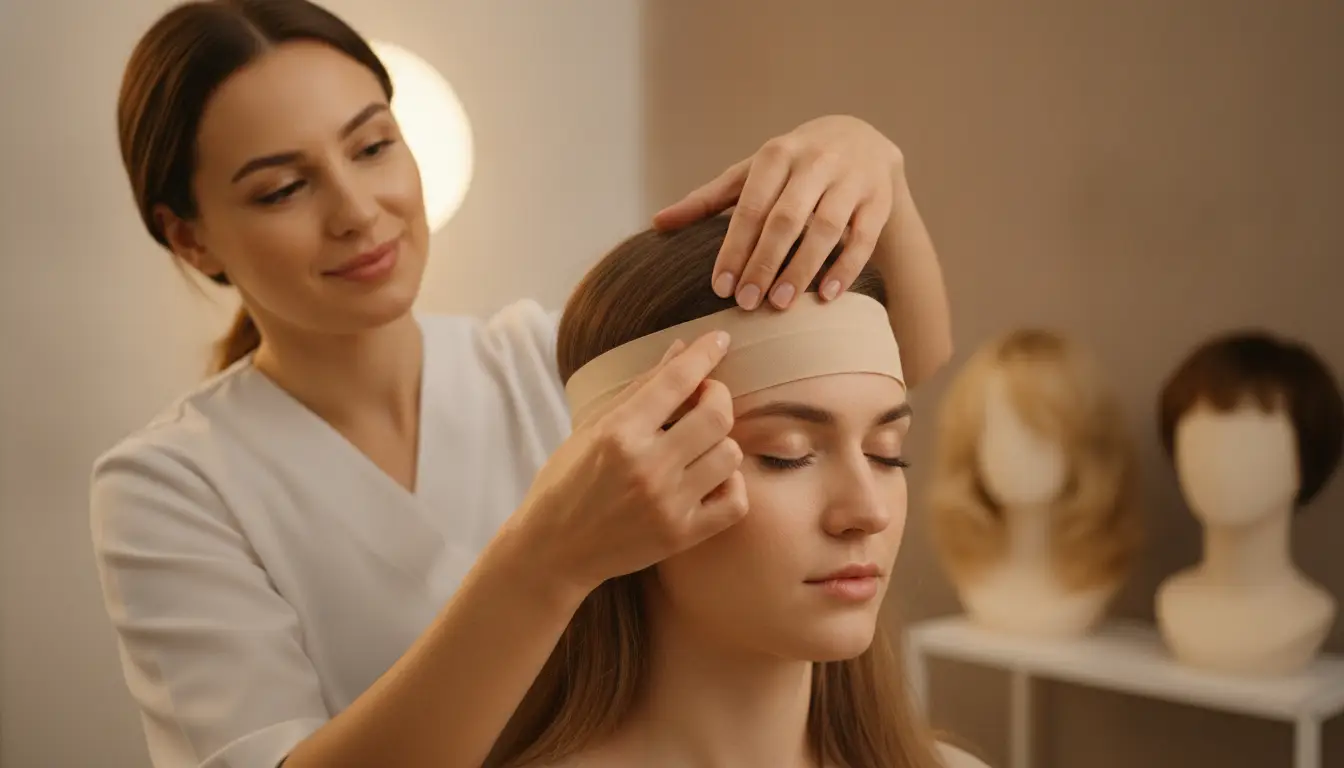
This measurement is usually taken around the fullest part of the head, following the natural curve from the front hairline area around the sides and back. The tape should be comfortably snug without pulling tightly, since even a small difference can affect how the wig fits.
Measuring Front-to-Back
Measuring from the front hairline area toward the back of the head helps determine the length of the cap needed from front to back. This can help prevent the wig from sitting too far forward or leaving unnecessary space at the back.
Measuring Ear-to-Ear
The ear-to-ear measurement helps determine the width needed across the top of the head. Taking this measurement carefully can help the wig sit evenly on both sides without creating uncomfortable pressure or leaving noticeable gaps.
Understanding Natural Head Shape
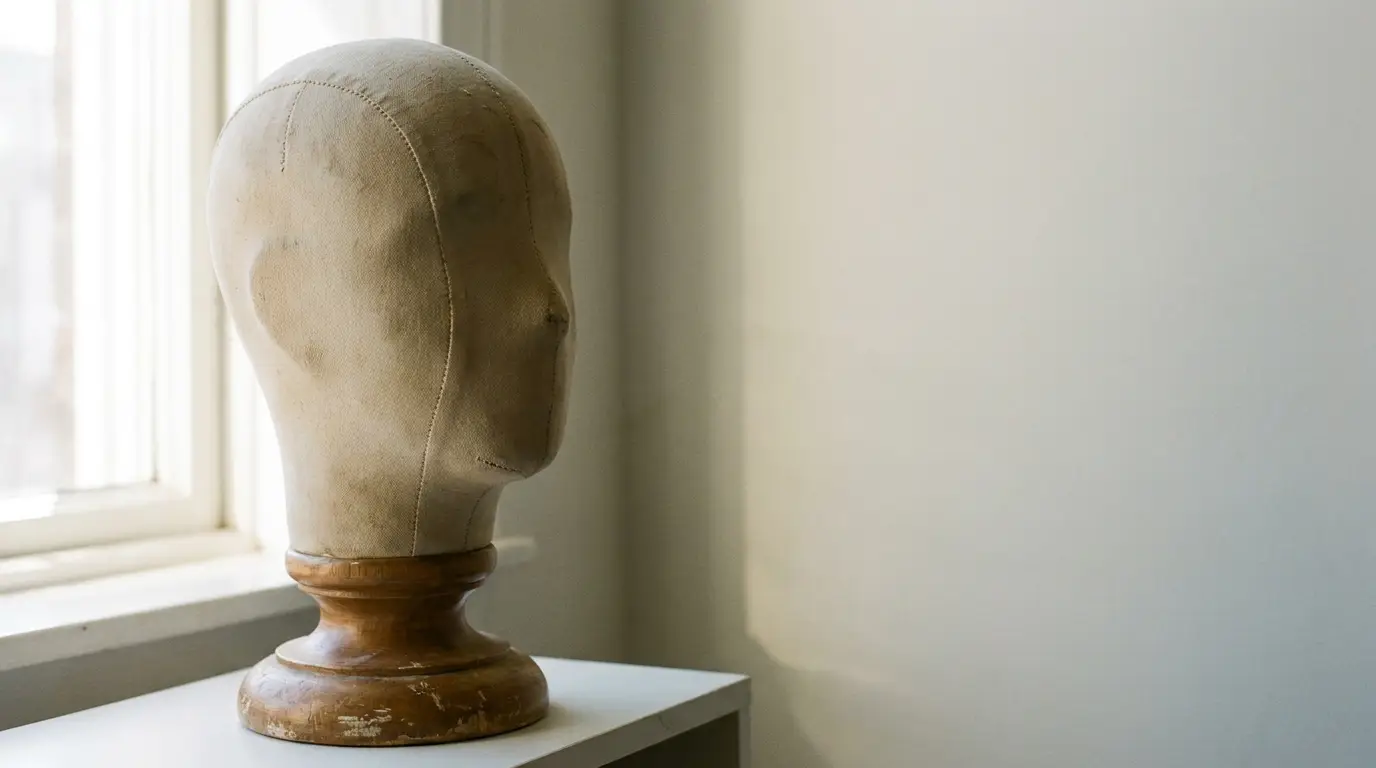
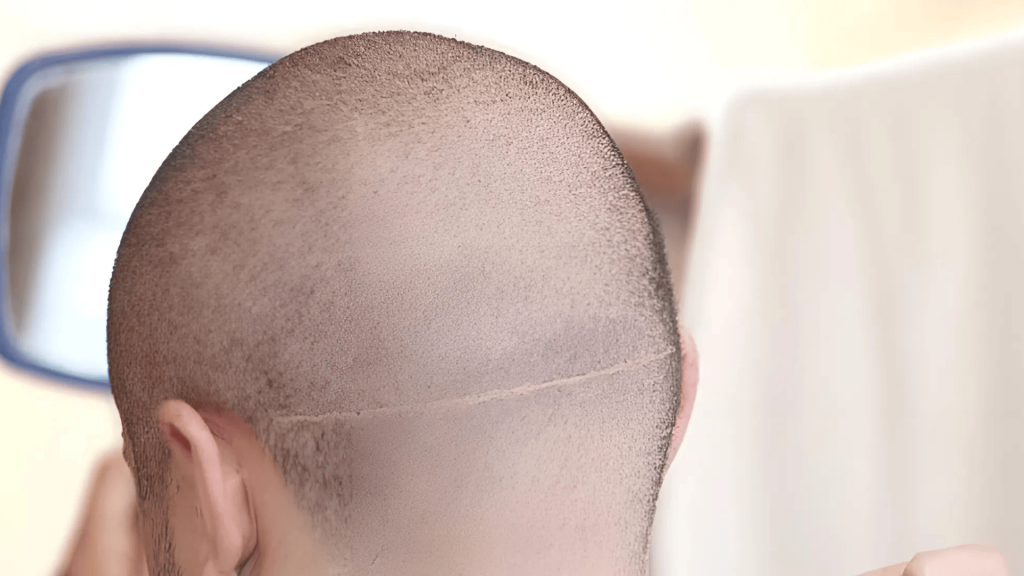
Head shape can vary quite a bit from person to person, so a wig should account for more than just overall measurements. Looking at the natural contours of the head helps create a fit that feels comfortable and sits in a way that looks balanced.
Not Every Head is the Same
Some people have rounder heads, while others may have oval, narrow, wide, or more elongated shapes. Recognizing these differences can help prevent the wig from looking too bulky in certain areas or feeling loose where more support is needed.
Accounting for Different Contours
While measurements do offer useful data that help the selection of wigs and their fitting, the shape of the head plays an important role in the determination of a proper cap fitting as well. The contour areas in the crown, temples, and nape of the head may determine how the cap sits and whether it conforms to the head’s natural shape.
Measuring the Hairline
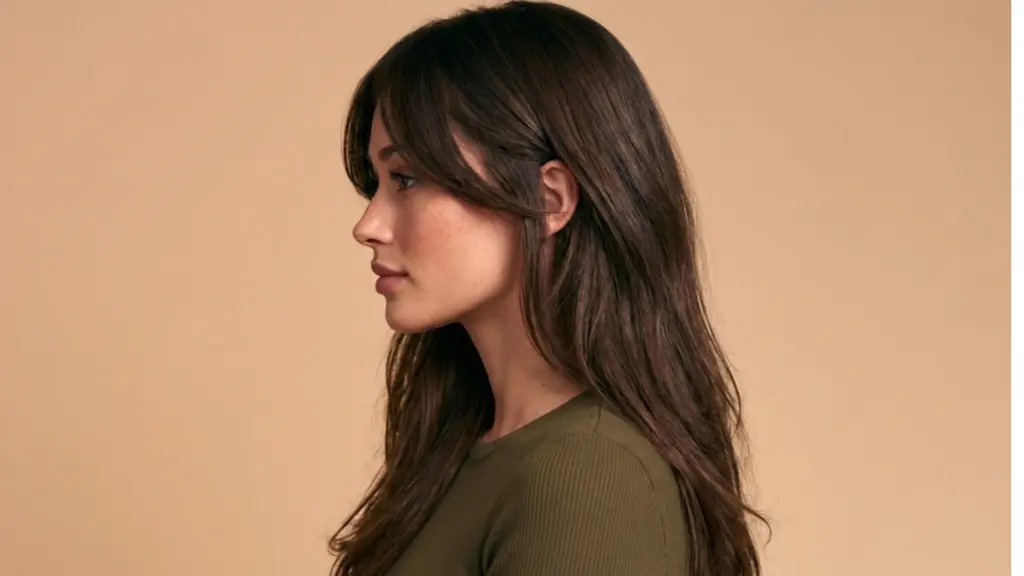
The hairline is one of the first details people notice, so getting its shape and position right can make a big difference in how a wig looks when worn. Careful measurements around the front and sides of the head can help the wig sit naturally and frame the face properly.
Finding the Natural Hairline
The natural hairline provides an important reference point when determining where the front of the wig should sit. Measuring from this area helps create better placement and can reduce the chance of the wig sitting too far forward or too far back.
Measuring the Hairline Shape
Hairs are different in hairlines naturally, some hairlines showing curves, some appear quite straight, and some are not even. The forehead hairline may also vary where the hair is high or lower. If the shape is known, then the wig maker can be able to craft the front edge of the wig in correspondence with the natural proportions.
Considering the Temples
The temple areas can affect how the wig looks from both the front and sides, especially when the hair is pulled away from the face. Taking these areas into account helps create a smoother transition and allows the wig to frame the face in a more natural way.
Assessing Hair Density
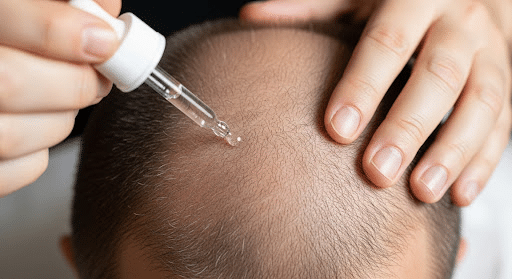
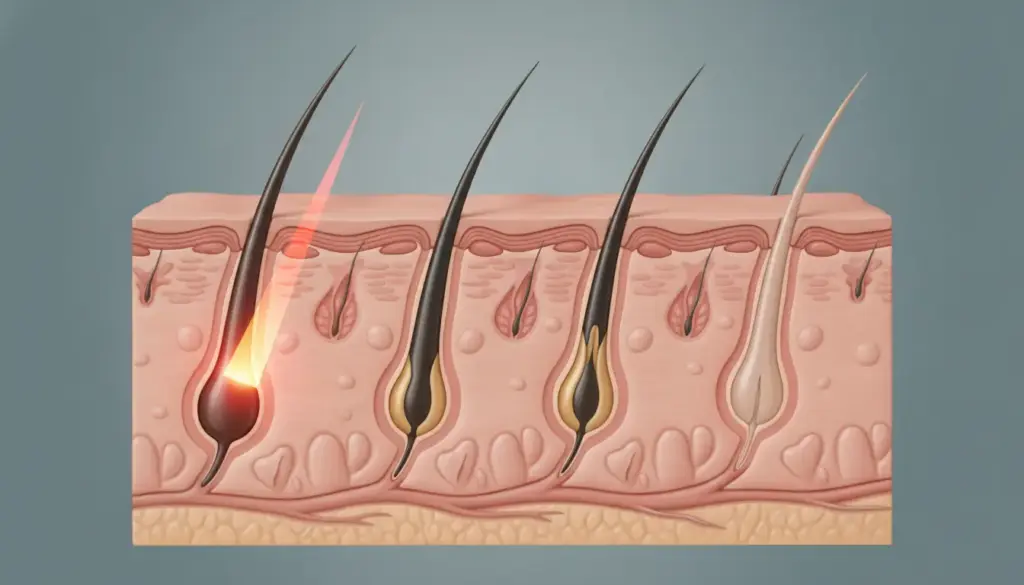
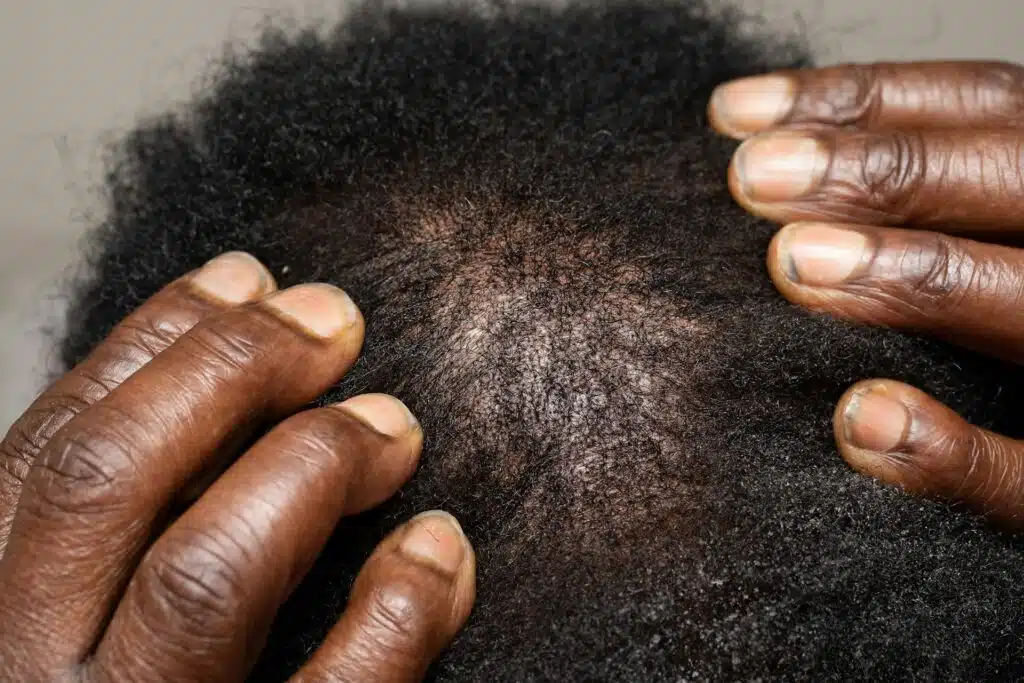
Hair density refers to how much hair is naturally present across different areas of the scalp, and it can vary from one person to another. Looking at existing density helps determine how much fullness is needed so the finished wig does not appear overly thick or noticeably sparse. The goal is to create a balance that complements the wearer’s natural appearance and preferred style.
How Measurements Work Together
A person’s choice of a wig has to take into account head circumference, head shape, hairline, and hair density. Only when these features are thought in harmony can a good proportion be achieved so the wig does not look bulky or look out of place on top. As a result, you get the fit that sits comfortably and goes well with the wearer’s facial features.
What Happens After the Measurements
When the measurements are done, they become the guide to choose and fit the wig right. At this stage, cap building, fit, and hair features are the points you will need to consider to make your wig unique.
Choosing the Right Wig Construction
Measurements can help determine which cap size and construction may work best for the wearer. Whether someone is comparing different styles or looking at options such as human hair wigs Toronto, the right construction can make a noticeable difference in comfort, security, and overall appearance.
Adjusting for the Individual
Measurements provide a useful starting point, but the finished fit may still need some fine-tuning. Adjustable straps, clips, or other cap features can help make small changes so the wig feels secure without putting unnecessary pressure on the head.
Checking the Finished Fit
Once you’ve decided that the wig fits correctly, ensure that it has a balanced look overall with the hairline temples crown, nape and back of the neck. A wig in a good condition should give you a relaxed feeling without any movement while, at the same time, your style remains perfect and hair falls to its natural position.
Conclusion
A well-fitted wig starts with understanding the unique shape of the head, the details of the hairline, and the wearer’s natural hair density. Taking these measurements carefully can improve comfort, stability, and the way the finished style frames the face. When these details come together, natural-looking wigs can feel more personal, balanced, and effortless to wear.