
Many people wish their hair had a little more life. Sometimes it hangs flat. Sometimes it feels heavy and dull. Plenty of folks know that feeling well. For them, layered hair often becomes the solution.
Layers are simple. A stylist cuts the hair at different lengths; that small change adds movement, shape, and body.
The catch is matching the cut to your hair, not chasing a trend.
Get that right, and the rest takes care of itself.
What is Layered Hair?
It is a type of cut where a stylist trims hair into different lengths instead of one even length. The shorter pieces usually sit on top or near the face. The longer pieces stay underneath.
Cutting the hair this way takes out some of the weight and bulk. With less weight to hold it down, the hair moves more freely and looks softer.
This part catches people off guard. Layers do not build volume by themselves.
What they really do is remove bulk. Once that weight is gone, the hair holds a fuller shape with much less effort.
Types of Long Layers Haircut
Long hair gives layers space to move and flow. A long-layered haircut keeps the length while adding shape and softness.
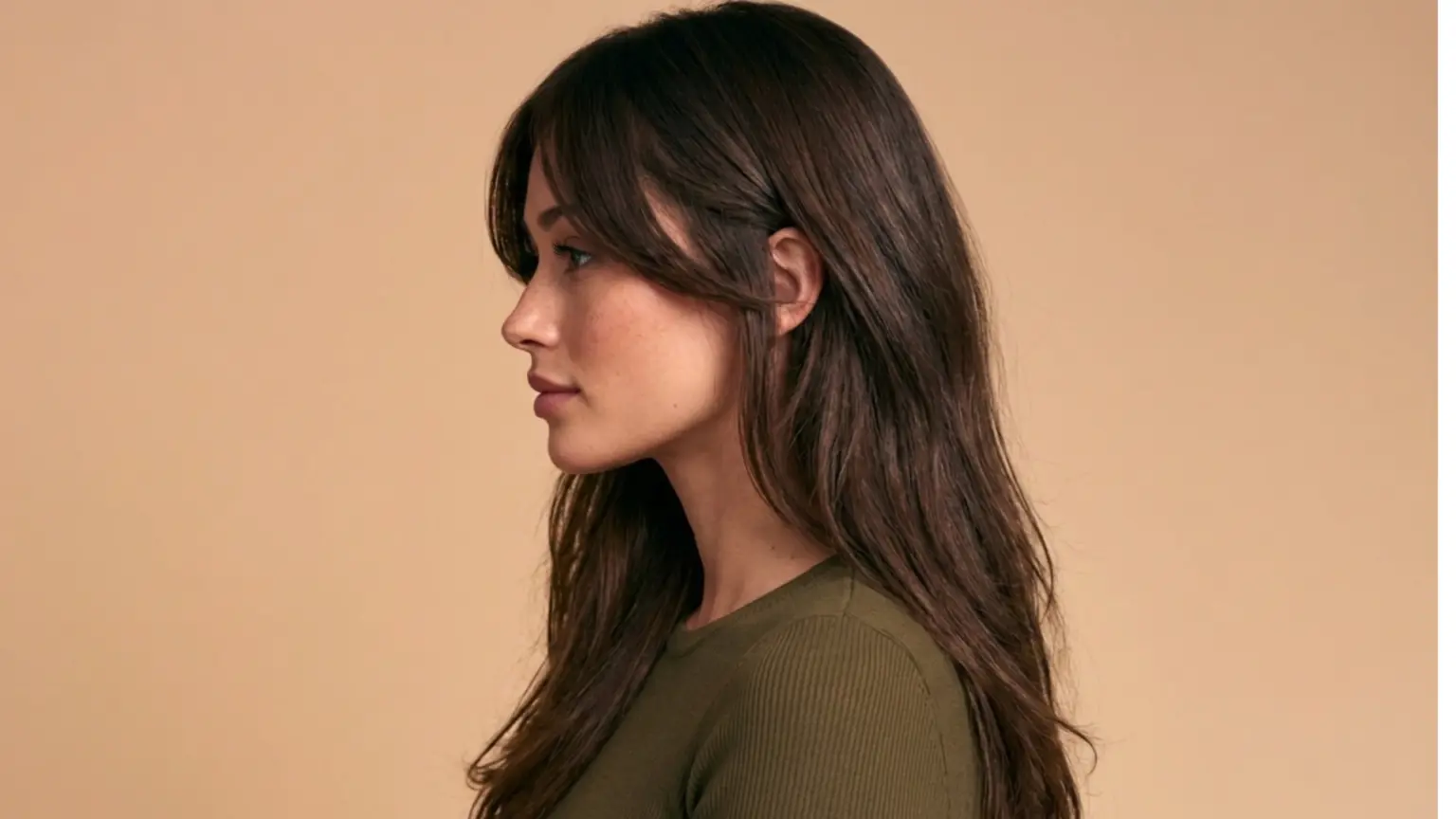
1. Long Layers With Curtain Bangs
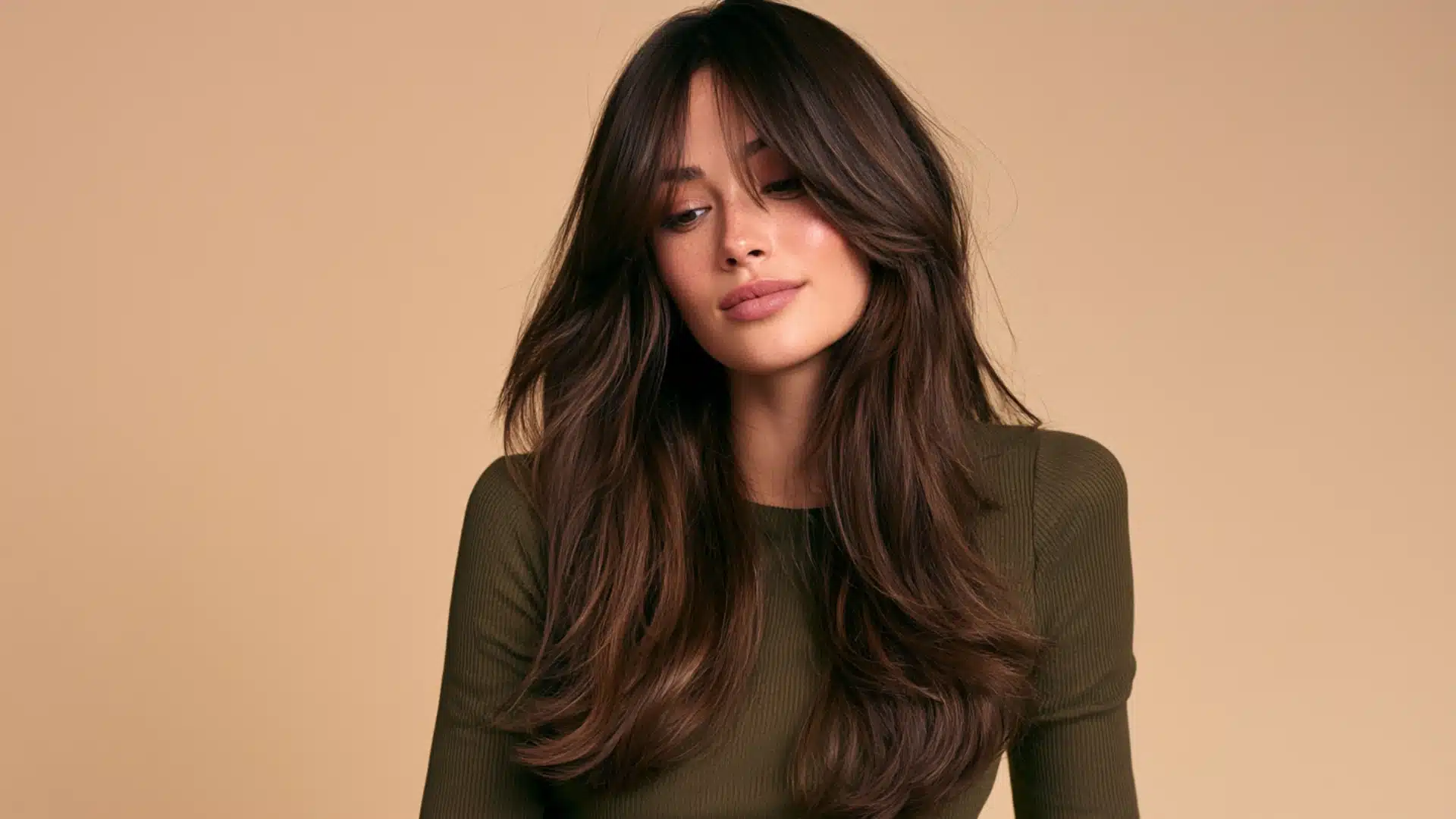
The curtain bangs part in the middle and sweep to each side. They frame the face and add softness up front. Paired with long layers, they lift the hair without cutting length.
Ask for the bangs razor-cut starting at your cheekbone, with a blunt length below the chin. That gives the soft, sweeping frame.
2. C-Shape (Curve) Layers
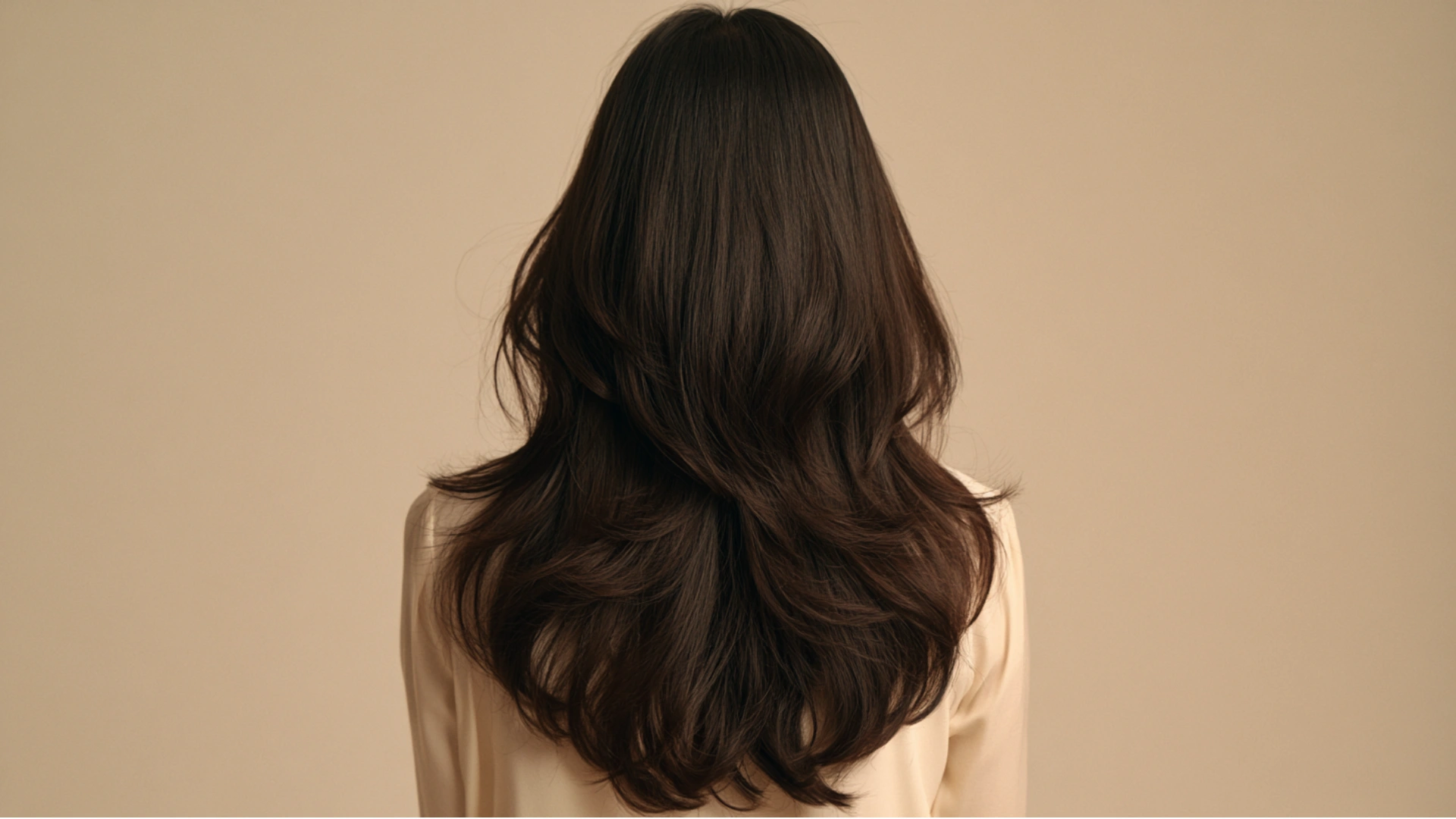
The C-shape cut uses soft curved lines around the head. The shortest pieces frame the face, while longer ones fall below.
Together they form a gentle “C” that flatters the face and adds movement.
3. Long V-Cut Layers
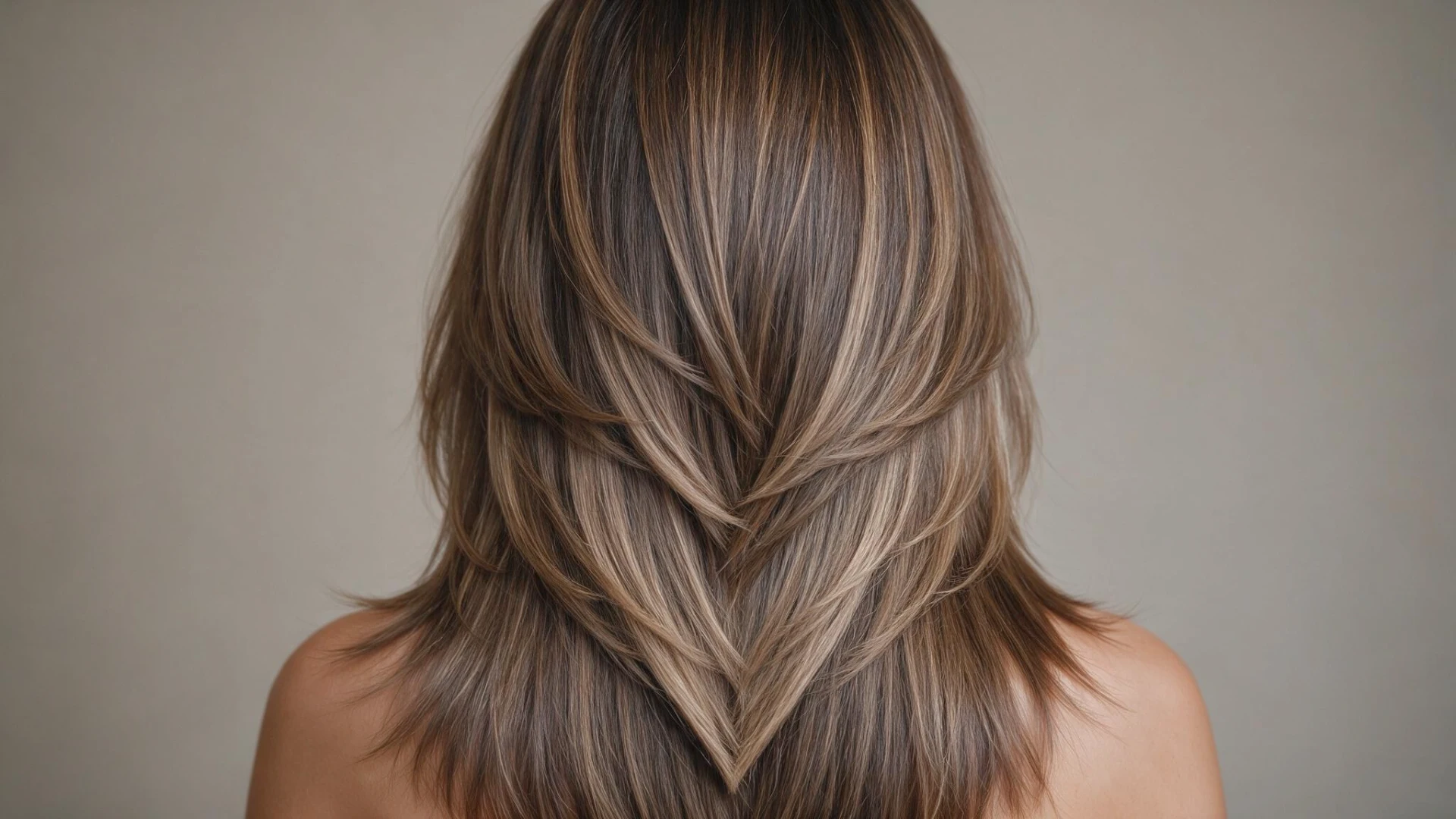
V-cut layers taper to a point at the back. The shorter pieces sit near the shoulders, and the longest fall at the ends. The V shape adds length and looks striking from behind.
It suits thick hair that wants movement without losing bulk. The cut also shows off balayage, since the layers let the color catch the light.
If your hair is curly, ask for a dry cut. That lets the stylist shape the V after shrinkage, not before.
Types of Layered Haircuts for Short Hair
Short hair offers some of the best layered cuts. Cropped lengths can fall flat without shape.
4. Layered Pixie
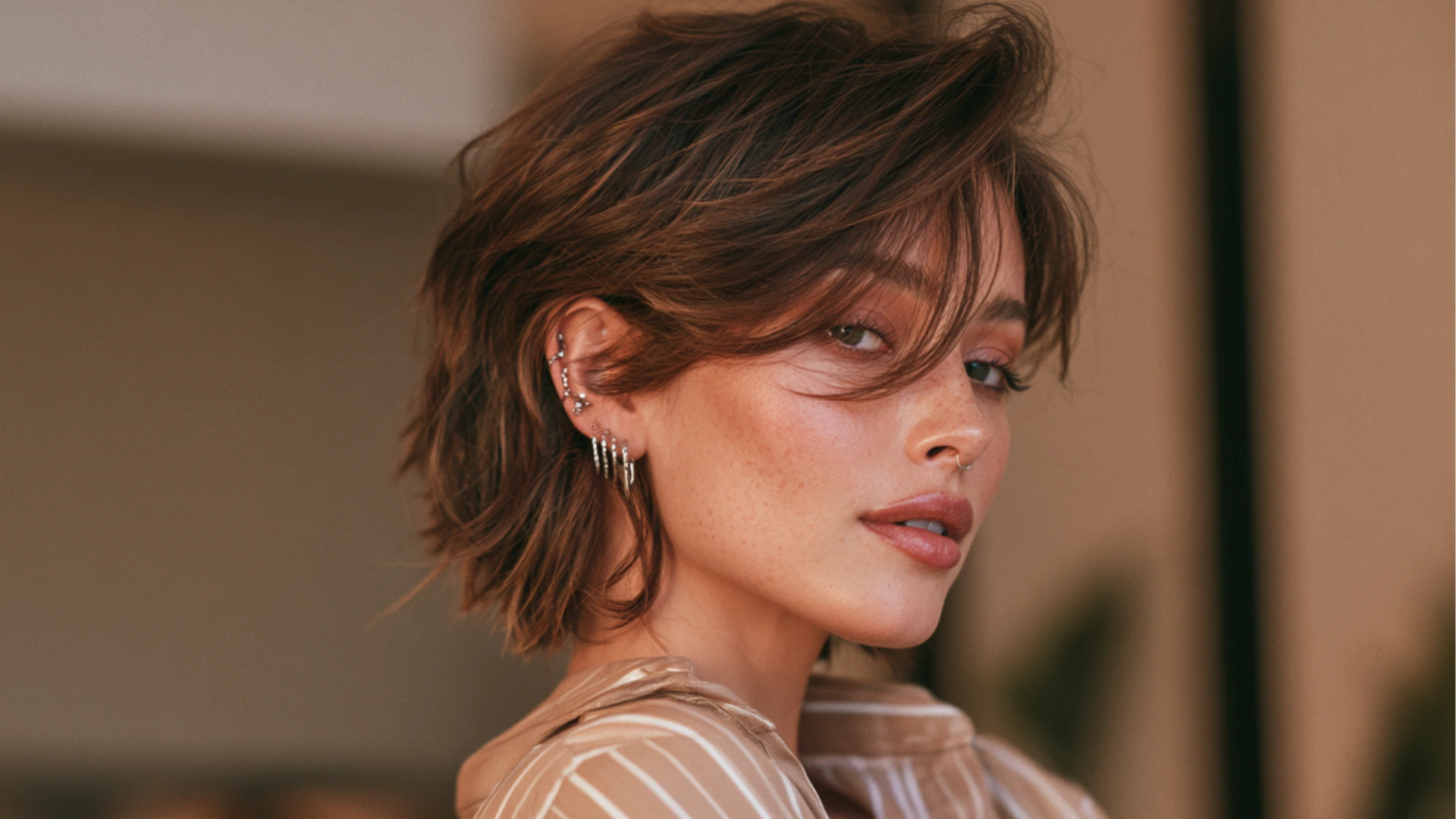
The layered pixie keeps the sides short and the top textured. The layers add height and lift at the crown. It suits people who want a bold, low-fuss cut with real shape.
Fine hair benefits most here, since the short layers build body that flat hair often lacks. A little texture paste worked through the top keeps the pieces separated and sharp.
5. Layered Bob
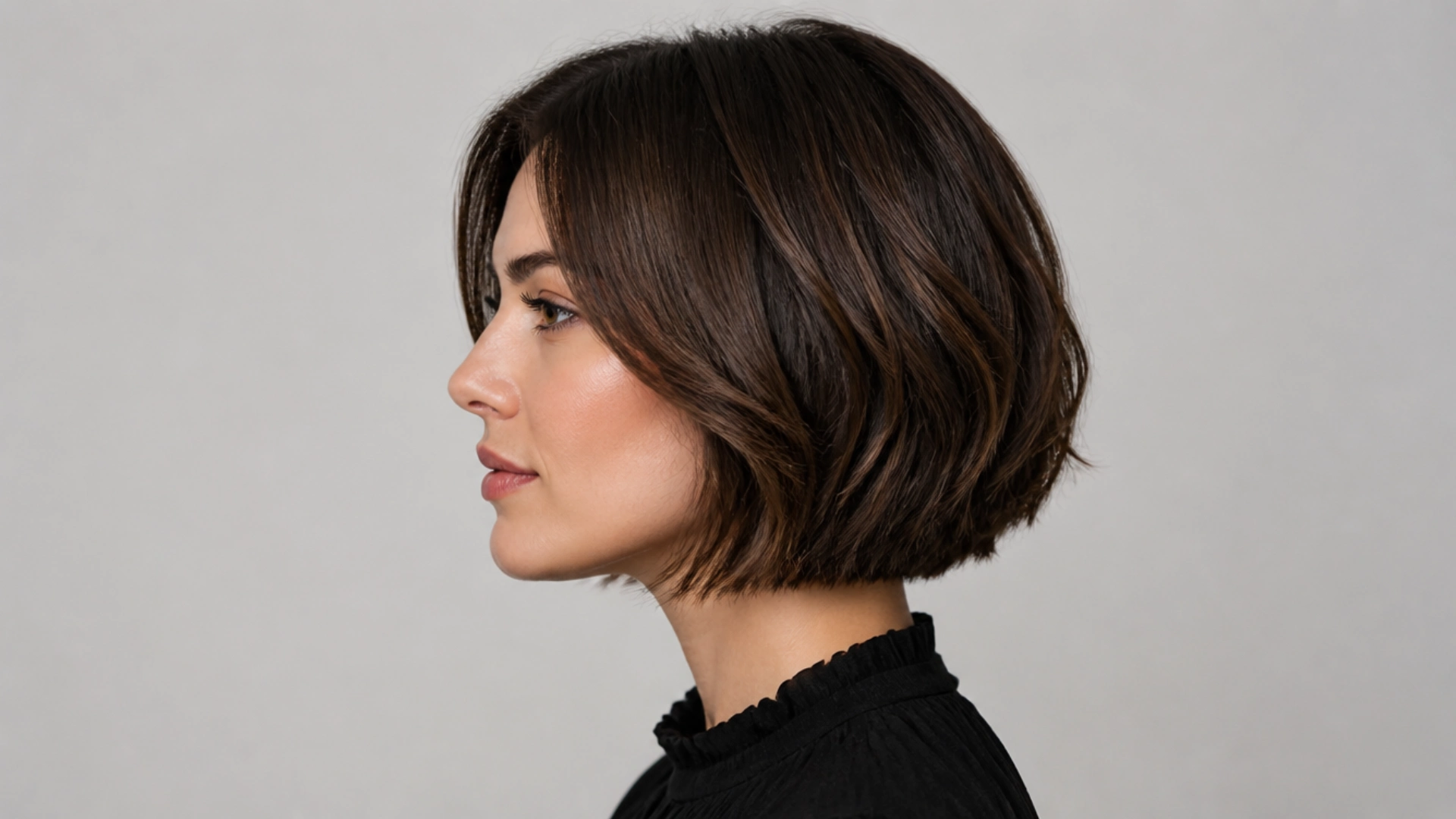
The layered bob breaks up the blunt edge of a classic bob. Shorter internal pieces add bounce and stop the ends from sitting heavy.
It looks fuller and moves more freely. This cut flatters most face shapes and grows out softly, so the shape holds between trims. Blow-dry with a round brush to bend the ends inward for a polished finish.
6. Textured French Bob
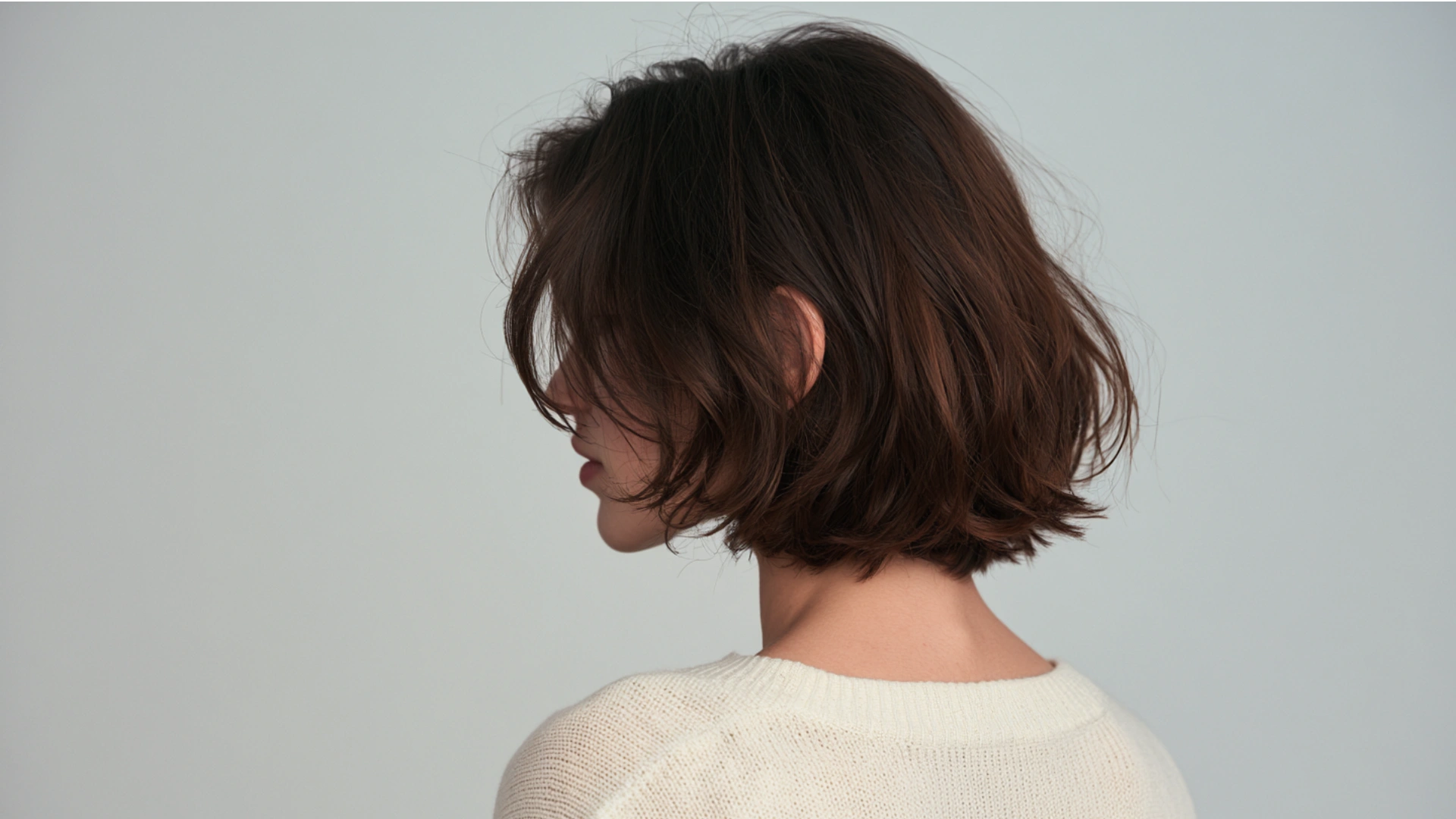
The French bob ends just below the chin with a tousled finish. Soft layers keep the blunt line from feeling heavy.
The look leans effortless, so it rewards air-drying over heavy styling. Wavy and straight hair both carry it well, and a light sea-salt spray plays up the tousled texture.
Types of Layered Cuts for Thin or Fine Hair
Fine hair needs a careful hand. Too much cutting thins the ends and leaves them wispy.
The goal is the look of the body without losing the fine hair already there.
7. Blended or Invisible Layers
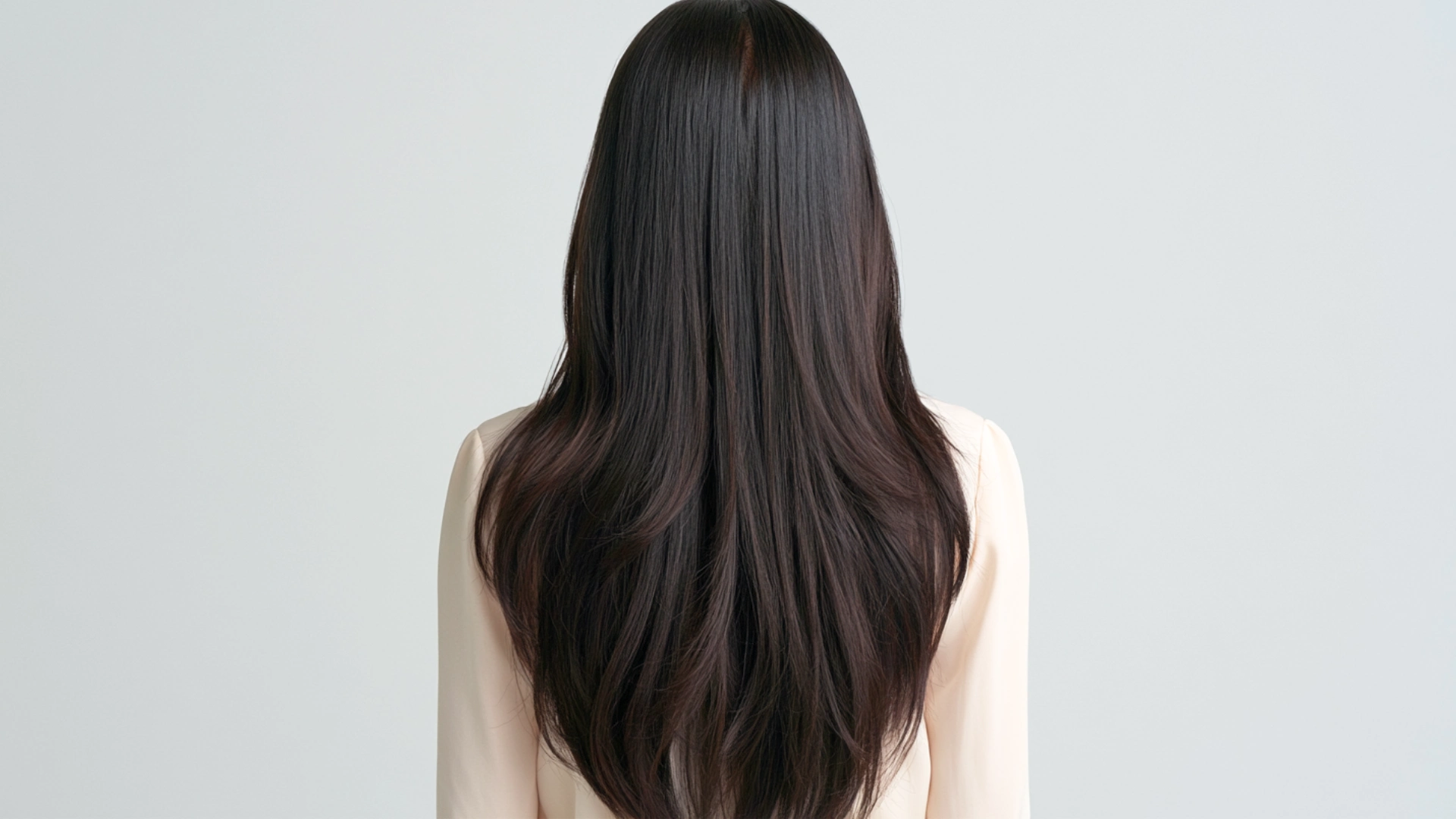
Blended layers hide inside the hair, so no lines show. They cut hidden bulk while keeping the outer shape intact.
Fine hair looks fuller, and the length stays put. Because the layers sit deep inside, the ends stay thick and blunt where it counts.
Tell your stylist to skip razored ends. On fine hair, razoring makes the layers look wispy instead of full.
8. Feathered Layers
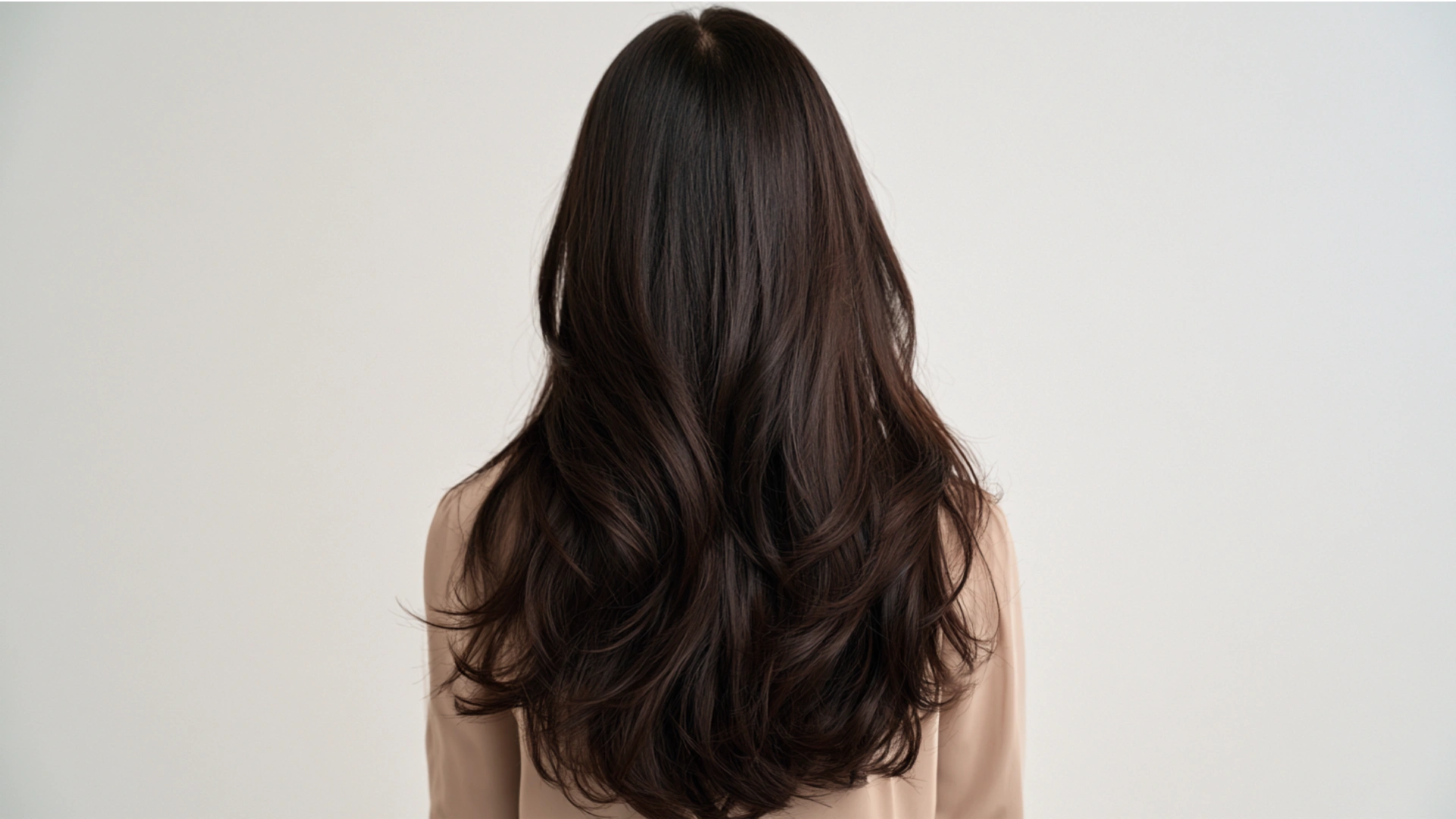
Feathered layers stay light and wispy, with ends that flick outward. They add soft, airy volume without heavy cutting.
This gives fine hair movement while holding on to the weight it has. The flicked ends catch the light, which tricks the eye into seeing more body.
A light mousse on damp hair holds the shape without weighing the strands down.
9. Soft Face-Framing Layers
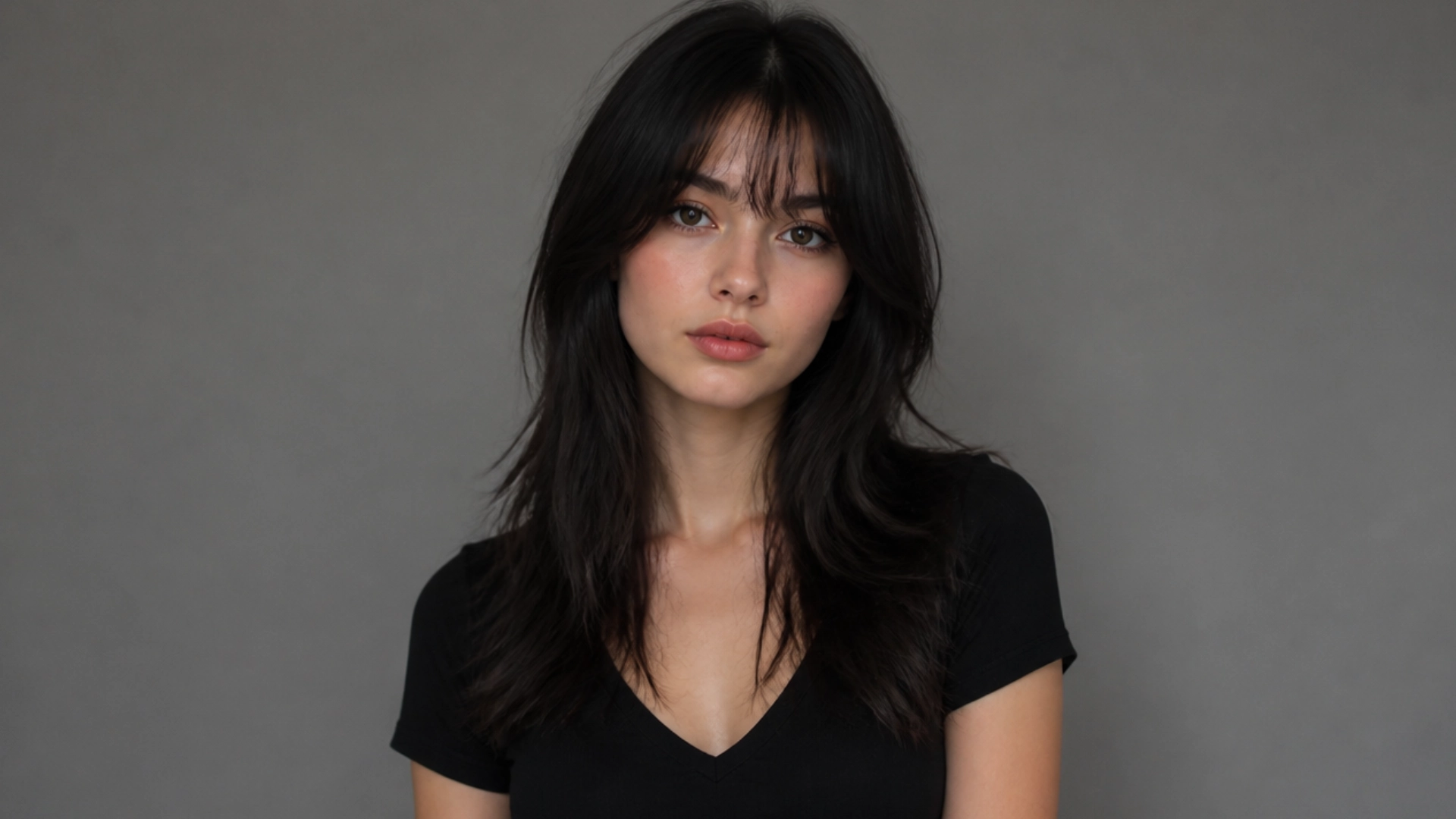
A few gentle pieces around the face add dimension to fine hair. They draw the eye upward and frame the features. The rest of the length stays full and untouched.
This is the lowest-risk option, since the cut barely touches the bulk of the hair. It suits anyone nervous about layers, and it grows out with no awkward stage.
10. Wispy Curtain Bangs
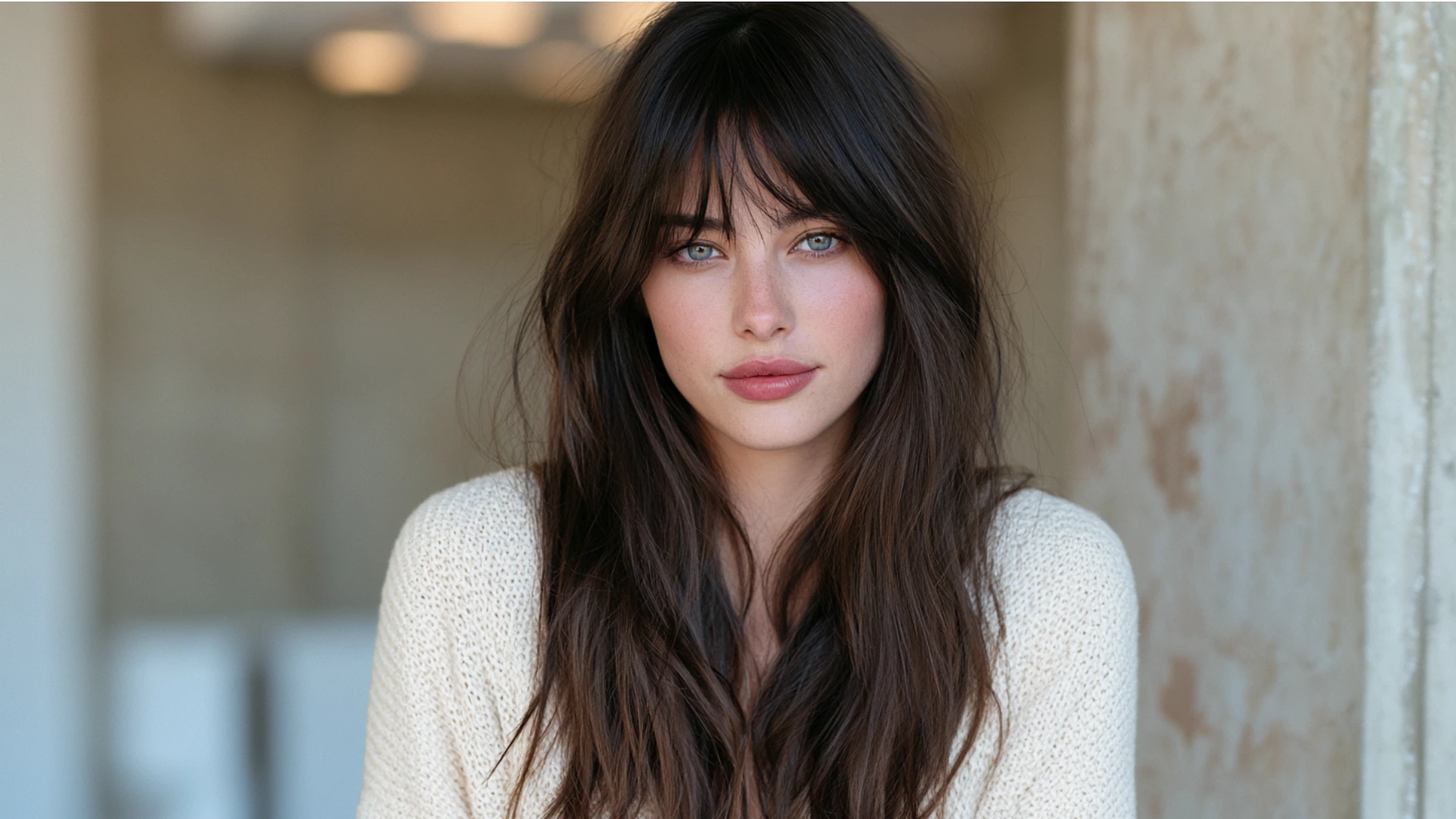
Wispy curtain bangs part in the middle and sweep to each side. They stay light and soft, so fine hair keeps its weight.
The bangs add movement up front while the length stays full. This suits anyone who wants a change without a big cut.
Types of Layered Cuts for Thick Hair
Thick hair can turn bulky or heavy at the ends. Left uncut, it often sits like a solid block. These cuts pull out weight so the shape falls smoother and moves with ease.
11. Choppy Layers
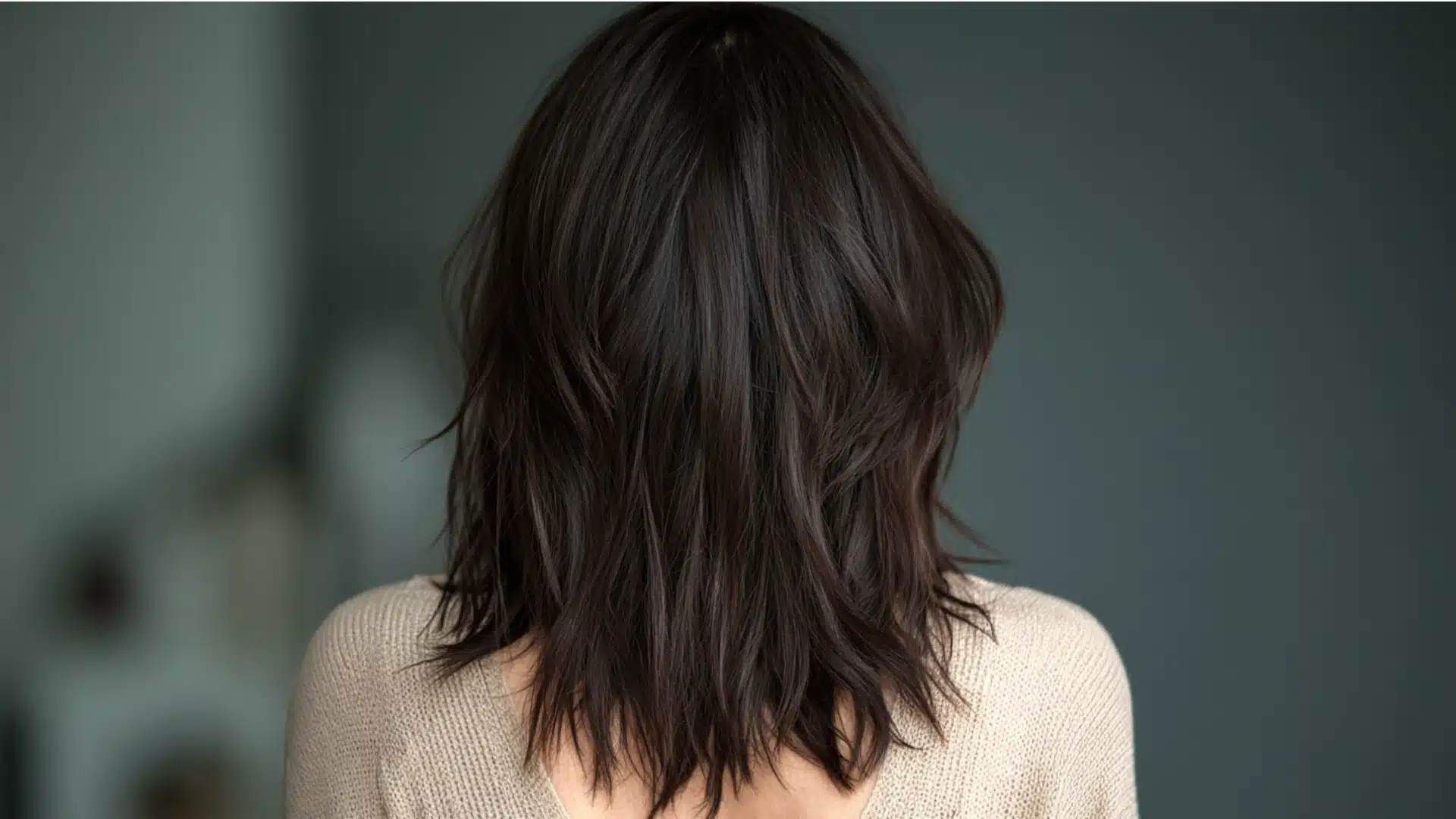
Choppy layers have a bold, broken-up edge. They pack in texture and take out heaviness. Thick hair carries this look best, since it holds the strong texture with ease.
The broken edge also stops the ends from looking blunt and boxy. A texturizing spray plays up the choppiness and keeps the pieces looking separated.
12. Razored (Point-Cut) Layers
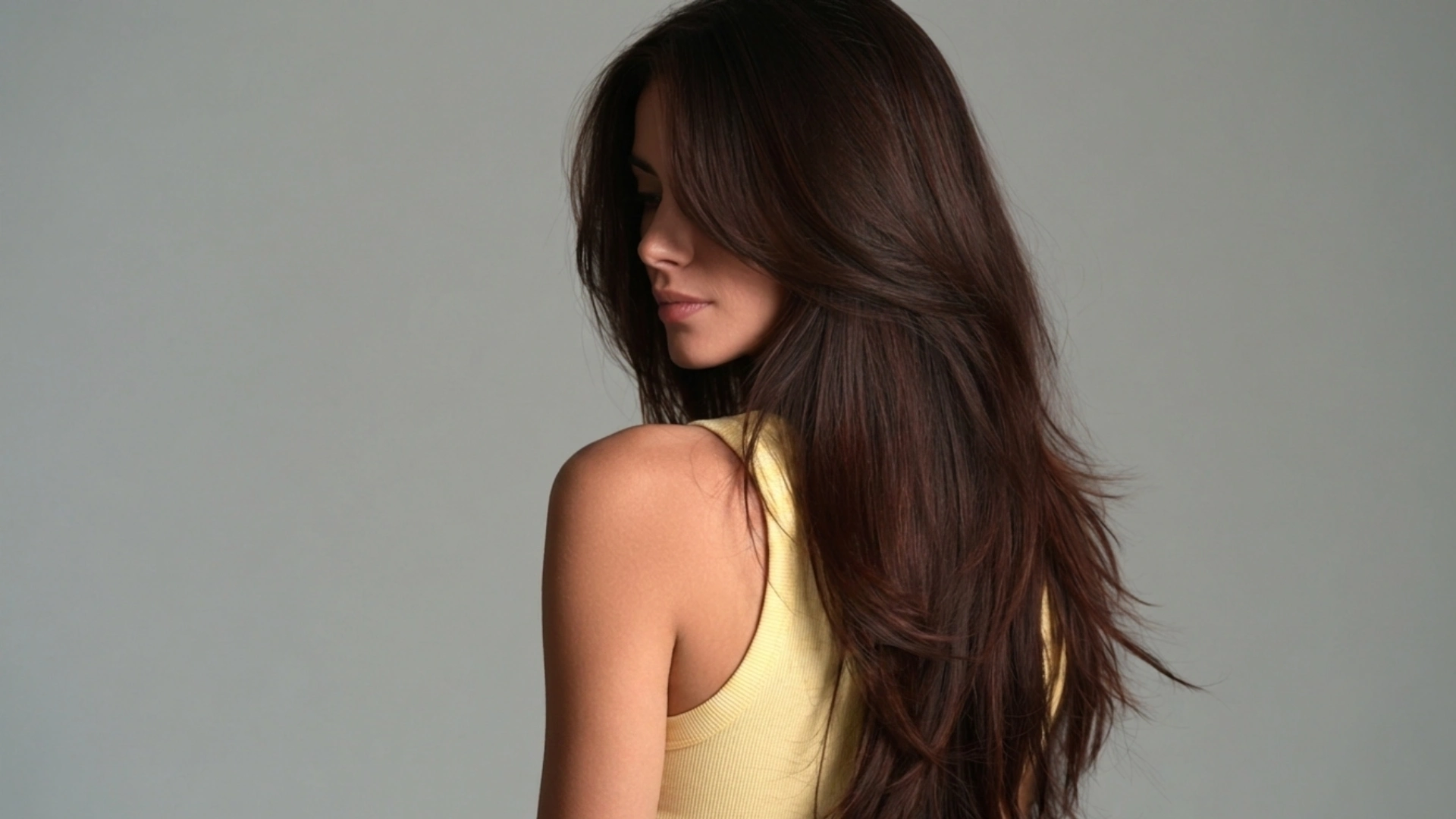
Razored layers thin the ends into soft points. This melts away bulk without leaving a blunt line. The result feels lighter and moves freely, which suits dense, heavy hair.
The soft points also blend the layers so no harsh steps show. This cut works best on straight to wavy hair, since razoring can rough up tight curls.
13. Long U-Cut Layers
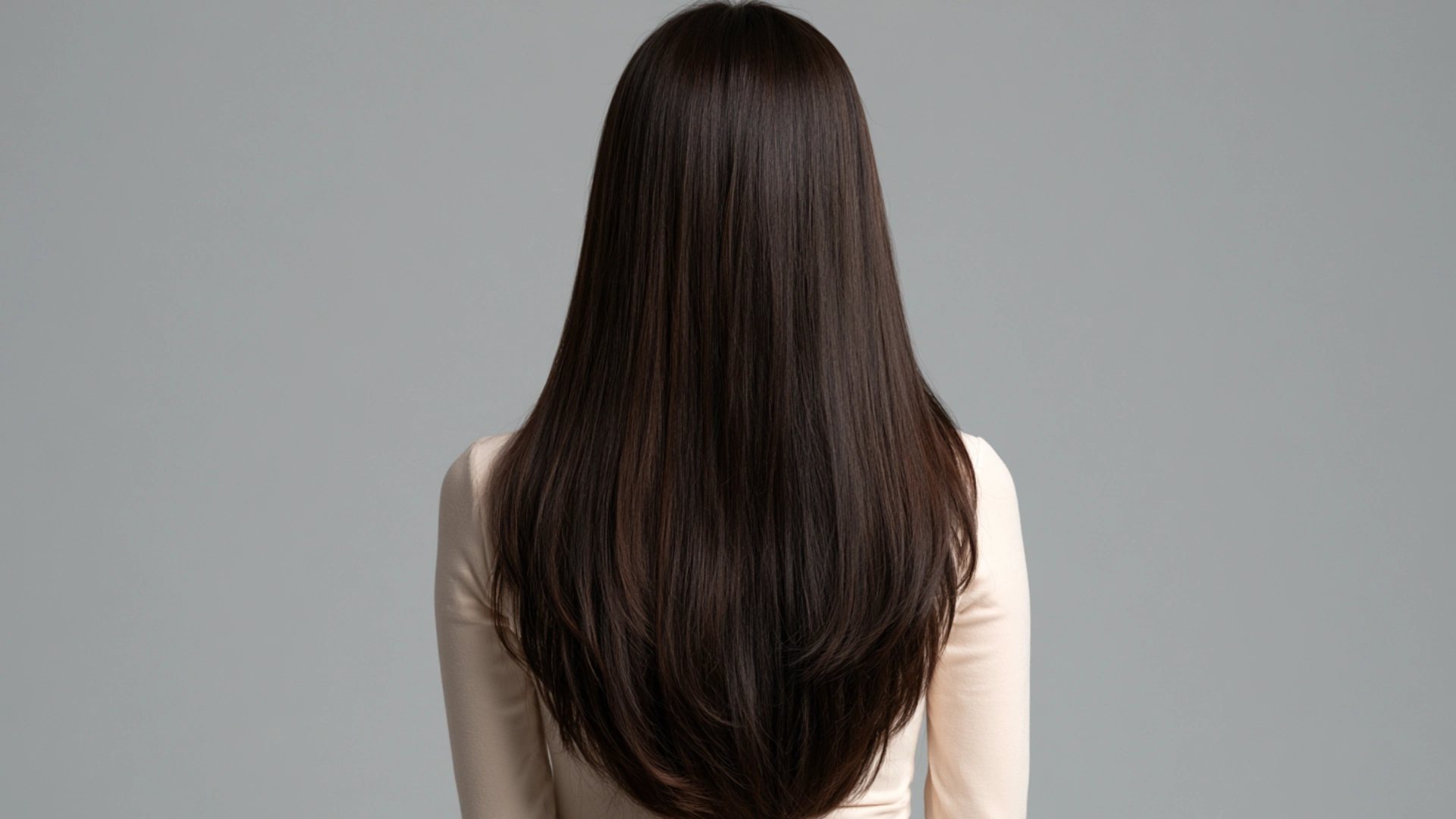
The U-cut shapes the back into a soft “U” rather than a point. The rounded ends keep the length full while gently removing weight.
It adds flow without a sharp edge. The gentle curve suits people who want movement but not a dramatic shape. It also holds length well, so thick hair still feels long after the cut.
Popular Layered Cuts
Some layered cuts show up everywhere right now. These are the trend-led looks people bring to the salon most.
They range from the soft long layers haircut to bolder, choppier shapes. Each one has its own personality.
14. Butterfly Cut
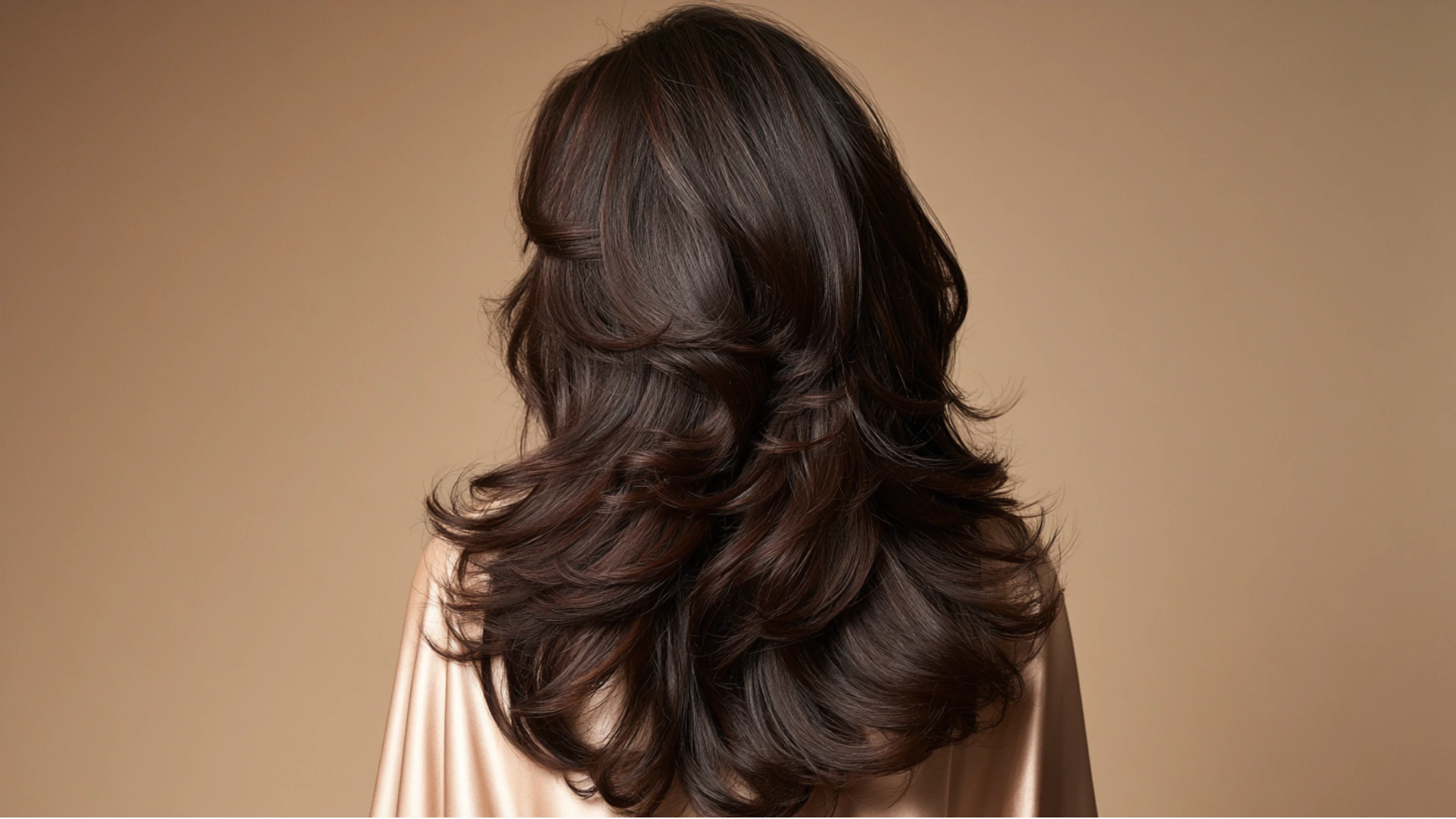
The butterfly cut mixes short top layers with long lower lengths. It builds volume around the crown and a cascading shape below. The look feels dramatic yet stays easy to wear.
It gives the illusion of shorter hair without the commitment, since the length stays intact underneath. Blow-dry the top layers with a round brush to play up the volume.
15. Shag Cut
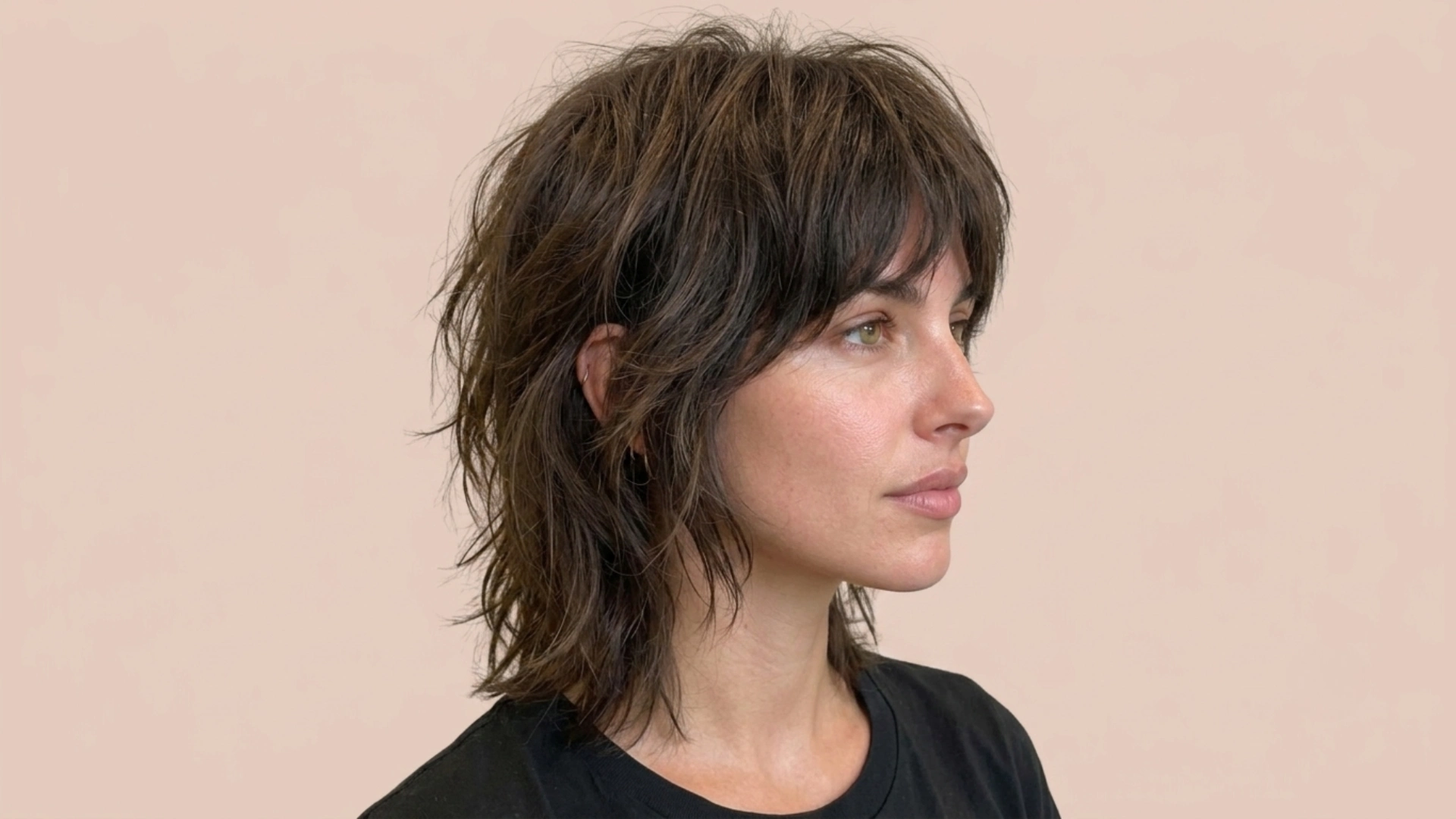
The shag features choppy layers and a fuller crown. It carries a messy, rock-inspired vibe. Popular since the 1970s, it stays a favorite for men and women alike.
The heavy layering suits thick and wavy hair that can hold the texture. Scrunch in a sea-salt spray and air-dry for that lived-in, undone finish.
16. Wolf Cut
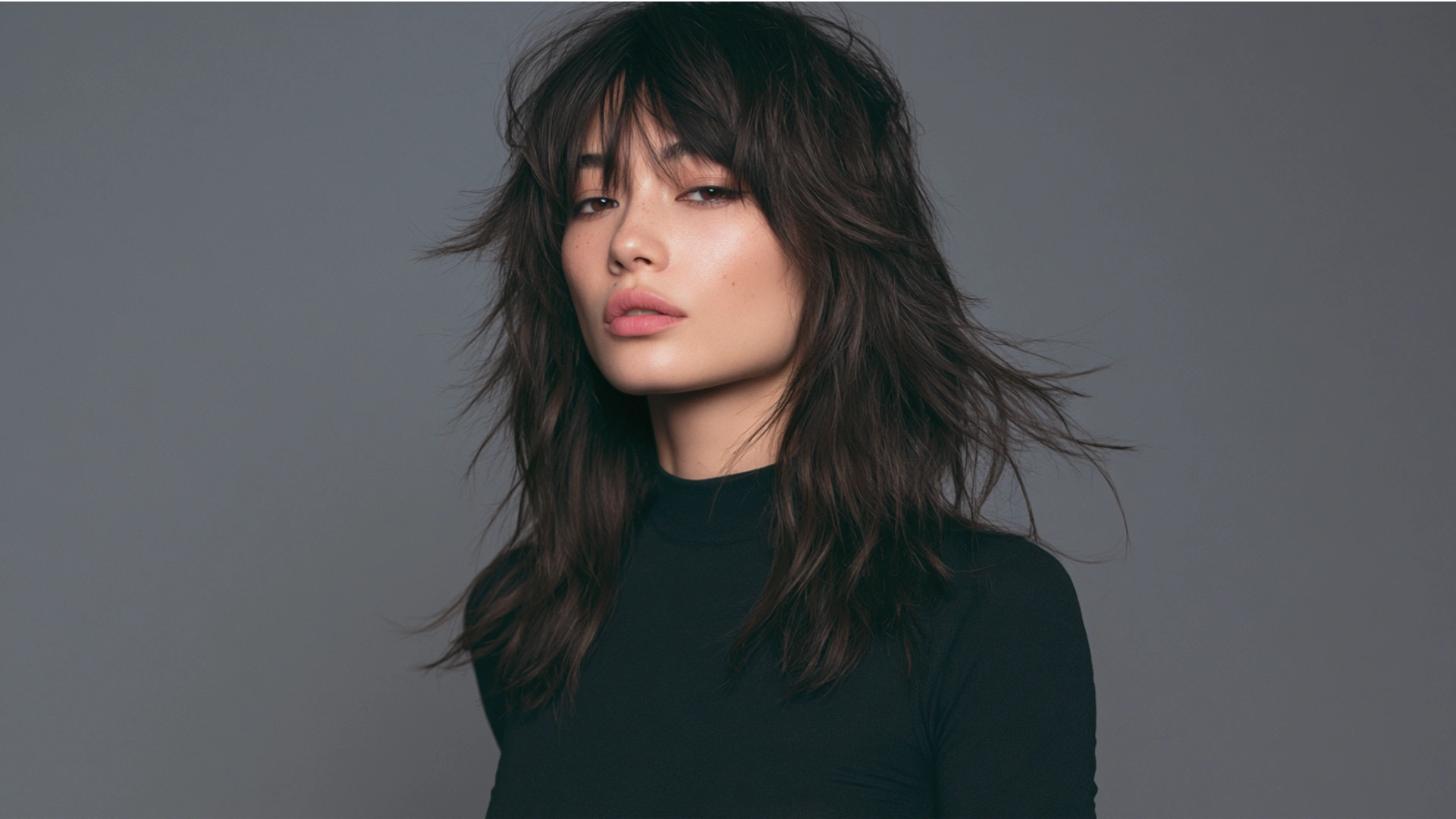
The wolf cut blends shaggy layers with a bold shape. The top stays thick and airy, while the sides frame the face. The whole look feels undone and full of edge.
It reads younger and more daring than a classic shag, with more contrast between top and length. Finger-shape the layers with a light paste for a piecey, textured result.
Ask for heavy layering that starts short at the crown and lengthens toward the ends, shaggy but blended.
17. Mullet Cut
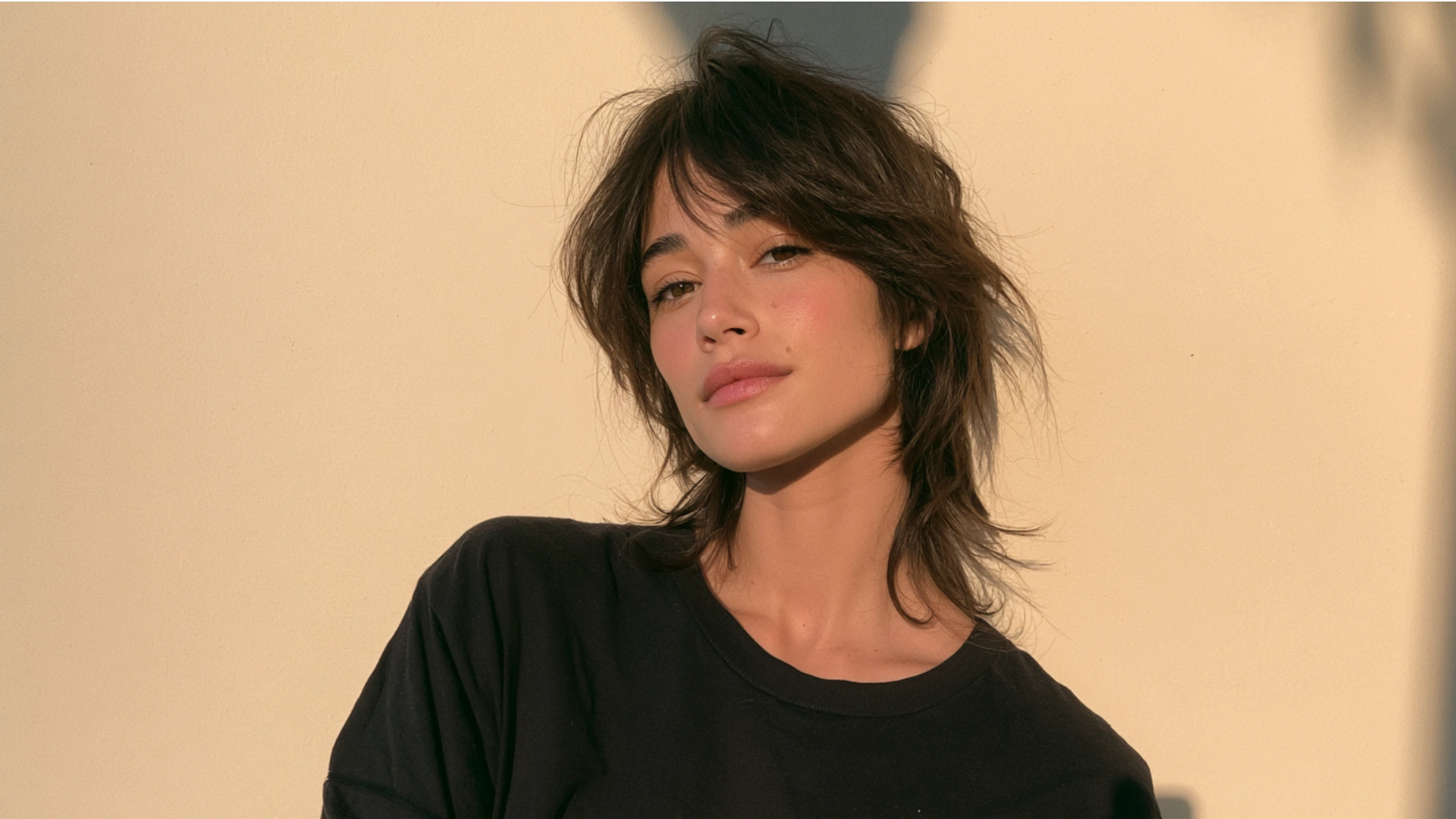
The modern mullet keeps a longer back with shorter layers up top. Softer blending replaces the harsh old-school line. It suits people who want a graphic, bold statement cut.
The crown volume flatters round and oval faces by adding height. A matte clay worked through dry hair holds the shape and keeps the top lifted.
How to Keep Your Layers Looking Fresh?
A fresh cut looks great when you walk out of the salon. Keeping it that way takes a little effort.
Left alone, layers grow blunt, and the movement fades. The good news? Three simple habits hold the shape between visits.
- Book a trim every six to eight weeks to keep the shape sharp. Lean to the earlier end for choppier cuts.
- Reach for a light mousse or spray between visits. It adds shape without weighing the layers down.
- Treat the ends kindly, since layered tips dry out fast. Use a weekly mask, rinse with cooler water, and blow-dry with a round brush on flat days.
Wrapping It Up
It is no surprise layered hair is so popular, since it gives your hair movement, shape, and volume without sacrificing your preferred length.
But since there are so many different kinds of layering you can do on your hair, there must be one suited for you, regardless of how long, thick, or thin your hair is.
Remember that layers aren’t just one thing; you get many options to choose from. So the next time you feel discouraged by your flat and lifeless hair, you know what to do about it.
Frequently Asked Questions (FAQs)
1. Do Layers Add or Remove Volume?
A bit of both. On thick hair, layers strip out weight. On fine hair, shallow layers fake fullness without thinning the ends.
2. How Long Before Layers Grow Out?
Give it six to twelve months for the layers to blend back into one length. The shorter the layer, the longer the wait.
3. Which Suits Layers Better, Straight or Curly Hair?
Both take layers nicely. Straight hair shows off clean lines, while curls need rounded layers cut dry to hold their shape.
4. Is a Layered Cut Different from a Regular Haircut?
Yes. A regular cut can be one length, while a layered cut shapes the hair into several different lengths.