
Noticing more hair on your pillow than usual?
Hair loss in women is very common, and it can quietly affect how you feel about yourself every single day.
That is why one of the most searched topics right now is female hair transplant before and after results.
From understanding why hair loss happens to knowing what real recovery looks like, you will get the information you need to make a confident, well-informed decision.
Why are Women Prone to Hair Loss?
Women’s bodies go through a lot, like hormonal shifts during pregnancy, postpartum recovery, menopause, and conditions like PCOS, which can all disrupt the normal hair growth cycle.
When hormone levels drop or spike, hair follicles feel it first.
Genetics also plays a quiet but powerful role; if the women in your family dealt with thinning hair, there is a chance you might face it at some point as well.
The everyday factors, such as Chronic stress, poor diet, and low levels of vitamin D or iron, slowly bring down hair health over time.
Hair loss in women rarely has one single cause. It is usually several things working together.
What is a Hair Transplant?
Women deal with hair loss differently from men.
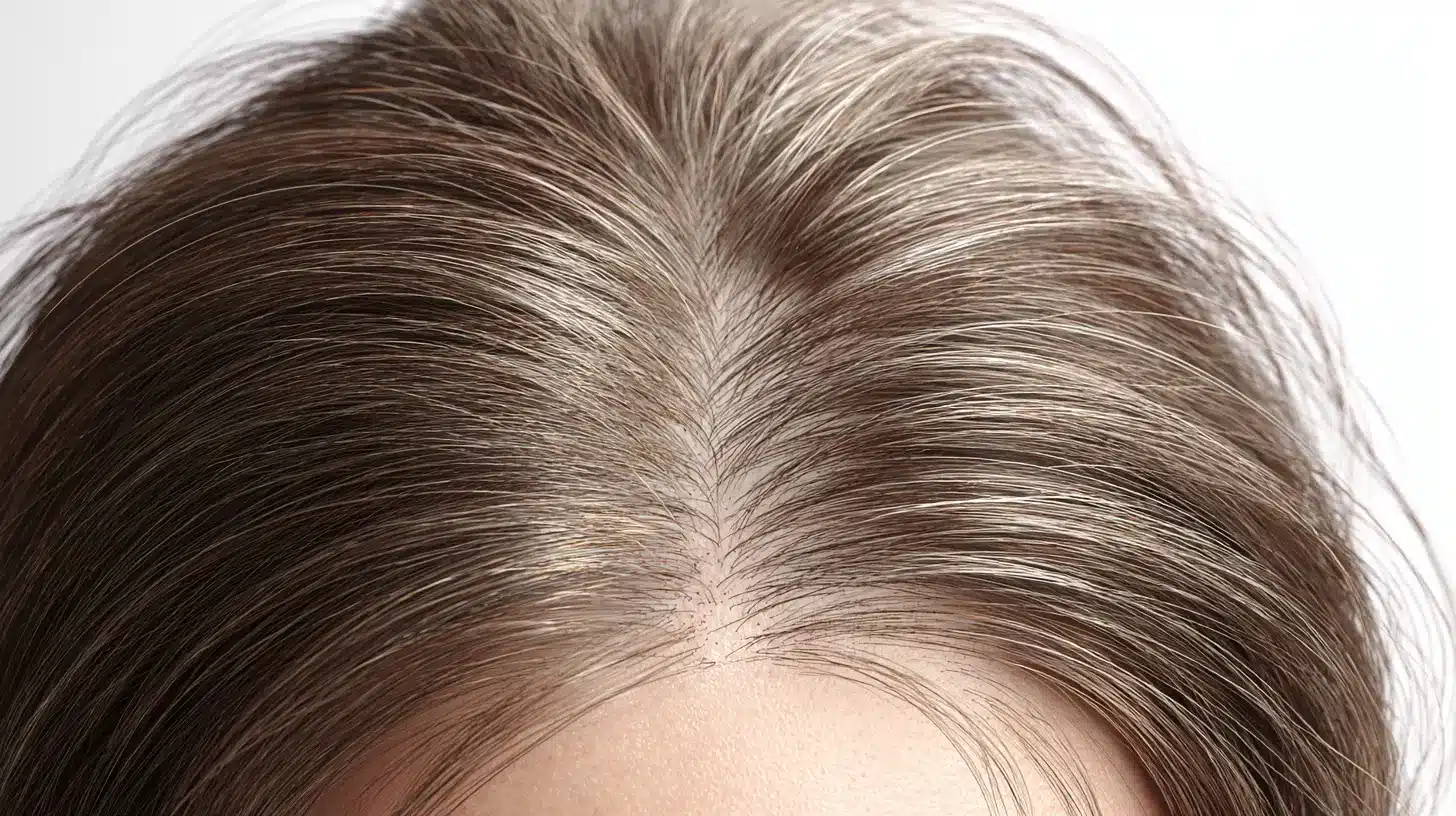
The thinning is often spread out, very subtle, and often missed until it gets worse. A hair transplant addresses that by restoring hair.
A surgeon takes healthy hair follicles from a thick, full area of your scalp, then places them in the thinning spots.
Results build gradually, and your donor hair quality plays a big role in the final outcome.
Female Hair Transplant Before and After
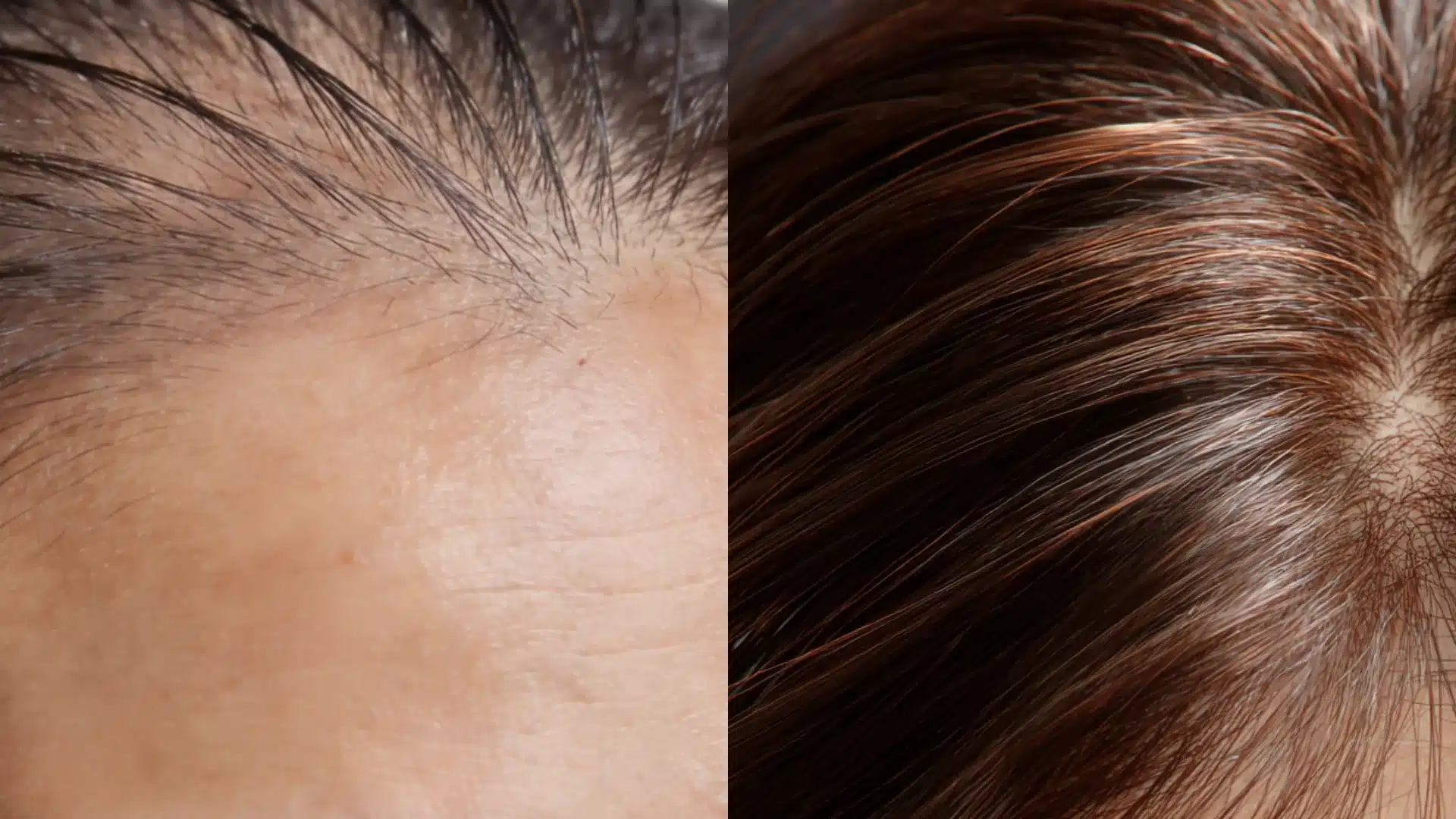
Knowing what happens at each step makes the whole experience much less intimidating. Preparation is where good results begin.
What you do before the procedure matters just as much as the surgery itself.
Step 1: Initial Consultation
Your surgeon evaluates your scalp, assesses donor hair density, and decides which technique best fits your hair loss pattern.
Step 2: Pre-Procedure Preparation
- Get blood tests and a scalp evaluation done early.
- Pause medications if your surgeon flags.
- Cut back on alcohol and smoking for two weeks before.
- Keep your scalp clean and healthy.
Step 3: The Procedure
Local anesthesia is applied first.
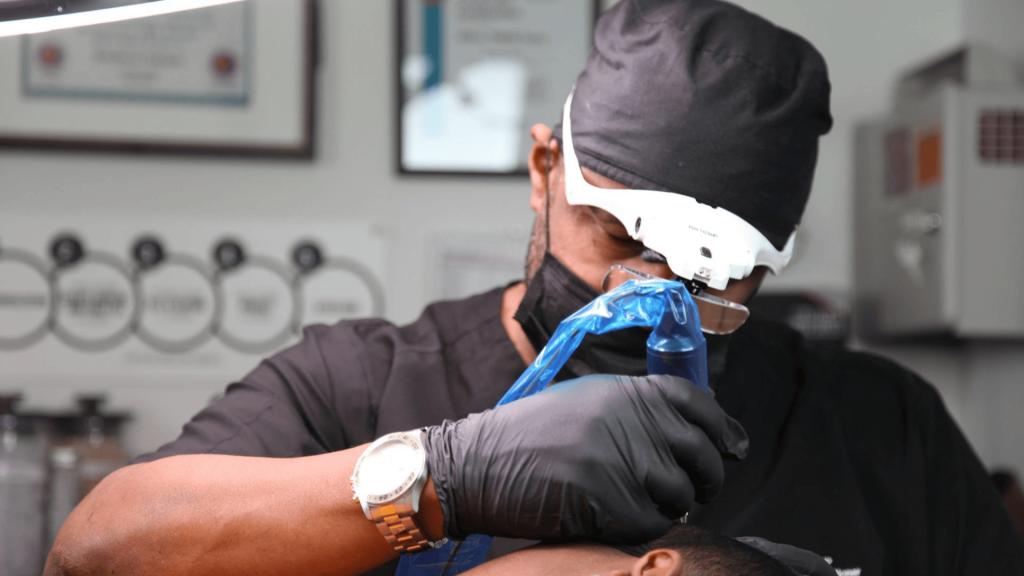
The surgeon then extracts healthy follicles from the donor area and places them carefully into thinning zones at the correct angle and depth.
Step 4: Recovery Timeline
Recovery looks different for everyone, but the general timeline stays pretty consistent. Here is what your scalp goes through in the months after the procedure.
- 1 to 7 days: Scabs form, and healing begins.
- 2 to 4 weeks: The shedding phase starts.
- 3 to 6 months: New growth appears.
- 12 plus months: Full density becomes visible.
Step 5: Post-care
Results look natural once fully grown in. Your surgeon’s skill and how well you follow post-care instructions determine the final outcome.
Shedding is completely normal and part of the process.
Keep your scalp clean and avoid touching the transplanted area in the first week.
Stay away from heat styling, heavy exercise, and direct sun exposure until your surgeon gives the go-ahead.
How do Hair Implants for Women Work?
Hair implants work by taking healthy follicles from a part of your scalp with good density, usually the back or sides.
These follicles are then carefully placed into the areas where hair has thinned out or stopped growing.
Each follicle must be placed at the right angle and depth to grow naturally and blend with the rest of your hair.
Once the follicles settle in, they start growing just like your normal hair, which can be washed, cut, and styled as usual. Because they come from your own scalp, the body does not reject them.
What Affects Female Hair Transplant Results?
Every woman gets a different outcome because several factors come together to shape how your results turn out.
Donor hair quality is one of the biggest ones. If the transplanted follicles are healthy and dense, the results tend to be stronger and more natural-looking.
Your surgeon’s skill matters the most; the placement, angle, and spacing all affect how well the new hair blends in with what you already have.
Your hair type plays a role, too. Naturally thicker hair tends to give better coverage across thinning areas.
Finally, how well you follow post-care instructions after the procedure can significantly affect your results.
Always get a proper scalp analysis done before making any decision.
So, is Hair Transplant for You – Should You Get it?
Not every woman dealing with hair loss is automatically a candidate, and that is completely okay.
A hair transplant works best for a specific group of women, and knowing where you stand saves you time and money.
You are likely a good fit if you:
- Have thinning hair rather than complete baldness.
- Have a hair loss pattern that has been stable for some time.
- Have a healthy donor area with enough follicles to work with.
Like any procedure, there are some side effects to be aware of.
Most women experience temporary redness, swelling, and scabbing in the first week.
Some notice itching around the treated area during healing. These are short-term and settle on their own with basic care.
Cost of Hair Transplant and Hair Implants for Women
Cost is one of the first things you might want to know, and it varies. A female hair transplant can be expensive, costing between $6,000 and $15,000.
The final number depends on how many grafts you need, the technique used, and the clinic you choose.
FUE tends to cost more than FUT due to the precision required. DHI sits at the higher end as well.
Most clinics price by the number of grafts rather than a flat fee. A smaller session of 1,000 to 2,000 grafts will cost significantly less than a full-density restoration.
Always prioritise surgeon experience over the lowest price available.
What Hair Transplant Techniques do Experts Recommend?
The technique your surgeon uses matters more than most people think. A good surgeon will never choose a technique at random.
They look at your hair loss pattern, donor area density, and the hairline you are hoping for.
FUE (Follicular Unit Extraction): Individual follicles are extracted one by one. Minimal scarring and faster healing make it the most popular choice today.
FUT (Follicular Unit Transplantation): A small strip of scalp is removed to harvest more grafts at once. Best for women needing maximum density.
DHI (Direct Hair Implantation): Follicles are implanted directly with a precision tool. Great for targeted areas and a controlled hairline.
Conclusion
The results of a female hair transplant, before and after, are real; the process is manageable, and the change extends beyond the hair.
The procedure itself is done under local anesthesia, so pain is minimal.
And once those transplanted follicles settle in, they are permanent in most cases. Because donor hair naturally resists hair loss.
Take your time, do your research, and trust the process.
Frequently Asked Questions (FAQs)
1. Is 40 Too Old for a Hair Transplant?
40 is not too old. Many women in their 40s get great results as long as hair loss is stable and donor hair is healthy.
2. What is the Success Rate for Female Hair Transplant?
Female hair transplants have a success rate of 90-95% when performed by a skilled surgeon.
3. How to Hide a Female Hair Transplant?
Wear a loose hat or scarf in the first week. Most women can style their hair normally within two to three weeks as scabs heal.