
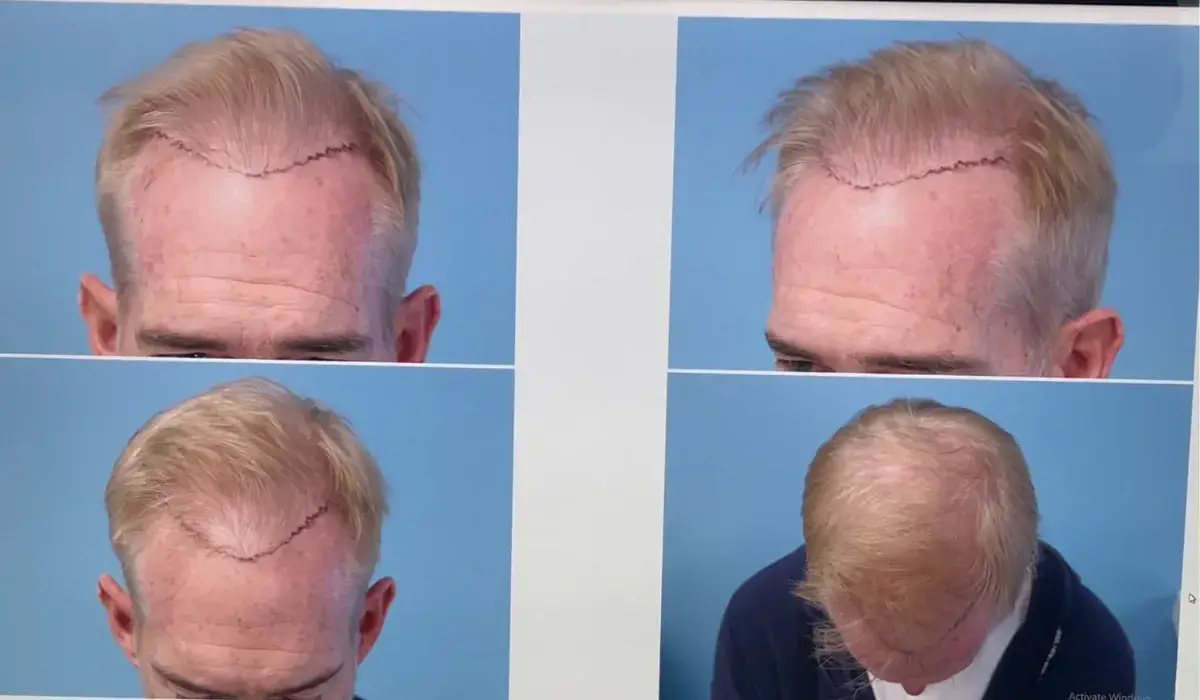
Hair loss affects millions of men worldwide and can begin at almost any age. While medications may help slow the process for some individuals, surgical hair restoration has become a common option for those seeking a more permanent solution. In recent years, hair transplant Bangkok has become a frequently researched topic among English-speaking expatriates and medical tourists looking for treatment in Southeast Asia.
Bangkok has developed a reputation as one of the region’s leading healthcare hubs, attracting patients for a wide range of medical services, including cosmetic and reconstructive procedures. Hair transplant surgery is now part of that growing medical tourism sector, with many international patients comparing Thailand not only with neighboring countries but also with destinations in Europe, Australia, and North America. Understanding how the procedure works, who is a suitable candidate, and what recovery involves can help prospective patients make informed decisions.
Understanding Hair Transplant Techniques and Candidate Assessment
Hair transplant surgery involves relocating healthy hair follicles from one part of the scalp, usually the back or sides of the head, to areas where hair has become thin or completely absent. Since these donor hairs are generally resistant to the hormonal causes of male pattern baldness, they often continue growing after transplantation.
The two most widely used techniques today are Follicular Unit Extraction (FUE) and Follicular Unit Transplantation (FUT). A FUE hair transplant Bangkok procedure involves removing individual follicular units one at a time before implanting them into the treatment area. Because no long strip of skin is removed, FUE typically leaves very small scars that are difficult to notice once healing is complete. This technique is often chosen by men who prefer shorter hairstyles or want a less visible recovery.
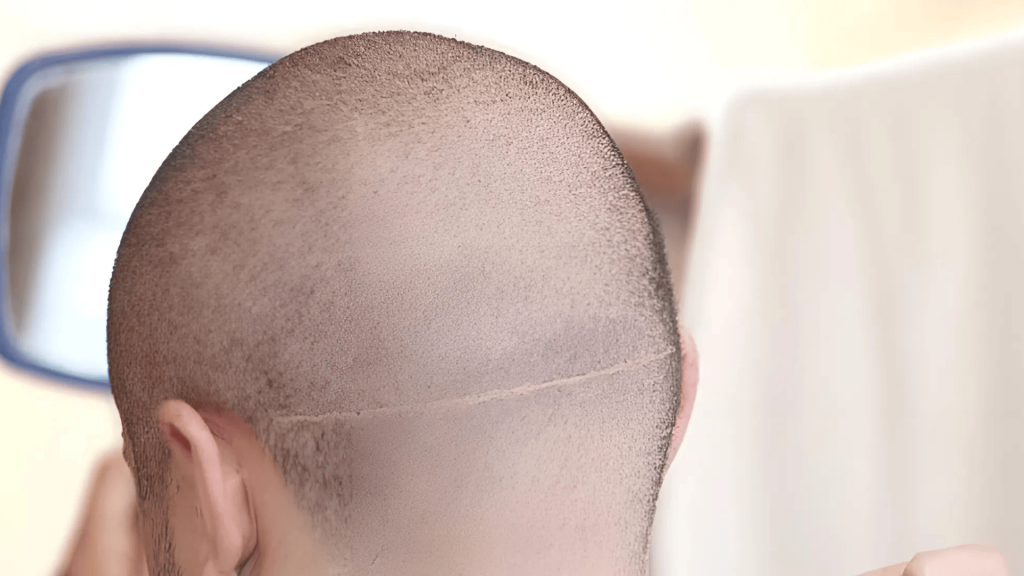
FUT, sometimes referred to as the strip method, removes a narrow strip of scalp from the donor area. Hair follicles are then separated under magnification before being transplanted. While FUT may leave a linear scar, it can provide a larger number of grafts during a single session for certain patients with more extensive hair loss.
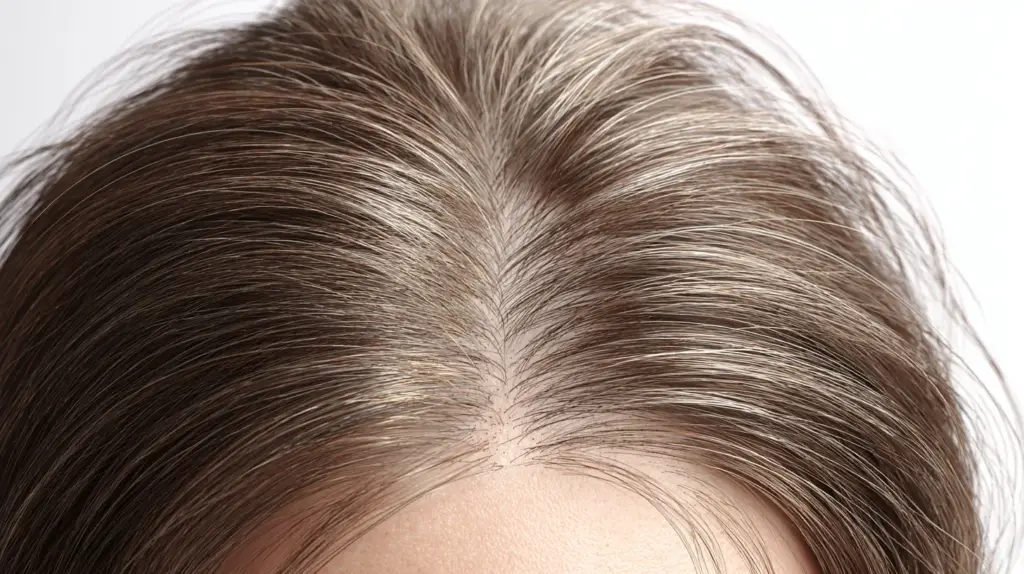
Selecting between these techniques depends on several factors rather than personal preference alone. An experienced medical team will usually examine the patient’s pattern of hair loss, scalp condition, donor hair density, age, medical history, and long-term expectations. A proper consultation should also consider whether hair loss is still progressing, since planning for future changes is often just as important as restoring existing areas.
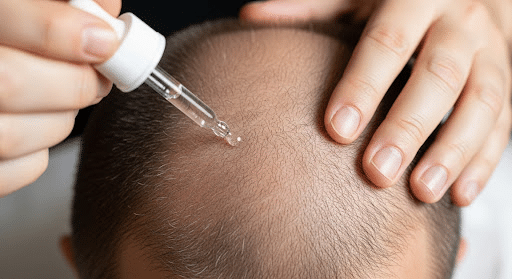
Not every individual experiencing thinning hair is an immediate surgical candidate. Some patients benefit from delaying surgery while managing hair loss through medication or other treatments. Others may require a combination of surgical and non-surgical approaches as part of a broader hair loss treatment Bangkok strategy.
The Procedure and Recovery Process
Hair transplant surgery is generally performed under local anesthesia, allowing patients to remain awake while minimizing discomfort. Depending on the number of grafts being transplanted, the procedure may last several hours and, in some cases, extend throughout most of the day.
During surgery, the harvested follicles are carefully prepared before being placed into tiny recipient sites created across the thinning area. The angle, direction, and spacing of each graft influence how natural the final appearance will look after the transplanted hairs begin growing.
Recovery is usually gradual rather than immediate. Mild swelling, redness, and small scabs commonly develop during the first week. These symptoms generally improve as the scalp heals. Patients are normally advised to avoid strenuous physical activity, swimming, and excessive sun exposure for a short period while following detailed washing instructions provided by their medical team.
One aspect that surprises many first-time patients is temporary shedding of the transplanted hairs several weeks after surgery. This is considered a normal stage of the healing process rather than a sign of treatment failure. New hair growth generally begins over the following months, while the final outcome often becomes clearer between nine and twelve months after the procedure.
Expectations also play an important role in overall satisfaction. Hair transplantation redistributes existing hair rather than creating new follicles. Individuals with limited donor hair or advanced hair loss may require careful planning or more than one procedure to achieve their desired appearance. Clinics providing hair restoration Thailand services often emphasize realistic goals during consultations to ensure patients understand what surgery can and cannot accomplish.
Why Bangkok Has Become a Destination for Hair Restoration
Thailand has long been recognized for attracting international patients seeking healthcare across multiple specialties. Hair restoration has become part of this broader trend as medical tourism continues to expand throughout Southeast Asia.
Several factors contribute to the growing interest in hair transplant Thailand services. Bangkok offers internationally focused healthcare facilities, experienced medical professionals, and widespread English-language communication that many foreign residents and visitors find accessible. For expatriates already living in Thailand or neighboring countries, receiving treatment locally may also reduce travel time compared with returning to their home countries.
Cost is another factor frequently discussed by prospective patients. Hair transplant procedures in Bangkok are often priced lower than comparable treatments in countries such as the United States, Australia, or the United Kingdom. At the same time, pricing varies considerably depending on the clinic, surgeon’s experience, number of grafts required, and complexity of the case. Lower cost alone should not determine where treatment is performed, and patients are generally encouraged to evaluate medical qualifications, consultation quality, safety standards, and long-term follow-up alongside financial considerations.
When comparing Bangkok with other destinations in Southeast Asia, many international patients also consider factors such as transportation, accommodation, post-operative support, and the availability of English-speaking medical staff. These practical considerations can influence the overall experience, particularly for visitors traveling specifically for surgery.
Growing public awareness of men’s health and aesthetic medicine has also contributed to increased interest in procedures such as male hair transplant Bangkok treatments. Modern techniques have become more refined over the past decade, allowing surgeons to create results that aim to match natural hair growth patterns while minimizing visible scarring.
As with any medical procedure, success depends on careful planning, appropriate patient selection, surgical expertise, and realistic expectations. Individuals considering treatment should seek comprehensive consultations, ask detailed questions about the proposed approach, and ensure they understand both the potential benefits and the limitations before making a decision.
For many English-speaking men living in or traveling through Southeast Asia, Bangkok has become one of several destinations worth evaluating for hair restoration. Its established healthcare infrastructure, international patient services, and range of available treatment options have contributed to its growing profile within the region’s medical tourism landscape. Rather than focusing solely on price or convenience, prospective patients benefit most from comparing qualifications, treatment plans, and long-term care to determine which option best fits their individual circumstances.