
Keeping hair healthy usually comes down to a few consistent habits, not a long list of products.
If you’re trying to figure out how to keep hair healthy, it starts with the basics: clean hair, enough moisture, gentle handling, and a scalp that gets cared for.
This breaks down a simple routine you can build around, along with the small habits people say made the biggest difference over time.
Habits that Quietly Damage Hair
Hair damage often builds up slowly, from small habits repeated daily rather than one big mistake. Many of these go unnoticed until breakage or dullness becomes obvious.
- Washing with very hot water, which strips natural oils and dries out the scalp.
- Brushing wet hair roughly, when strands are at their weakest.
- Using heat tools without any protectant.
- Skipping conditioner altogether.
- Wearing tight hairstyles for long stretches.
- Harsh bleaching without enough recovery time between sessions.
- Letting product buildup sit on the scalp for too long.
Cutting back on even a few of these can noticeably improve hair strength over time.
A Simple and Healthy Hair Routine That Works
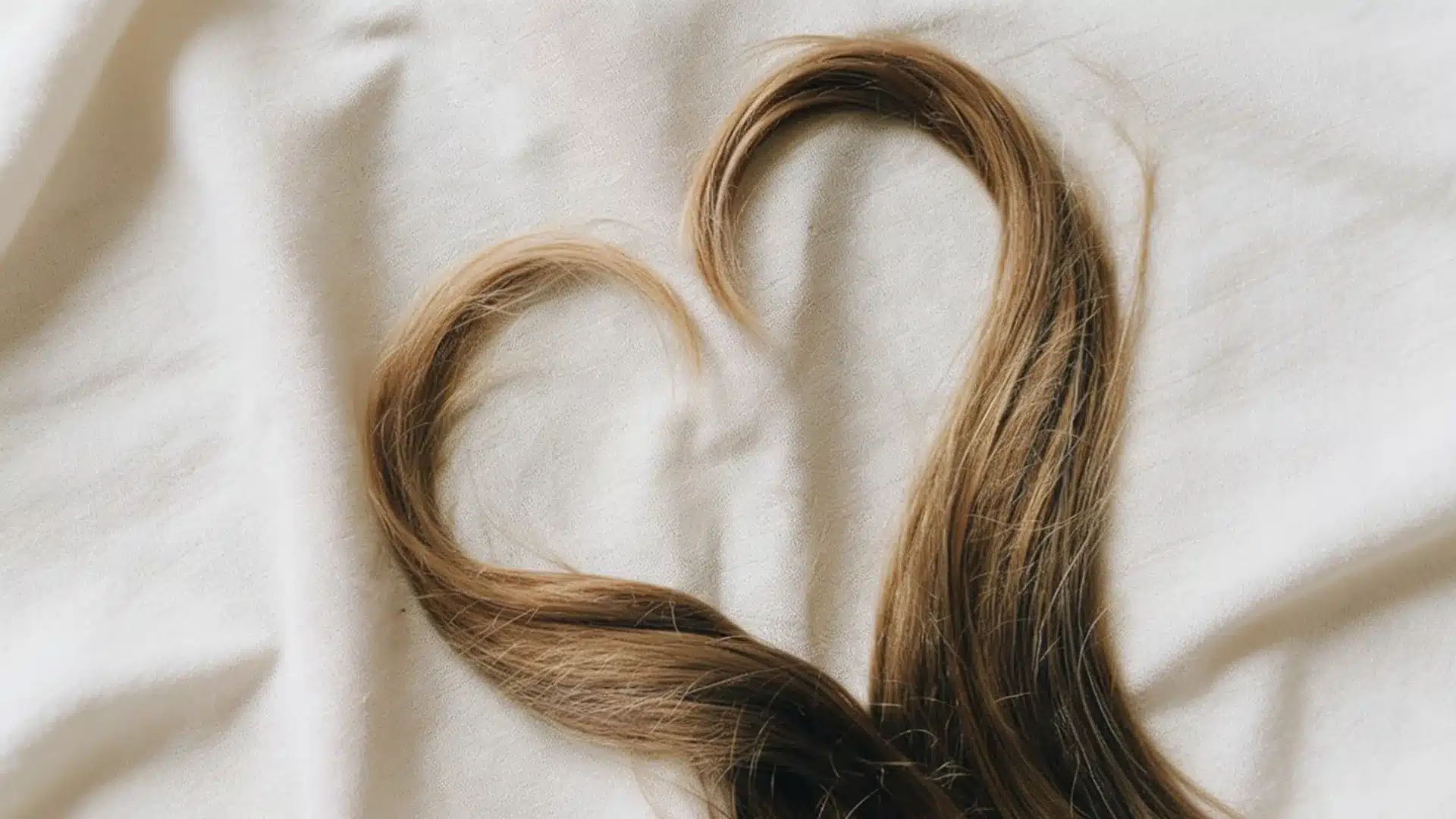
A routine does not need extra steps to work. These four habits cover most of what hair needs regularly.
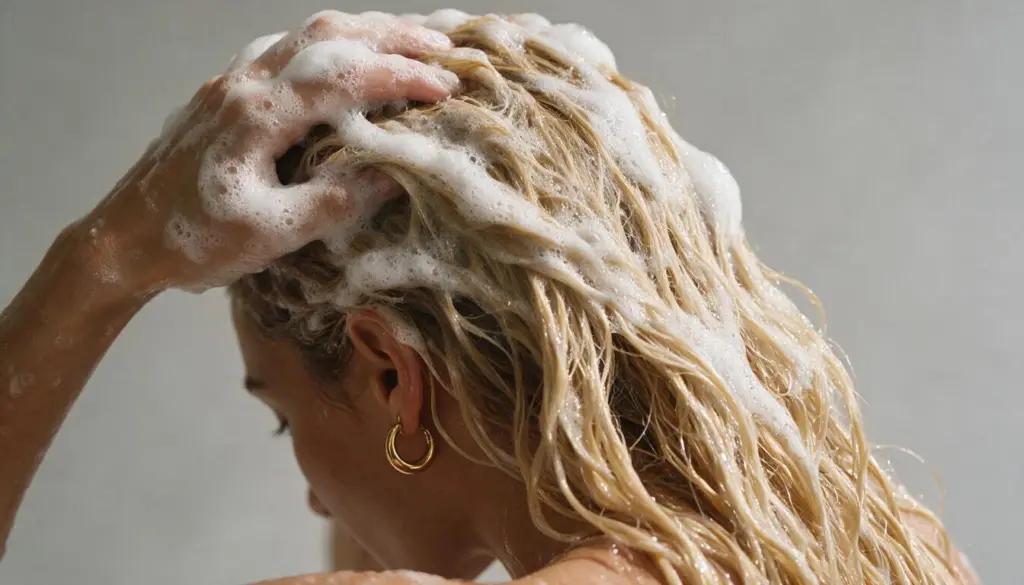
1. Wash Based on Your Hair Type
How often hair needs washing depends mostly on how much oil the scalp produces and on the hair’s texture.
Oily hair tends to look flat more quickly and often benefits from washing every 1 to 2 days.
Dry or curly hair holds moisture longer and usually looks and feels better with two to three washes a week, since frequent washing can strip the natural oils these hair types rely on.
2. Condition Every Time
Conditioner works best on the mid-lengths and ends, where hair is oldest and most prone to dryness.
- Skipping conditioner leaves ends rough and more likely to snap.
- Focus the product away from the scalp to avoid buildup.
- Rinse with cool water for extra shine.
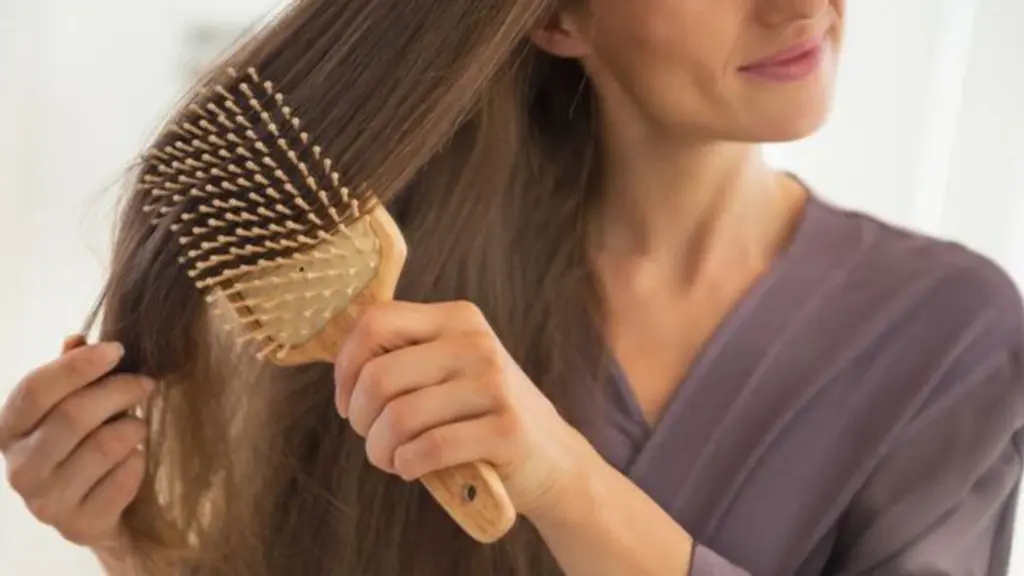
3. Detangle the Right Way
The direction and tool matter more than how often hair gets detangled.
A wide-tooth comb or fingers work through knots with less stress on the strand than a fine brush.
Starting at the ends and working up toward the roots breaks up smaller knots first, so the comb never has to fight through a full tangle at once.
This alone reduces a lot of unnecessary breakage.
4. Protect Hair from Heat
Flat irons, curling tools, and blow dryers all add up over time, even when used carefully. Keep heat tools on the lowest effective setting.
Apply a heat protectant before every styling session, and let hair air-dry partway before using a blow dryer.
Foods and Nutrients that Support Healthy Hair
Food and nutrients play a huge role in hair growth.
| Nutrient | Role in hair health | Food sources |
|---|---|---|
| Protein | The main building block behind every strand | Eggs, meat, legumes |
| Iron | Carries oxygen to hair follicles | Spinach, red meat |
| Omega-3 fats | Supports scalp health | Fish, walnuts, flaxseed |
| Zinc | Supports scalp health and repair | Nuts, seeds, whole grains |
| Vitamin D | Linked to the hair growth cycle | Fatty fish, egg yolks, sunlight |
| Biotin | Supports strand strength and growth | Eggs, nuts, whole grains |
Caring for Different Hair Types
Curly, straight, thick, or fine, each hair type asks for something different. Knowing yours first makes every product and routine actually work.
Straight Hair
Straight hair tends to get oily faster since natural oils travel down the shaft with less resistance.
Lightweight conditioners and dry shampoo between washes help keep it from looking flat.
Heavy oils or rich creams can weigh straight hair down quickly, so a little goes a long way.
Wavy Hair
Wavy hair sits between straight and curly, and it often does best with a light touch.
- Skip heavy products that flatten the natural wave pattern.
- Scrunch in product instead of brushing it through when hair is wet.
- Air-dry when possible to keep waves defined.
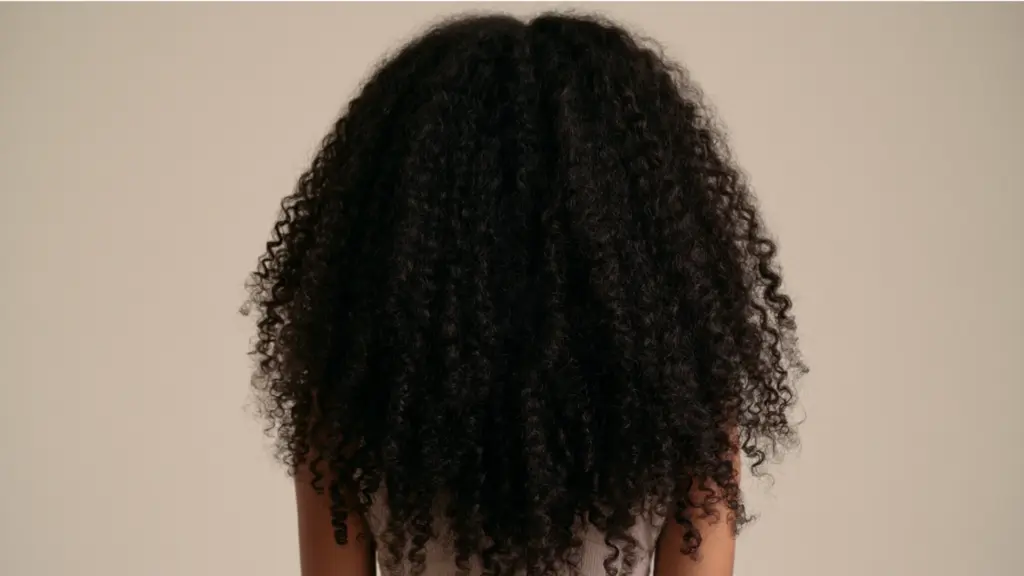
Curly Hair
Curly hair is naturally drier than straighter textures, since the curl pattern makes it harder for scalp oils to travel down each strand.
Rich conditioners, leave-in products, and less frequent washing all help retain moisture.
Detangling only when hair is wet and coated in conditioner significantly reduces breakage.
Color-Treated Hair
Color and bleach open the hair cuticle, which makes strands more porous and prone to dryness afterward.
Sulfate-free shampoo, regular deep conditioning, and cooler water temperatures all help color-treated hair hold on to moisture longer.
Spacing out color sessions gives the hair time to recover in between.
Signs Your Hair Care Routine is Working
You don’t need fancy signs to know your hair care routine is working.
Your scalp and strands usually tell you themselves, through small, everyday changes you can actually see and feel.
- Less breakage in the shower or on the brush.
- Softer feeling ends.
- Less frizz throughout the day.
- Better shine under natural light.
- Easier detangling with fewer knots.
- Hair Holds Moisture Longer Between Washes.
Ingredients in Your Products that are Damaging Your Hair
Some common ingredients quietly work against healthy hair, even in products marketed as beneficial.
Sulfates
Found in many shampoos, these harsh cleansers strip natural oils from the scalp and hair.
It leaves strands dry, brittle, and more prone to breakage over time with regular use.
Parabens
These preservatives can disrupt the scalp’s natural balance and irritate sensitive skin. It can potentially weaken hair follicles and contribute to gradual thinning with prolonged, repeated exposure.
Alcohol (denatured)
Common in styling sprays and gels, denatured alcohol dries out hair quickly, making strands brittle, rough, and more likely to snap or split at the ends.
Formaldehyde
Used in some smoothing and straightening treatments, this chemical can damage hair protein structure.
It can cause significant scalp irritation, dryness, and long-term breakage with continued use.
Silicones
These create a coating that feels smooth initially but builds up over time, blocking moisture from entering the hair shaft and causing dullness and dryness.
Fragrance additives
Synthetic fragrances can irritate the scalp and trigger allergic reactions, sometimes weakening the skin barrier. It indirectly affects follicle health and hair growth over time.
When Hair Problems May Need Professional Help?
Sudden or heavy shedding is one sign worth paying attention to, along with bald or thinning patches on the scalp.
An itchy or painful scalp, or dandruff that won’t let up, can point to something deeper.
Thinning near the part line and breakage that doesn’t improve after a few months of care are two more signs your hair needs real attention, not just a new shampoo.
To Wrap Up
Healthy hair rarely comes down to a single product or a single trick.
If you’re wondering how to keep hair healthy, it comes down to a handful of habits repeated over time: washing based on what hair actually needs, protecting it from heat and rough handling, and feeding it with a balanced diet.
Small adjustments, like switching to a silk pillowcase or trimming split ends before they travel upward, tend to add up more than any dramatic change in routine.
Give a new habit a few weeks before judging if it works, since hair changes slowly and steadily rather than overnight.
Frequently Asked Questions (FAQs)
1. Is Oiling Good for Healthy Hair?
A little oil on dry ends cuts breakage and adds shine, but too much on the scalp can build up if you don’t wash it out well.
2. What Should I Avoid for Healthy Hair?
Skip hot water washes, rough brushing on wet hair, heat styling without protection, tight hairstyles, and skipping conditioner.
3. Can Diet Improve Hair Health?
Protein, iron, zinc, omega-3 fats, and biotin all support stronger, healthier strands, and a balanced diet often shows in hair health within a few months.