

Shedding up to 100 hairs daily is a completely normal part of the natural growth cycle. However, sudden lifestyle shifts or internal changes can disrupt this rhythm and make your hair feel different.
These four foundational daily habits help stabilize your scalp environment to encourage consistent and healthy regrowth.
By eating protein-rich foods, managing stress, tracking hormonal shifts, and detangling gently, you can combat excess breakage.
Noticing extra strands on your brush at the end of the day can be an unsettling experience. It is easy to feel isolated when your hair changes, but you are absolutely not alone.
The path to thicker hair does not require a complete lifestyle overhaul or medical expertise.
Instead, the most effective approach relies on small and sustainable habits built around your daily routine.
1. Feed Your Follicles With Proper Nutrition
Hair is primarily composed of keratin, which is a vital structural protein. Because the body views hair growth as a non-essential function, any dip in overall nutrition means your follicles are deprioritized.
According to Harvard Medical School, hair usually grows actively for a few years before entering a resting phase and eventually falling out.
The effects of nutritional gaps often appear two to four months later, making the root cause of hair thinning difficult to identify.
The simplest, tiny habit to counter this is adding one quality protein source to your diet every day.
You can easily slice a boiled egg over your morning toast or toss pumpkin seeds onto a fresh salad.
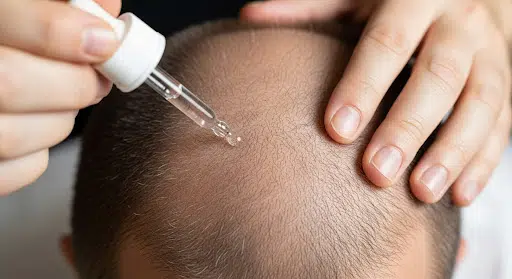
For those needing extra support while making these dietary changes, incorporating specialized care like Daniel Alain’s clinically proven hair shedding treatment alongside gentle scalp massages can help anchor roots naturally.
Pairing iron-rich foods with vitamin C significantly improves nutrient absorption to create a strong internal foundation.
2. Soothe Stress To Protect Your Sleep

Chronic stress actively impacts your physical hair cycle far beyond just exhausting your mind.
Elevated cortisol levels can prematurely push hair follicles out of their active growth phase and into the shedding phase.
Research shows that if the body remains highly stressed, a large portion of actively growing hair shifts to resting and causes notable thinning.
This stress load is often compounded by poor sleep, which shrinks the critical repair window your cells need to recover.
Establish a short evening wind-down ritual to soothe your nervous system and prepare for rest. You might brew a warm cup of herbal tea or write down three small wins from your day.
Massaging your head also reduces physical tension in the scalp while stimulating vital blood circulation to the follicles.
Any small step toward relaxation is a step in the right direction for your overall well-being.
Key Insight: Your nervous system is the soil for healthy hair. Calm the internal environment, and follicles flourish. |
|---|
3. Honor Hormonal Seasons With Compassion
A biological system cycles through distinct seasons, and your hair often reflects these internal shifts.
Postpartum recovery brings a sudden drop in estrogen, while perimenopause introduces fluctuating hormone levels.
It is vital to remember that these are natural biological responses rather than personal failures. Your body is simply reacting to chemistry as it navigates these changing chapters.
Keeping a compassionate monthly hair journal is a powerful habit during these transitional phases.
Jot down one or two sentences, noting observable changes alongside context clues like sleep quality or diet adjustments.
This practice separates your emotional reaction from observable data to build a clear picture for future healthcare conversations.
If shedding becomes persistent or patchy, sharing this journal with a doctor to check iron and vitamin D levels is highly recommended.
4. Treat Wet Hair Like Delicate Silk
Reframe your daily hair handling as an act of tenderness rather than a corrective checklist.
Water temporarily weakens the hydrogen bonds within the hair shaft, making wet strands highly vulnerable to breakage under friction.
Many people unknowingly practice damaging habits by aggressively rubbing towels or raking a fine comb through soaking hair.
Recognizing these patterns is the first step toward preserving your hair health.
Adopt the habit of squeezing your hair gently to remove excess water instead of rubbing it dry. Wrap it loosely in a dedicated microfiber cloth or a soft cotton shirt.
When detangling, always start at the very ends with a wide-tooth comb and slowly work your way upward.
Allow your hair to dry mostly naturally before applying a heat protectant and using styling tools on medium settings.
Pro Tip: Treat wet hair like silk: squeeze, never rub. Detangle from ends to roots with a wide‑tooth comb, and aim for 80% dry before using heat tools. |
|---|
Extra Support Options For Hair Wellness
Lifestyle habits will always form the strongest foundation for healthy hair, but targeted support can enhance your routine.
There is a wide range of options available for those looking to nourish their scalp, from dietary supplements featuring biotin to soothing serums.
Medical data notes that normal scalps have thousands of hairs, and average daily fallout is around 100 strands.
Prolonged or sudden shedding exceeding this amount always warrants a conversation with a healthcare professional before adding any new product.
The Bottom Line
Instead of constantly scrutinizing your reflection, try replacing daily worry with a quiet monthly ritual.
Frame this check-in as a gentle snapshot of your current well-being rather than a diagnostic test.
Ask yourself simple questions about how you nourished your body and how your hair feels under your hands today.
Writing down just one short sentence helps build a healthy pattern over time without creating unnecessary pressure.
These consistent and small observations act as long-term love for both your hair and yourself.
A mindful approach to wellness ensures you stay connected to your body without letting anxiety take over.
Caring for your scalp is a continuous journey that thrives on patience and gentleness. Your hair tells a beautiful story, but it is never the entire picture.