
We all need a healthy, clear skin.
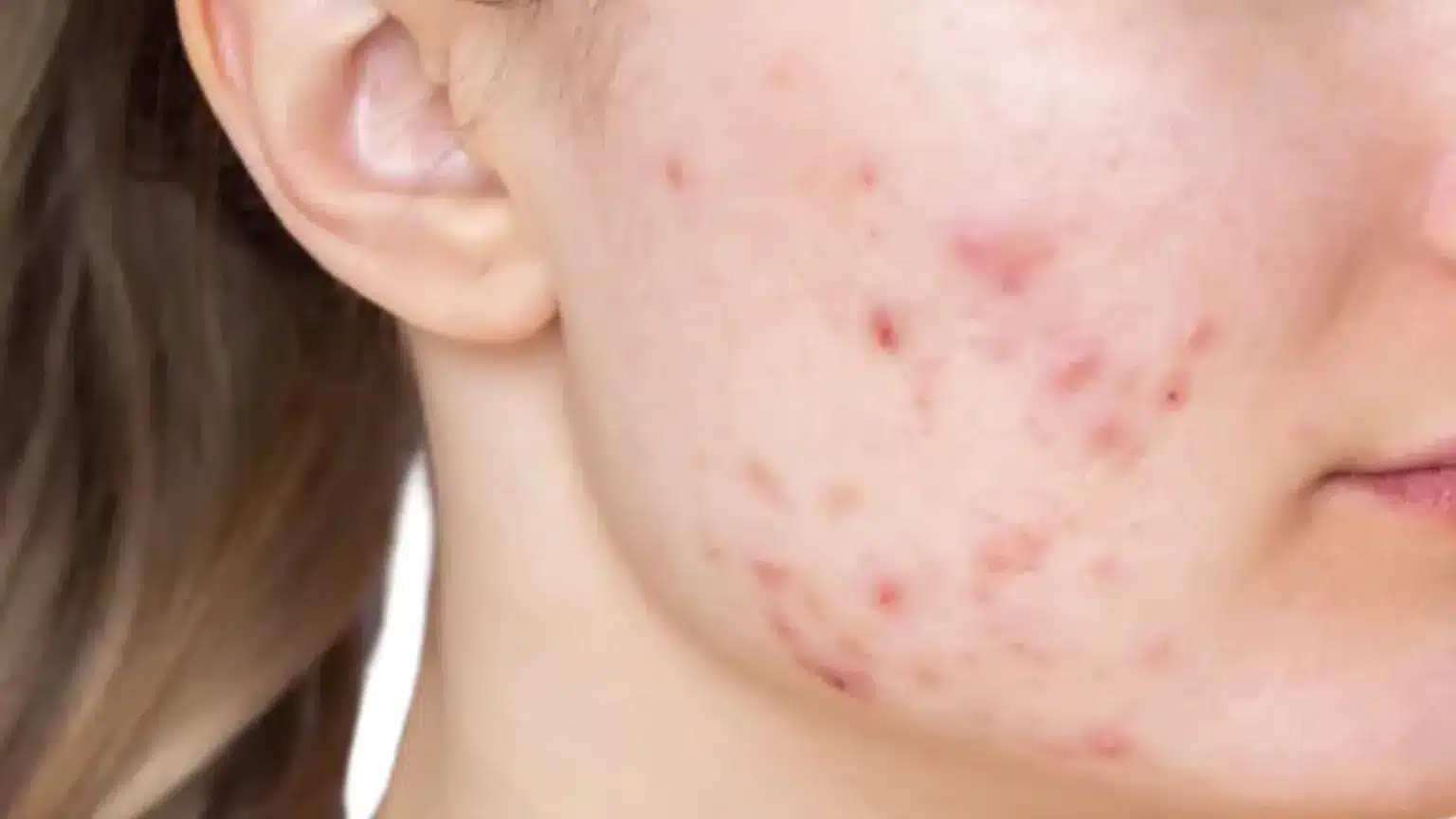
But when it comes to skin purging and breakouts it is one of the most confusing things in skincare, as they look the same but are very different.
So how do you tell them apart?
Let’s learn what each one really means, why they happen, and how to handle them the right way.
What is Skin Purging and Why Does it Happen?
Skin purging is your skin speeding up its own cleaning process.
Normally, your skin sheds dead cells every 28 days. Active ingredients like retinoids, AHAs, and BHAs make that happen much faster.
As new skin cells rise to the surface, clogged pores and hidden acne come up with them.
Your skin looks worse before it looks better. But the process is temporary, and most people see clear improvement within 4 to 6 weeks.
Why do Breakouts Occur?
A breakout is your skin’s way of saying something is wrong as pores get clogged with oil, dead skin, or bacteria. The result is redness, inflammation, and pimples.
Hormonal changes, stress, poor sleep, diet, and comedogenic products can all trigger a breakout.
Stress raises cortisol levels, which leads to more oil and more pimples.
Unlike purging, breakouts do not follow a pattern. They can show up anytime, anywhere, without warning.
Skin Purging vs Breakout
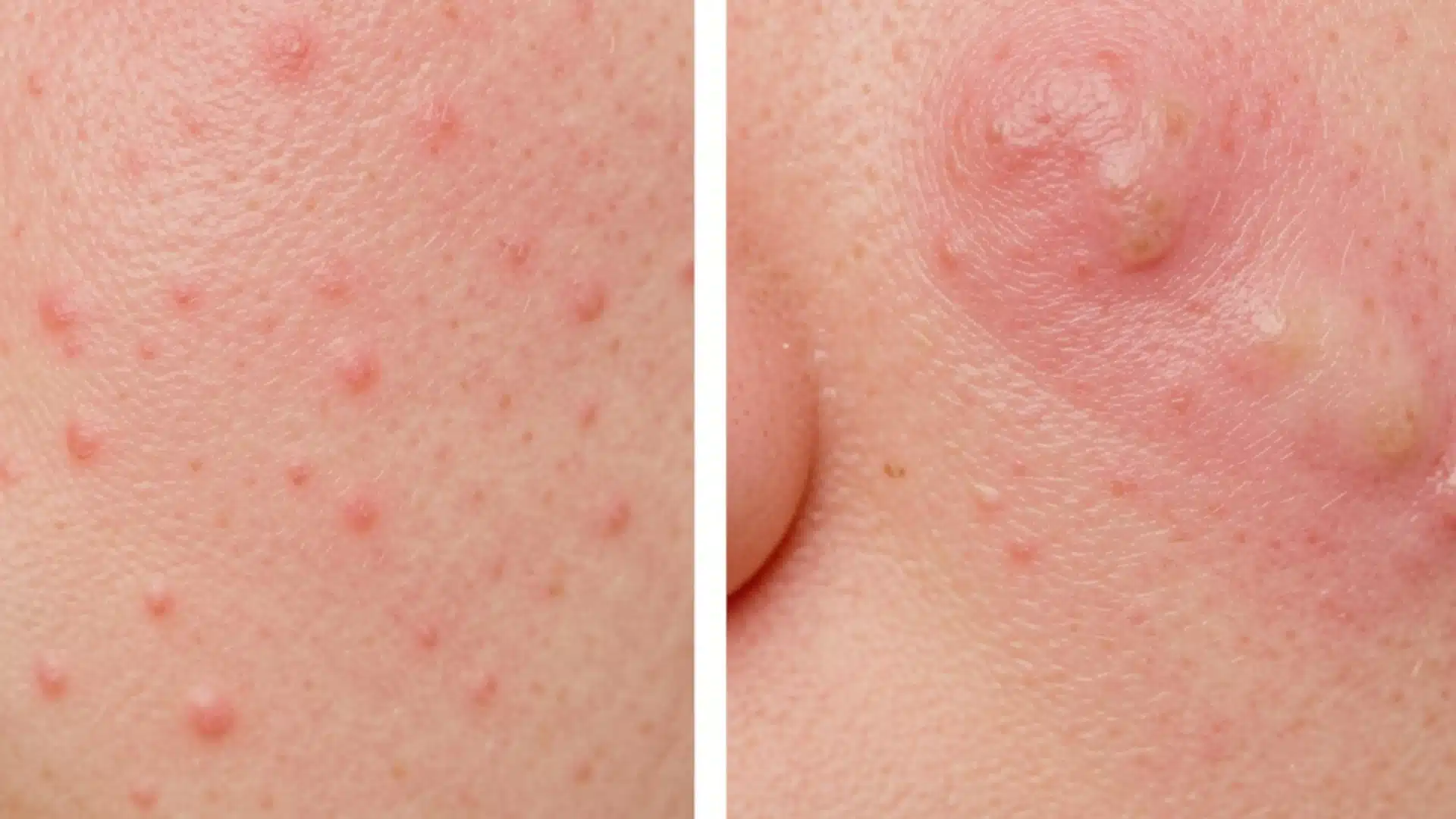
The reasons behind each are very different and the easiest way to understand it is to know what changed recently.
Purging follows a pattern.
It shows up after starting a new active product, stays within your usual breakout zones, and clears up within 4 to 6 weeks.
While breakouts do not follow rules. It can show up anywhere, feel deep and painful, and linger for weeks.
How Long Does Each One Last?
Purging usually lasts between 2 and 6 weeks. After that, your skin starts to clear up and look better than before.
Breakouts do not follow a set timeline.
Without treatment, they can last weeks or even months.
Your skin type and product strength can affect how long purging lasts. Stronger actives mean a longer clearing phase.
Should I Pop Skin Purging Pimples?
No. Popping pimples during purging is one of the worst things you can do.
It pushes bacteria deeper into the skin, increasing the risk of scarring. It also slows down the healing process.
Your skin is already working hard to clear itself out, so let it do its job. Keep your hands off your face, stay consistent with your routine, and give your skin the time it needs.
Skin Purging vs Allergic Reaction vs Fungal Acne
Not all skin reactions are the same. Purging, allergic reactions, and fungal acne can all look similar at first glance. But each one has a different cause and needs a different response.
| Skin Purging | Allergic Reaction | Fungal Acne | |
|---|---|---|---|
| Cause | Active skincare ingredients | Ingredient sensitivity or allergy | Yeast overgrowth on skin |
| Appearance | Whiteheads or blackheads | Redness, swelling, or rashes | Small, uniform, itchy bumps |
| Location | Usual breakout zones | Anywhere on the face | Forehead, chest, or back |
| Timeline | Clears in 4 to 6 weeks | Appears quickly after use | Persists without proper treatment |
| What to do | Stay consistent | Stop the product immediately | Use antifungal treatment |
Taking Care of Your Skin Purging and Breakouts
These need different ways to handle. But before that you need to know what affects them and how! Let’s know more about it!
How to Handle Skin Purging Safely?
The best thing you can do during purging is to stay consistent and keep things simple. Quitting before 6 weeks means your skin never gets to the clearing stage.
Do this:
- Stick to a gentle, basic routine
- Use a hydrating moisturizer to support your skin barrier
- Avoid adding new products while purging
Avoid this:
- Over-exfoliating irritated skin
- Switching products too soon
- Stopping your activity too early
How to Treat Breakouts?
Breakouts need a different approach. You need to find the trigger first.
Stop using a product immediately if your skin burns, swells, or develops a rash. That is not purging but a reaction.
- Spot treatments with benzoyl peroxide or salicylic acid.
- Cutting back on oily or sugary foods.
- Getting enough sleep and managing stress.
When is it Time to See a Dermatologist?
Some skin reactions need more than a routine change.
Do not pile on new products to fix the reaction, and do not assume every pimple is purging just because you want it to be.
See a dermatologist if your acne is severe, painful, or not improving after 6 weeks. Do not wait if you notice scarring or dark spots forming,
A dermatologist can confirm whether it is purging or a breakout.
They may suggest prescription retinoids, antibiotics, or other targeted treatments based on your skin’s needs.
Wrap Up
Your skin is smarter than you think. It talks to you every single day; you just need to learn its language.
Purging vs breakout are not the same thing. And now you know the difference.
Good skin takes time. It is not always pretty in the middle. But staying patient and consistent with the right routine always pays off.
So next time your skin acts up, take a breath, check the signs, and make a smart call. Your skin will thank you for it.
Frequently Asked Questions (FAQs)
1. How to Tell if Acne is Hormonal or Bacterial?
Hormonal acne appears along the jawline and chin. Bacterial acne can appear anywhere and is linked to clogged pores or to touching your face.
2. What is the Hardest Type of Acne to Get Rid of?
Cystic acne is the hardest to treat. It sits deep under the skin, takes weeks to heal, and often leaves scars behind.
3. Which Organ is Related to Acne?
The skin is the primary organ. But the liver, gut, and hormonal glands also play a role in triggering acne.