
Effortless intimate health comes down to four tiny daily habits that support your body naturally. True wellness is rarely built on dramatic clinical interventions or complicated routines.
Instead, it lives in the quiet, daily choices that shape how comfortable you feel in your own body. By making these low-effort shifts, you work alongside natural systems rather than against them.
Maintaining this balance involves choosing gentle personal care products and upgrading your daily bathroom hygiene routines.
It also requires prioritizing breathable fabrics and knowing when to shift from prevention to targeted treatment.
Focusing on these foundational pillars creates a sustainable approach to physical comfort.
Over time, these small adjustments help maintain long-term microbiome balance and prevent common irritation.
1. Choose Gentle Skin-Friendly Care
What you put on your most sensitive skin sets the tone for everything else. Think of the vulvar environment as a garden that thrives when left to its own delicate chemistry.
It simply needs gentle support rather than a flood of artificial inputs.
Conventional body washes, heavily scented wipes, and generic moisturizers routinely disrupt this balance through harsh surfactants.
Scientific evidence highlights just how delicate this specific tissue truly is compared to the rest of the body.
Research notes that this area is highly susceptible to visually discernible irritation because of its increased hydration and frictional properties.
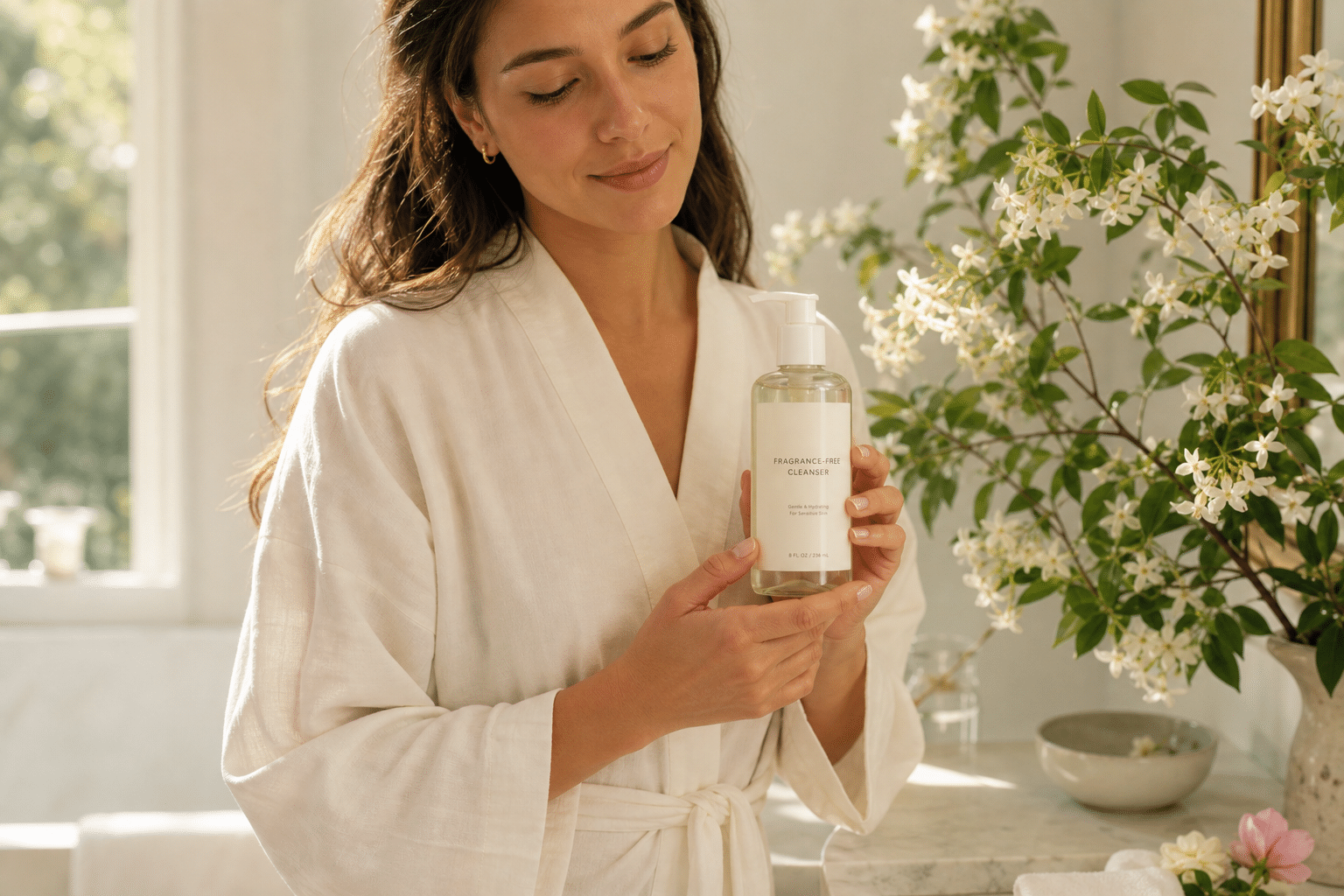
To protect this ecosystem, choose fragrance-free, pH-conscious cleansers designed exclusively for external use.
Always look for fully disclosed ingredient lists and actively avoid parabens or synthetic additives.
When imbalances do occur, finding targeted care that respects this delicate barrier is an essential next step. For instance, exploring NeuEve’s yeast infection treatment provides support without relying on harsh synthetic chemicals.
Choosing scientifically guided, food-grade remedies helps address discomfort while protecting your natural flora.
Natural, hormone-free moisturizers remain a valuable category for anyone navigating dryness from menopause or postpartum changes.
- DO: Use warm water and a mild, fragrance-free cleanser externally only.
- DO: Choose products with fully disclosed ingredient lists and hormone-free formulations.
- DON’T: Assume natural labels guarantee appropriate pH safety for delicate areas.
- DON’T: Overlook synthetic fragrances buried deep in an ingredient list.
Key Insight: Your vulvar skin isn’t like the rest of your body, as it’s thinner, more absorbent, and thrives on minimalist care. True product safety isn’t about ‘natural’ labels, but knowing exactly what touches this delicate ecosystem. |
|---|
2. Rethink Bathroom Hygiene Routines

Perhaps the most tangible physical upgrade you can make is shifting how you handle daily bathroom habits.
There is a quiet problem with conventional bathroom hygiene since toilet paper alone can leave residue and cause microscopic friction.
This reality is almost universal during sensitive periods like menstruation or postpartum recovery.
Yet, we rarely question our reliance on dry paper despite the availability of better alternatives.
The comfort-forward solution is transitioning to warm-water cleansing for daily use. Modern bathroom upgrades such as Premier Bidets’ modern heated toilet seat bidet offer a gentle alternative to abrasive paper.
This standard reduces reliance on paper entirely by offering adjustable water temperature and variable pressure control.
The primary goal remains the same, but the experience for sensitive skin improves dramatically.
Fortunately, bringing this level of comfort home is incredibly easy without undertaking a full bathroom remodel.
Most advanced seat models fit standard existing toilets seamlessly and require minimal setup effort.
Because advanced models are powered devices, installation simply requires an electrical outlet within three feet of the toilet.
This setup keeps the standard four-foot power cord safely secured off the wet bathroom floor.
- DO: Use the feminine-wash setting for targeted, gentle daily cleansing.
- DO: Adjust the water pressure and temperature to your personal comfort level.
- DON’T: Rely on highly scented personal wipes as a daily hygiene substitute.
- DON’T: Leave electrical cords loose or unsecured near a wet bathroom floor.
3. Prioritize Breathable Fabrics and Rituals
Your intimate health is heavily influenced by the physical environment you create for it every single day.
The core mechanism is simple because naturally occurring bacteria and yeast thrive in warm, moist environments.
This means the fabrics you wear genuinely matter for maintaining long-term bacterial balance.
Proper clothing choices help prevent trapped heat and moisture from causing unnecessary irritation.
Cotton underwear remains the absolute gold standard for daily wear across the board. It is highly breathable, naturally moisture-wicking, non-irritating, and widely accessible for all body types.
In contrast, synthetic fabrics and tight lace trap heat, creating a less favorable microbiome environment.
Research confirms that external environmental elements are common risk factors for recurrent imbalances.
Equally important is properly managing your immediate post-workout window. Changing into dry, breathable clothing within 20 minutes of stopping exercise is an incredibly effective wellness habit.
Keeping a spare pair of cotton underwear in your gym bag serves as a practical anchor habit. Overnight, sleeping in loose cotton bottoms allows the skin to fully decompress and breathe.
- DO: Wash workout gear after every single wear with fragrance-free detergent.
- DO: Keep a spare pair of breathable cotton underwear in your gym bag.
- DON’T: Sit in a wet swimsuit or sweaty athletic gear for extended periods.
- DON’T: Wear synthetic materials or tight lace as your daily default.
4. Shift From Prevention to Treatment
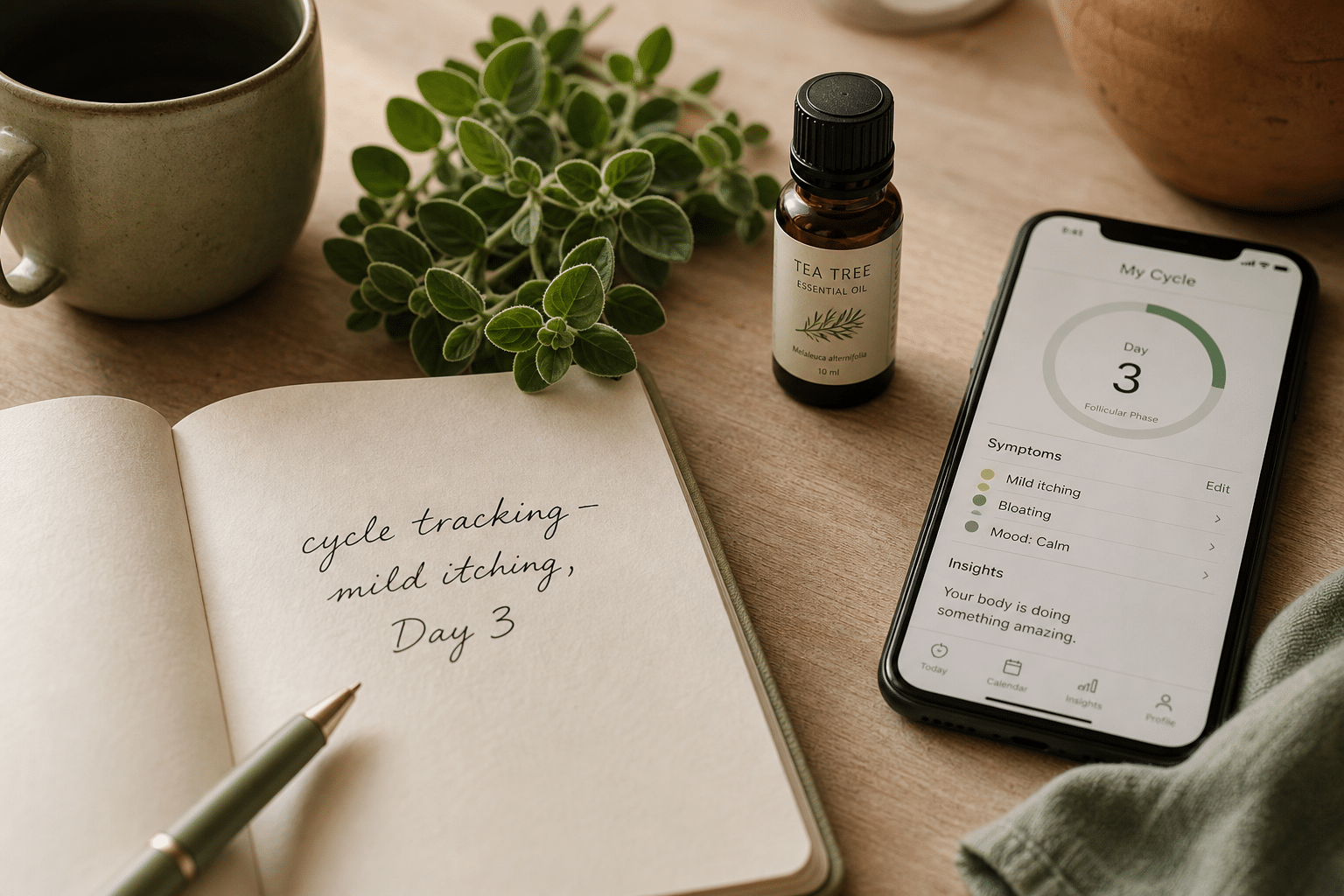
Prevention is powerful, but recognizing the early signs of imbalance is its own essential intimate health skill.
Learning to read your body’s specific signals allows you to respond with confidence rather than guesswork.
When the delicate microbiome shifts, the body sends clear signals like itching or a sensation of burning.
Thicker discharge or general discomfort are also common indicators of yeast overgrowth.
It is incredibly helpful to view these signs as patterns to log rather than rushing to self-diagnose.
Statistics show that the vast majority of women will experience at least one episode of yeast imbalance during their lifetime.
Many individuals find that natural suppositories featuring multiple botanical extracts serve as a thoughtful first-response option.
These botanicals often complement traditional methods while providing soothing relief for mild symptoms.
However, wise self-advocacy also means knowing exactly when to seek professional medical guidance.
If symptoms persist beyond seven days or recur monthly, scheduling a visit with a gynecologist is crucial.
Fevers, pelvic pain, or unfamiliar odor patterns also warrant immediate professional evaluation.
What presents as a simple yeast issue might actually require an entirely different medical approach.
- DO: Log changes in discharge or sensation to identify recurring patterns.
- DO: Consult a healthcare professional for symptoms that feel severe or unusual.
- DON’T: Cycle through over-the-counter remedies indefinitely without identifying a root cause.
- DON’T: Ignore mild symptoms while assuming they will simply resolve on their own.
Important: Self-diagnosing recurring symptoms can mask serious conditions like bacterial vaginosis. If discomfort lasts beyond seven days, recurs monthly, or brings on a fever, seek professional gynecological care. |
|---|
Putting It All Together
Building effortless intimate health is about creating a memorable weekly rhythm rather than following a rigid schedule.
Consistency always beats perfection when you are trying to establish lasting self-care practices. These recommended habits are simply supportive tools designed to work with your body.
Small and gentle choices, repeated over time, ultimately add up to feeling genuinely comfortable.
Start your week with a fresh laundry reset using gentle detergents for your workout gear.
Midweek, enjoy a comfort-focused bathroom routine that includes a warm-water wash and careful drying.
By the weekend, take time to check in with your body and note any subtle shifts in sensation. Your body already possesses incredibly powerful self-regulating systems that thrive with just a little mindful support.