
Imagine never having to squeeze in another upper lip waxing appointment or deal with last-minute shaving again. That’s exactly why so many people are turning to laser hair removal.
If you have sensitive skin, though, it’s totally normal to wonder whether laser hair removal upper lip is actually safe.
Here’s the good news from people who’ve been through it: with the right laser settings and a qualified specialist, laser hair removal is generally very safe for sensitive skin – and often much gentler than constant waxing or threading.
Laser Hair Removal Upper Lip: How Does It Work?
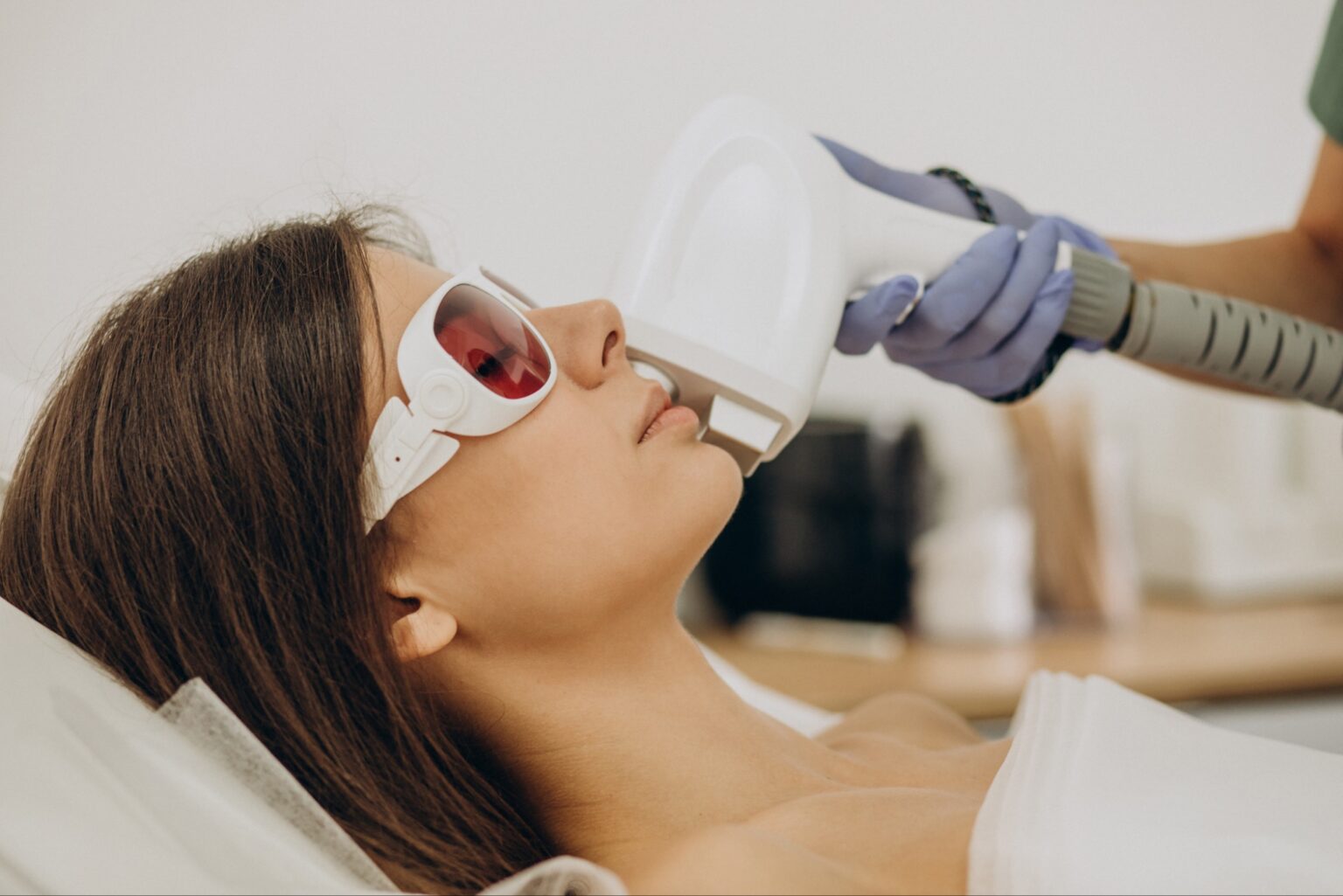
During laser hair removal, hair follicles are destroyed with a laser beam. The hairs then begin to fall out, and after a certain number of procedures, they stop growing altogether.
It might sound scary, but it’s actually often said that it’s less painful than other techniques. The customers typically say it’s similar to a rubber band snapping against your skin.
Lasers can remove dark and light hairs, but not gray, because the laser beams target melanin. With only one or two appointments per year, you can permanently remove hair. And the great thing is that laser hair removal is safe for any part of the body, including sensitive areas, such as the upper lip.
If you have sensitive skin, you might feel a little discomfort during the procedure, but usually, the pain is mild and doesn’t last long. There are also ways to make the whole thing a lot more comfortable, with special equipment and the right care.
And the best part is that the upper lip area is so small that the sessions take very little time – sometimes even less than 5 minutes.
Source: Magnific.com
Is Laser Hair Removal Safe for Sensitive Skin?
If your skin is sensitive, you’re probably worried about how safe laser hair removal actually is for you, and more importantly – how much will it hurt? You might be surprised to hear that laser hair removal actually hurts less than some other methods that you’re already used to, like waxing.
And to reassure you – yes, laser hair removal is completely safe for sensitive skin. The technology has advanced a lot, and there are many ways to reduce the discomfort.
However, it’s a good idea to schedule a consultation and a patch test before your laser hair removal appointment. Talking with a qualified dermatologist beforehand will make your treatment a lot more comfortable and allow you to discuss any concerns you might have and get advice on how to take good care of your skin.
Best Laser Types for Sensitive Upper Lip Skin
On sensitive skin, such as the upper lip, it’s recommended to use special types of lasers. The best ones are Nd:YAG, diode, and Alexandrite lasers.
Laser Type | Skin Tone | Sensitivity Level | Downtime |
|---|---|---|---|
Nd:YAG | All tones, especially darker | Low to moderate; deeper penetration reduces skin reaction | Minimal (redness for 1-2 days) |
Diode | Very light to medium/dark | Moderate; may cause hives or discomfort in sensitive areas | Minimal (redness/swelling for 1-2 days) |
Alexandrite | Very light to light only | Higher; more painful due to rapid pulses and pigment risk | Minimal (redness for 1-2 days) |
Nd:YAG Laser
This is the safest option for darker or highly reactive skin. The good thing is that the risk of pigmentation issues is much lower.
Diode Laser
Diode lasers are good for light to medium skin tones. Diode lasers are great for sensitive skin because they have adjustable settings and even a cooling system, so the irritation is minimal.
Alexandrite Laser
Alexandrite lasers are great for fair skin with dark hair. The treatments are quite fast, but they may not be suitable for a very reactive skin, so it’s best to consult a dermatologist.
Common Side Effects on the Upper Lip
Even though there are many good things about laser hair removal treatments on the upper lip, there are also some side effects you should know about. Since the skin above the upper lip is pretty thin, it can feel a lot more sensitive than, for example, legs or arms.
These may include temporary redness, mild swelling, tenderness, and temporary sensitivity, usually for 1-2 days, which are all pretty common side effects, so no need to worry about them too much.
However, sometimes laser hair removal can lead to slightly more serious side effects, such as blistering, hyperpigmentation, burns, or scarring. These are rare, but possible, so keep an eye out for your skin and inform a dermatologist if you need assistance.
If your skin is irritated after a treatment, use cooling gels to soothe your skin; for example, aloe vera.
How to Prepare Sensitive Skin Before Treatment
Sensitive skin needs some extra love before a laser hair removal appointment, so we’ve prepared some tips on what to do before a treatment:
- Schedule a consultation with a professional dermatologist and do a patch test
- Avoid exposing your skin to the sun
- Stop waxing, threading, or plucking several weeks before your appointment
- Shave instead of waxing before sessions
- Avoid active skincare ingredients, such as retinoids, acids, and exfoliants
Aftercare Tips to Prevent Irritation
Taking good care of your skin after a treatment is equally important, so make sure to follow these tips:
- Use gentle skincare products only
- Apply cold compresses if needed
- Avoid hot water, exfoliation, direct sunlight, and heavy makeup right after the treatment
- Use sun protection daily
Conclusion
One of the best things about laser hair removal? You can finally stop dealing with annoying ingrown hairs and razor burn for good. If you have sensitive skin, though, book a consultation with an experienced dermatologist or laser specialist before your first session. They’ll help tailor the treatment to your skin type so everything feels a lot more comfortable – and you’ll feel way more confident going in.
And don’t skip the moisturizer afterwards. Keeping your skin hydrated helps calm any sensitivity, speeds up recovery, and leaves your upper lip feeling extra smooth after each session.