

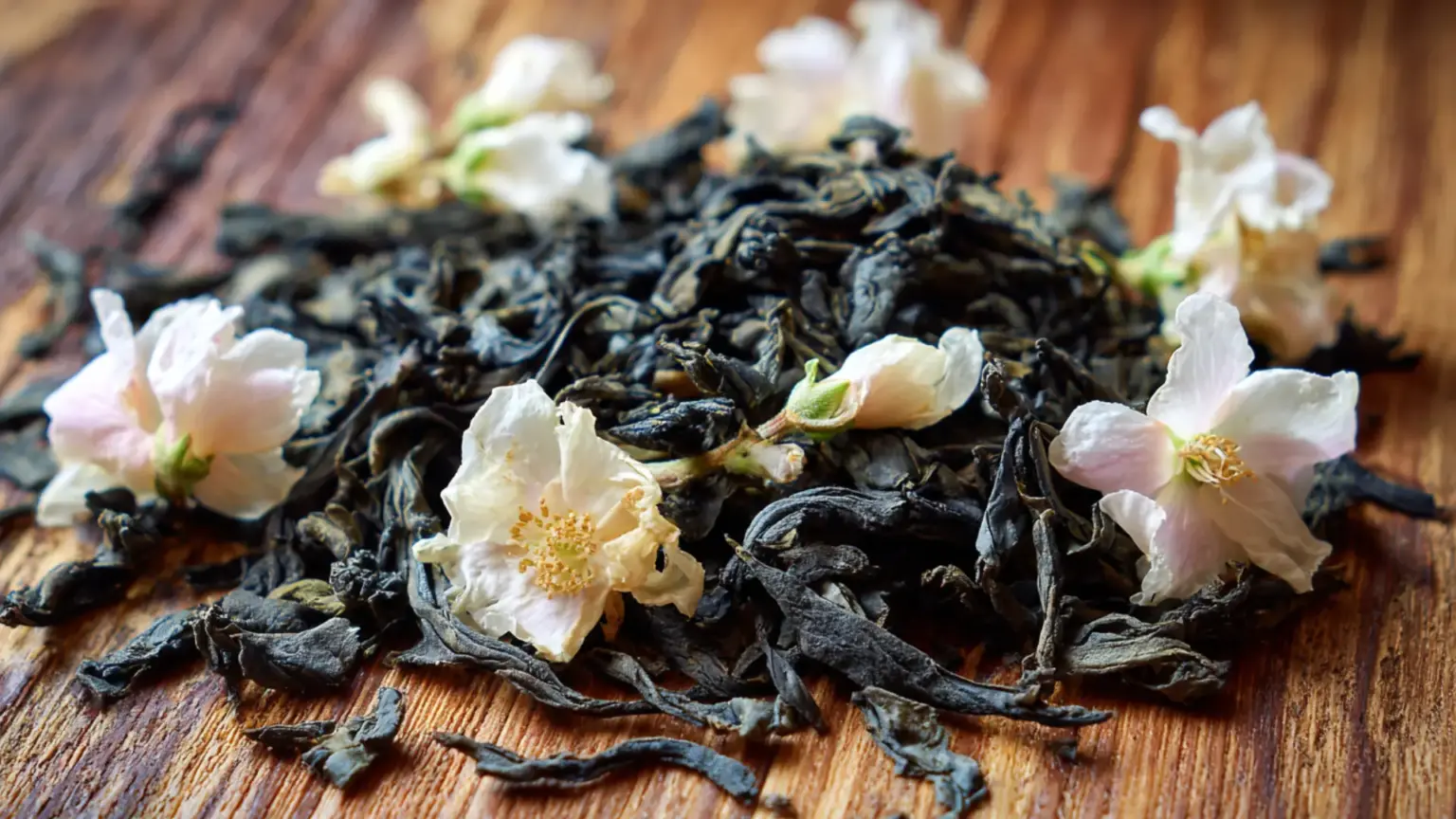
Jasmine tea has been a part of wellness conversations for decades, yet most people know it only as “that floral tea.”
The benefits of jasmine tea go beyond relaxation and a pleasant smell.
Regular drinkers report better digestion, calmer nights, and clearer skin.
This is a simple breakdown of jasmine tea benefits, what works, what science says, and what to realistically expect.
Where Does Jasmine Tea Actually Come From?
Jasmine tea originated in China over a thousand years ago, during the Song Dynasty.
It was made by layering fresh jasmine flowers over tea leaves overnight, letting the leaves absorb the floral scent naturally.
No artificial flavoring, just flowers and time.
The base tea varies. Green tea is the most common, but white and black tea bases exist, too. Each gives a different strength and flavor.
It spread across Asia and eventually worldwide because it hits a rare balance, floral enough to feel special, light enough for everyday drinking.
Jasmine Tea Benefits: What is Actually in Your Cup?
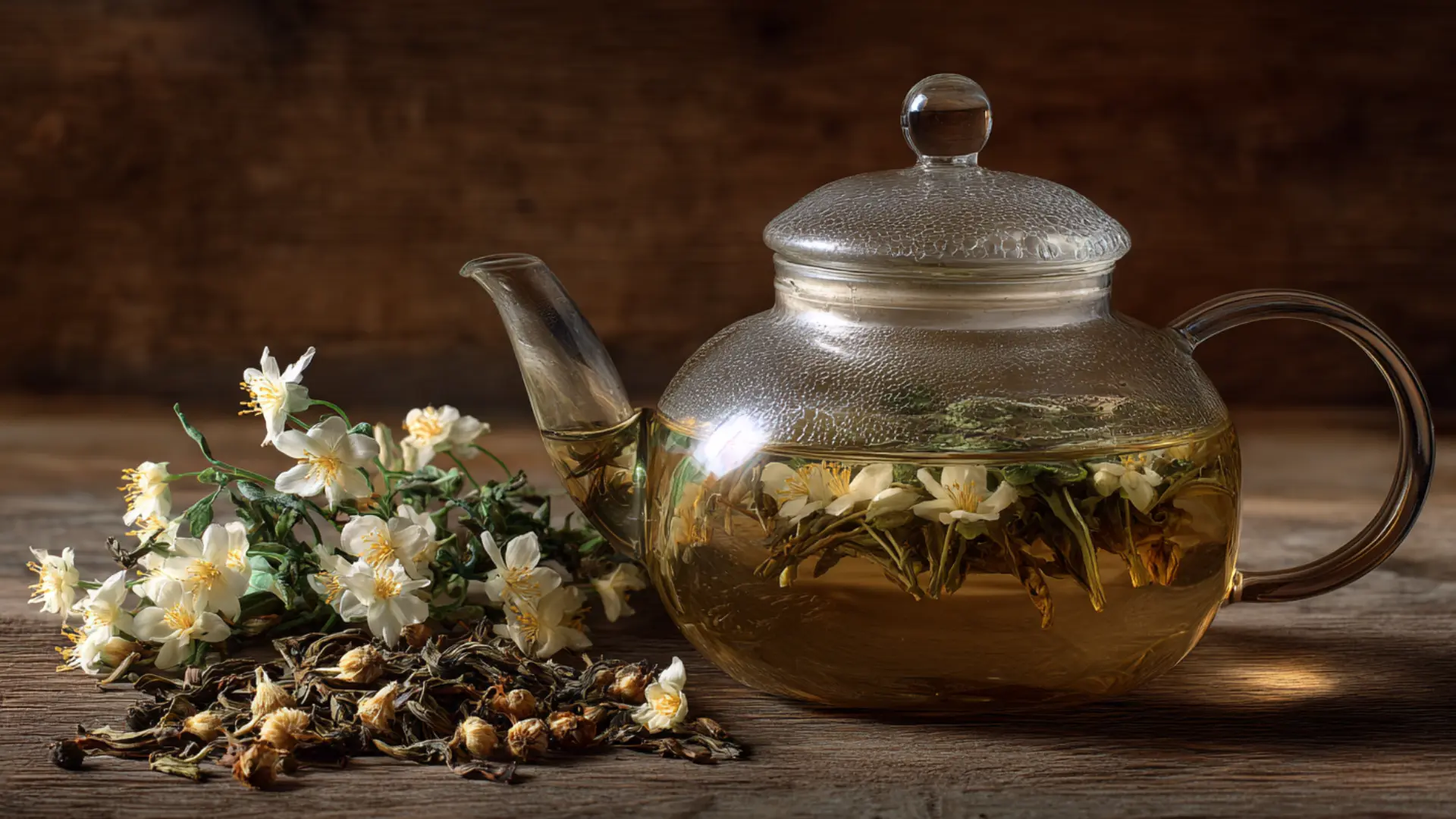
A plain cup of jasmine tea has near-zero calories, no added sugar, and no fat.
The green tea base provides catechins and polyphenols, antioxidants that have been studied for their effects on cell health and inflammation.
Caffeine ranges from 15 to 35 mg per cup, about a third of a cup of coffee.
1. Jasmine Tea Benefits for Skin
Dullness, dryness, uneven tone, most of that comes down to one thing: not enough water in your system.
Jasmine tea keeps hydration up without adding sugar or anything that works against your skin.
The catechins from the green tea base also neutralize free radicals, the molecules that slowly damage skin cells over time.
Not a serum, not a quick fix. Just a daily drink, doing the work most people overlook.
Skip the sugar in your jasmine tea if skin is your reason for drinking it. Sugar drives inflammation, and inflammation is one of the main things the antioxidants in the tea are working against.
2. Jasmine Tea Benefits for the Stomach
Ask anyone who grew up drinking tea after meals in East Asia, and they will tell you it just works.
There is a reason that this habit stuck around for centuries.
The green tea base supports gut motility, helping food move through your digestive system at a normal pace.
If you often feel heavy or bloated after eating, a warm cup of jasmine tea is one of the simplest things you can try.
3. Jasmine Tea Benefits for Weight Loss
Jasmine tea does not burn fat. No, tea doesn’t do that on its own.
If you are already eating well and staying active, jasmine tea fits that routine without friction. It is not the reason you lose weight. It is just one less thing working against you.
Where it actually pulls its weight:
- Zero-calorie swap. Replace a sweetened drink with jasmine tea, and you cut calories without changing anything else about your day.
- Small metabolic push. EGCG in green tea has been linked in multiple studies to modest improvements in fat oxidation, especially when paired with movement.
- No hidden sugars. Plain jasmine tea adds nothing unwanted to your diet, no syrups, no additives, no blood sugar spike.
4. Jasmine Tea Benefits at Night
Low caffeine, a scent that calms your nervous system, and a warm drink before bed.
Research shows jasmine’s aroma activates the parasympathetic nervous system, the part that handles rest and recovery.
You start winding down before you finish the cup. Brew it light, drink it 30 minutes before bed, skip the sugar.
Why Women Keep Coming Back to This Tea?
The low caffeine content makes it a practical option during times of the month when the body is more sensitive to stimulants.
It keeps you hydrated and gives you light, steady alertness without the spike that coffee brings.
Small studies on jasmine’s scent show measurable drops in heart rate and a shift toward a calmer state.
During Pregnancy
One cup of jasmine green tea contains about 25 to 35 mg of caffeine, which falls within the 200 mg daily limit most doctors recommend during pregnancy.
But it still counts toward your total from all sources, including coffee, chocolate, and other teas.
It is not flagged as a concern in normal amounts. Talk to your doctor before making jasmine tea a daily habit during pregnancy.
Best Time to Drink Jasmine Tea
Different times of day call for different reasons to drink it.
Green tea base works best in the morning and afternoon. White tea or herbal base is the smarter pick for evenings and nights.
| Time of Day | Why It Works |
|---|---|
| Morning | Light caffeine gives a gentle start without the coffee spike |
| Before a meal | May help curb appetite and prepare the gut for digestion |
| After a meal | Supports digestion and reduces that heavy, bloated feeling |
| Afternoon slump | Low caffeine keeps you alert without disrupting night sleep |
| 30 mins before bed | Calming scent and warm liquid help the body wind down |
Jasmine Green Tea Side Effects
Jasmine green tea is safe for most people, but that does not mean it is without limits.
Two cups a day rarely cause problems. Push that to five or six, and the picture changes.
A few situations where you need to pay attention:
- Caffeine sensitivity can cause restlessness, headaches, or a racing heart, even at low doses
- Drinking more than 3 to 4 cups daily may lead to nausea, digestive discomfort, or disrupted sleep
- Pregnant women should monitor total caffeine intake across all sources and consult a doctor before drinking it regularly
- Iron absorption can be affected when jasmine green tea is consumed right after iron-rich meals
- Certain medications, including blood thinners and stimulants, can interact with compounds in green tea
- Existing anxiety conditions may worsen with regular caffeine intake, even in small amounts
Moderation keeps jasmine green tea in the beneficial column. Overconsumption is where the problems start.
Wrapping Up
Jasmine tea is not a miracle drink. But it is one of the more useful daily habits you can build without overhauling anything about your routine.
It has benefits that support digestion, maintain hydration, offer a calming alternative to high caffeine drinks, and deliver a small but real antioxidant boost to your day.
Drink it consistently, keep it plain where possible, and match the base to the time of day.
That is really all it takes to get the most out of it.
Simple drink, simple approach, real results over time.
Frequently Asked Questions
1. What is the Best Type of Jasmine Tea for Beginners?
Jasmine green tea is the easiest starting point as it is widely available, mild in taste, and low in caffeine.
2. Can You Drink Jasmine Tea on an Empty Stomach?
It is better to avoid it on an empty stomach as the tannins in green tea can cause mild nausea in some people.
3. Does Jasmine Tea Have Any Effect on Stress or Anxiety?
The scent of jasmine has shown measurable calming effects in studies, but if you have an anxiety condition, monitor your caffeine intake from any tea source.