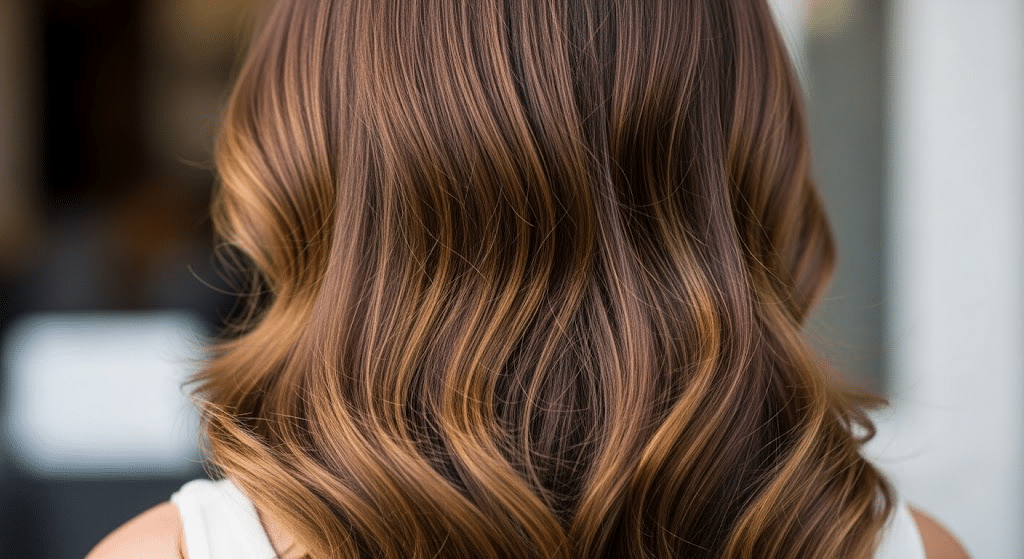

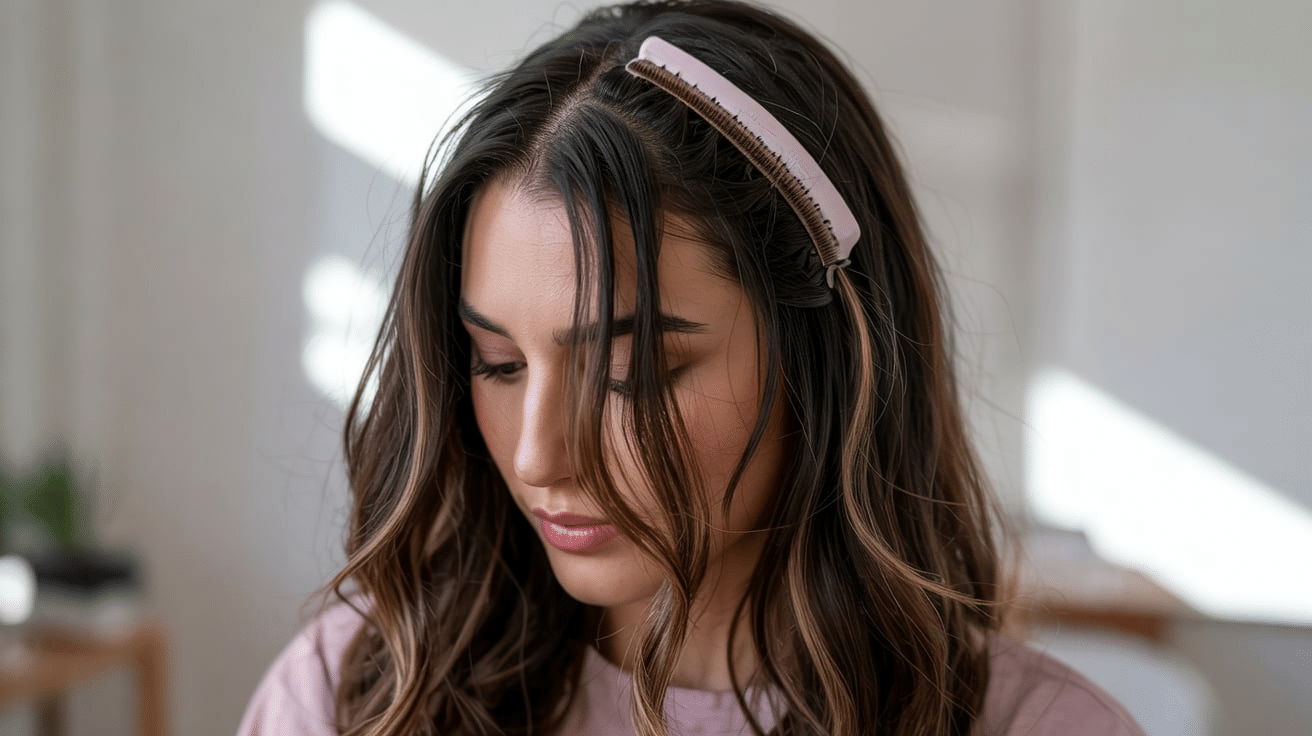
When it comes to changing your hair with added length, volume, or even color, understanding the different hair extension types is essential.
From temporary clip-ins to long-lasting fusion bonds, each technique offers its own benefits, costs, and maintenance levels.
The right method depends on your hair type, lifestyle, and how much time you’re willing to invest in upkeep.
Even if you’re looking for a quick change for a special occasion or a more permanent solution, learning about the various extension options helps you make an informed decision that enhances your style without compromising your natural hair health.
How Do Hair Extensions Work?
Hair extensions are added to natural hair to increase length, volume, or both. They are applied using different techniques based on the type of extension and individual needs.
Temporary methods like clip-ins can be easily attached and removed at home. Semi-permanent options, such as tape-ins or micro-links, require a professional and last several weeks.
Permanent methods like keratin bonds are fused to the natural hair and can last up to several months with proper care.
The right application method depends on hair type, budget, and lifestyle. Fine hair may do better with lighter options like tape-ins, while thicker hair can support heavier methods like sew-ins.
Types of Hair Extension Methods
Hair extensions come in various forms to suit different hair types, lifestyles, and styling goals. Each method has unique application techniques, advantages, and drawbacks.
Below is a breakdown of the most common types of hair extensions used today, from quick fixes to long-term solutions.
1. Clip-In Hair Extensions
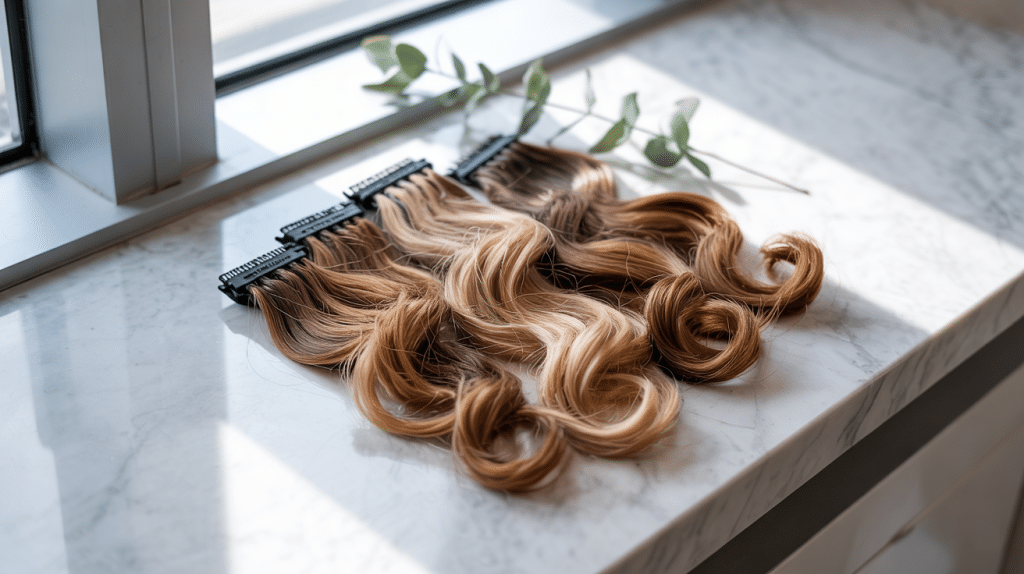
Clip-in extensions are temporary wefts of hair that attach to natural hair using small clips. They can be added or removed in minutes without any professional help, making them ideal for short-term use, like events or occasional wear.
Pros: Easy to use, no damage, reusable
Cons: Can feel bulky, not suitable for long-term wear
2. Tape-In Hair Extensions
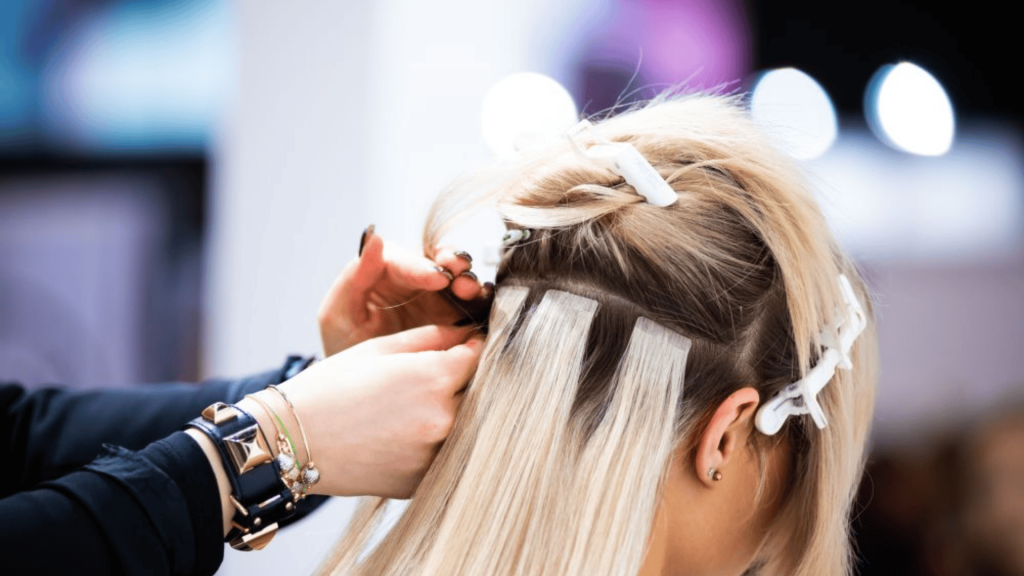
Tape-ins use double-sided adhesive tape to attach thin wefts to natural hair. The process is semi-permanent and usually takes under an hour with a professional. These lay flat against the scalp for a seamless look.
Pros: Natural look, relatively quick application
Cons: Requires maintenance, not ideal for oily scalps
3. Sew-In (Weave) Hair Extensions
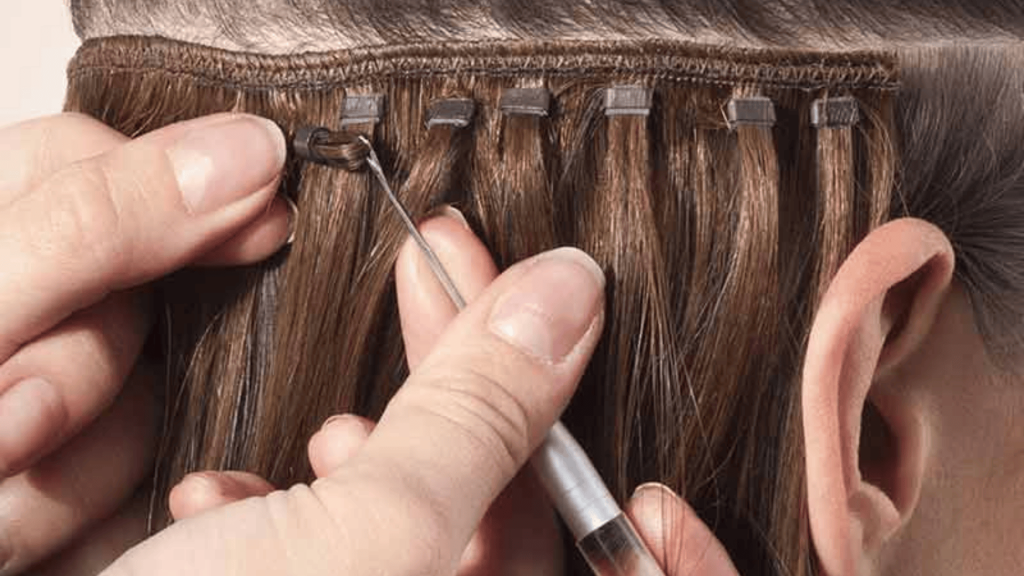
This method involves braiding the natural hair into cornrows and sewing wefts into the braids with a needle and thread. Best suited for thick or coarse hair due to the tension and weight involved.
Pros: Long-lasting, great for thick hair
Cons: Can be heavy, potential scalp tension
4. Fusion (Bonded) Hair Extensions
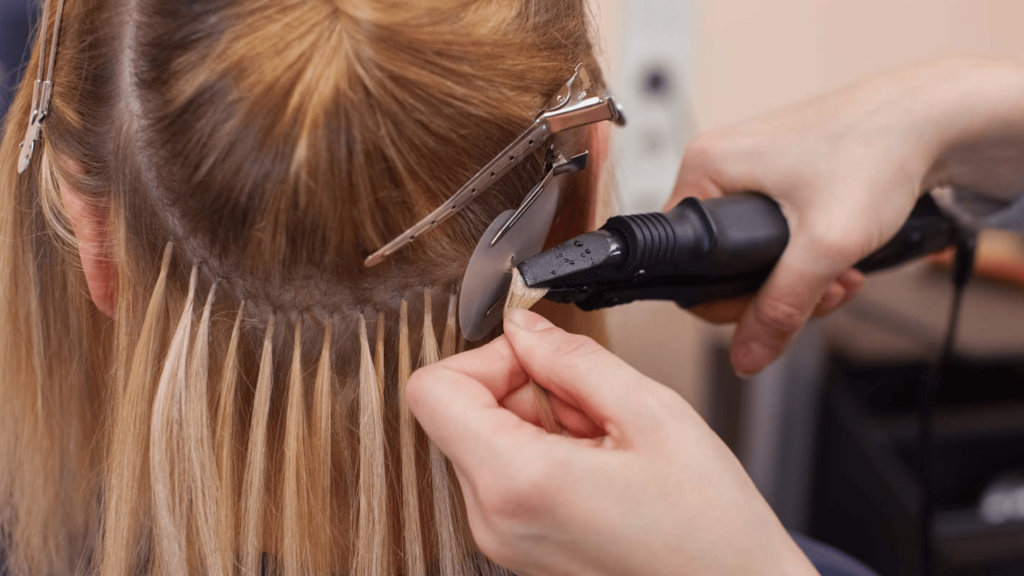
Keratin bonds are melted and fused to individual strands of natural hair using a heat tool. This method delivers a very natural appearance and can last several months with proper care.
Pros: Long-lasting, natural blend
Cons: Time-consuming application, expensive, heat may damage hair
5. Micro-Link (I-Tip) Hair Extensions
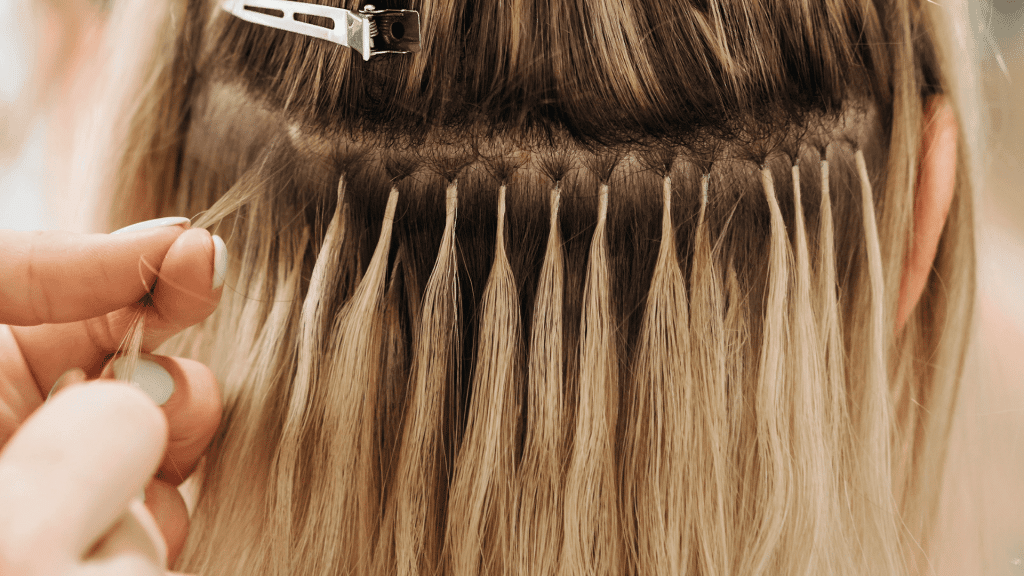
Small sections of hair are attached using a bead or ring that clamps the extension to the natural hair. This method doesn’t require heat or glue and allows for some movement and flexibility.
Pros: No heat or glue, reusable strands
Cons: Can slip, requires professional maintenance
6. Halo Hair Extensions
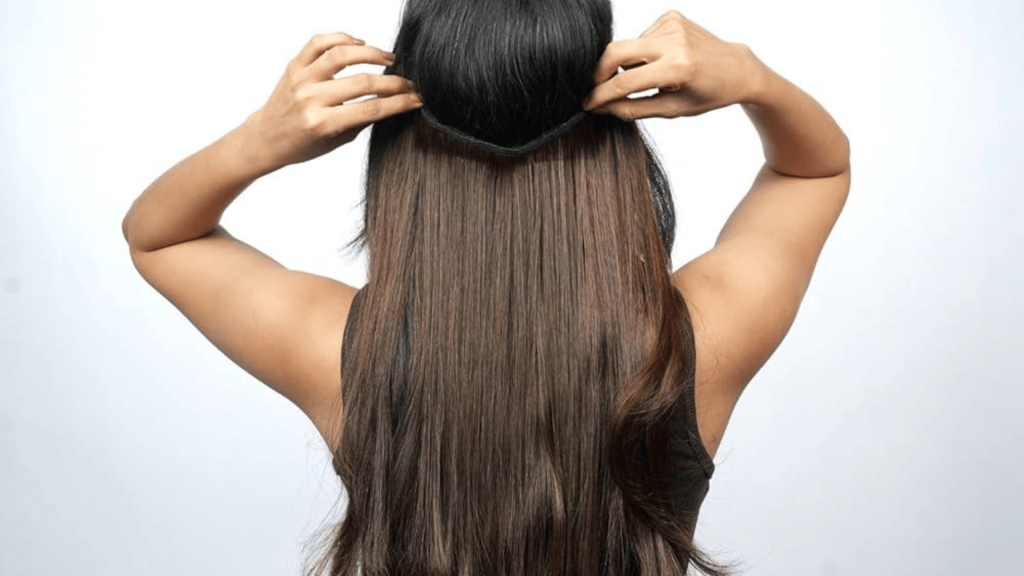
A single weft of hair attached to a transparent wire sits on the crown of the head like a halo. It blends with natural hair and is removed just as easily, without clips or adhesives.
Pros: Easiest to wear, no damage, no commitment
Cons: Not secure for active lifestyles
7. Wigs and Hairpieces (Bonus Method)
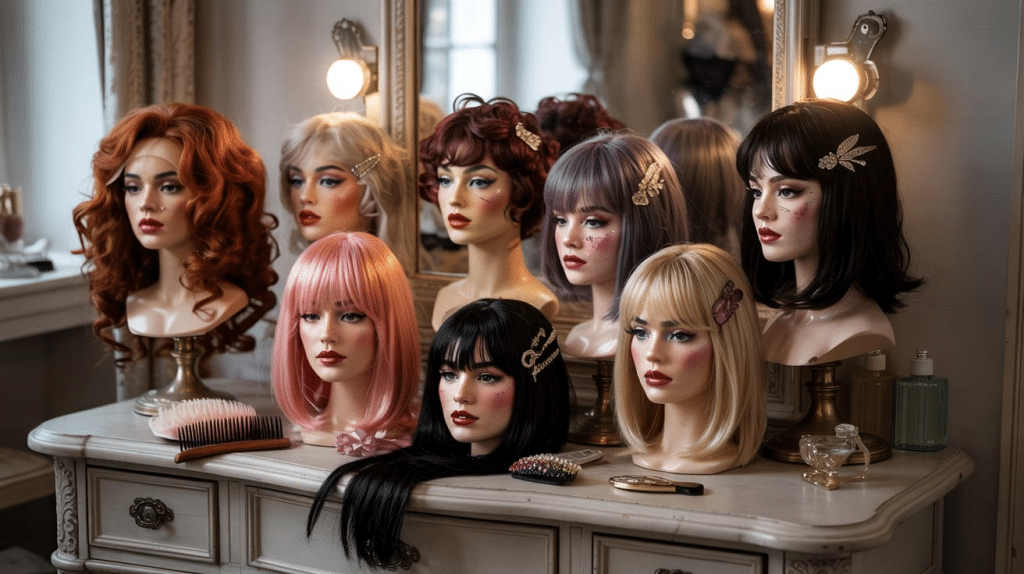
Used when full coverage or a drastic change is needed, wigs and hairpieces come in both synthetic and human hair options. They are ideal for medical hair loss or fashion versatility.
Pros: Instant volume or coverage, customizable styles
Cons: May feel hot, requires proper care for longevity
Comparison Table: Hair Extension Types at a Glance
Choosing the right hair extension method depends on how long you want them to last, how much time you’re willing to spend on application, and how they may impact your natural hair.
Below is a simple comparison to help you decide which option fits your needs best.
| METHOD | DURATION | APPLICATION TIME | DAMAGE RISK | BEST FOR |
|---|---|---|---|---|
| Clip-In | Temporary | 5–10 min | Low | Beginners, Events |
| Tape-In | 4–8 weeks | 1 hr | Moderate | Medium Hair |
| Sew-In | 6–8 weeks | 2–4 hrs | Moderate–High | Thick, Coarse Hair |
| Fusion | 3–6 months | 3–6 hrs | High | Long-Term Wear |
| Micro-Link | 3–4 months | 2–4 hrs | Moderate | All Hair Types |
| Halo | Temporary | 1 min | None | Occasional Use |
This table offers a quick overview, but individual results vary based on hair type, daily habits, and aftercare. A professional consultation can help tailor the best method for your specific needs.
Choosing the Right Hair Extension Method for You
Finding the ideal hair extension method requires more than just picking a look you love-it’s about understanding your hair’s needs, your lifestyle, and how much maintenance you’re willing to commit to. Here’s what to keep in mind when making your decision:
Hair Type, Budget, and Styling Goals: Fine or thin hair may do better with tape-ins, while thick hair can handle sew-ins or microlinks. Your budget will also play a big role, as some methods are more cost-effective upfront while others last longer. Consider your daily routine and how often you like to style your hair.
Consulting a Professional: Always speak to a licensed stylist. They can assess your hair’s condition and recommend the safest and most flattering option.
Maintenance Tips Per Method: Tape-ins usually require repositioning every 6–8 weeks, sew-ins need tightening, and fusion extensions demand heat protection and gentle handling. Proper care ensures longevity and keeps your natural hair healthy.
Choosing the right method can boost your confidence and style-but only when it fits your hair’s unique needs. Take your time, do the research, and never skip the expert advice.
Wrapping It Up
Probing the many types of hair extension methods allows you to choose a solution that aligns with your personal needs and beauty goals.
Each method-whether clip-in, tape-in, sew-in, or fusion-offers unique advantages and limitations, depending on your hair type and maintenance routine.
By understanding the key differences and consulting a professional stylist, you can achieve the look you desire while keeping your natural hair healthy and protected.
With the right choice, hair extensions can be a beautiful, confidence-boosting investment.