
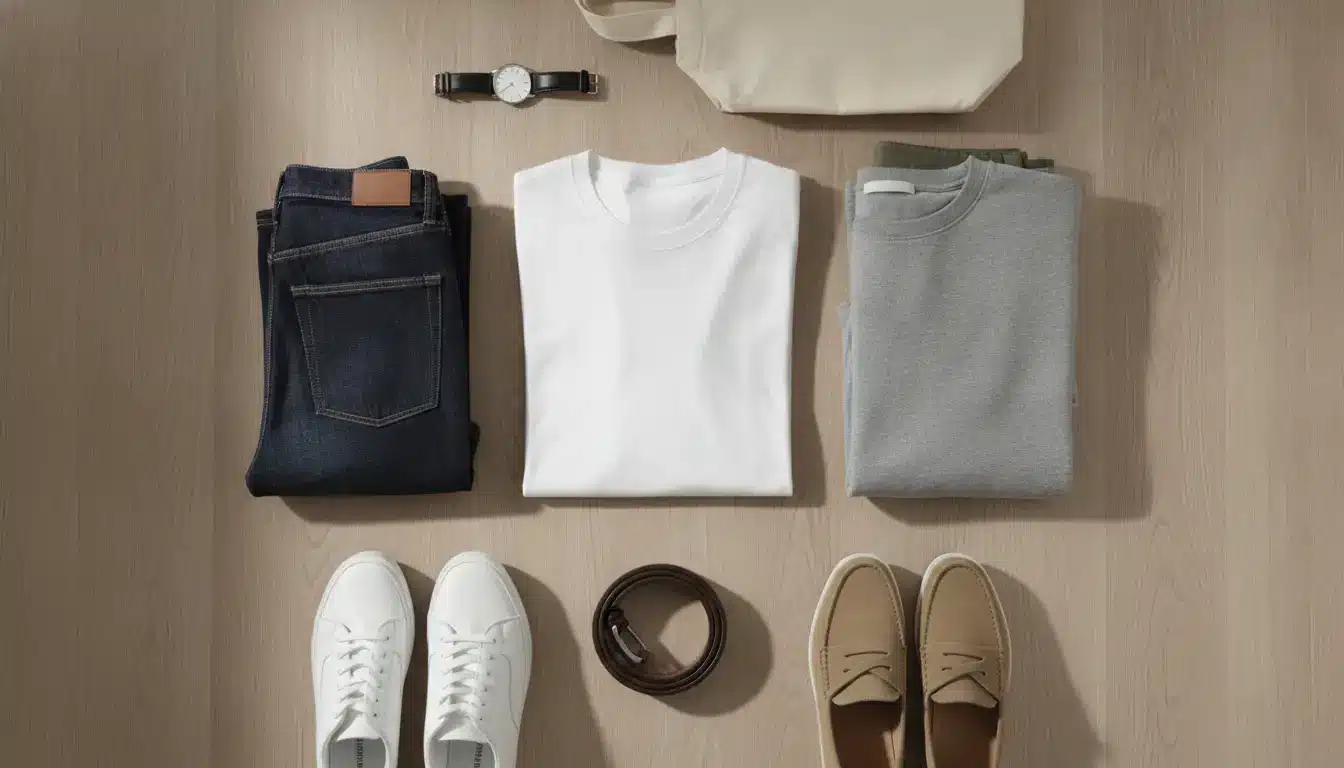
Most people open their closet every morning and stare at a wall of fabric, only to grab the same five things. A well-planned casual wardrobe fixes that. When the pieces you own actually work together, getting dressed stops being a chore.
Chasing trends is one of the fastest ways to end up with a closet full of things that no longer feel like you. Timeless, versatile pieces hold their value across seasons, across moods, and across occasions. The goal is not to own more, but to own better. A small collection of reliable essentials can produce dozens of outfit combinations without much effort at all.
Start with Quality Basics
The foundation of any casual wardrobe is a set of plain, well-fitting tops. According to the U.S. Bureau of Labor Statistics, household spending on women’s apparel averaged $655 in 2023, compared with $406 for men’s apparel, which shows just how much money flows into clothing every year. Putting that budget toward a few quality pieces beats spreading it thin across a rack of forgettable items.
Choose Neutral Colors First
White, black, navy, grey, and stone are the colors that pair with almost everything else in a closet. A plain white crew-neck tee, for example, works under a blazer, tucked into trousers, or worn loose with denim. Building around neutrals means individual pieces stop competing with each other and start working as a system. Simple, but it changes everything.
Prioritize Fit Over Labels
A well-fitted basic from a mid-range brand will always look sharper than an expensive piece that hangs wrong. The shoulder seam should sit at the edge of the shoulder, the body should skim without pulling, and the hem should land at the right point for the intended silhouette. These small details make the difference between looking intentional and looking like you grabbed something off the floor.
Pick Fabrics That Last
Cotton jersey, cotton-modal blends, and lightweight French terry hold their shape through regular washing. Fabrics that pill quickly or lose structure after a few wears are not worth the shelf space, regardless of the price tag.
Invest in Denim That Fits Well
A dependable pair of jeans is one of the hardest-working items a closet can hold. The right pair moves from a casual Saturday errand run to dinner out without missing a beat.
Dark indigo and raw denim read as cleaner and more polished, making them the better pick for smart-casual settings. Mid-wash blue is the most versatile, sitting comfortably across most casual situations. Light washes and distressed styles lean more relaxed and work well for weekends or outdoor settings.
The four most useful cuts are straight-leg, slim, relaxed, and wide-leg. Straight-leg is the most universally flattering and pairs well with almost any top. Slim cuts work well with chunkier footwear to balance proportions. Relaxed and wide-leg options pair best with a fitted or tucked-in top to avoid looking shapeless.
Jeans with a plain tee and white sneakers is a complete outfit. Add a structured overshirt or a leather belt and the look shifts up a notch. The beauty of a good pair of jeans is that they require almost no thought to style well.
Add Personality with Comfortable Layers
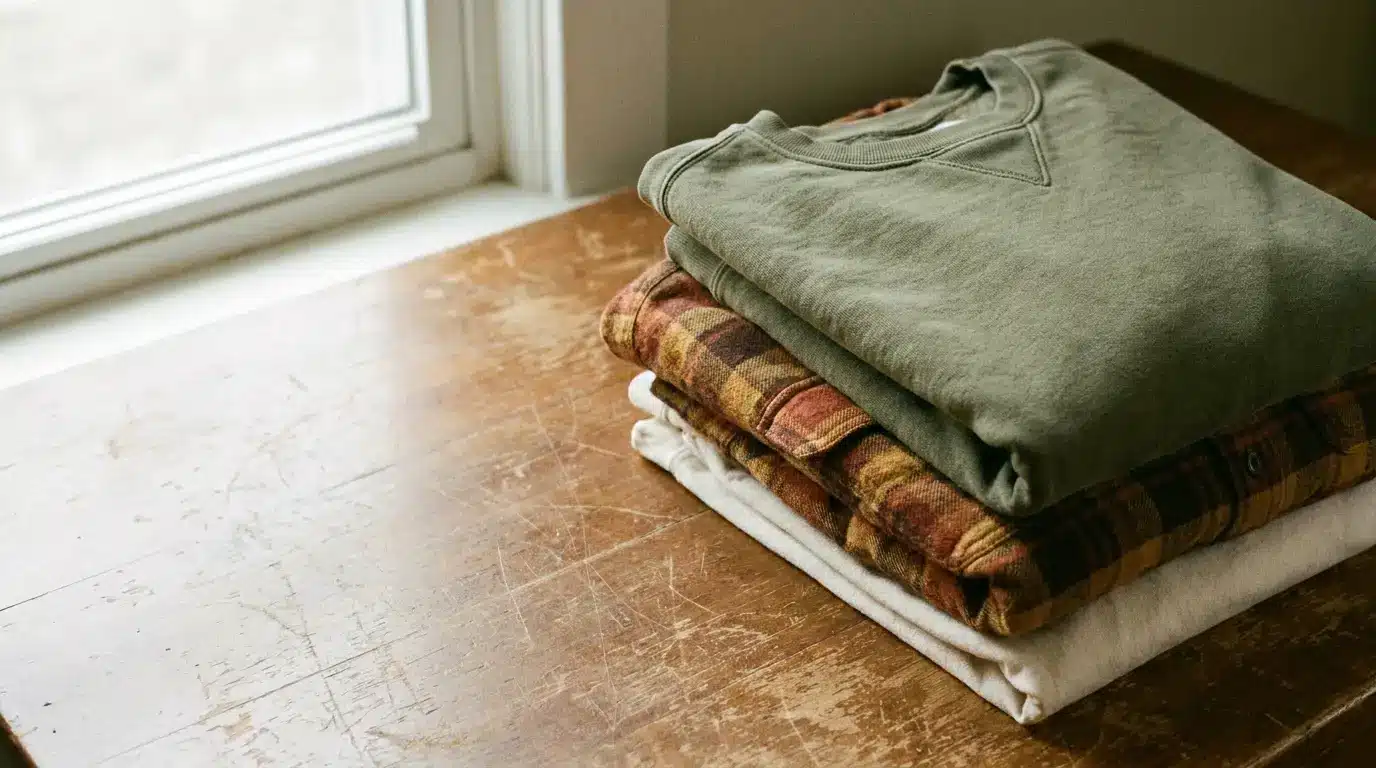
Layering is what separates a basic outfit from one that actually looks considered. A jacket, a flannel, or a well-chosen sweatshirt can shift the entire tone of what is underneath without adding complexity.
One of the most practical ways to bring personality into a casual wardrobe is through customized sweatshirts. A graphic or design that references a favorite band, a meaningful place, a running club, or a personal inside joke turns a basic layer into something that actually feels like yours. Personalized pieces carry a sense of ownership that generic retail items rarely do.
The key to wearing a printed or graphic sweatshirt well is contrast in the rest of the outfit. Keep the bottoms clean and simple: straight-leg jeans, tailored joggers, or even a midi skirt all work. Avoid competing graphics or patterns elsewhere. Let the sweatshirt be the focal point and build around it with solid, neutral pieces.
Comfortable Pants Beyond Denim
Rotating different types of bottoms throughout the week keeps a casual wardrobe from feeling repetitive.
- Chinos in khaki, olive, or navy offer a polished casual look that works for most settings short of formal ones. They pair well with both sneakers and loafers.
- Joggers in structured fabrics like ponte or heavy jersey read as intentional rather than sloppy. Avoid overly baggy styles with elastic ankles if the goal is a cleaner silhouette.
- Linen trousers are the warm-weather answer to everything. They breathe well, drape nicely, and look effortlessly relaxed in a way that denim often cannot in summer heat.
- Rotating across the week means no single item wears out too quickly, and the variety keeps daily dressing from becoming monotonous.
Shoes That Work with Almost Everything
Footwear has an outsized effect on how an outfit reads. The right pair pulls everything together. The wrong pair undermines even a well-chosen set of clothes.
White Sneakers
A clean pair of white leather or canvas sneakers is one of the most reliable items in casual dressing. They work with jeans, chinos, shorts, and even relaxed trousers. Keeping them clean is the only real maintenance required, and it pays off every time.
Loafers
Loafers occupy the smart-casual space that sneakers cannot always reach. A pair in tan suede or black leather elevates a simple outfit without requiring much effort. They work particularly well with chinos or tailored trousers when the occasion calls for something slightly more put-together.
Boots
Chelsea boots and simple leather lace-ups are the go-to for cooler months. They add structure and weight to an outfit, which is especially useful when layering heavier pieces on top.
Accessories That Tie Everything Together
Clothing use has decreased significantly over recent years, and research tracking wardrobe habits shows that 40% of consumers admit to buying clothes they never wear. Accessories are one area where that pattern is especially common. A drawer full of unused scarves and novelty hats adds clutter without adding value. A few well-chosen pieces do far more.
A quality leather belt in brown or black handles most situations and ties a waistline together in a way that nothing else does. A simple watch, even a modest one, adds a finished quality to any outfit. For jewelry, one or two pieces worn consistently tend to read better than a handful worn all at once.
An everyday bag in canvas or leather that holds what you need without looking overloaded is worth the investment. A structured tote, a simple backpack, or a crossbody in a neutral tone rounds out a casual outfit without drawing attention away from it.
Hats and sunglasses earn their place when chosen to complement rather than dominate. A well-fitted baseball cap or a structured bucket hat in a neutral shade works across most casual settings. And sunglasses with a frame shape that suits the face are the kind of detail people notice without knowing why.
Where to Start
Building a casual wardrobe does not happen in a single shopping trip, and it should not. Adding one or two quality pieces at a time, replacing worn-out items with better versions, and editing out things that no longer get worn is a sustainable approach that produces a closet that actually works.
The pieces covered here are the framework. Everything else is personal. A wardrobe that reflects both comfort and individual style makes getting dressed in the morning something to look forward to rather than something to get through.