
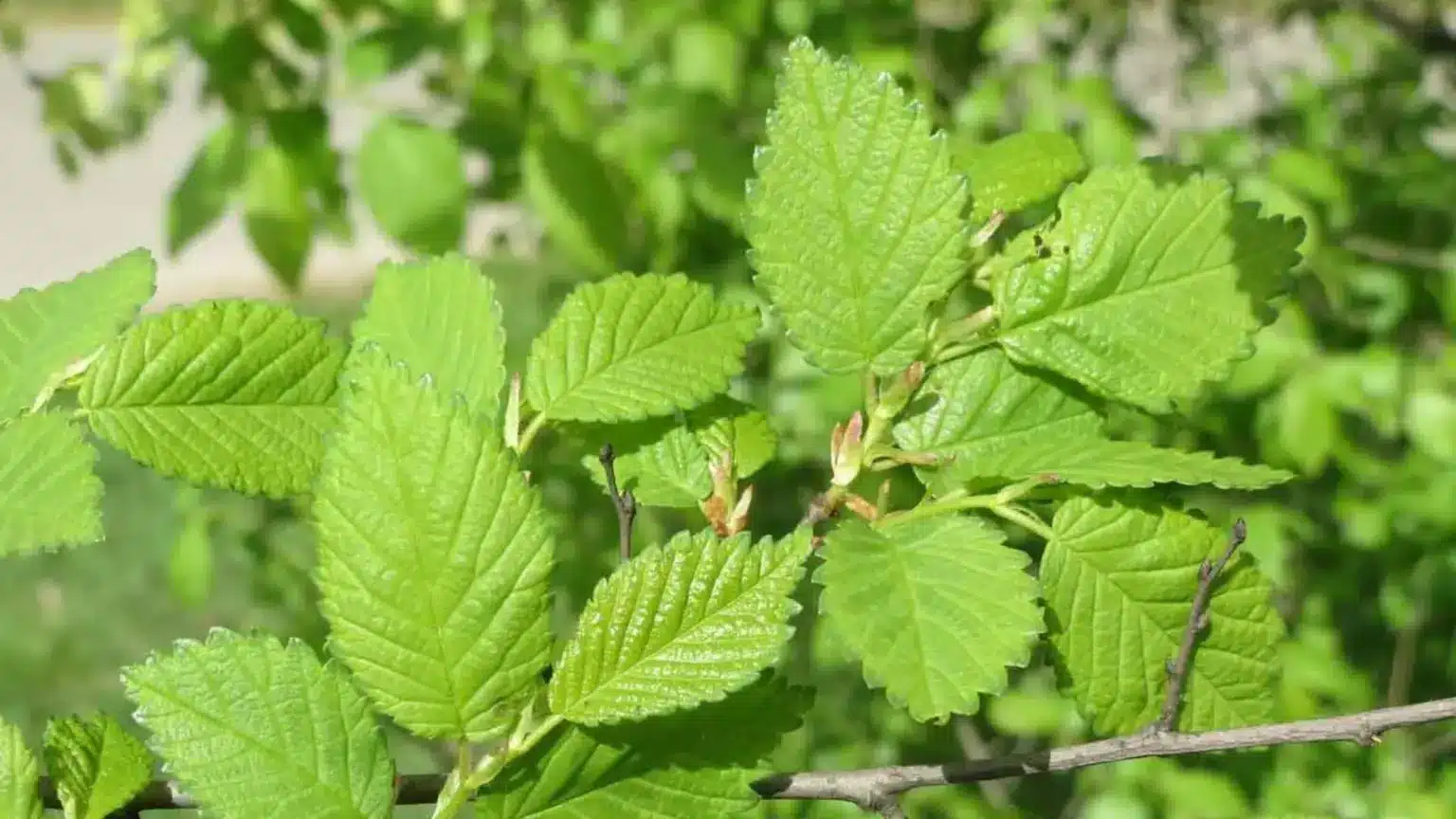
Slippery elm has earned a spot in many natural medicine cabinets. This inner bark from the elm tree has been used for generations.
Women, in particular, often turn to it for everyday comfort and relief.
The benefits of slippery elm for women go beyond a soothing cup of tea. This post breaks down what slippery elm does for women and men.
What is Slippery Elm?
Slippery elm is a tree that grows across the eastern and central United States and parts of Canada. Its scientific name is Ulmus rubra, though it is also called red elm, gray elm, or Indian elm.
The useful part is the inner bark, which sits under the rough outer layer. That bark holds a substance called mucilage.
When mucilage mixes with water, it turns into a soft gel. This gel is what gives the tree its “slippery” name and its soothing reputation.
For centuries, Native Americans used the bark to treat wounds, sore throats, and stomach trouble. Today, you can still find it as tea, powder, capsules, and lozenges.
Slippery Elm Benefits For Women
Once you look past the gut and throat, the benefits of slippery elm stretch a little further for women.
Below are a couple of uses:
1. Relieves Vaginal Dryness
Slippery elm’s mucilage creates a soothing gel that coats and hydrates vaginal tissues, reducing irritation and discomfort.
It is especially helpful for women in perimenopause and menopause experiencing thinning tissues and dryness.
This natural support improves daily comfort and intimacy without added hormones.
2. Calms Urinary Tract Irritation
Women get UTIs and bladder trouble more often than men do. The mucilage may coat and soothe the lining of the urinary tract.
It will not clear an infection, but it may ease the burning and irritation while things settle.
3. Helps with Hemorrhoids
Common during pregnancy, postpartum, or menopause, hemorrhoids cause discomfort.
Slippery elm’s soothing properties ease inflammation and support tissue healing with its hydrating mucilage, providing natural relief for women dealing with this sensitive condition.
4. Nourishes Mucosal Tissues
Rich in polysaccharides and minerals, slippery elm nourishes and repairs mucous membranes.
For women, this strengthens vaginal and urinary tract tissues, countering dryness and irritation from declining estrogen and supporting overall intimate health.
5. Increases Intimate Comfort
Slippery elm reduces dryness-related pain and irritation, improving sexual wellness.
Women report greater comfort during intimacy thanks to its lubricating and soothing effects that work gently with the body’s natural processes.
6. Eases Menstrual Cramps
Its calming, anti-inflammatory nature may take some sting out of period pain.
Some women find it settles the cramping that comes with monthly cycles. It works quietly, so think mild relief rather than a strong painkiller.
How Slippery Elm Can Help You?
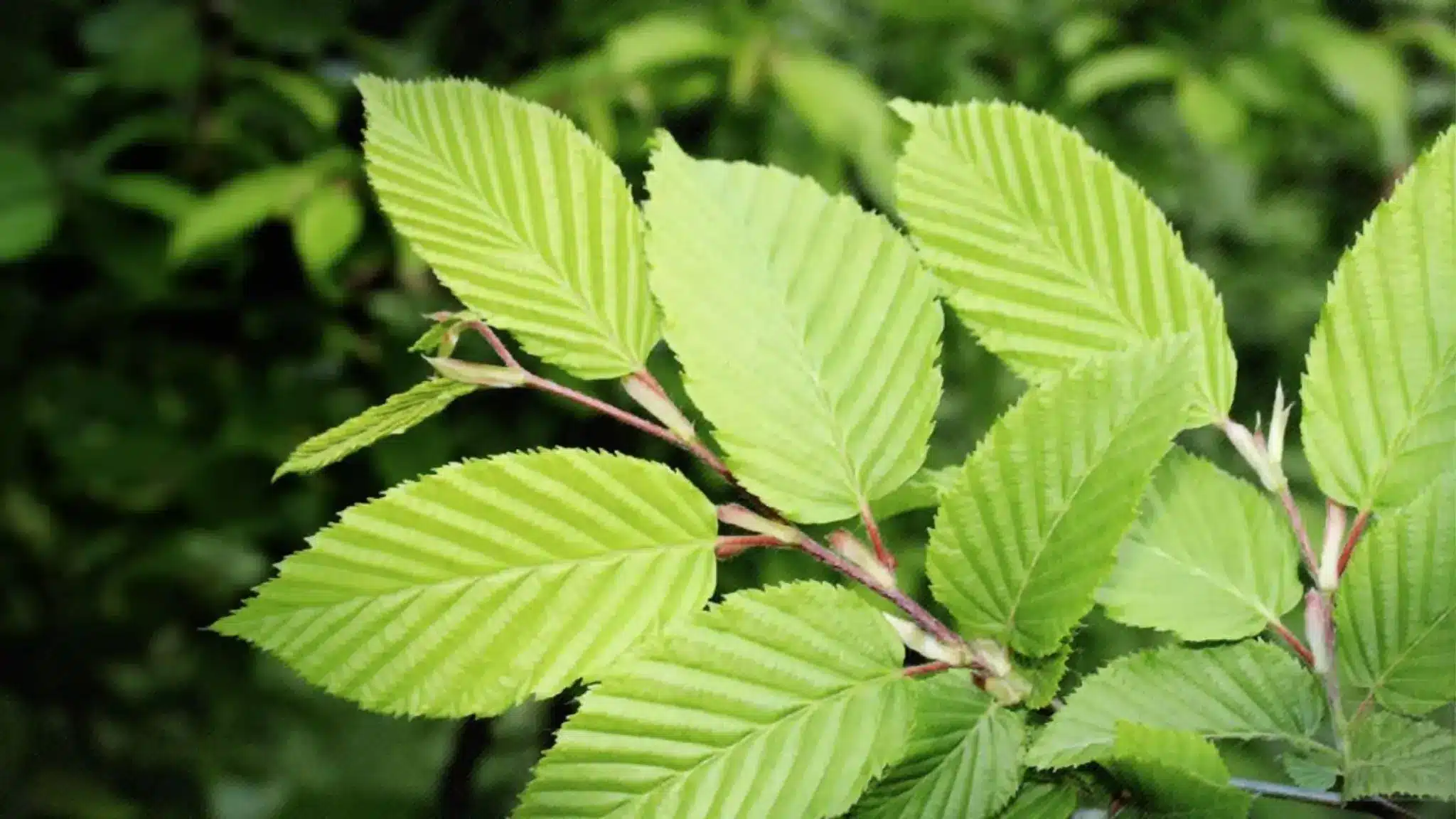
There are various slippery elm benefits, including gentle support for digestion, throat comfort, bowel ease, and relief from irritation.
A few of them are mentioned below:
Eases Digestive Trouble
Slippery elm contains mucilage, a gel-like substance that may coat the digestive tract. This soothing layer may help with occasional stomach upset, heartburn-like discomfort, gas, and bowel irritation.
It is not a cure for IBS or digestive disease, but many people use it for gentle gut comfort.
Soothes a Sore Throat
When cold season hits, that same gel coats a raw, irritated throat. It can take the edge off the scratchiness and calm the ache that comes with it.
The gel works like a soft layer over the sore spots. Many people keep lozenges on hand for exactly this.
Helps Calm a Dry Cough
Slippery elm may help when a cough feels dry, scratchy, or irritating. When it is mixed with water, it forms a gel-like layer that coats the throat.
This may make the throat feel less raw and reduce the urge to cough. However, it does not treat the real cause of a cold, flu, allergy, or infection.
Supports Skin Comfort
Slippery elm has been used traditionally to soothe minor skin irritation. Its soft, gel-like texture may feel calming on dry, rough, or irritated skin.
Some people also use it for small sores or ulcers, but proof is limited. Since topical use may irritate certain skin types, it is best to patch-test first.
Supports Gentle Bowel Comfort
Because slippery elm has a fiber-like mucilage, it may help support smoother bowel movements for some people.
This can be useful for women who deal with occasional constipation or irregular digestion. You need to drink enough water when using it.
Soothes Irritated Skin
The same soothing quality that helps the gut can help the skin. It may calm irritation from conditions like eczema or psoriasis.
The mucilage forms a gentle layer over sore spots. This is why it shows up in balms, salves, and homemade poultices.
Offers a Small Nutrient Boost
Slippery elm contains antioxidants and minerals such as calcium, magnesium, and zinc.
These support overall wellness and the body’s own defenses. It is no meal replacement, but the little extras still count.
Steadies Digestion Through Hormone Shifts
Hormone changes can throw digestion off, from PMS to perimenopause. Bloating, cramps, and an unsettled stomach often tag along.
The soft gel coats and calms the gut when those shifts stir up trouble. For many women, that steadier feeling is the whole appeal.
How to Use Slippery Elm Safely?
Slippery elm is gentle for most healthy adults, but a little care goes a long way.
- Begin with a low dose and give your body time to adjust. You can build up slowly from there once you know how it sits with you.
- Drink plenty of water with it. The powder swells as it absorbs liquid, so the fluid keeps things moving safely.
- Space it out from your medicine. Take it at least two hours apart from other pills, since the gel can slow how your body absorbs them.
- Skip it during pregnancy and breastfeeding. Traditional sources warn that it may affect the uterus, so this one is best avoided.
- Read the label and talk to your doctor. Supplements are not tightly regulated, so a quick check is smart.
None of this is hard to follow, and it keeps things simple. Stick to the basics, listen to your body, and check with a doctor if anything feels off.
How Long Does It Take Slippery Elm to Work?
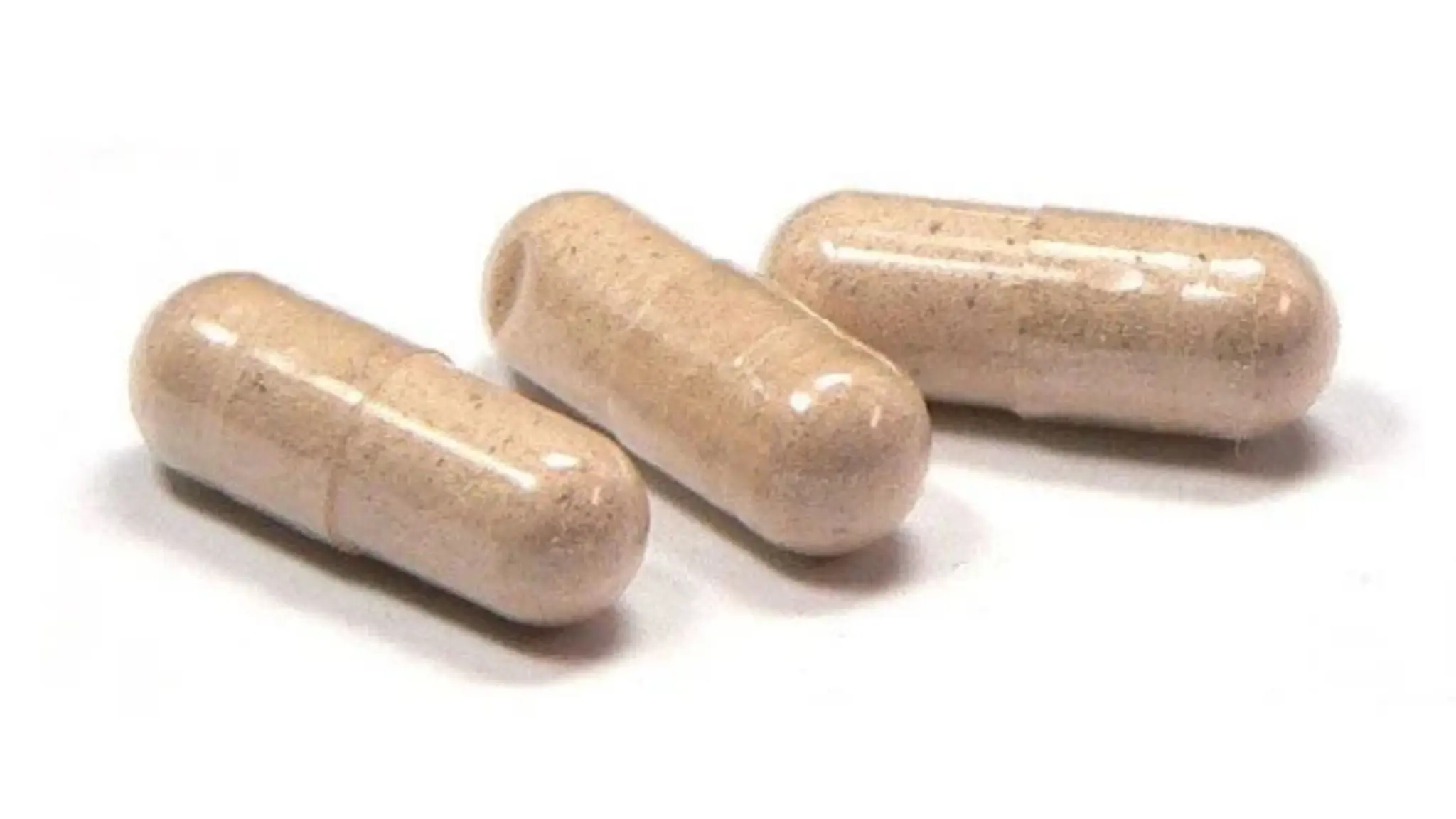
There is no single answer here, since it really depends on what you are using it for. Some relief tends to come fairly fast.
For a sore throat, the effect is often quick. The gel coats the raw tissue almost right away, so many women feel soothed within minutes. This is why lozenges and warm tea feel so nice mid-cold.
Digestion takes a bit longer. You might notice a little calm within the first hour, since the gel coats the gut soon after you take it.
But steady relief from ongoing trouble usually takes a few days of regular use, sometimes a couple of weeks. Here, consistency matters more than a single dose.
It’s better to take it at the same time each day so you can tell whether it is truly helping.
Slippery Elm vs Marshmallow Root
These two herbs are often compared, and it makes sense. Both are demulcents, so both turn into that soothing gel in water.
| Feature | Slippery Elm | Marshmallow Root |
| Plant source | Inner bark of Ulmus rubra, a North American tree | Root of Althaea officinalis, native to Europe, Asia, and North Africa |
| Main active part | Mucilage from the inner bark | Mucilage from the root |
| Gel texture | Thicker, more food-like | More fluid and slick |
| Best suited for | Diarrhea, constipation, reflux, and stomach lining | GERD, IBS, and inflammation-linked discomfort |
So the choice really comes down to what you need on a given day.
Reach for slippery elm when the trouble is loose stools or a raw, upset stomach. Its thicker gel and mild astringent touch suit that job well.
Marshmallow root leans more toward inflammation and IBS-type days. Plenty of women just keep both around and pick whichever one fits.
Final Thoughts
At the end of the day, the slippery elm benefits for women come down to gentle, everyday comfort. It simply soothes, whether the trouble sits in the gut, the throat, or somewhere more personal.
That quiet, low-risk help is exactly why it has stuck around for so long. It asks very little and gives a small, steady hand in return.
Anyone curious about it can start small, drink plenty of water, and check with a doctor first.
From there, a simple cup of tea or a capsule is an easy place to begin. Sometimes the gentlest options are the ones worth keeping.
Frequently Asked Questions (FAQs)
1. Can Slippery Elm Help With Digestion?
Yes, many women use it for just that. The gel coats the gut and can settle heartburn, IBS symptoms, and general stomach upset.
2. Is it Safe to Take Slippery Elm Every Day?
Short stretches are usually fine, but many herbalists suggest a break every few weeks since long-term use is not well studied.
3. What Should You Not Mix With Slippery Elm?
Keep it away from your oral medicines. The gel can slow the rate at which your body absorbs them, so space them out by 2 hours.
4. Who Should Avoid Slippery Elm?
Pregnant and breastfeeding women, anyone allergic to elm pollen, and people on regular oral medicines.