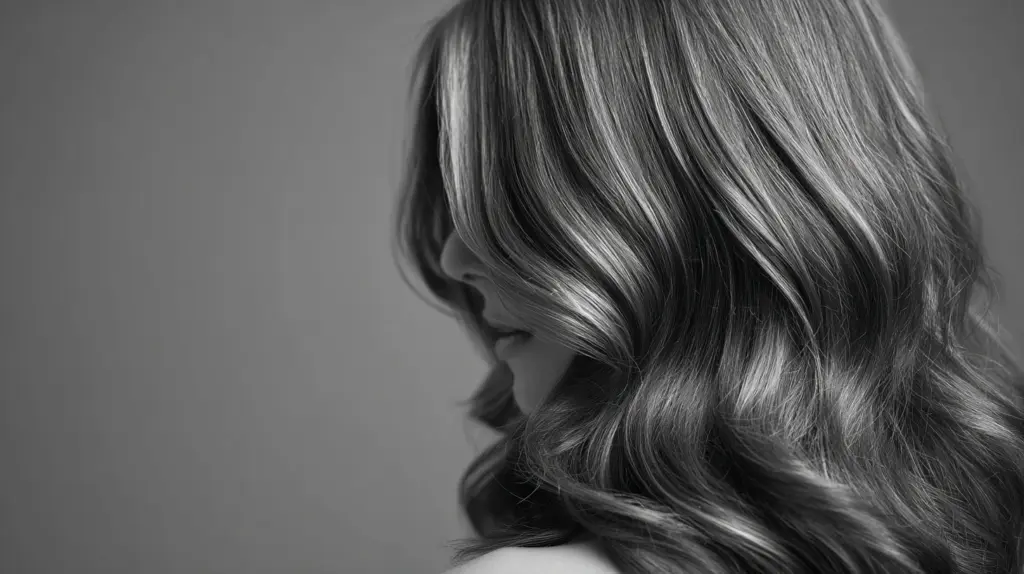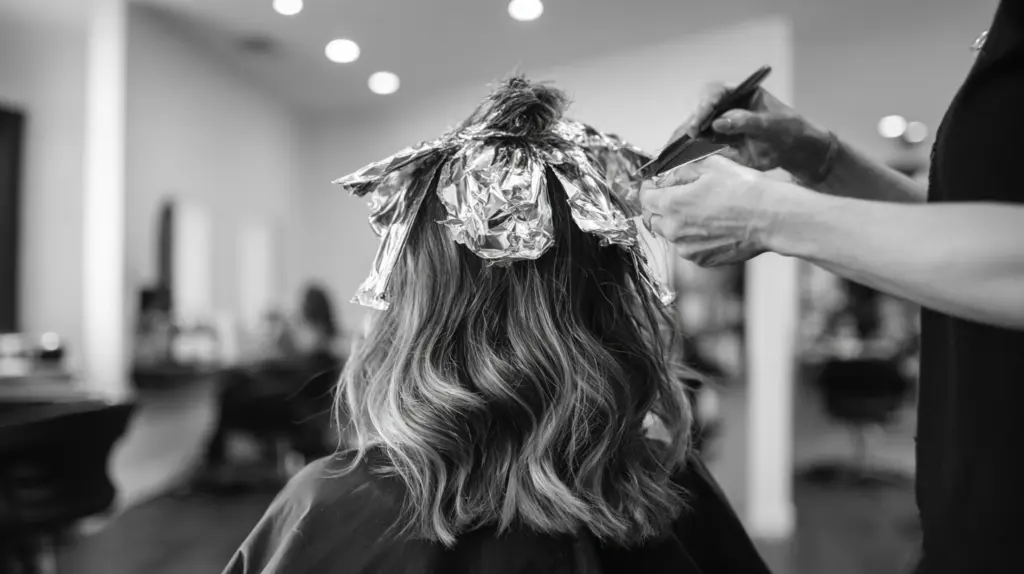

Three inches of foil on my head. Forty minutes under the dryer. And the result? Wrong colour entirely.
I picked highlights the way most people do: I scrolled through photos, pointed at one, and said, that one.
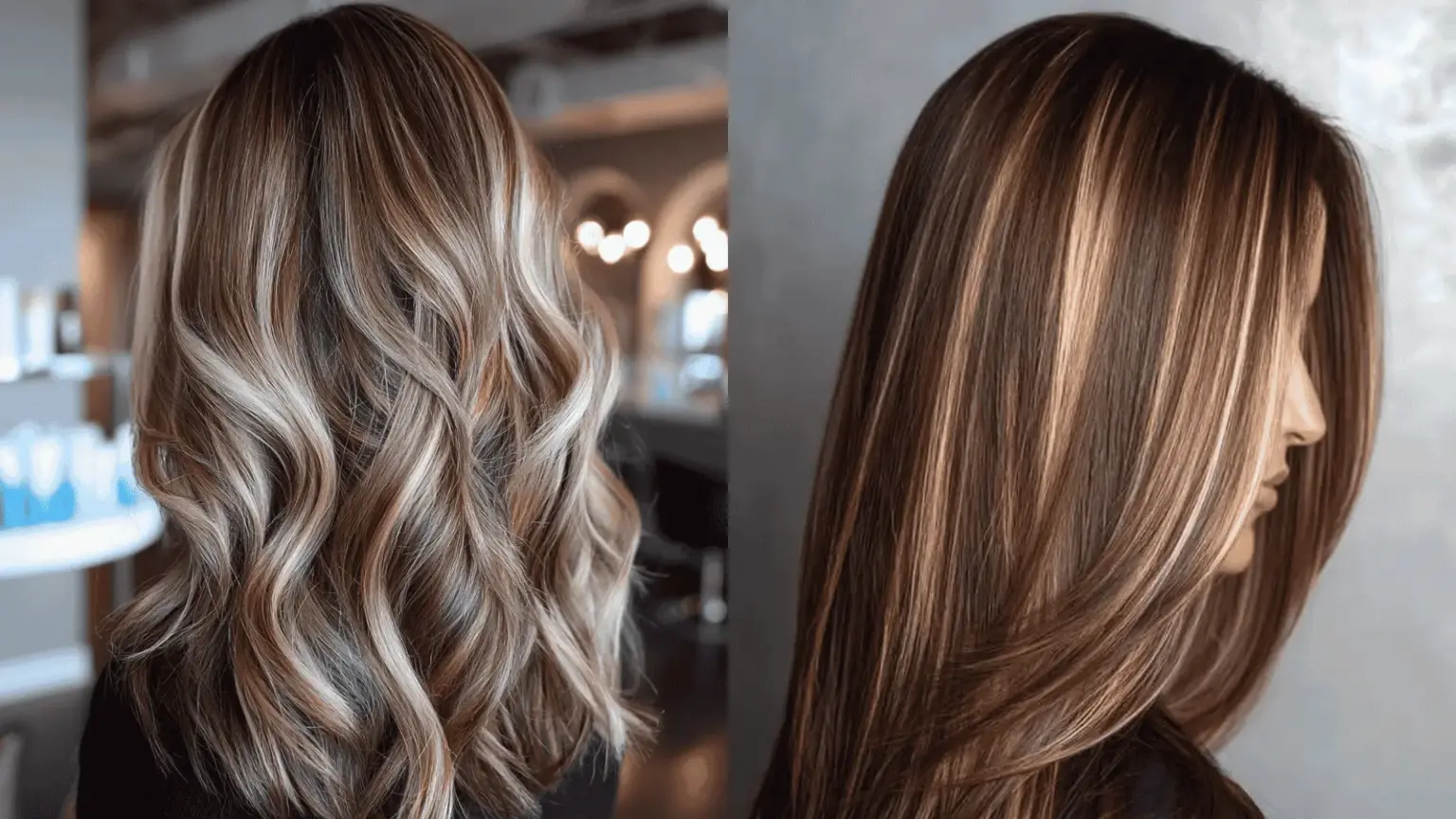
I’d even looked at before-and-after pictures of brown hair with silver highlights to get inspired.
What I didn’t know was that brown hair reacts differently to silver and gold.
The shade that suited someone else made my skin look sallow and my hair flat. It’s about finding the right shade for your brown.
Get it right, and your hair looks lively. Get it wrong, and even a salon blowout won’t help.
This blog gathers everything I wish I had known before I picked the wrong highlight color.
Overview of Brown Hair Undertones
Brown hair isn’t just brown. It carries undertones of heat, coolness, or neutrality.
Warm brown hair has red, orange, or golden undertones. Cool brown hair leans more ashy or grey. Neutral brown sits somewhere in the middle. These undertones decide everything.
They affect how highlights catch the light and how they sit against your skin.
Before you pick a highlight colour, you need to know what your brown hair is actually made of.
What Flatters Brown the Most?
The secret to getting highlights right on brown hair is knowing your undertone – both in your hair and your skin.
If your brown hair has warm tones, gold highlights are your best friend. They add heat and depth, especially if your hair has been looking a little flat or dull lately.
Cool brown hair, on the other hand, pairs really well with silver or ash highlights. They sharpen your tone without making things look grey or washed out.
Got neutral brown hair? You are in a good spot. You can pull off both gold and silver highlights (it really just comes down to your skin’s undertone).
And that part matters more than most people realise.
Your skin tone plays just as big a role in what looks good as your actual hair colour does.
So before you pick a shade, take a moment to look at both.
Silver or Gold Highlights: Key Differences
Both the highlights work very differently on brown hair.
| Feature | Silver Highlights | Gold Highlights |
|---|---|---|
| Tone | Cool, ashy | Hot, rich |
| Best for | Cool brown hair | Hot brown hair |
| Effect on skin | Brightens fair/cool skin | Heats up olive/medium skin |
| Hair contrast | Sharp, striking | Soft, blended |
| Overall look | Bold, modern | Natural, sun-kissed |
| Maintenance | Higher shows roots faster | Lower grows out naturally |
What are Silver Highlights?
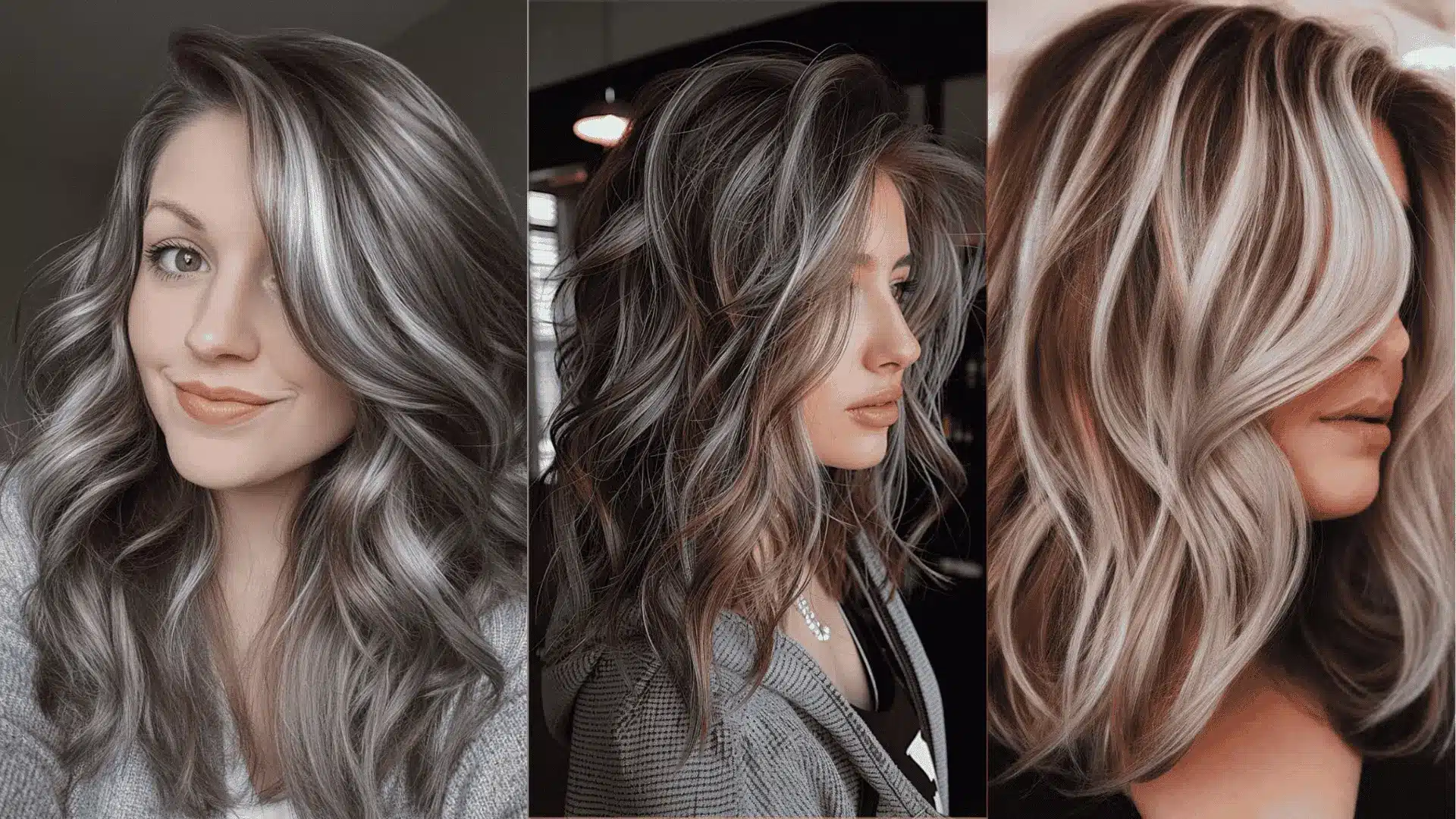
Silver highlights are cool-toned strands that add an ashy, smoky contrast to your hair. They only shine when matched to the best skin tones on brown hair.
How Silver Highlights Look on Brown Hair?
Silver highlights give brown hair a sharp shine. They create an ashy, smoky effect that looks modern and bold. Against brown hair, the contrast is strong.
It makes your hair look multi-dimensional without going too warm or golden.
Best Brown Shades for Silver Highlights
- Dark brown: The contrast hits harder, making silver strands pop.
- Ash brown: Silver blends naturally, giving a smooth, cool finish.
- Cool chocolate tones: Silver adds depth without clashing with the base.
Pros and Cons of Silver Highlights
| Pros | Cons |
|---|---|
| Looks bold and modern | Needs regular toning |
| Works well on cool brown tones | Can turn brassy without care |
| Adds sharp contrast | High maintenance |
| Suits fair and cool skin tones | Not ideal for warm brown hair |
What are Gold Highlights?
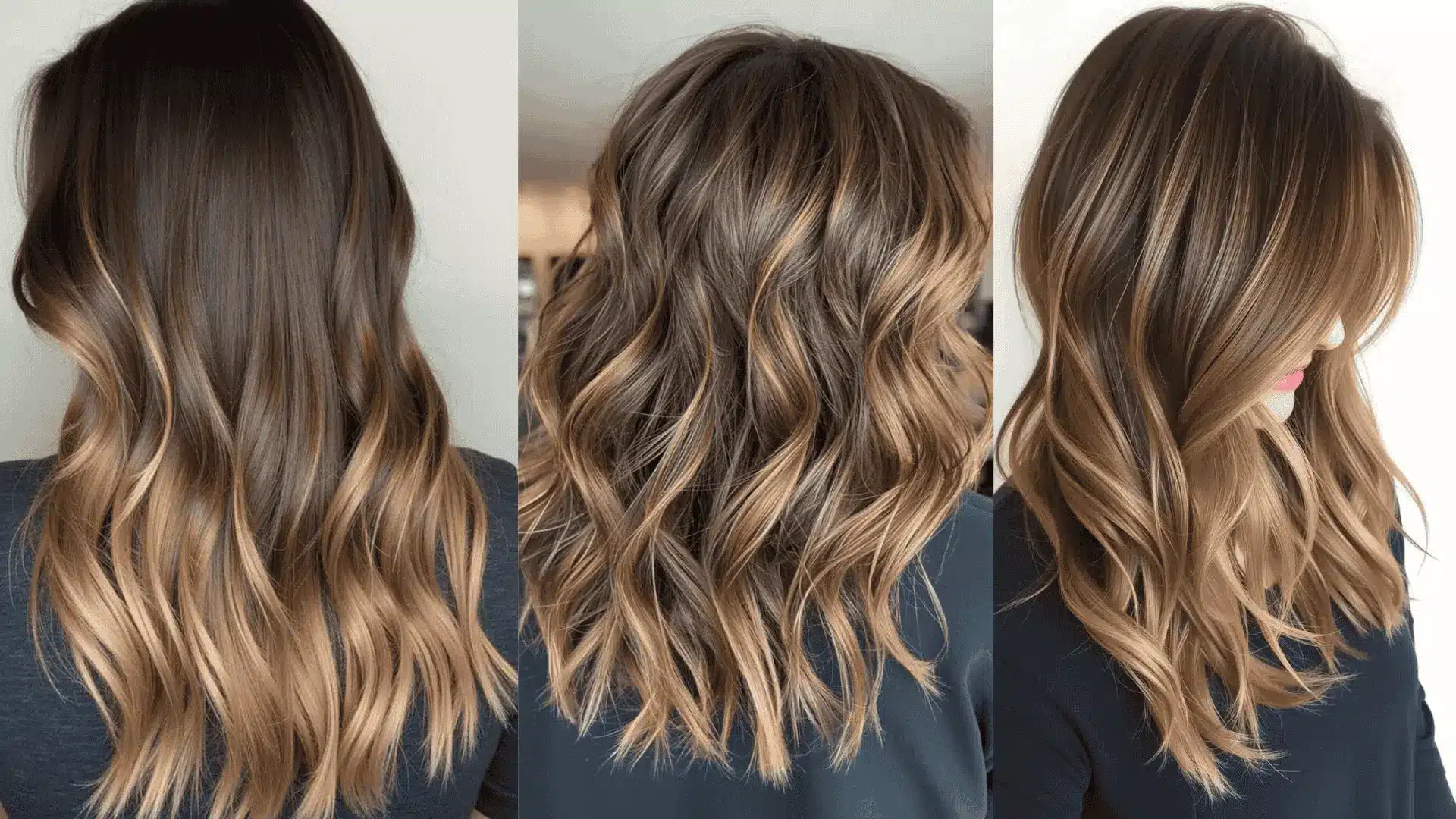
Gold highlights are friendly-toned strands that add a rich, sun-kissed glow to your hair.
How Gold Highlights Look on Brown Hair?
Gold highlights give brown hair a generous, natural glow.
They create a soft, sun-kissed finish that looks like your hair caught the light. The dimension they add is subtle.
It feels less like a colour job and more like your hair at its best.
Best Brown Shades for Gold Highlights:
- Medium brown: Gold blends in smoothly, adding heat without overpowering.
- Chestnut: Gold brings out the red and copper tones naturally.
- Warm chocolate tones: Gold deepens the richness and adds a soft shine.
Pros and Cons of Gold Highlights
| Pros | Cons |
|---|---|
| Adds natural heat and glow | Lower contrast than silver |
| Grows out gracefully | Can improve brassiness in some hair |
| Low maintenance | Not ideal for cool brown tones |
| Flatters warm and olive skin tones | May look too subtle on dark brown hair |
How to Know Which Works Best for Your Skin Tone
Your skin tone is the easiest way to figure this out.
Look at your wrist in natural light. If your veins look blue or purple, you have cool undertones, and silver highlights will suit you well. If they look green, you have warm undertones, and gold is your best pick.
If you see both, you’re neutral and can go either way. When in doubt, ask your stylist to do a strand test first.
Can You Mix Silver and Gold Highlights?
Yes, you can. When done right, it looks really good on brown hair.
Mixing silver and gold highlights adds both heat and cool contrast at the same time.
It gives your hair more depth than sticking to just one colour.
The trick is balance. Too much silver can overpower the heat. Too much gold can cancel out the cool tones.
Most stylists place gold highlights closer to the roots and silver towards the ends.
This keeps the look natural and well-blended. It works best on medium- to dark-brown hair. If your hair is very light or very ashy, mixing both can get tricky. Always get a professional to do this one.
Final Thoughts
Brown hair doesn’t have one solution.
The biggest mistake people make is picking a highlight colour based solely on trends.
What looks good on someone else may not work for you. Know your undertones. Talk to your stylist.
The right highlights won’t just change your hair, they’ll change how you feel walking out of that salon.
Frequently Asked Questions (FAQ’s)
1. What Color Complements Brown Hair the Most?
Gold and caramel tones complement brown hair the most naturally.
2. What Colors to Avoid with Brown Hair?
Avoid overly ashy or platinum tones on warm brown hair.
3. What is the 3 Color Rule?
Use three tones: base, mid, and highlight for depth.