
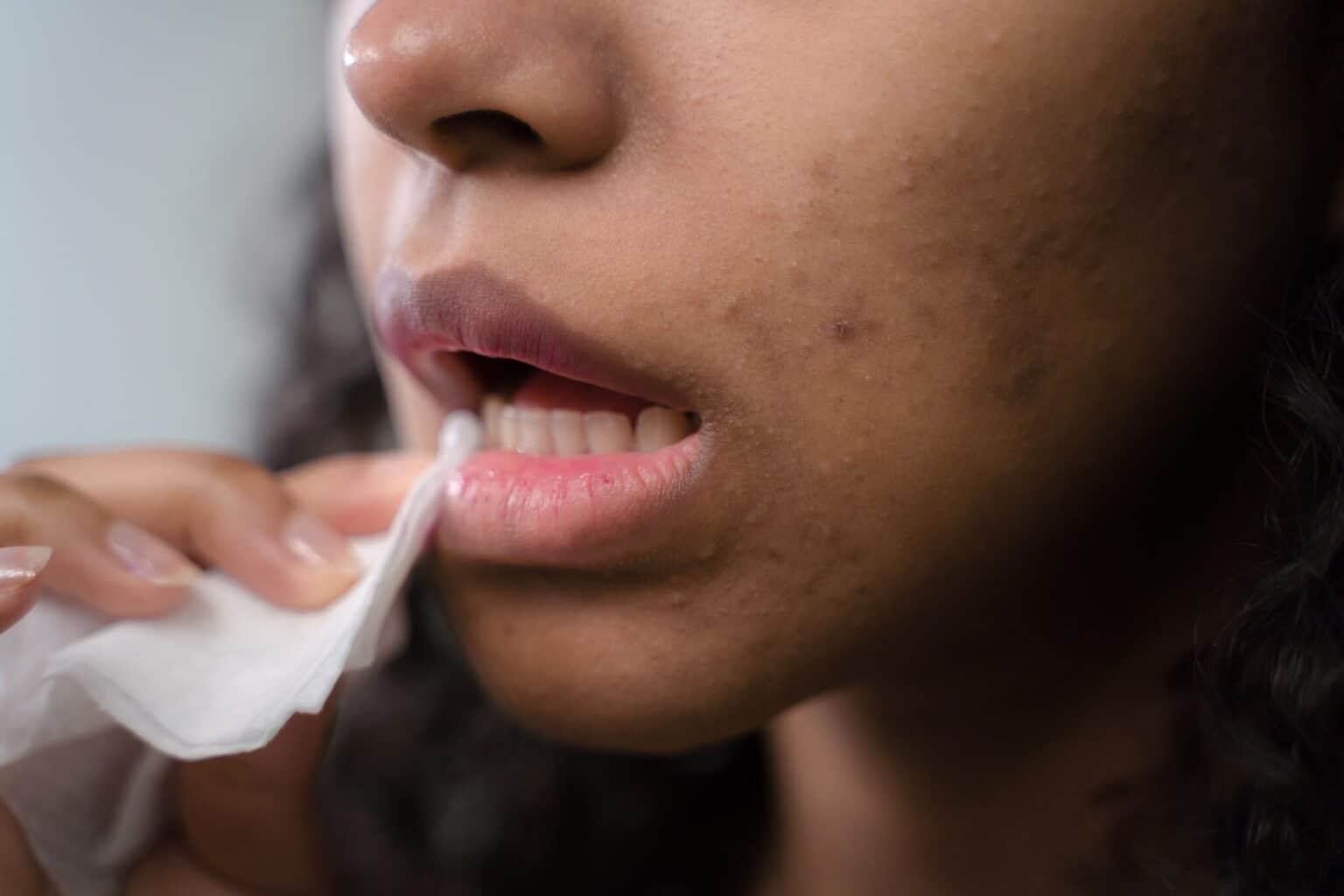
A breakout clears, but the mark it leaves behind can stick around far longer than the pimple itself. For many people, this is the most frustrating part of dealing with acne. The skin looks uneven, blotchy, or spotted even when there are no active blemishes. This is post-inflammatory hyperpigmentation, and it is one of the most common concerns that follows an acne flare-up.
Unlike textured acne scars, these flat discolored patches do not involve structural damage to the skin. They are, however, persistent. Getting to clearer, more even-toned skin usually takes a combination of patience, the right daily habits, and sometimes targeted professional care.
Why Acne Leaves Behind Dark Spots
When the skin experiences inflammation, it responds by producing melanin, the pigment responsible for skin color. During a breakout, that inflammatory response can trigger an overproduction of melanin in the affected area, leaving behind a flat, darkened patch once the pimple heals. This is post-inflammatory hyperpigmentation (PIH).
The reported prevalence of PIH in people with acne ranges between 45.5% and 87.2%, influenced by skin phototype, and in the majority of cases it takes over a year to fade. That is a wide range and it reflects just how variable the condition can be from person to person.
It is worth distinguishing PIH from textured acne scars. Textured scars involve actual changes to the skin’s surface structure, such as pitting or raised tissue but PIH is purely a pigment issue, and the surface of the skin remains smooth. That distinction matters because the two conditions respond to different treatments.
Not every breakout leaves a mark. Deeper, more inflamed lesions are more likely to trigger excess melanin production, while smaller, surface-level blemishes often resolve without any lasting discoloration. Genetics, skin tone, and how the breakout was handled all play a role in whether a spot lingers.
Factors That Can Make Hyperpigmentation Worse
Understanding what worsens PIH is just as important as knowing what helps it. Several common habits can deepen or extend discoloration:
- Picking or squeezing pimples. This increases inflammation and pushes it deeper into the skin, making the resulting mark darker and longer-lasting.
- Over-exfoliating or using harsh products. Aggressive scrubbing or high-concentration actives applied too frequently can irritate already-sensitive skin and trigger more pigment production.
- Sun exposure without protection. UV light stimulates melanin production. Any existing dark spot will darken further and take longer to fade without daily sun protection.
- Delayed treatment of active acne. The longer a breakout stays inflamed, the greater the chance of significant pigmentation. Research shows that 85% of people with PIH believed that earlier treatment of their acne could have prevented it.
Once these triggers are understood, the focus can shift toward building habits that actively support skin repair.
Daily Habits That Help Skin Recover More Evenly
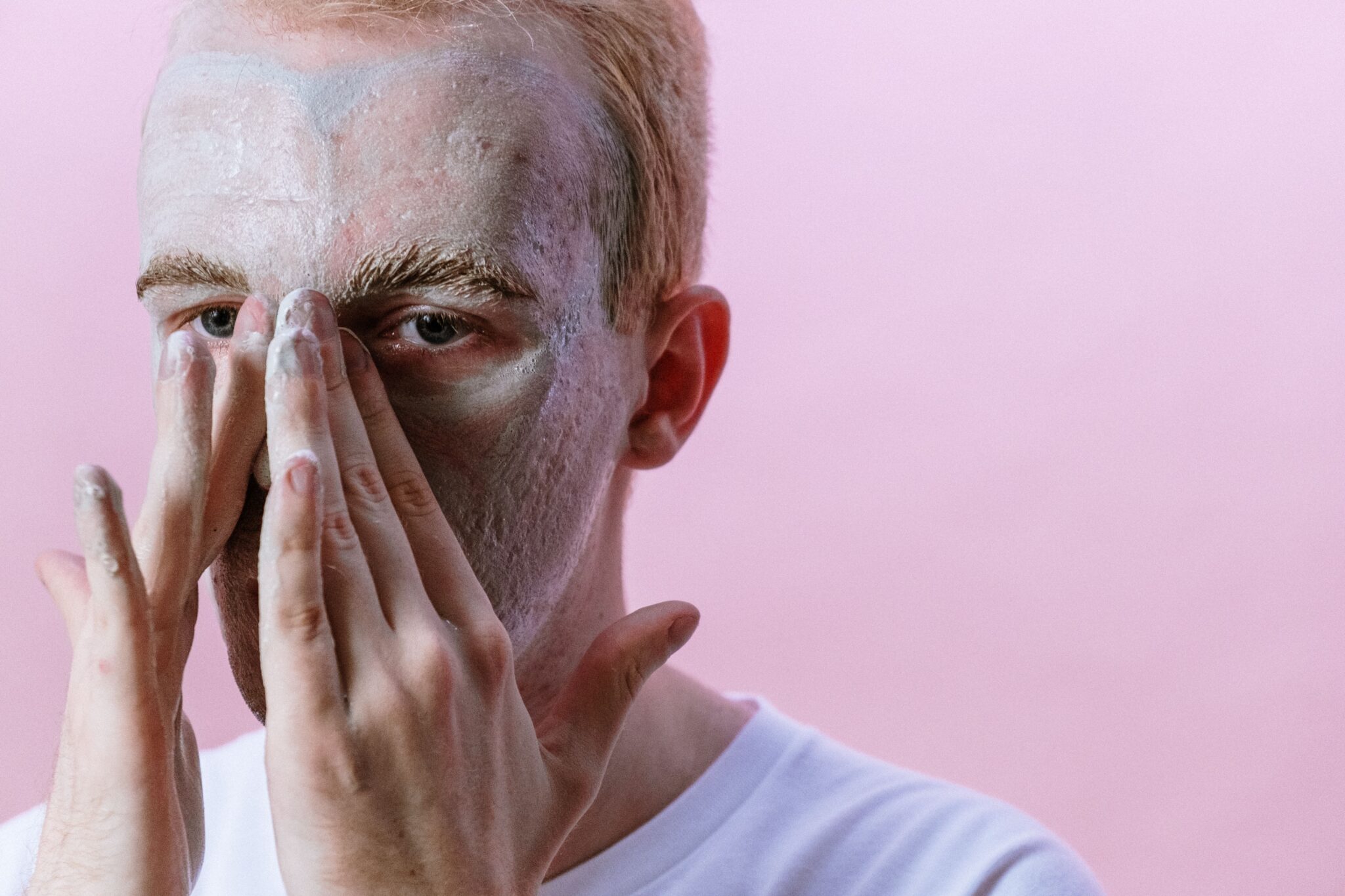
A consistent, gentle routine forms the foundation of any approach to fading post-acne marks. Gentle cleansing without stripping the skin matters more than most people realize. A damaged skin barrier slows cell turnover and makes the skin more reactive. Hydrating ingredients like ceramides, hyaluronic acid, and niacinamide help restore that barrier and keep the skin functioning the way it should.
Several well-researched topical ingredients can help fade discoloration over time:
- Niacinamide reduces melanin transfer to the skin’s surface and calms inflammation.
- Vitamin C is an antioxidant that inhibits melanin production and brightens overall tone.
- Retinoids speed up cell turnover, helping newer, more evenly pigmented skin surface faster.
These ingredients work gradually. Consistency over weeks and months produces results that an occasional application simply cannot. There are no shortcuts here.
Daily sunscreen is non-negotiable. UV exposure is one of the primary reasons PIH deepens and stalls. A broad-spectrum SPF 30 or higher, applied every morning, protects existing marks from worsening and gives the skin the best environment to repair itself.
When At-Home Care Is Not Enough
Some pigmentation sits deeper in the skin and doesn’t respond quickly to topical care alone. When dark marks are persistent or spread across larger areas, professional treatments may offer a more effective path toward clearer skin. Among the most common options are laser therapy, microneedling, and chemical peels, each working in a different way to address post-acne discoloration.
Laser Therapy
Laser therapy targets excess melanin beneath the skin’s surface by breaking apart pigment clusters. This can be especially useful for deeper discoloration that topical serums cannot easily reach. Depending on the type of laser used, treatments may also improve skin texture and stimulate collagen production, making them beneficial for people dealing with both pigmentation and mild acne scarring.
Microneedling Treatments
Microneedling takes a different approach. By creating tiny controlled injuries in the skin, it triggers the body’s natural repair process. This encourages faster cell turnover and boosts collagen production, which can help fade uneven tone over time while improving the overall look and feel of the skin. It is often recommended for those with lingering acne marks alongside texture irregularities.
Chemical Peels
Chemical peels work by applying an acid solution that removes damaged outer layers of skin, allowing fresher and more evenly toned skin to emerge. For many patients, choosing the best chemical peel depends on the type of discoloration, skin sensitivity, and previous acne history. Both glycolic acid and salicylic acid peels are commonly used for post-acne pigmentation. Glycolic acid is often favored for its ability to penetrate effectively while remaining relatively cost-efficient compared to other in-office procedures.
No single treatment works the same way for everyone. Skin tone, pigmentation depth, and skin sensitivity all play an important role in determining the safest and most effective option. This is especially important for darker skin tones, where aggressive procedures can sometimes trigger additional discoloration. A professional evaluation can help identify the right approach while reducing the risk of making pigmentation worse.
How Long Does Hyperpigmentation Take to Fade?
Timelines vary considerably. Mild, surface-level marks from smaller breakouts may fade within a few weeks with consistent sun protection and the right topical ingredients. Deeper marks from more severe or prolonged inflammation can take several months, sometimes longer.
Skin tone affects the process too. People with deeper complexions tend to produce more melanin in response to inflammation, which can make marks more intense and slower to resolve.
But the key variable is consistency. Aggressive or erratic treatment rarely speeds things up and can set the process back. Gradual, steady progress is the norm. Expecting overnight results often leads to over-treating the skin, which creates a whole new set of problems.
Preventing New Breakouts and Future Dark Spots
The most effective long-term strategy is keeping acne under control before it has a chance to leave marks. A few straightforward habits make a real difference:
- Avoid touching active breakouts. Hands carry bacteria and increase inflammation.
- Keep the skincare routine simple and balanced. More products do not mean faster results.
- Treat new breakouts early. The sooner inflammation is addressed, the less likely it is to produce lasting discoloration.
- Stick with sun protection year-round, not just in summer.
Early intervention consistently reduces the severity of post-acne marks. A routine that manages active breakouts is also a routine that protects against future pigmentation.
The Takeaway
Post-acne hyperpigmentation is common, and it is treatable. Clearer, more even-toned skin is a realistic outcome for most people, but it rarely happens quickly or from a single product. The path forward combines prevention, a well-built daily routine, and professional options when topical care reaches its limits.
Whether the approach stays at home or involves clinical treatment depends on the severity of the marks and individual skin factors. Starting with the basics, protecting against sun exposure, and addressing active breakouts early gives the skin the best possible conditions to recover on its own terms.