
Dying your hair sounds fun, right?
Going with the latest trends, trying to be like your favorite celebrity, or just wanting to try something new with your hair.
Maybe a few shades darker, a hint of red, or just something different.
But all that fun comes crashing down with the thought of harsh chemicals sitting on your scalp.
Benefits of Using Natural Hair Dye
Switching to natural hair dye is like giving your hair a breath of fresh air amid all the pollution.
Chemical dyes can strip moisture from your hair, weaken strands, and irritate your scalp over time.
Natural alternatives are much kinder to the hair.
- Free from Harsh Chemicals: No ammonia, peroxide, or synthetic dyes touch your scalp.
- Gentle on Hair and Scalp: Less irritation, less dryness, safer for sensitive skin.
- Improves Hair Texture and Shine: Many natural dyes also condition and add natural shine.
- Budget-Friendly and Easily Accessible: Common kitchen ingredients, no expensive salon trips needed.
- Environmentally Friendly Option: Biodegradable ingredients with a smaller environmental footprint.
- Customizable and Natural Looking Results: Mix and adjust shades to match your natural hair color.
- Lower Risk of Long-Term Hair Damage: No repeated chemical exposure means healthier hair over time.
How to Dye Your Hair Without Hair Dye Using Natural Ingredients
Nature has always been a gift that keeps on giving.
From your kitchen pantry to your garden, there are natural ingredients that can add 100% non toxic color to your hair.
Some darken, some lighten, and some add a fun temporary tint.
For Brown Shades
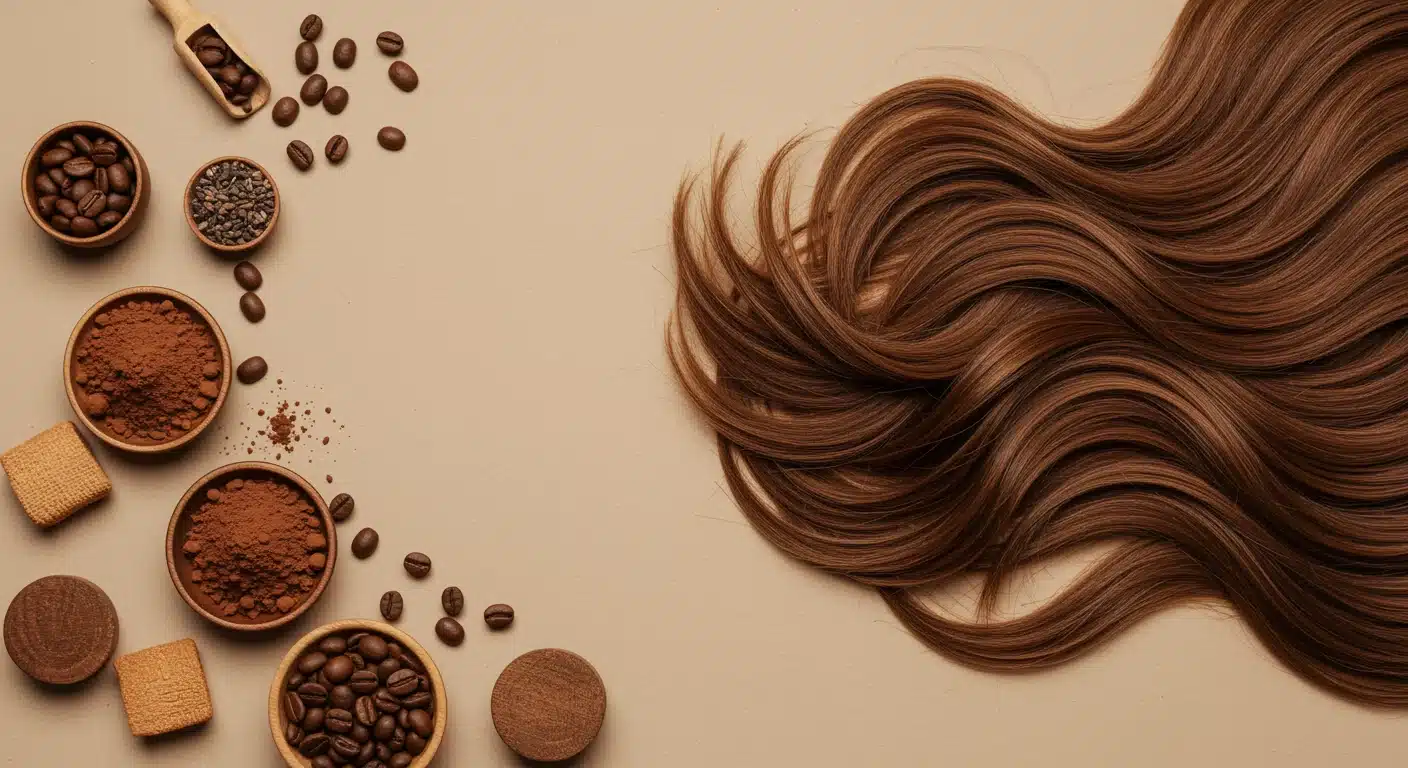
Brown shades are the easiest to achieve with natural ingredients.
Coffee and black tea are two of the most effective options for adding warmth and depth to brown hair.
Both are safe, affordable, and simple to use at home.
Coffee
Brewed coffee is one of the easiest ways to add warm, brown depth to your hair.
It works by temporarily staining the hair shaft. The stronger your brew, the deeper the color. It also conditions as it colors, leaving hair soft.
Results are subtle but noticeable, especially on lighter brown hair.
Frequent use can dry out your hair. Mix coffee with a conditioner to keep moisture in. Avoid long scalp contact if you have caffeine sensitivity.
Black Tea
Black tea deposits a warm, brownish tint on the hair and helps darken faded color.
It is rich in tannins, which coat the hair shaft and add both color and shine. It is a great pick for those who want a very subtle shift in their natural brown shade without anything too drastic.
Black tea contains caffeine, which may cause mild scalp sensitivity in some people. Always do a patch test 24 hours before full application.
For Red & Auburn Tones
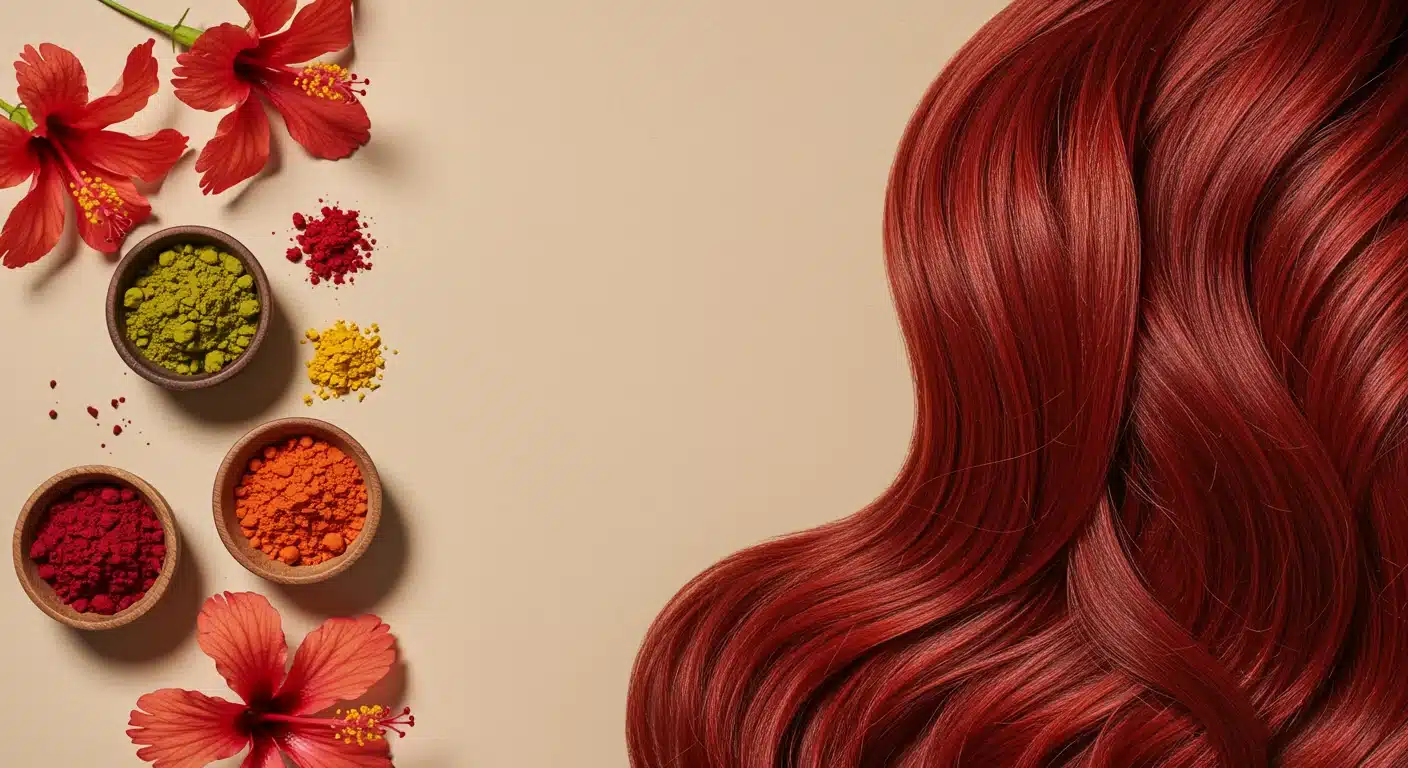
Red and auburn tones are some of the most striking results you can get from natural hair dye.
Henna and hibiscus are the two best options for achieving these warm, rich shades at home. Both are plant-based and free from harsh chemicals.
Henna
Henna comes from dried, powdered plant leaves.
And it is one of the most well-known natural ways to dye your hair without hair dye. When mixed with water and applied, it releases a red-orange pigment that bonds to the hair.
The result is a rich, lasting color that also strengthens and conditions your hair.
Some people are allergic to henna, especially “black henna.” Always patch test 24 hours before use. Avoid if you have a G6PD deficiency, as henna may trigger complications.
Hibiscus
Hibiscus flowers give a red to deep burgundy tint depending on your base hair color.
The natural pigments in the petals coat the hair, leaving a warm, reddish hue. It also conditions the hair, reduces breakage, and supports scalp health.
It’s an ingredient for those who want a softer red tone without anything too bold.
For Dark/Black Hair
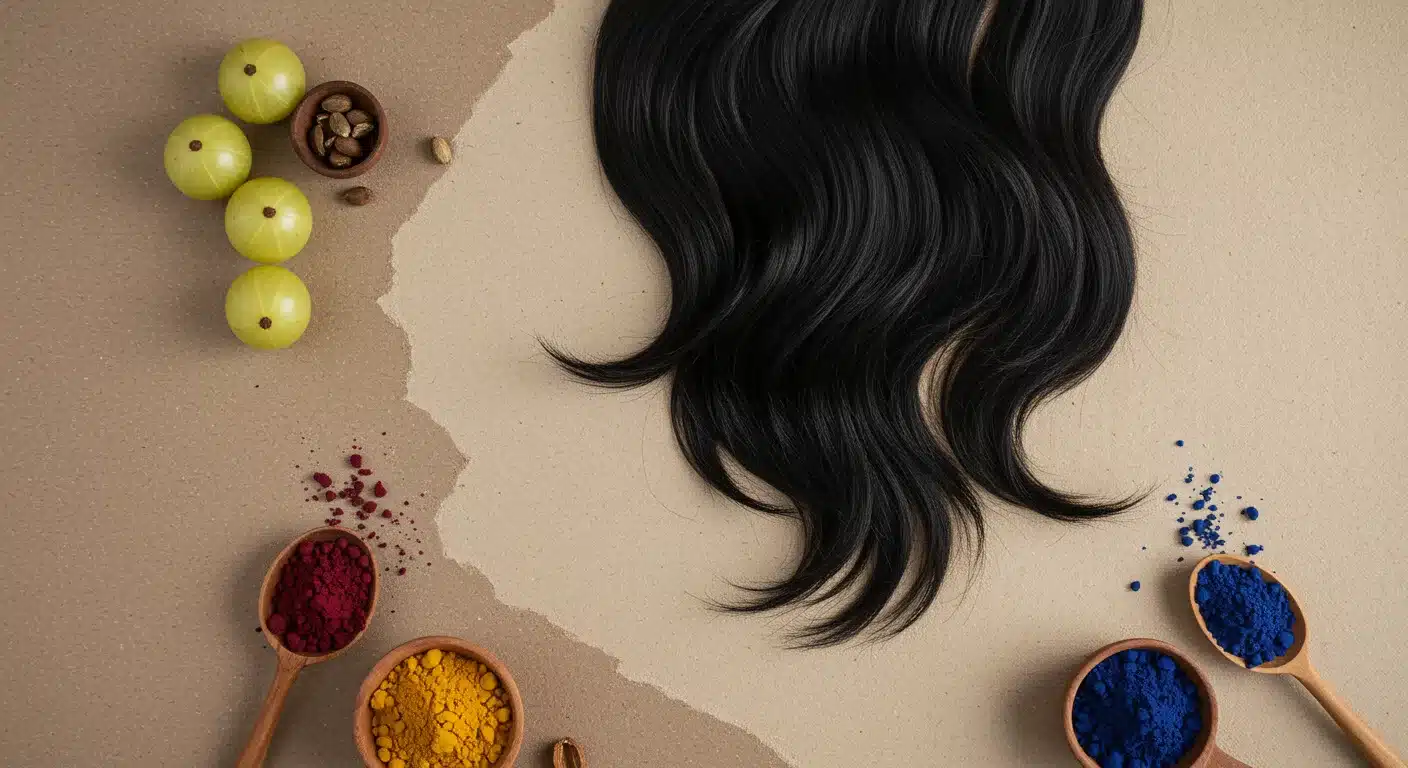
Dark hair has its own set of natural dye options that work really well.
Amla powder and indigo are two ingredients that have been trusted in traditional hair care for a very long time.
They don’t just add color, but also strengthen and nourish the hair.
Amla Powder
Amla is also known as Indian gooseberry.
It deepens and enriches dark hair with a natural blue-black sheen. It does not add dramatic color on its own but is packed with vitamin C and antioxidants.
For dark hair that needs added depth and gloss, amla is a go-to ingredient.
Amla has a strong, sour smell that some find unpleasant. It may stain light colored surfaces, so apply in a bathroom-friendly setting. Not recommended for blonde or very light hair.
Indigo
Indigo powder is the old school secret behind natural black hair color.
On its own, it gives a blue tint. But used after henna, it produces a deep, rich black. It has been used for centuries in traditional hair care.
It naturally bonds with the hair’s protein structure, making it free of synthetic chemicals.
For Fun Temporary Tints
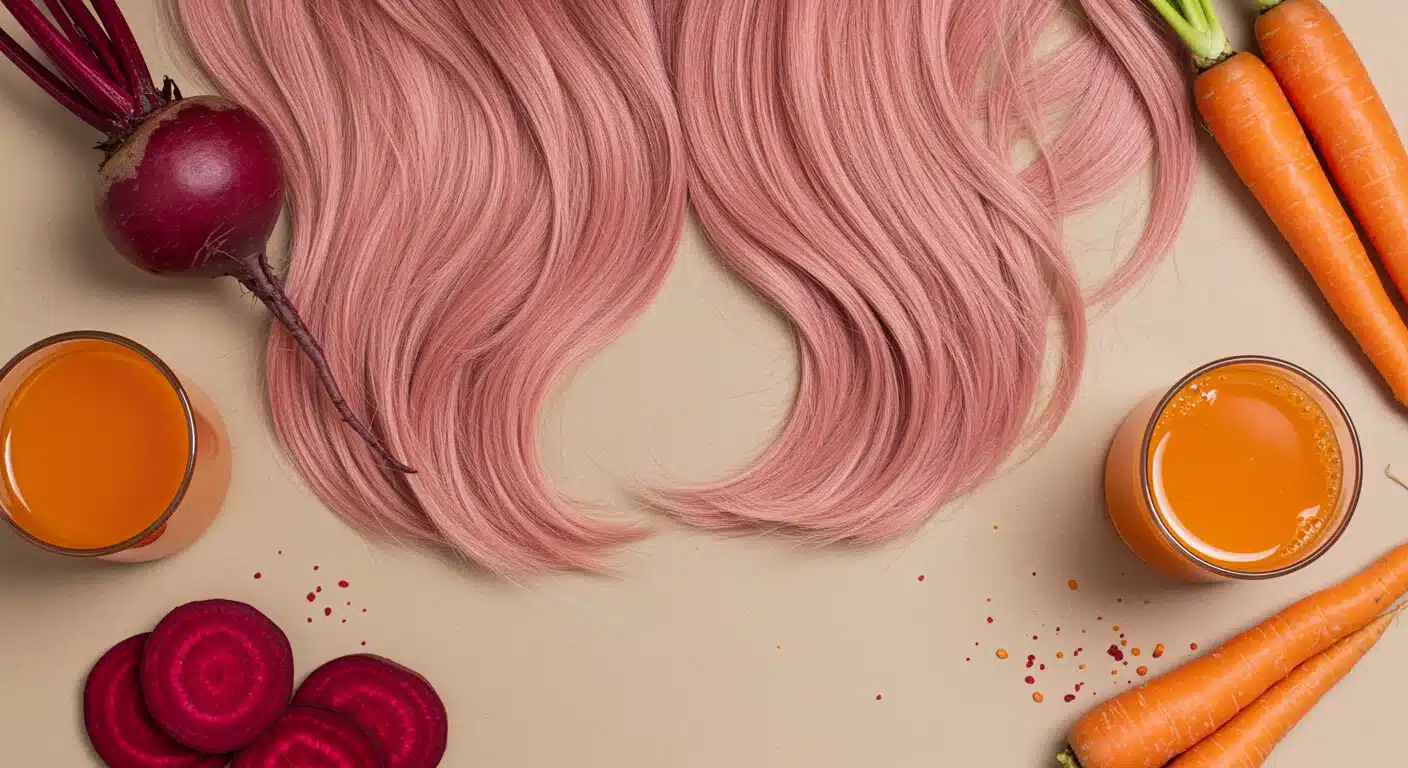
Sometimes you just want to try something fun without any long-term commitment, and I get it.
Beetroot and carrot juice are perfect for that.
Both give bright, temporary color that washes out on its own within a few shampoos, and are totally safe to use.
Beetroot (Red/Pink)
Beetroot gives a fun, temporary red or pink tint.
The natural pigment sits on the surface of the hair shaft rather than going deeper. This makes it a great low-commitment option for those wanting bold color without long-term effects.
Beatroot washes out within a few shampoos, so there is no pressure to commit.
Carrot Juice (Orange Tones)
Carrot juice adds warm orange tones to your hair.
It is rich in beta-carotene, which gives it its bright color. Like beetroot, it sits on the surface and gradually washes out.
It works best on light brown or blonde hair, where the orange tint can really show.
Carrot juice may leave a faint orange tint on the skin around your hairline. Apply petroleum jelly along your hairline before use to prevent staining. Results are very subtle on dark hair.
Things to Know Before Applying Hair Dye
Before you try any natural hair dye, there are a few things you should be aware of.
Natural ingredients work differently from chemical dyes, and yes, that’s a good thing. But setting the right expectations makes the whole process easier and more enjoyable.
Saving you from any disappointment later.
- Natural dyes give subtle, soft results, so don’t expect a dramatic color change in one go.
- They work best on lighter hair, where the color pigment can show up more clearly.
- Most natural dyes need repeated applications over several weeks to build visible color.
Always do the patch test first. Apply a small amount of your chosen dye to the inside of your wrist or elbow and wait 24 hours. If you see any redness, itching, or swelling, then it’s not the right fit for your skin.
Step-by-Step Process for Applying Natural Hair Dye
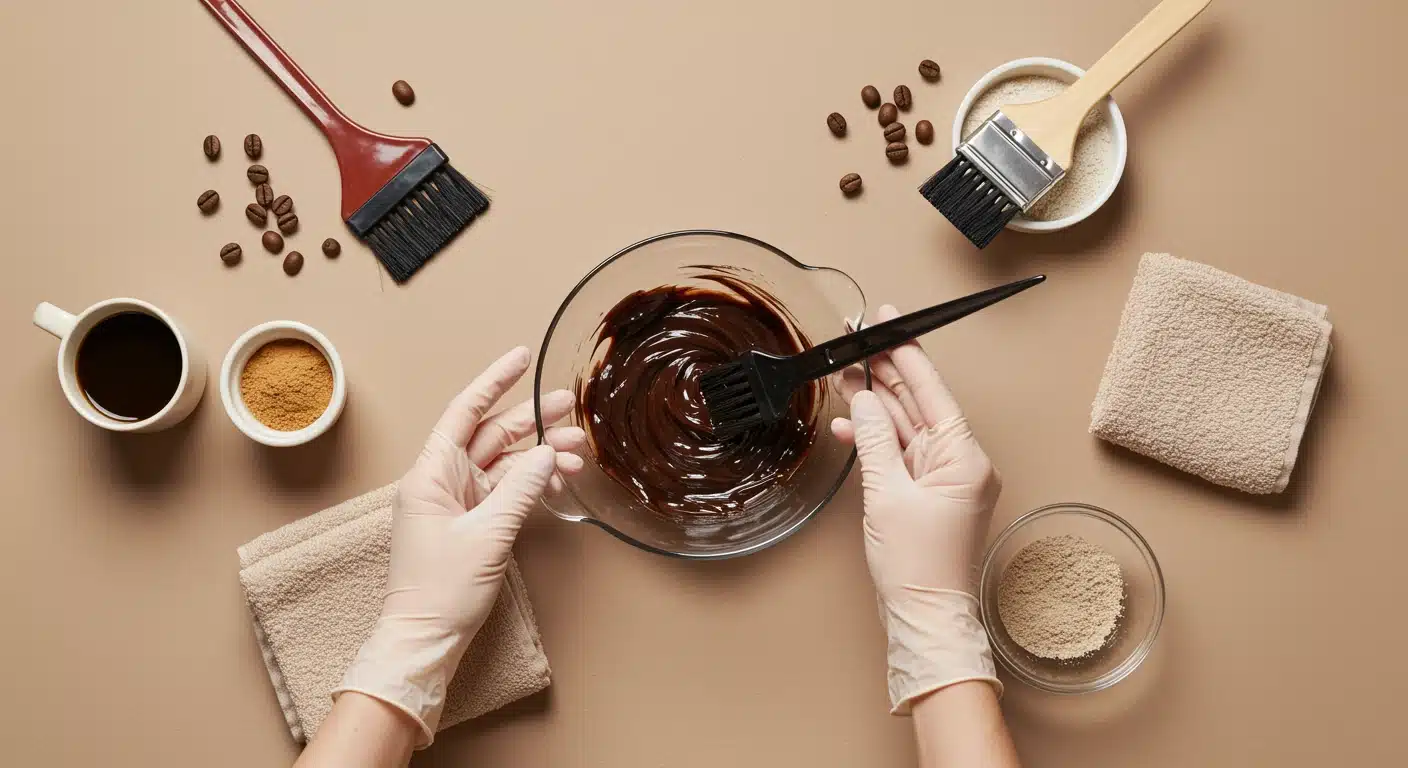
Applying natural hair dye is not complicated, but doing it right is very important.
A little preparation goes a long way toward getting better, longer-lasting results, and it’s easier because the process is simple enough to do at home with things you already have.
Step 1: Preparation
Start with clean, dry hair.
Wash your hair with a gentle shampoo and let it dry completely before applying any natural dye.
Gather the essentials: your dye mixture, gloves, an old shirt, a comb, and a shower cap.
Lay down an old towel to protect surfaces from staining.
Apply petroleum jelly along your hairline, ears, and neck before you start. This creates a barrier that stops the dye from staining your skin.
Step 2: Application Process
Put on your gloves first, ALWAYS.
Section your hair into four parts for even coverage. Use a brush or your fingers to apply the dye mixture from roots to tips.
Make sure every strand is fully coated.
Work section by section so no part of your hair gets missed. For deeper color, apply the dye on slightly damp hair.
Step 3: How Long to Leave It
Once applied, cover your hair with a shower cap to lock in heat and help the color set.
Most natural dyes need at least 1 to 2 hours to work. Some, like henna, work best when left on for 3 to 4 hours.
The longer you leave it, the deeper and richer the result.
Do not leave lemon juice or acidic mixtures on your hair for too long. Over exposure can dry out and weaken your hair. Stick to the recommended time for each ingredient.
Step 4: Rinse
Rinse your hair thoroughly with cool or lukewarm water.
Avoid hot water, as it opens the hair cuticle and causes the color to fade faster. Skip the shampoo on rinse day if you can.
A gentle conditioner is all you need to seal the color in and keep your hair soft and smooth.
Wait at least 24 to 48 hours before washing your hair with shampoo after dyeing. This gives the color more time to settle and last longer on your hair.
Hair Care Tips for Naturally Colored Hair
Done with the applying and fun part? Now the work begins to keep that color looking fresh, which takes a little effort.
Natural dyes don’t bond to hair the same way chemical dyes do, so they do fade faster.
But with the right care routine, you can stretch the color out much longer, and just a few simple tips will help.
- Cool water seals the hair cuticle and locks color in.
- Gives the color more time to settle into the hair.
- Sulfates strip color faster; a gentle shampoo keeps it longer.
- Keeps the color fresh and builds it up over time.
- Sun exposure breaks down natural pigments quickly.
- Chlorine fades and dries out naturally colored hair.
- Keeps hair hydrated and helps color look more vibrant.
- Seals in moisture and adds a natural shine to colored hair.
Alcohol dries out hair and causes color to fade faster.
Final Thoughts
Going chemical-free with your hair color is a choice your hair will thank you for.
Natural ingredients are safe, affordable, and kinder to your scalp. The results may be subtle and take time, but dying your hair naturally is always worth it.
Now you know how to dye your hair without hair dye using simple ingredients from your kitchen.
Give it a try, be consistent, don’t be afraid to experiment, and let your hair show the results.
Frequently Asked Questions (FAQs)
1. Can I Color My Hair if I Have Dandruff?
It’s best to treat dandruff first. Applying anything to an irritated scalp can make it worse. Once your scalp is healthy, you can color safely.
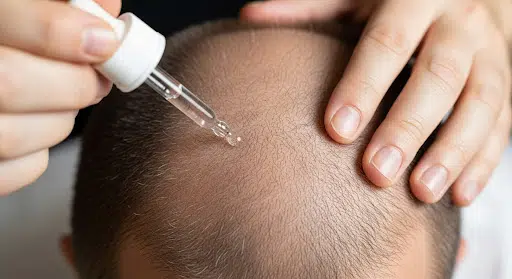
2. Can I Dye My Hair if I’m Using Minoxidil?
Wait at least 24 hours after applying minoxidil before using any dye. Mixing the two on your scalp at the same time may cause irritation.
3. How to Cover Gray Hair without Dye at Home?
You can learn how to dye your hair without hair dye using henna, black tea, or coffee. These natural options blend gray hair gradually with repeated use.