

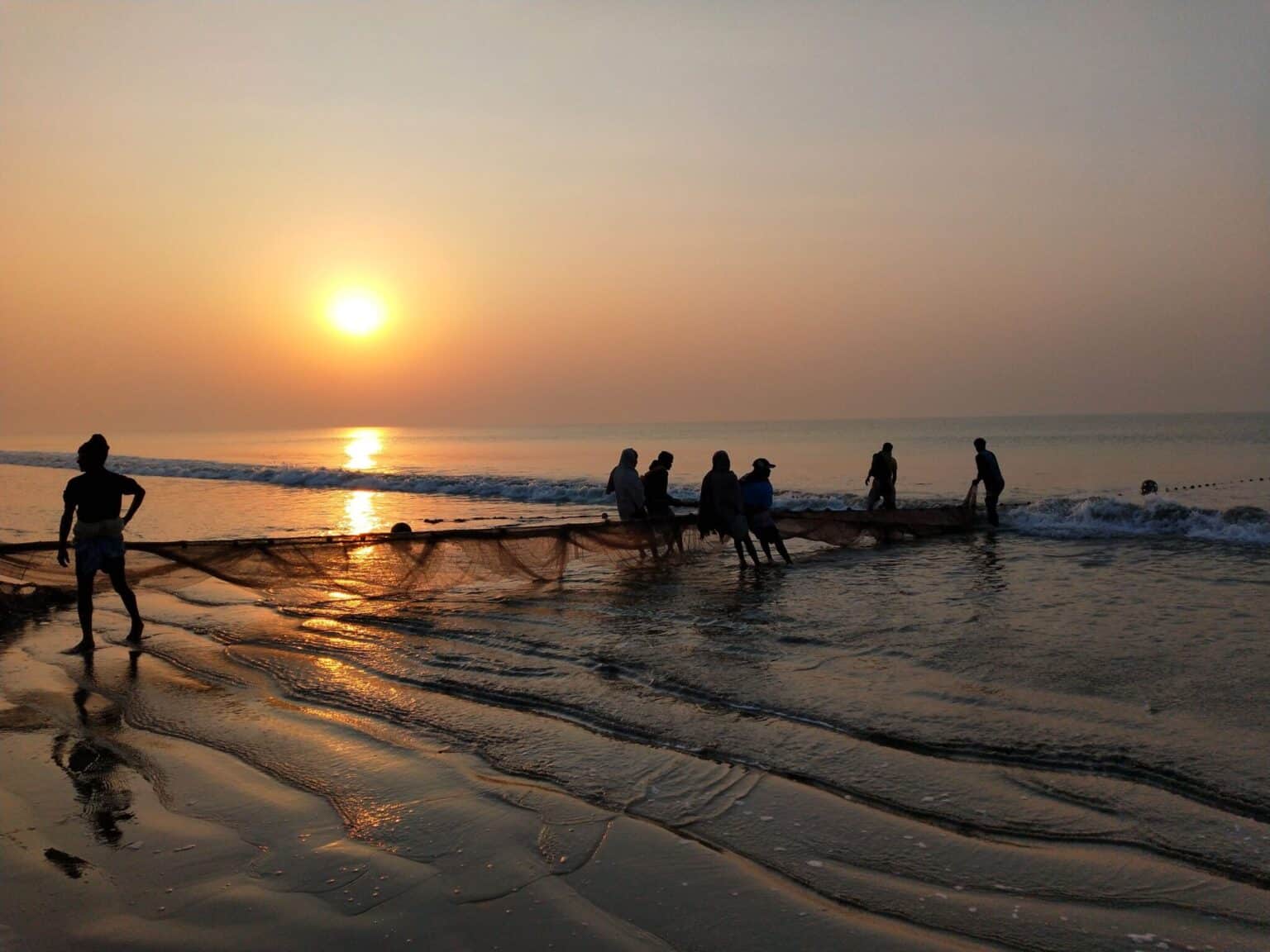
When people talk about a weekend trip to the beach in Eastern India, they usually think of places like Digha, Mandarmani, or Puri. Over the years, these places have built many hotels and roads to welcome millions of tourists. Because of this, they have become very crowded. Today, these famous beaches are full of loud music, heavy traffic, and too many shops.
However, many travelers just want to hear the peaceful sound of the ocean waves instead of loud party music. For these people, there is a beautiful and quiet change happening right along the border of West Bengal and Odisha.
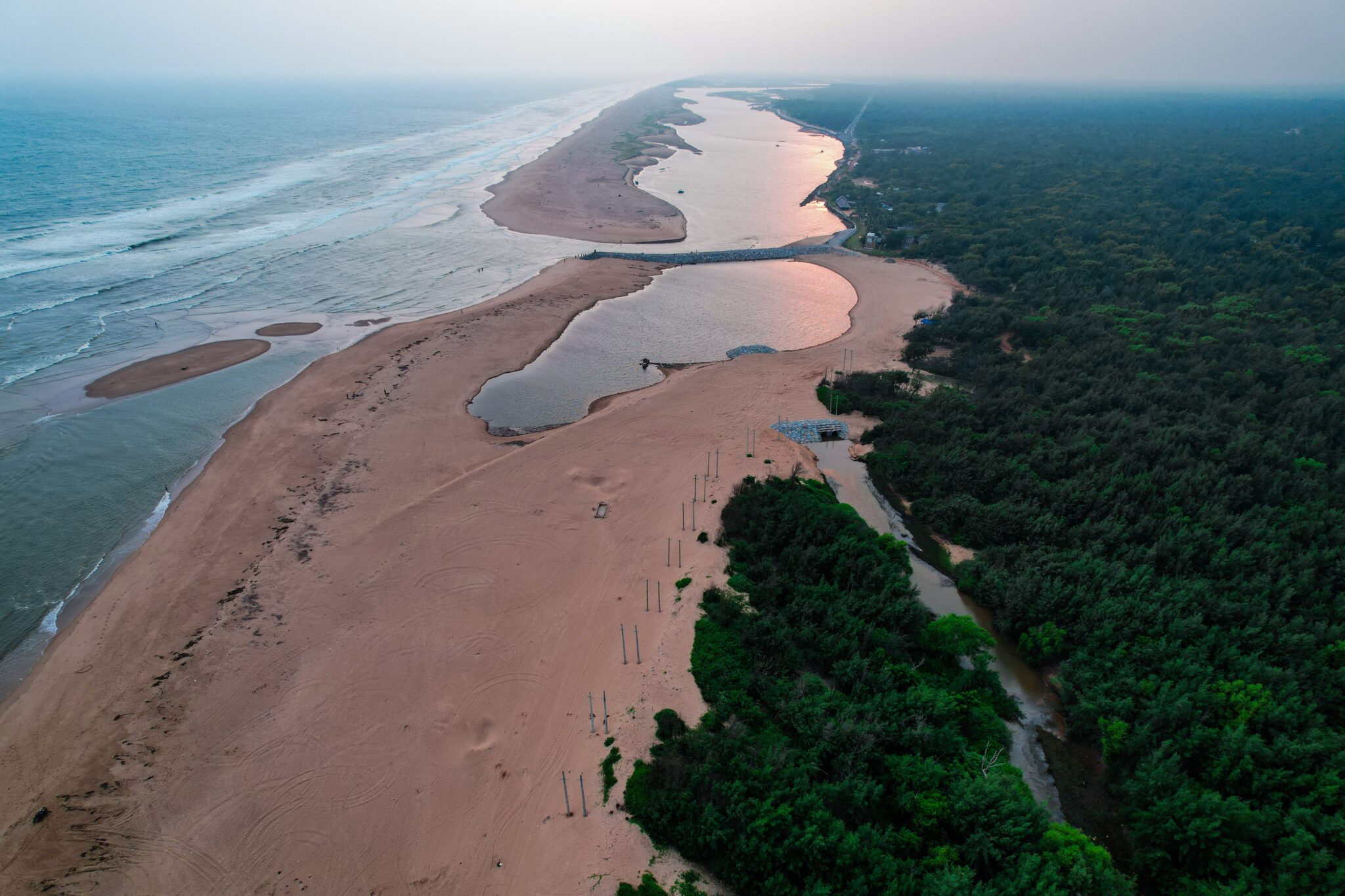
Just a short drive away from these crowded tourist spots, you will find a very delicate and stunning coastline. In this area, rivers meet the Bay of Bengal. This meeting of fresh and salt water creates deep mangrove forests, sandbars that move with the ocean water, and safe homes for very old sea animals. According to Briefvoy, this hidden stretch is one of the best-kept secrets for nature lovers.
If you are ready to leave the noisy beach parties behind and enjoy raw, untouched nature, here is your simple guide to exploring the hidden Bengal-Odisha coast.
The Rise of Estuarine Eco-Tourism
The normal Indian beach holiday is slowly changing. Today, travelers are looking for “Blue Carbon” zones. These are coastal areas, like mangrove forests and salt flats, which are very important for keeping the earth healthy. They help clean the air and water naturally.
The border area between West Bengal and Odisha is perfect for this kind of travel. The main feature here is the Subarnarekha River, which means the “Line of Gold.” This beautiful river flows through the land and finally meets the ocean. When the river crashes into the sea, it creates a special zone where the water level changes all the time. Because the ground is muddy and shifts with the tide, big hotels and standard tourist roads cannot be built here. This natural barrier keeps the land safe for wild animals and eco-friendly travelers who love nature.
3 Hidden Coastal Escapes You Need to Visit
If you want to see what the coast looked like a hundred years ago, you should put these three places on your travel list right now.
1. Talsari Beach: The Red Crab Coast
Talsari is located just 10 kilometers away from the busy, concrete hotels of Digha. It is a perfect example of peace and quiet. What makes Talsari so special is how the land is shaped. If you want to reach the main beach during high tide, you cannot just walk. You have to take a quick, 5-minute boat ride across a small river channel.
But, the real magic happens when the tide goes out. If you visit during dead low tide, the ocean water pulls way back. This exposes a flat, hard riverbed. You can literally walk right across the ocean floor to get to the main beach! Once you reach the sand, you will see something amazing. Millions of tiny, harmless red ghost crabs (Ocypode macrocera) cover the beach. They move around quickly, making the sand look like a moving red carpet.
2. Bichitrapur Mangrove Sanctuary & The River Mouth
For people who truly love nature, sitting on the beach is only part of the fun. The Bichitrapur Mangrove Sanctuary in Odisha is a highly protected nature zone. It gives you a completely different view of the Bay of Bengal.
Instead of walking on dry sand, you can hire a local wooden motorboat. The boat driver will take you through thick, green tunnels made of mangrove trees. These strong trees act like a natural wall that protects the villages from big ocean storms. They also provide a safe winter home for many different kinds of birds. When your boat reaches the exact spot where the river mixes with the sea, you will see temporary islands of sand. These sandbars appear and disappear depending on the ocean water levels.
If you want to learn more about this changing environment, reading about the remote ecosystem of Subarna Island on the Briefvoy travel portal is highly recommended before you plan your boat trip. The portal notes that this is a strict plastic-free zone. It is famous for keeping the very old, pre-historic Horseshoe Crab safe from harm.
3. Bankiput: The Untouched Horizon
If you want to stay on the West Bengal side but really hate the crowds of Junput or Mandarmani, Bankiput is the perfect place for you. It is mostly a dirt road area, and very few travel agencies even know it exists.
At Bankiput, you will not find any noisy water scooters, huge seafood markets, or bright street lights. All it offers is a wide, beautiful view of the sky meeting the sea, lined with tall Casuarina trees. Because nobody has built shops here, you have to bring your own drinking water, snacks, and a small first-aid kit. It is the best destination for people who want to take pictures in peace or anyone looking to stay away from their mobile phones for a few days.
Crucial Logistics for the Hidden Coast
Visiting these raw and natural places means you have to plan differently than a normal hotel holiday.
- Tide Planning is Mandatory: Most regular beaches have a steep drop into the water. But this estuarine coast is very flat. The water level difference between high tide and low tide is huge. You must check the local tide charts to know the right time for boat rides and walking on the beach.
- Zero Infrastructure: Places like the mangrove islands and the deep parts of Talsari do not have public toilets, clean drinking water, or food stalls. You must bring your own reusable water bottles. Also, you must take 100% of your empty packets and garbage back with you to keep the area clean.
- Swimming is Strictly Prohibited: Never try to swim at the exact place where the river meets the ocean (the estuary). When the fast river water crashes into the strong ocean tide, it creates hidden holes in the sand and dangerous underwater currents that can pull you down.
Final Word
The Eastern Indian coastline hides amazing natural treasures just a few miles away from its most crowded spots. If you change your travel route just a little bit and choose nature over luxury, you can see a side of the Bay of Bengal that most people never experience. Always respect the local forest guards, pay attention to the water levels, and leave nothing behind except your footprints in the sand.
Author Bio:
Ranjit Pal is a logistics-first travel writer specializing in hard-to-reach, offbeat destinations across Eastern India and the Himalayas. Dedicated to anti-fluff travel journalism, they focus on providing raw facts, real costs, and ground-level route data for travelers who want to escape the standard tourist circuits.