
A Simple Hair Appointment Can Say More Than You Think
A haircut, wash, trim, or styling appointment can feel like an ordinary part of caring for an older loved one. It may be a standing appointment on the calendar, a small confidence boost before a family gathering, or a familiar routine that helps someone feel comfortable and cared for.
Because grooming feels so routine, families may overlook how much it can reveal. Sitting through a hair appointment requires patience, memory, balance, communication, and a basic sense of place. When those abilities begin to change, the first signs may appear during small personal-care moments.
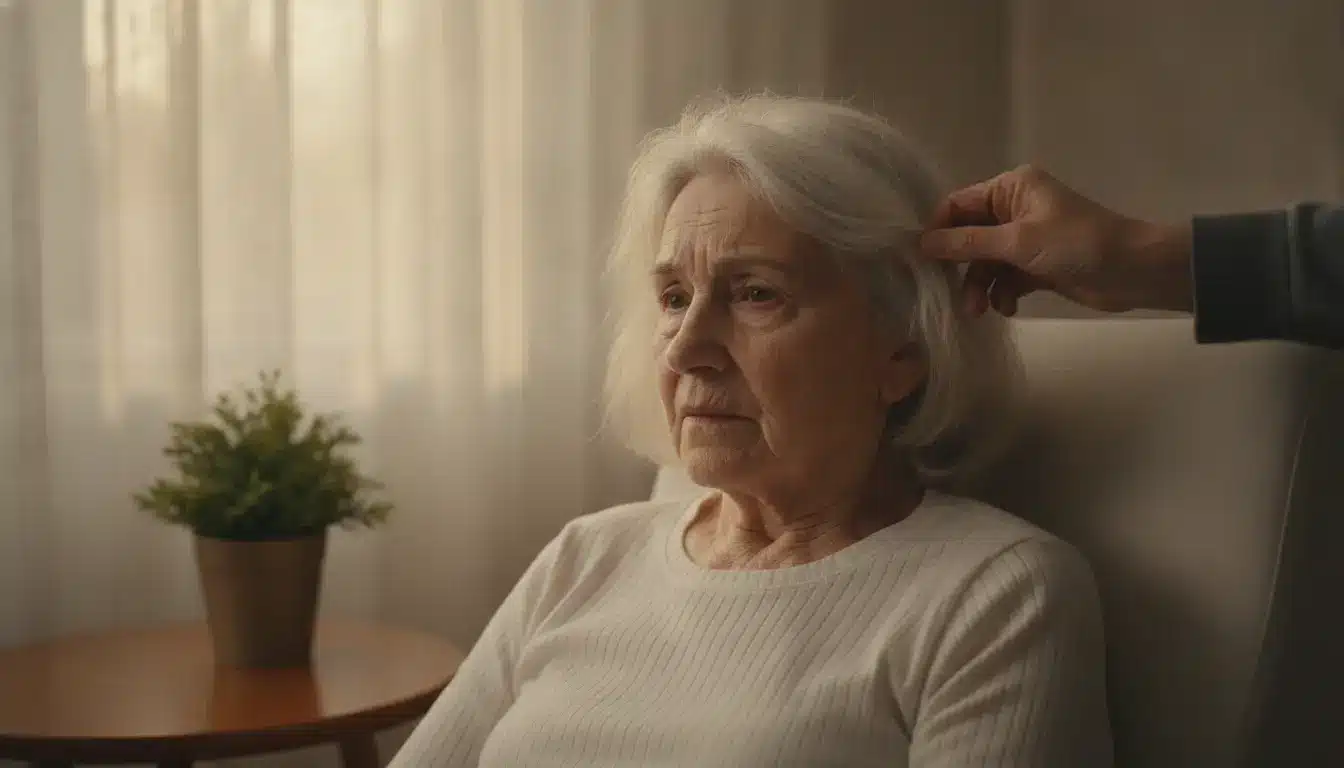
An older adult who once enjoyed getting their hair done may suddenly become anxious in the chair. They may ask the same question several times, forget why they are there, insist they need to leave, or appear unsure how to get back to the car, bedroom, or common area.
These moments are easy to dismiss as tiredness, impatience, or a difficult day. Sometimes that explanation is fair. The concern grows when the behavior repeats. A grooming routine can become a quiet safety check, giving families a closer look at how an older loved one handles familiar places, directions, waiting, touch, movement, and transitions.
The purpose is not to turn every haircut into a medical evaluation. It is to notice patterns. Small changes during personal care may point to larger concerns about memory, judgment, supervision, and daily safety.
When Restlessness Becomes a Safety Clue
Restlessness during grooming can have many causes. A person may feel cold after a shampoo, uncomfortable under a cape, sensitive to noise, or tired from a long day. Repeated attempts to stand up, walk away, or leave the area can signal something more serious, especially when the person seems confused about where they are going.
Families may first notice this during simple care tasks. An older loved one might walk out of the bathroom with wet hair, leave a salon chair before the appointment is complete, or try to exit a building because they believe they need to go home, go to work, or find someone from their past. In a private home, this behavior can be stressful. In a care facility, it can become a serious safety concern if supervision is inconsistent.
Repeated pacing, attempts to leave during routine care, confusion about familiar places, or anxiety around appointments may point to broader wandering and elopement risks, especially when an older adult depends on caregivers or a facility for supervision.
Grooming routines involve transitions from one place to another, such as moving from a room to a bathroom, from a chair to a sink, or from a salon area back to a hallway. These transitions can be difficult for people with memory loss, dementia, medication changes, poor sleep, or general disorientation.
A person may seem calm while seated, then become unsettled once the routine changes. They may cooperate while brushing begins, then suddenly believe they are in the wrong place. They may recognize a family member one moment, then become frightened when a staff member or stylist approaches with a comb, towel, dryer, or scissors.
A single difficult appointment may not mean much. Repeated confusion, exit-seeking, agitation, or inability to follow familiar steps should prompt families to ask questions and make a plan.
Why Grooming Routines Reveal Changes Early
Grooming is personal. It involves touch, mirrors, water, sound, temperature, and close interaction with another person. That combination can reveal changes that may not appear during a short conversation.
An older adult may be able to answer simple questions in the morning but struggle later when asked to wash, sit, wait, turn their head, or move safely from one space to another. Hair care depends on attention, body awareness, trust, and the ability to tolerate a sequence of steps.
A person who is becoming more confused may forget that shampoo needs to be rinsed out. They may become alarmed by the sound of a blow dryer. They may think a stylist or caregiver is a stranger, even if they have met before. They may resist brushing because they do not understand what is happening.
Changes in grooming habits can also show that a person is struggling outside the appointment itself. Unwashed hair, tangles, scalp irritation, or sudden disinterest in appearance can suggest that daily routines are becoming harder to manage. For someone living alone, this may point to a need for more support. For someone in a care setting, it may raise questions about whether personal care is being handled consistently.
Families should look at the full picture. Is the person missing appointments? Are they arriving unprepared or unusually upset? Do they seem unsure how to return to their room or car? Are they trying to walk away from the grooming area? Do they become more restless near exits, elevators, hallways, or doors?
Specific observations make conversations easier. Instead of saying, “Something feels off,” a family member can say, “She tried to leave three times during the haircut,” or “He became confused after the shampoo and walked toward the front door.” Clear details help caregivers, doctors, and facility staff understand the concern.
The Behaviors Families Should Watch Closely
Some grooming-related behaviors deserve careful attention because they may connect to broader safety concerns. These signs do not prove that a person is unsafe, but they should not be ignored when they happen repeatedly.
A loved one may pace before or during the appointment. They may keep looking for an exit or asking to go home. They may become upset when a door is closed. They may leave the chair before a stylist or caregiver is finished. They may walk toward a hallway, parking lot, stairwell, or outside area without understanding the danger.
Memory changes can make these situations more complicated. A person may believe they are late for work, looking for a child, or trying to return to a previous home. They may not recognize the current setting, even if it is familiar. They may become frightened when someone redirects them because the redirection does not match what they believe is happening.
For older adults living with memory changes, repeated walking, leaving familiar spaces, or becoming lost after a routine activity are warning signs because wandering can become dangerous without the right safeguards.
Families should also watch for environmental triggers. Bright lights, loud dryers, crowded rooms, strong scents, or long waits can increase agitation. A person who is already confused may become overwhelmed when too many things happen at once. A calm routine can quickly become stressful if the space feels unfamiliar or rushed.
Timing can also be useful. Some older adults become more confused later in the day. Others become restless after medication changes, poor sleep, dehydration, pain, or illness. If difficult grooming appointments happen at a certain time, families may be able to adjust the schedule, shorten the routine, or choose a calmer setting.
Repeated behavior should be treated as communication. Restlessness may mean discomfort, fear, confusion, boredom, pain, or a desire to leave. Understanding the reason can help families respond with more patience and better safety planning.
The Hair Appointment Test Families Can Use
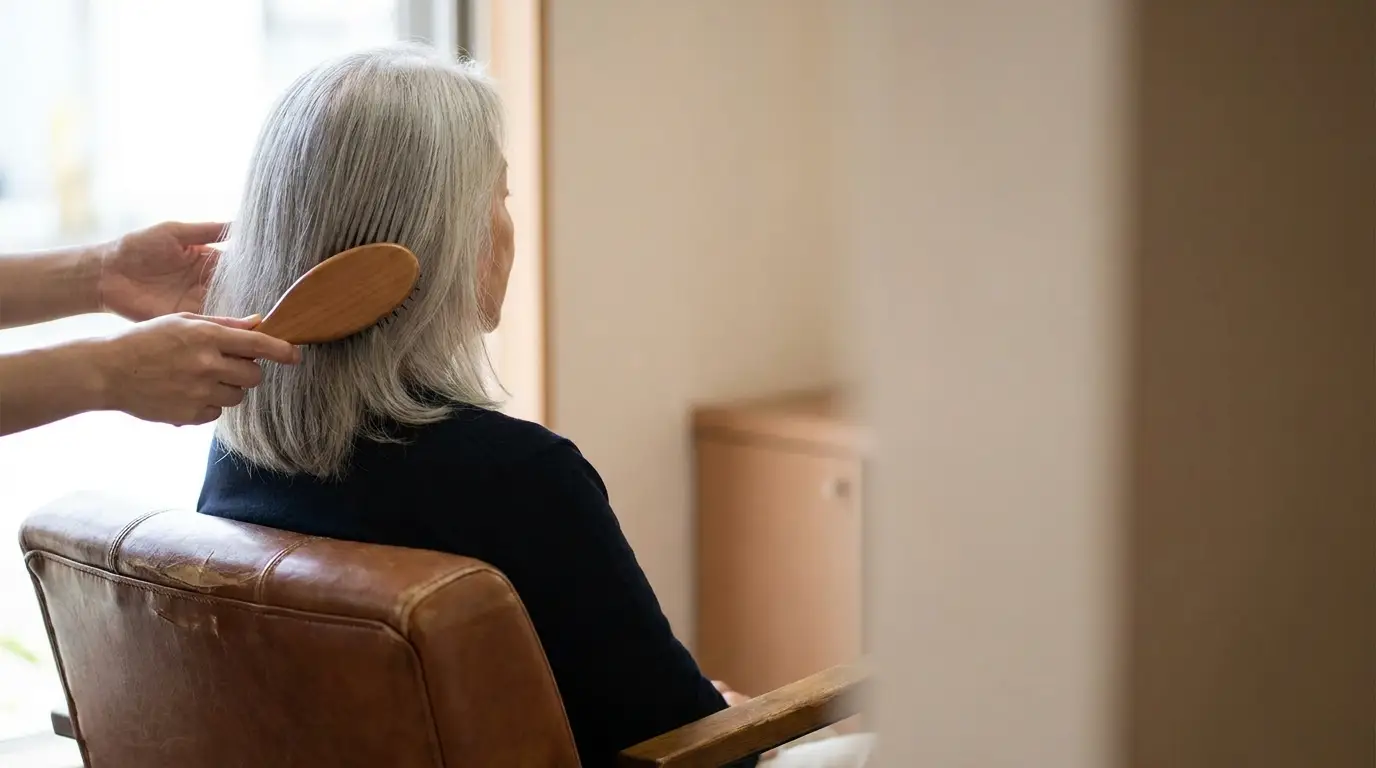
The “hair appointment test” is a simple way for families to observe how an older loved one handles a familiar personal-care routine. It can be used during salon appointments, at-home hair washing, brushing, trimming, or grooming in a care facility.
Start with memory. Does the person remember why they are there? Do they understand that they are getting their hair washed, trimmed, brushed, or styled? Do they repeatedly ask the same question, or do they become upset because they believe they are supposed to be somewhere else?
Next, look at orientation. Does the person recognize the space? Do they know whether they are at home, in a salon, in a facility, or with a family member? After the appointment, can they find their way back to the room, car, or main living area with normal support?
Patience is another important clue. Grooming takes time. A person may need to sit through brushing, washing, drying, or trimming. If they become restless after only a few minutes, stand repeatedly, or refuse to remain seated, families should consider whether the process is too long, uncomfortable, or confusing.
Movement matters as well. Watch whether the person tries to leave without warning, moves toward doors, or walks away when no one is ready to assist them. Balance and mobility also matter. A person who stands suddenly from a salon chair, steps over cords, or walks with wet shoes may be at risk for falls.
Comfort can reveal a lot. An older adult who is usually relaxed may become unusually fearful when someone touches their hair, uses warm water, adjusts a towel, or turns on a dryer. This may reflect sensory discomfort, pain, confusion, or a lack of trust in the person providing care.
Safety awareness should be part of the observation. Does the person understand that a parking lot, staircase, elevator, or outside door could be dangerous without help? Do they wait for assistance, or do they move ahead without noticing hazards?
Families should avoid turning the routine into an interrogation. The goal is to observe gently while preserving dignity. A calm tone, familiar words, and simple explanations can make the experience easier. Instead of correcting sharply, caregivers can say, “We are almost finished with your hair,” or “I will walk with you when it is time to leave.”
What These Clues May Mean in a Care Setting
When an older adult lives in assisted living, memory care, or a nursing home, grooming routines can reveal whether the person needs more supervision during transitions. Hair care often requires movement between rooms, bathrooms, salon areas, hallways, and shared spaces. Each move creates an opportunity for confusion or unsafe movement.
A resident who tries to leave during bathing, brushing, or salon care may need closer monitoring before, during, and after grooming. Staff should know whether the person tends to pace, look for exits, become anxious in unfamiliar rooms, or leave the chair suddenly. These patterns should be part of the care plan, not treated as isolated incidents.
Families can ask practical questions. Who walks the resident to and from grooming appointments? Is the person left alone while waiting? Are doors, elevators, or outdoor areas nearby? How does staff respond if the resident becomes restless or asks to leave? Are behavior changes documented and shared with the family?
The answers can help families understand whether the environment matches the person’s current needs. A resident who was safe with minimal help six months ago may now need more support. Memory, mobility, medication, and health conditions can change over time, so supervision should change as well.
Grooming can also show whether staff members understand the person’s preferences. Some residents feel calmer with a familiar caregiver, a favorite shampoo, a shorter appointment, or a quiet time of day. Others may do better when the routine is explained step by step. Respecting those preferences can reduce fear and agitation.
Families should document repeated concerns in clear language. Instead of saying, “Mom seemed difficult,” write, “Mom stood up four times during hair washing and tried to walk toward the hallway before staff redirected her.” Clear details help everyone focus on safety rather than blame.
Keeping Grooming Calm, Familiar, and Dignified
A safer grooming routine begins with predictability. Older adults often respond better when care happens at a familiar time, in a familiar place, and with a familiar person. Sudden changes may increase confusion, especially for someone who already struggles with memory or orientation.
Shorter appointments can help. A full wash, cut, dry, and style may be too much for someone who becomes restless. Families can break care into smaller steps, such as brushing in the morning, washing on a separate day, and trimming only when needed. The routine should match the person’s comfort level rather than a fixed idea of how grooming should look.
The environment matters. Quiet rooms, warm towels, gentle lighting, and fewer distractions can reduce stress. Loud dryers, strong scents, busy waiting areas, and long delays may make a confused person more likely to pace or ask to leave. Seating should be stable, pathways should be clear, and someone should be nearby if the person tends to stand suddenly.
Hair care should still support confidence. Even when safety concerns grow, older adults deserve to feel clean, comfortable, and respected. Simple styling choices can help preserve identity without making the process overwhelming. Small adjustments can help an older loved one feel more comfortable, especially when families use gentle techniques to make hair look fuller without turning grooming into a stressful process.
Communication should be simple and reassuring. Caregivers can explain one step at a time: “I am going to brush your hair now,” “The water will feel warm,” or “We will walk back together when we are done.” Too many instructions at once can increase confusion.
It also helps to give the person a sense of control. Ask whether they prefer a soft brush or comb, warm or cooler water, a shorter style, or a break before drying. Choices should be limited and easy to understand. This supports dignity while keeping the routine manageable.
If an older adult repeatedly becomes anxious or tries to leave during grooming, families may need to review daily supervision, care routines, transportation, door safety, and communication among caregivers. The grooming chair may be where the concern becomes visible, but the safety need may extend beyond hair care.
A Routine Worth Paying Attention To
Hair care is easy to view as a small part of the week, but for older adults, it can reveal meaningful changes. A simple appointment may show how someone handles waiting, touch, movement, memory, directions, and unfamiliar transitions.
Families do not need to panic over every difficult moment. People have bad days, and grooming can be uncomfortable for many reasons. The concern grows when confusion, pacing, exit-seeking, or attempts to leave become repeated patterns.
Paying attention does not mean taking away independence. It means noticing when an older loved one may need more support to stay safe. A calm haircut, a gentle brushing routine, or a familiar wash day can preserve dignity while helping families understand what kind of care is truly needed.
When grooming becomes a window into safety, small observations can lead to better conversations, better planning, and a more thoughtful level of support. The routine may be simple, but the clues it reveals can matter deeply.