

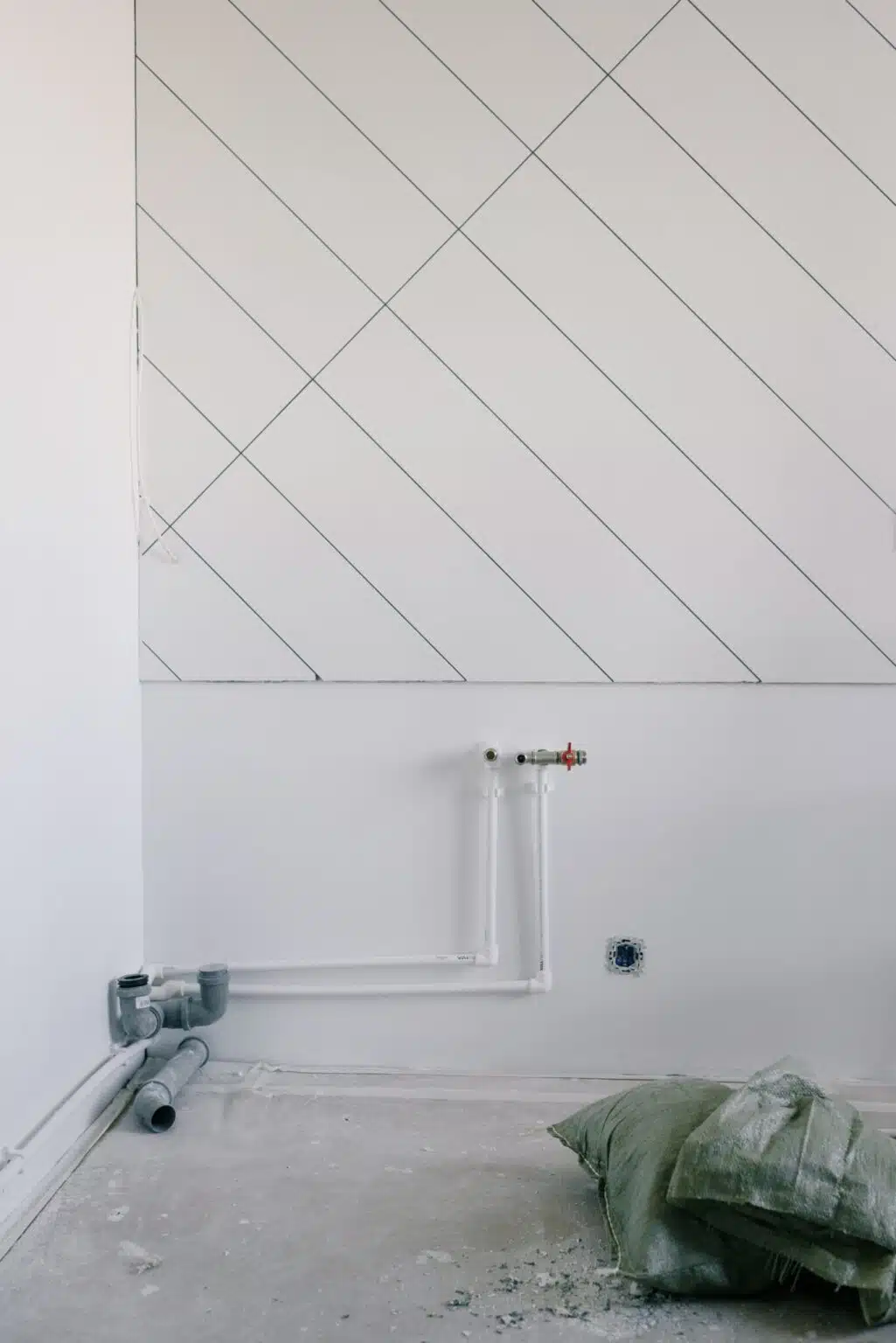
Garage and utility room upgrades are often overlooked during home improvement projects, but these spaces can make everyday household tasks much easier when the plumbing is planned well. Whether you are creating a better laundry area, adding a utility sink, organizing outdoor water access, or improving appliance connections, a few smart plumbing decisions can make the space more functional, easier to maintain, and better prepared for future repairs.
Unlike decorative remodeling projects, garage and utility room plumbing is all about practicality. The goal is to create a layout that supports real daily use while keeping pipes, valves, drains, and connections accessible. Before starting any project, homeowners should think carefully about where water is needed, where it should drain, and how easy it will be to shut off or service the system later.
Add a Utility Sink for Everyday Cleanup
A utility sink is one of the most useful upgrades for a garage, basement, laundry room, or mudroom. It gives homeowners a dedicated place to rinse paint brushes, clean muddy shoes, wash pet supplies, soak laundry, or handle messy tasks without using a kitchen or bathroom sink.
When planning a utility sink, the first step is checking nearby water supply and drain access. If the sink is close to existing laundry plumbing, installation may be simpler. However, if the sink is being added to a garage wall with no existing water lines, homeowners should plan the route for hot and cold supply pipes, drain lines, and proper venting before opening walls or floors.
It is also important to choose the right valves and fittings for the space. Shut-off valves under or near the sink make future maintenance easier. If a faucet, supply hose, or connection needs to be replaced later, homeowners should not have to shut off water to the whole house.
Plan Hose Bibbs for Garage and Outdoor Use
A hose bibb is another practical upgrade for garages and utility areas. Many homeowners only think about outdoor hose bibbs, but having one inside or near the garage can be useful for washing tools, rinsing garage floors, filling buckets, or connecting a hose for outdoor cleaning.
When adding or replacing a hose bibb, location matters. It should be placed where it is easy to reach but not in the way of vehicles, storage shelves, or workbenches. If the hose bibb is exposed to cold weather, homeowners should also consider freeze protection and proper shut-off access.
For projects that involve outdoor water access, it is a good idea to choose durable plumbing parts and make sure the connection type matches the existing pipe system. Homeowners planning this type of upgrade can browse plumbing supplies, valves, fittings, and related parts at PlumbingSell to compare options before starting the project.
Make Shut-Off Valves Easy to Reach
One of the most common plumbing mistakes in garages and utility rooms is hiding shut-off valves behind appliances, cabinets, shelves, or finished walls. This can turn a simple repair into a frustrating problem later.
Every major water connection should have an accessible shut-off valve. This includes utility sinks, washing machines, water heaters, hose bibbs, refrigerator water lines, and other appliances. If a supply hose leaks or an appliance needs to be replaced, an easy-to-reach valve can help prevent water damage and reduce repair time.
During a home improvement project, it is worth mapping out all shut-off points before installing drywall, storage systems, or built-in cabinets. Even if the final space looks cleaner with pipes hidden, access panels or open utility zones can make maintenance much easier.
Think Carefully About Drain Planning
Drainage is especially important in utility rooms and garages because these spaces often handle dirty water, laundry discharge, or occasional spills. A poorly planned drain can lead to slow drainage, odors, clogs, or water backing up into the wrong area.
For utility sinks and laundry connections, homeowners should confirm the correct drain size, trap placement, and venting requirements. If a garage floor drain is part of the project, the slope of the floor and the drain’s destination should be checked carefully. Not every garage is designed for water drainage, and local codes may affect what can be connected to a drain system.
It is also helpful to think about future cleaning access. Cleanouts and removable drain sections can make a big difference if the line needs to be cleared later. A plumbing layout that is easy to inspect is usually easier and cheaper to maintain.
Keep Pipe Runs Accessible and Organized
Garages and utility rooms often have exposed pipes, which can actually be an advantage. Instead of hiding every line, homeowners can use clean, organized pipe runs that are easier to inspect and repair.
Accessible pipe runs are especially useful near water heaters, laundry machines, filtration systems, and utility sinks. Pipes should be supported properly, protected from impact, and routed in a way that avoids unnecessary bends or awkward connections. In a garage, pipes should also be kept away from areas where they may be hit by tools, bikes, storage bins, or vehicles.
When planning pipe routes, homeowners should confirm pipe size, material, and connection type before ordering parts. Mixing incompatible fittings or guessing measurements can delay a project and create avoidable leaks. Ordering the right parts early from a plumbing-focused supplier such as PlumbingSell can help keep renovation work moving smoothly.
Upgrade Appliance Connections
Utility rooms often include several appliance connections, such as washing machines, water heaters, refrigerators, filtration systems, or softeners. Each appliance should have secure supply lines, reliable shut-off valves, and enough clearance for future service.
For washing machines, consider a proper outlet box with hot and cold valves and a drain connection. For refrigerators or ice makers, make sure the supply line is protected and easy to shut off. For water heaters, check that valves, connectors, and nearby pipe sections are in good condition before building around the space.
Final Thoughts
Garage and utility room plumbing may not be the most visible part of a home improvement project, but it can have a major impact on everyday convenience. A well-planned utility sink, accessible shut-off valves, smart drain layout, organized pipe runs, and reliable appliance connections can make the home easier to use and easier to maintain.
Before starting the work, homeowners should take time to measure carefully, check connection types, plan access points, and order the right parts early. Practical plumbing planning helps avoid last-minute problems and creates a garage or utility room that works better for years to come.