
If you are wondering, can you bleach damp hair? You’re not alone. Several people think wet hair might be gentler for bleaching.
What you can learn from this is that applying bleach to wet hair can cause more damage than you’d expect. It dilutes the bleach, making it less effective while still harming your hair.
This leaves you with uneven results and potential breakage. We’ll show you how to put bleach on wet hair or damp hair.
Read further to know the pros and cons.
What is Hair Bleaching?
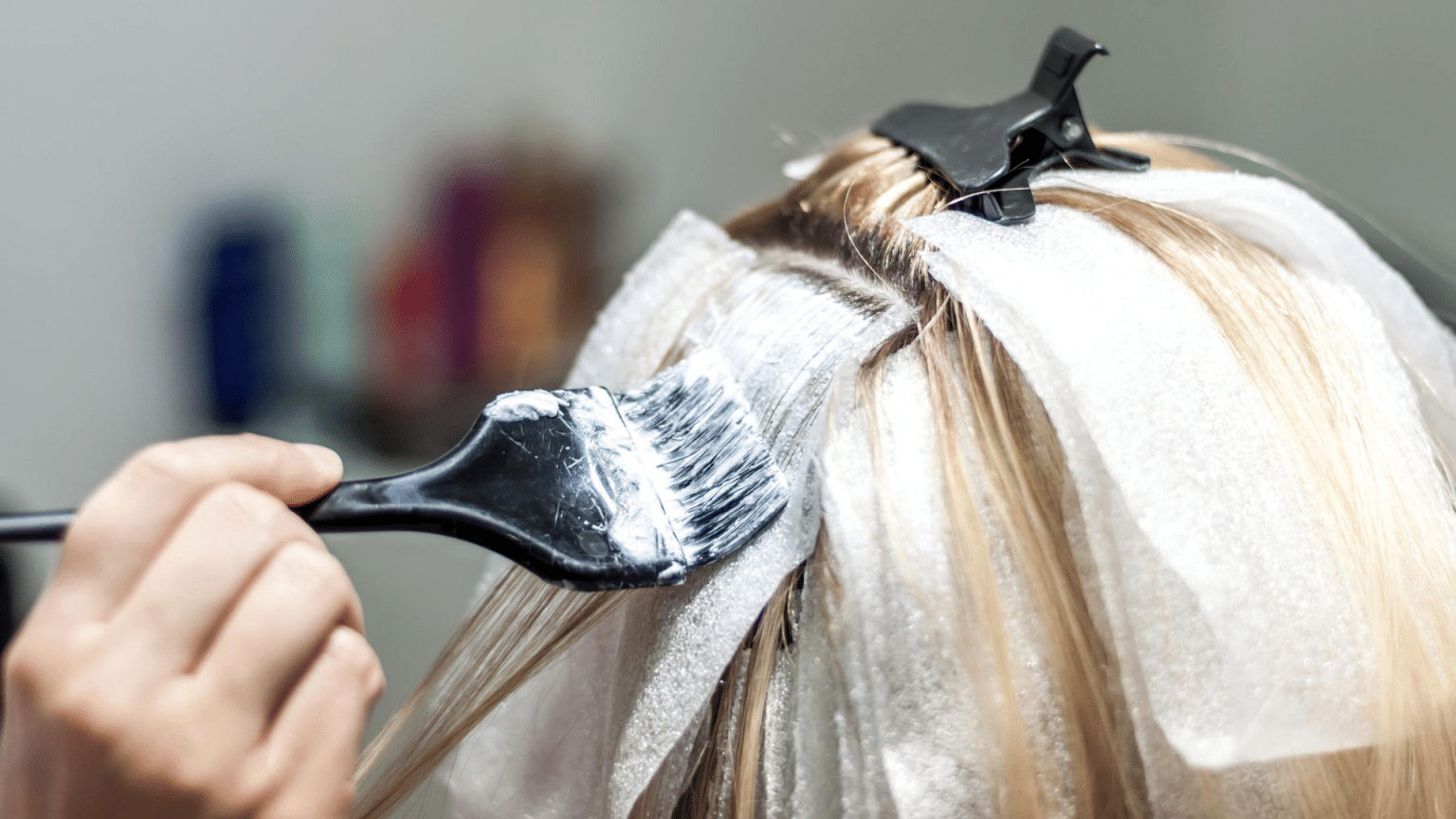
Hair bleaching is a chemical process that strips color from your hair. The main ingredients are hydrogen peroxide and peroxides. These work together to break down melanin, which gives your hair its natural color.
Think of it like erasing ink from paper. The peroxide opens up your hair cuticles, while persulfates destroy the melanin molecules inside.
The process of lightening your hair also weakens it. That’s why bleaching requires careful handling and proper technique to avoid serious damage.
Can You Put Bleach on Wet Hair?
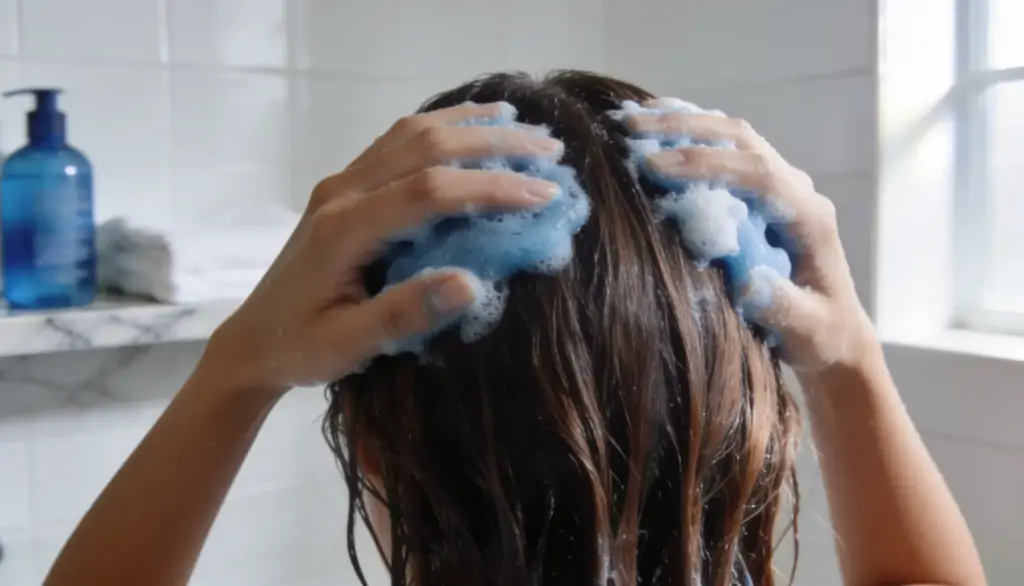
Technically, one can apply bleach to wet hair, but it’s not recommended for most situations. The process becomes unpredictable and risky when water is involved.
Wet hair dilutes the bleach mixture, reducing its effectiveness while still causing damage. The moisture makes hair more fragile and prone to breakage during chemical processing.
Water also interferes with even application, often resulting in patchy, uneven highlighting.
While some professional techniques use damp hair for specific effects, these require expert knowledge and specialized products.
For average users seeking consistent results, dry hair bleaching remains the safer, more controllable option with predictable outcomes.
Is It Safe to Bleach Wet Hair at Home? Pros & Cons
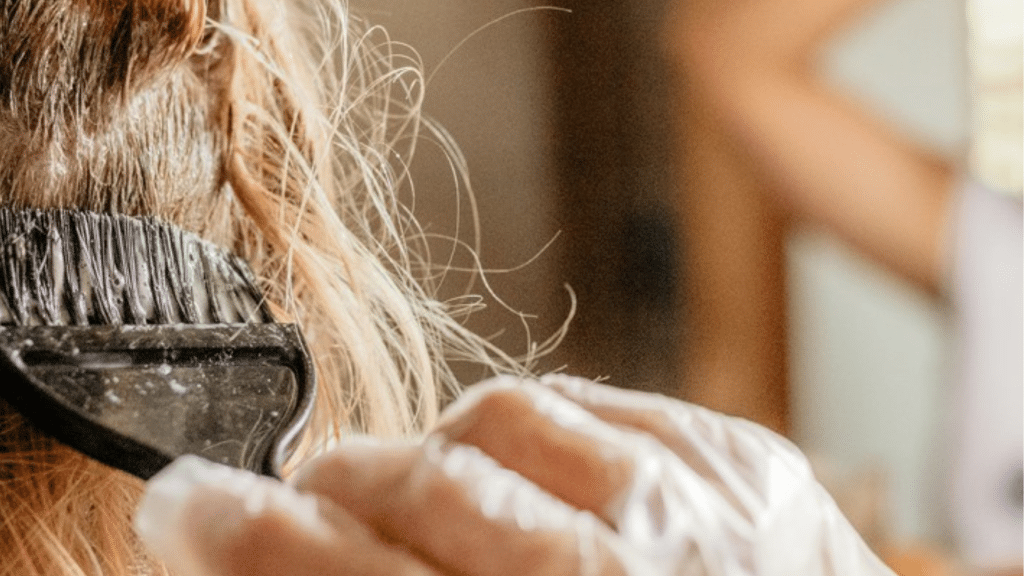
Bleaching wet hair at home is risky and not recommended. While it might seem like a quick fix, the combination of water and bleach creates unpredictable results.
Water dilutes the bleach, causes uneven results, and significantly increases the risk of damage. Home bleaching already requires skill and experience.
You must also learn the risks and rewards associated with at-home bleaching of wet hair.

- Slower Processing Speed: Water can slow down the bleaching process, giving you slightly more time to monitor and control the lightening effect.
- Easier Product Distribution: Wet hair can help the bleach mixture spread more smoothly through your strands, reducing clumping in some cases.
- Less Initial Shock to Hair: The gradual introduction of chemicals to already-moist hair may feel less harsh initially than applying to completely dry strands.
- Reduced Static and Flyaways: Wet hair eliminates static electricity, making it easier to section and handle during the application process.
- Potential for Subtle Effects: Professional colorists sometimes use damp hair techniques to achieve softer, more natural-looking highlights and color transitions.

- Severe Hair Breakage: Wet hair is already weakened, and bleach makes it even more fragile. This combination often leads to hair snapping off during or after the process.
- Uneven Color Results: Water prevents bleach from spreading evenly across your hair. You’ll likely end up with patchy, blotchy lightening that’s hard to fix.
- Chemical Burns on Scalp: Wet conditions can cause bleach to drip onto your scalp more easily. This increases your risk of painful chemical burns and irritation.
- Unpredictable Processing Time: Water affects the speed of bleach’s effectiveness. You can’t time the process properly, which can lead to over-processing or under-processing your hair.
Professional Techniques for Bleaching Wet Hair
Professional wet bleaching includes several specialized methods.
Each technique serves a specific purpose and requires expert knowledge to perform safely. These aren’t DIY-friendly approaches.
While wet hair bleaching isn’t recommended for home use, some professional techniques do exist. These methods require years of training and experience to execute safely.
Professional colorists understand hair chemistry and can control variables that home users can’t.
1. Wet Balayage / Brightened Ends
This technique creates soft, natural-looking highlights using slightly damp hair.
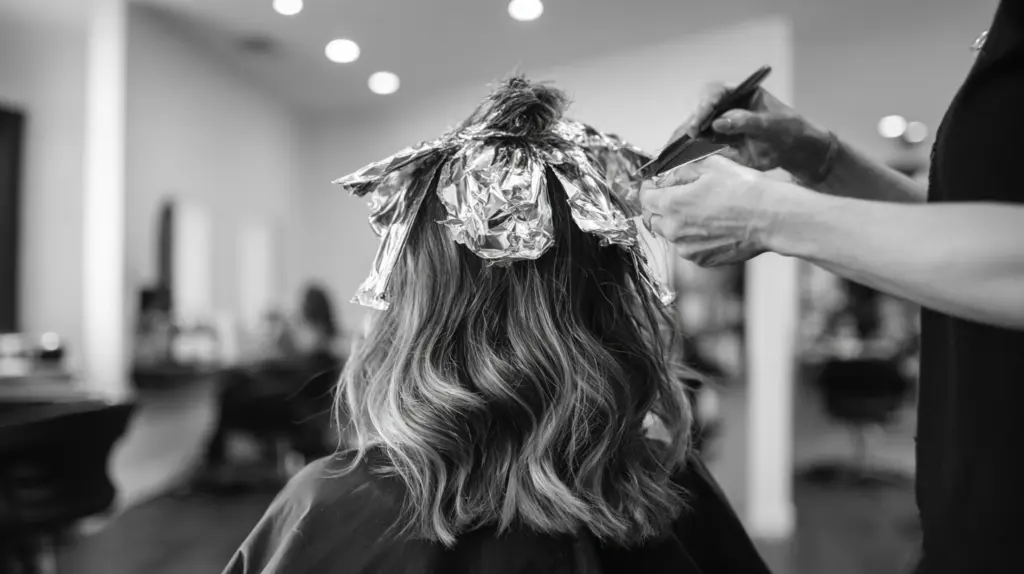
Stylists apply bleach to specific sections while the hair is barely moist. The dampness helps control how the bleach spreads, creating a more blended, less harsh transition between colors.
This method requires precise sectioning and expert application to avoid over-processing. Professional colorists use this technique to achieve sun-kissed effects that look naturally grown-out rather than obviously processed.
2. Bleach Bath (Diluted Bleach + Shampoo)
A bleach bath mixes bleach powder with shampoo and developer for gentler lifting. This diluted mixture removes some color without the harshness of full-strength bleach.
However, it still contains strong chemicals that can cause damage if used incorrectly at home.
The shampoo helps distribute the bleach more evenly while providing some conditioning benefits. This method is ideal for safely removing artificial color or lightening hair by just a few shades.
3. Diluted Application for Subtle Looks
Professionals use watered-down bleach solutions for minor color corrections and toning. This technique helps you put bleach on wet hair, adjust slight color issues, or create subtle shifts in hair tone.
The dilution makes the process more controllable but requires expert timing and assessment.
Stylists carefully calculate the right dilution ratio based on hair condition and desired results. This method is particularly useful for fixing uneven color or preparing hair for toner application without causing excessive damage.
4. Ombre Bleach Style
This method creates the popular ombre effect using graduated bleach application on damp ends.
Stylists apply stronger bleach to the tips and weaker solutions higher up. The moisture helps blend the transition zones for a natural-looking fade from dark to light.
Professional application ensures smooth color gradation without harsh lines. The damp hair technique allows for better feathering and blending, creating that coveted seamless transition from natural roots to lightened ends.
Bleach Bath Vs. Traditional Bleaching
Here’s a quick side-by-side to clarify how a bleach bath compares with traditional bleaching.
A bleach bath dilutes powder bleach with shampoo for a gentler lift, while traditional bleaching uses full-strength developer for higher lift and more dramatic changes. Each has different use cases, risks, and outcomes.
| Criteria | Bleach Bath | Traditional Bleaching |
|---|---|---|
| Mix & Formula | Powder bleach + developer diluted into shampoo/conditioner; lower active concentration. | Powder bleach + developer only; undiluted, controlled mix ratios. |
| Lightening Power | Subtle lift (about 1–2 levels); good for soft refresh. | Strong lift (3+ levels, depending on hair and developer); dramatic change. |
| Damage & Scalp Sensation | Milder; typically less drying/irritating, but still needs caution and aftercare. | Harsher; higher risk of dryness, breakage, and scalp sensitivity without strict timing and care. |
| Best Use Cases & Control | Tone down brass, remove staining/product buildup, and perform gentle prep before dyeing; this approach is slower and more forgiving. | Major color changes, heavy corrections, lifting dark dye; faster, precise, usually pro-level timing. |
Oils for Hydrating Hair
After bleaching wet hair, your strands need intensive moisture repair. Natural oils can help restore hydration, seal damaged cuticles, and protect your hair from further damage during the recovery process.

Argan Oil
Argan oil is rich in vitamin E and fatty acids that penetrate deep into damaged hair shafts.
This lightweight oil doesn’t weigh hair down while providing essential moisture to bleached strands. It helps smooth rough cuticles and adds natural shine without leaving a greasy residue.
Apply a few drops to damp hair, focusing on mid-lengths and ends. Argan oil also offers heat protection when styling and can be used daily as a leave-in treatment for ongoing nourishment.
Coconut Oil
Coconut oil has small molecules that can actually penetrate the hair shaft rather than just coating the surface. This makes it “can you put bleach on wet hair” easier, particularly effective for repairing bleach damage from the inside out. Its antimicrobial properties also help maintain a healthy scalp environment.
Use it as a pre-shampoo treatment by applying generously and leaving for 30 minutes before washing.
For daily use, warm a small amount between your palms and work through damp hair, avoiding the roots to prevent greasiness.

Jojoba Oil
Jojoba oil closely mimics your scalp’s natural sebum, making it ideal for all hair types, including bleached hair. It helps balance moisture levels without clogging pores or weighing hair down.
Jojoba oil is particularly good for sensitive scalps that may be irritated after bleaching. It absorbs quickly and provides long-lasting hydration while helping to repair damaged hair bonds.
You may apply to clean, damp hair as a leave-in treatment or mix a few drops with your regular conditioner for extra moisturizing power.

Sweet Almond Oil
Sweet almond oil is packed with proteins, omega fatty acids, and vitamins that help strengthen weakened hair after chemical processing.
It’s particularly effective at reducing breakage and split ends common after bleaching. This mild oil works well for fine hair that gets easily weighed down by heavier oils. It also helps improve hair elasticity and manageability while adding subtle shine.
Use it as an overnight treatment on ends or apply sparingly to damp hair before styling for added protection and moisture retention.
Do’s & Don’ts of Wet Hair Bleaching
These guidelines won’t eliminate all risks but may prevent the worst outcomes.


Final Thoughts
So, can you put bleach on wet hair? The answer depends on your goals and experience level.
Yes, wet bleaching works for subtle lightening when done with careful technique, but it’s much safer in a salon setting. No, if you’re looking for dramatic, uniform results, or if you lack experience with hair chemicals.
Dry bleaching gives you far more control and predictable outcomes. Remember, your hair’s health matters more than quick results.
Consulting professionals helps reduce risks, especially with trendy at-home methods like bleach baths. When in doubt, book that salon appointment.