

Most people shampoo their hair without a second thought.
But conditioning? That part often gets skipped or done wrong. And your hair pays the price: dryness, breakage, and frizz that just won’t quit.
The answer to this is simple, but it raises another question: “Is leave-in conditioner better or regular conditioning?”
The right conditioning routine can make a real difference, and it’s not the same for everyone.
How Often Should You Condition Your Hair?
I used to condition my hair just once a week and called it a day.
Turns out, that wasn’t doing my hair any favors. So, how often should hair be conditioned for best health? The answer depends on your hair type.
For most people, conditioning after every wash works well. If you wash your hair daily, a light conditioner each time keeps it from drying out.
If you wash two to three times a week, condition every single time. People with dry or curly hair may need to condition more often.
Those with fine or oily hair might condition less frequently. There’s no one-size-fits-all answer; your hair tells you what it needs.
Benefits of Applying Conditioner
- Conditioner keeps your hair moisturized and soft. I noticed a real difference in texture once I started conditioning regularly after every wash.
- It helps reduce breakage. My hair used to snap off at the ends constantly conditioner gave it the strength it was seriously missing.
- Conditioner smooths the hair cuticle, reducing frizz. That alone made my mornings so much easier and quicker.
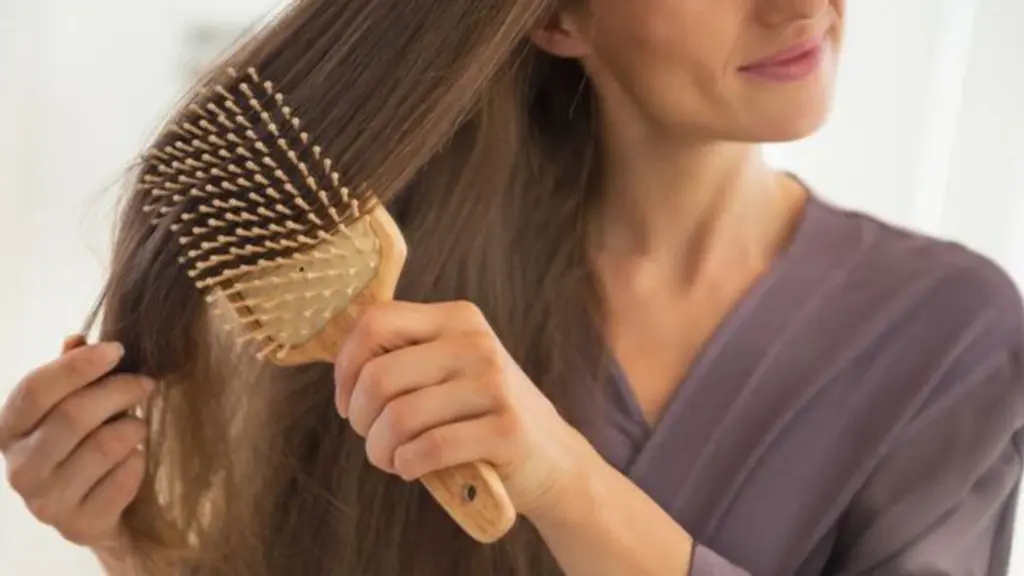
- It makes detangling a lot less painful. Running a comb through conditioned hair feels effortless compared to dry, knotted strands.
- Regular conditioning adds shine. Hair looks healthier, fresher, and more polished with little effort.
- It protects your hair from heat and environmental damage, acting as a light shield during styling.
How to Apply Conditioner the Right Way
Knowing how often hair should be conditioned for best health is just one part of it. How you apply it matters just as much. Here are three ways to do it right.
1. Rinse-Out Conditioner
This is the one I use most often. Apply it after shampooing, focusing on the mid-lengths and ends, and leave it on for 2 to 3 minutes.
Then rinse thoroughly with cool water. It’s quick, easy, and works well for most hair types when used after every wash.
2. Leave-In Conditioner
I started using this on days when my hair felt extra dry.
You apply it to damp hair and don’t rinse it out. It keeps moisture locked in throughout the day and works great for curly or thick hair types.
3. Deep Conditioner
Think of this as a weekly hair treatment. Apply a generous amount, leave it on for 20 to 30 minutes, then rinse.
I do this once a week, and my hair feels noticeably softer and stronger every single time.
How to Tell if You’re Over-conditioning?
Yes, too much of a good thing is possible even with conditioner.
I found this the hard way when my hair started feeling limp and greasy, even right after washing.
If your hair feels heavy, looks flat, or loses its natural bounce, you may be overconditioning. Fine or oily hair types are most at risk.
Try cutting back on how often you condition or switch to a lighter formula. Your hair will find its balance again.
How to Tell if You’re Underconditioning?
Just as overconditioning can be a problem, underconditioning can leave your hair in poor condition, too.
I went through a phase where I skipped conditioner for weeks, and my hair made sure I knew about it.
If your hair feels rough, dry, or straw-like after washing, that’s a clear sign.
Constant tangling, excessive breakage, and a dull appearance are other red flags. Split ends that seem to multiply overnight are also telling.
If any of this sounds familiar, it’s time to add conditioning back into your routine more consistently.
Wrap Up
Some days your hair needs more, some days less.
The signs are always there: dryness, limpness, breakage; you just need to pay attention.
Once I started doing that, my whole routine changed for the better. Condition too little and your hair suffers.
Condition it too much, and it loses its life. Finding that middle ground is what makes all the difference.
Start with conditioning after every wash, adjust based on how your hair feels, and switch up your conditioner type when needed.
Got questions or tips that worked for you? Drop them in the comments below.
Frequently Asked Questions
1. How Often is it Healthy to Condition Hair?
Most hair types benefit from conditioning after every wash. Dry or curly hair may need more frequent conditioning than fine or oily hair.
2. How Often do Dermatologists Recommend You Wash Your Hair?
Dermatologists generally recommend washing hair two to three times a week. Daily washing suits oily scalps, while dry hair needs less frequent washing.
3. What are the Signs of Over-Conditioned Hair?
Over-conditioned hair feels limp, mushy when wet and looks flat. It may also feel greasy shortly after washing, losing its natural bounce.
4. How Can I Tell if my Hair is Getting Healthier?
Healthier hair feels softer, breaks less, and looks shinier. Fewer split ends and easier detangling are also strong signs of improvement.