

Key Takeaways
- Small home updates can reduce common barriers and make daily tasks easier.
- Wearable alerts, medication tools, and connected devices can add support while preserving personal choice.
- The best technology is simple, tested, and matched to the individual using it.
- Family support works best when it is based on partnership rather than control.
- Community resources, transportation, and social connections matter just as much as devices.
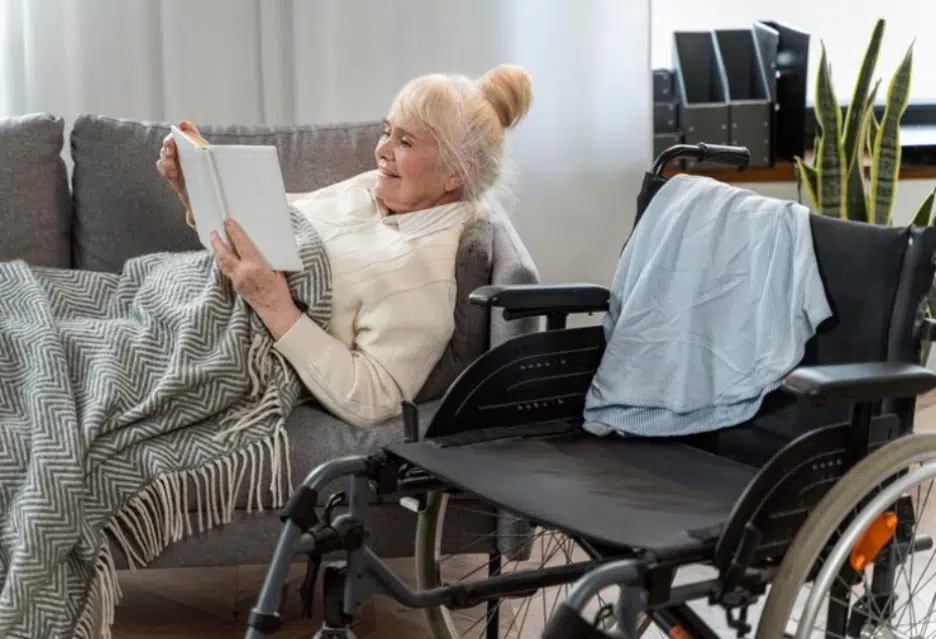
Living independently is not simply about staying in one place or doing every task alone. It is about having choices, feeling confident in daily routines, and knowing that support is available when it is needed. For many older adults, a few thoughtful home changes and easy-to-use tools can make everyday life safer without making the home feel overly medical.
The right approach looks different for every person. One household may benefit most from brighter lighting and grab bars, while another may need medication reminders, transportation support, or a personal medical alert system that offers a fast way to call for help. The goal is not to add technology for its own sake. It is to reduce stress, support personal preferences, and make familiar routines easier to manage.
Why Independent Living Looks Different in 2026
Independence can take place in a longtime family home, an apartment, a senior community, or a shared household with relatives. It does not mean refusing assistance. It means having the information, tools, and support needed to continue making meaningful decisions.
A useful plan considers the person as a whole. Mobility, eyesight, hearing, memory, health conditions, income, comfort with technology, and daily habits all affect which changes will be helpful. A voice-controlled device may be convenient for one person but frustrating for another. Likewise, a simple paper checklist may be more effective than a complicated app.
Home Updates That Make Daily Tasks Easier
Practical home design can prevent small obstacles from becoming larger problems. The most effective updates fit naturally into normal routines and help the home remain welcoming, familiar, and comfortable.
Useful Home Changes to Consider
- Add brighter lighting in hallways, stairways, entrances, kitchens, and bathrooms.
- Keep walking paths clear of loose cords, small furniture, clutter, and unsecured rugs.
- Use non-slip surfaces in bathrooms and other areas that may get wet.
- Install properly secured grab bars near toilets and inside or beside showers.
- Choose lever-style door handles and easy-to-grip cabinet pulls where possible.
- Place frequently used items on shelves within reach, without bending or climbing.
- Add motion-sensor lights for nighttime trips to the bathroom or kitchen.
- Use contrasting tape or visual markings to make steps and raised edges easier to see.
Falls can have serious consequences, but many home hazards are manageable.
Wearable Alerts and Fast Access to Help
Wearable alert devices can provide reassurance for people who live alone, spend time outdoors, or have concerns about falls or medical emergencies. Depending on the device, the user may press a button to contact an emergency response center, a family member, or another designated contact.
Features Worth Comparing
- Two-way voice communication through the device or a nearby base unit.
- Cellular coverage for use away from home.
- Water resistance for use near showers, sinks, and during daily activities.
- Optional fall detection.
- GPS location features for errands, walks, and travel.
- Battery life, charging habits, and replacement needs.
- Emergency contact options and monitoring availability.
Automatic fall detection can be useful, but it may not recognize every fall or may occasionally activate when no help is needed. It should be one part of a broader safety plan that includes a safer home, reliable communication, regular check-ins, and a clear emergency plan.
Smart-Home Tools That Support Daily Routines
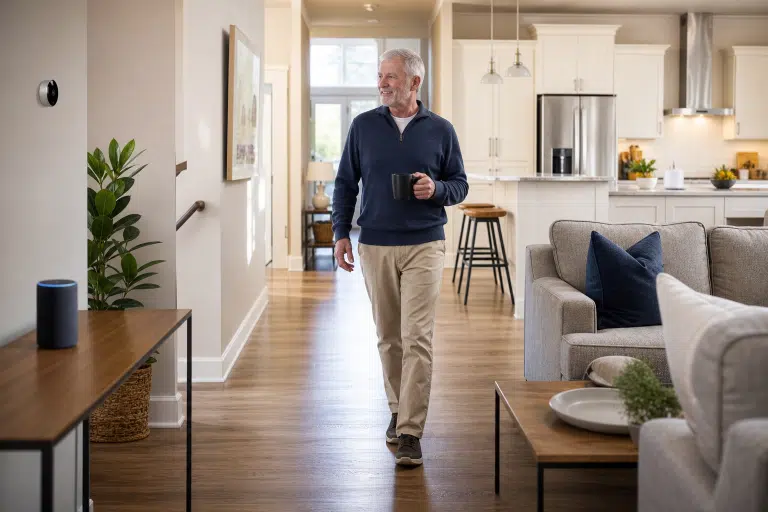
Smart-home technology can be helpful when it removes a task rather than creating another one. The simplest setups usually work best, especially when controls are clear and a trusted person can help with installation and occasional updates.
- Voice assistants can set timers, make calls, announce reminders, and provide weather updates.
- Smart plugs can turn lamps on and off without reaching behind furniture.
- Door and window alerts can notify a household when an entry point opens.
- Smart thermostats can simplify temperature control and reduce the need for repeated adjustments.
- Video doorbells can help residents identify visitors before opening the door.
- Water-leak sensors can provide an early warning near toilets, sinks, washing machines, and water heaters.
- Automatic stove shut-off devices may offer added peace of mind for households concerned about unattended cooking.
Medication and Health Reminder Tools
Medication organizers, reminder clocks, phone alerts, and automated dispensers can help create a dependable routine. These tools do not replace advice from a doctor, pharmacist, or care professional, especially when a medication schedule changes.
Questions to Ask Before Choosing a Tool
- Can the user comfortably read the screen, labels, and instructions?
- Are alerts loud enough, visual enough, or both?
- Can a trusted contact receive a missed-dose notification if desired?
- Does the tool require Wi-Fi, cellular service, or a smartphone?
- Is the setup manageable for everyday use?
- What happens if the battery is low or the power goes out?
Communication Tools That Reduce Isolation
Regular contact supports both emotional well-being and practical safety. A phone, tablet, simplified video-calling device, or captioned calling service can make it easier to stay in touch with family, neighbors, clubs, and care teams.
- Use large text, high contrast, and simplified home screens.
- Keep important contacts visible and easy to select.
- Set a predictable call or video-chat schedule.
- Turn on captioning features when hearing loss makes conversations difficult.
- Teach one task at a time and keep written instructions nearby.
Transportation and Community Support
Independence extends beyond the front door. Reliable transportation, meal support, exercise classes, home repair programs, and friendly visitor services can help older adults remain active in their communities.
Helpful community resources may include reduced-fare transit, demand-response rides, meal delivery, balance classes, library technology help, caregiver groups, senior-center programs, and volunteer check-in services. These supports can be especially valuable when driving becomes less practical or when a person is recovering from illness or injury.
How to Choose the Right Solution
- Start with the daily challenge: Identify the task that feels difficult, unsafe, or stressful.
- Ask the older adult first: Include the person who will use the solution in every decision.
- Choose the simplest effective option: Avoid extra features that create confusion without clear value.
- Check compatibility: Consider internet access, cellular coverage, vision, hearing, mobility, and charging needs.
- Review the full cost: Include equipment, subscriptions, installation, batteries, repairs, and replacement parts.
- Practice using it: Test alerts, charging, emergency contacts, and backup steps before relying on the tool.
- Revisit the plan: Update it after a fall, hospital stay, move, medication change, or change in mobility.
Conclusion
Modern tools can make independent living safer and more comfortable, but technology is only part of the picture. A well-lit home, clear routines, accessible transportation, meaningful relationships, and dependable help all work together. The strongest plan is simple, respectful, and centered on the older adult’s goals, so independence remains defined by choice, confidence, and connection.