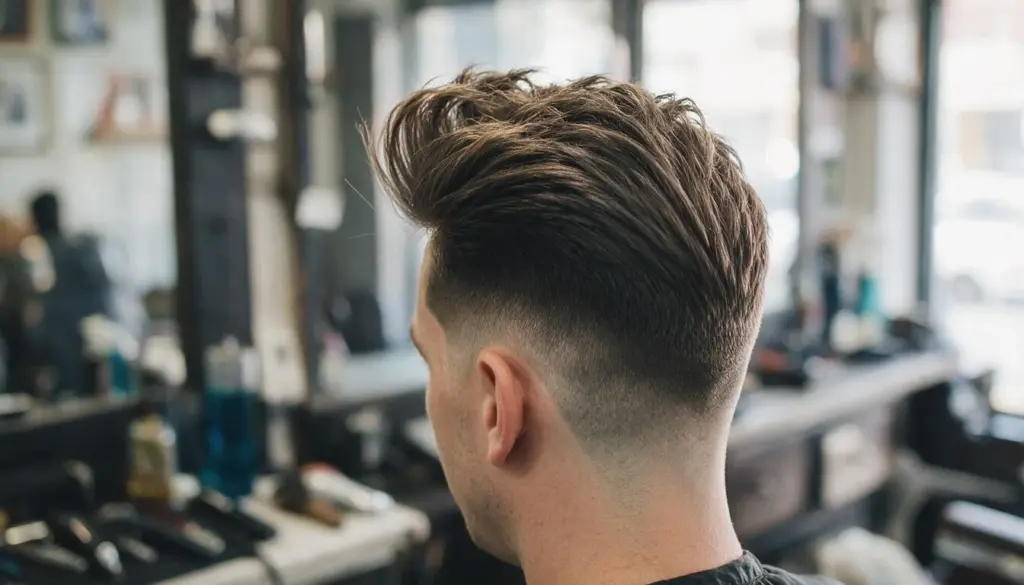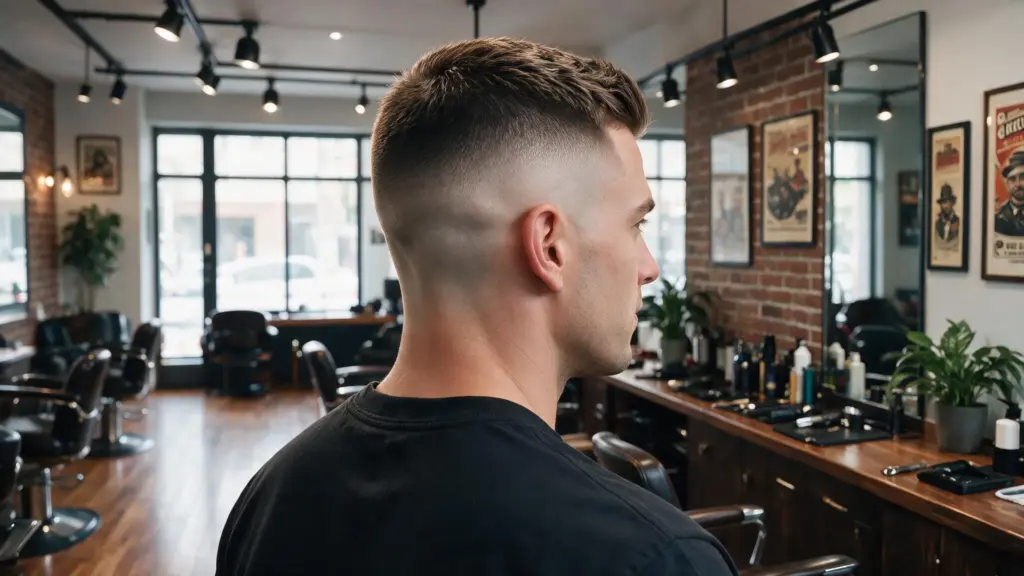

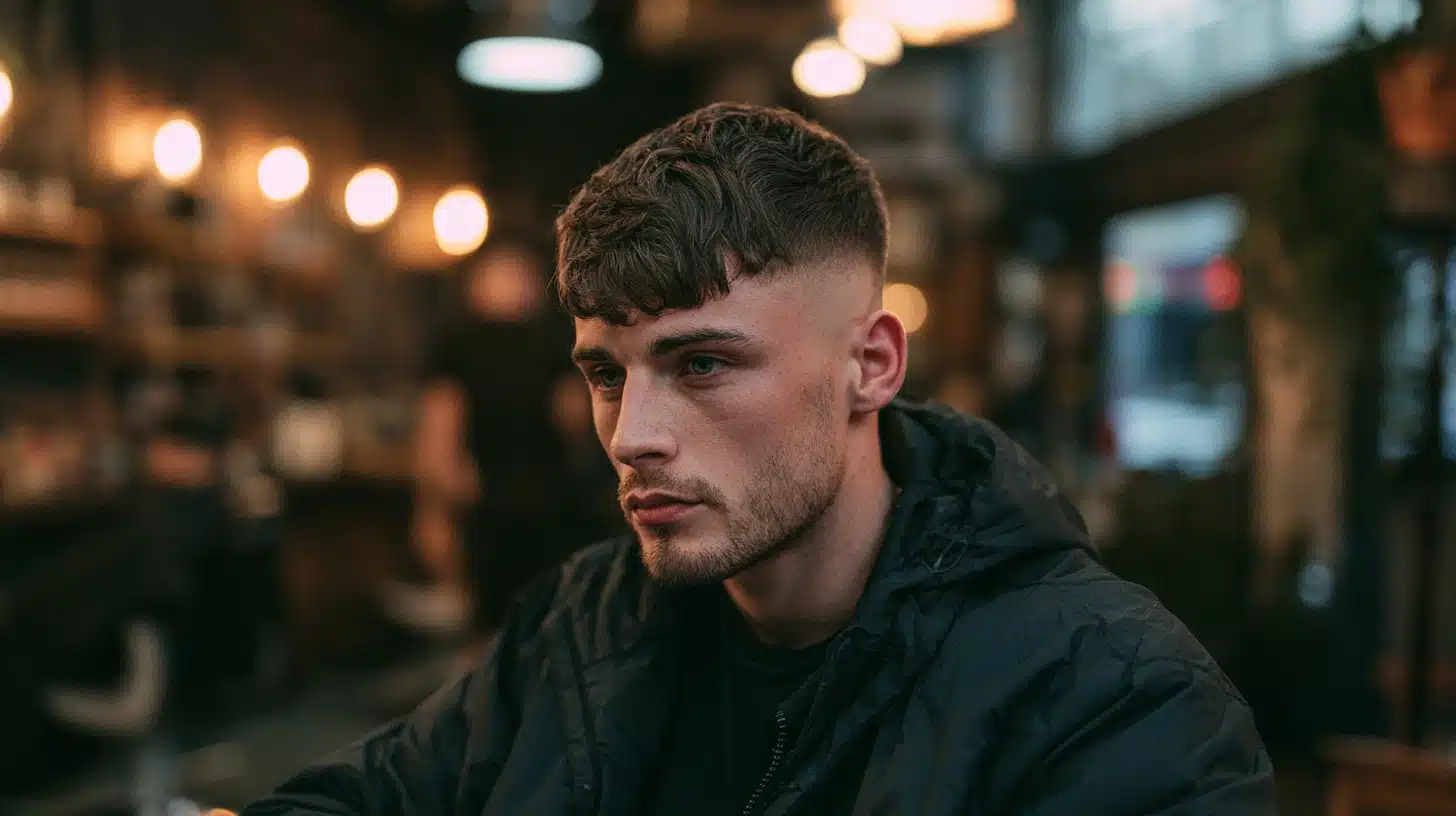
Half of the guys walk into the chair with three screenshots already pulled up before the cape even goes on.
One style keeps dominating those searches: the Edgar haircut, a bold fringe-and-fade combination tied closely to Edgar Mexican barbershop roots.
Its sharp lines and clean structure explain why barbers hear the request daily.
Fifteen variations sit ahead, covering different hair textures, face shapes, and styling preferences worth saving before the next haircut appointment.
The Basics of the Cut
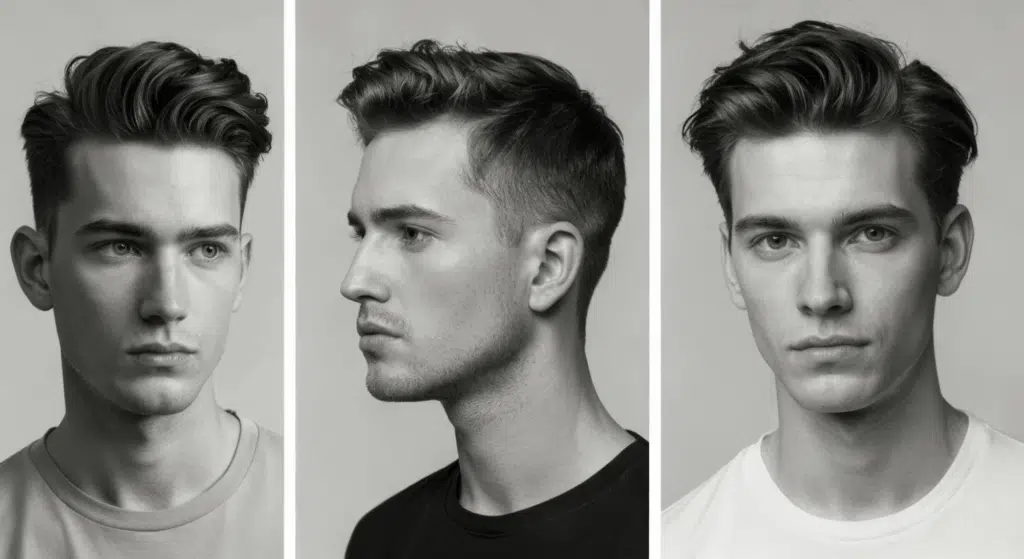
This haircut starts with a straight fringe cut clean across the forehead, then drops into short, faded sides.
The top gets left a little thicker so it can stand up or push forward for that bold, sharp shape barbers know so well.
A Caesar cut fades evenly with no real break between top and sides. This one does the opposite on purpose: the fringe stays blunt and heavy while the sides drop off fast, so the contrast is the whole point.
Straight hair takes to it easily, and wavy or curly hair can pull it off too once a barber shapes the sides right. Face shape barely matters here either, since round, square, oval, and heart-shaped faces all wear the fringe well.
Edgar Haircut Variations to Try
Barbers see plenty of interpretations of the haircut walk through the door, and no two clients usually want the same version.
Some lean sharp and minimal, others bring in curls, waves, or extra length.
The list below covers several ways to wear this cut, along with who each one suits best and what to say when the chair spins around.
1. Classic Edgar
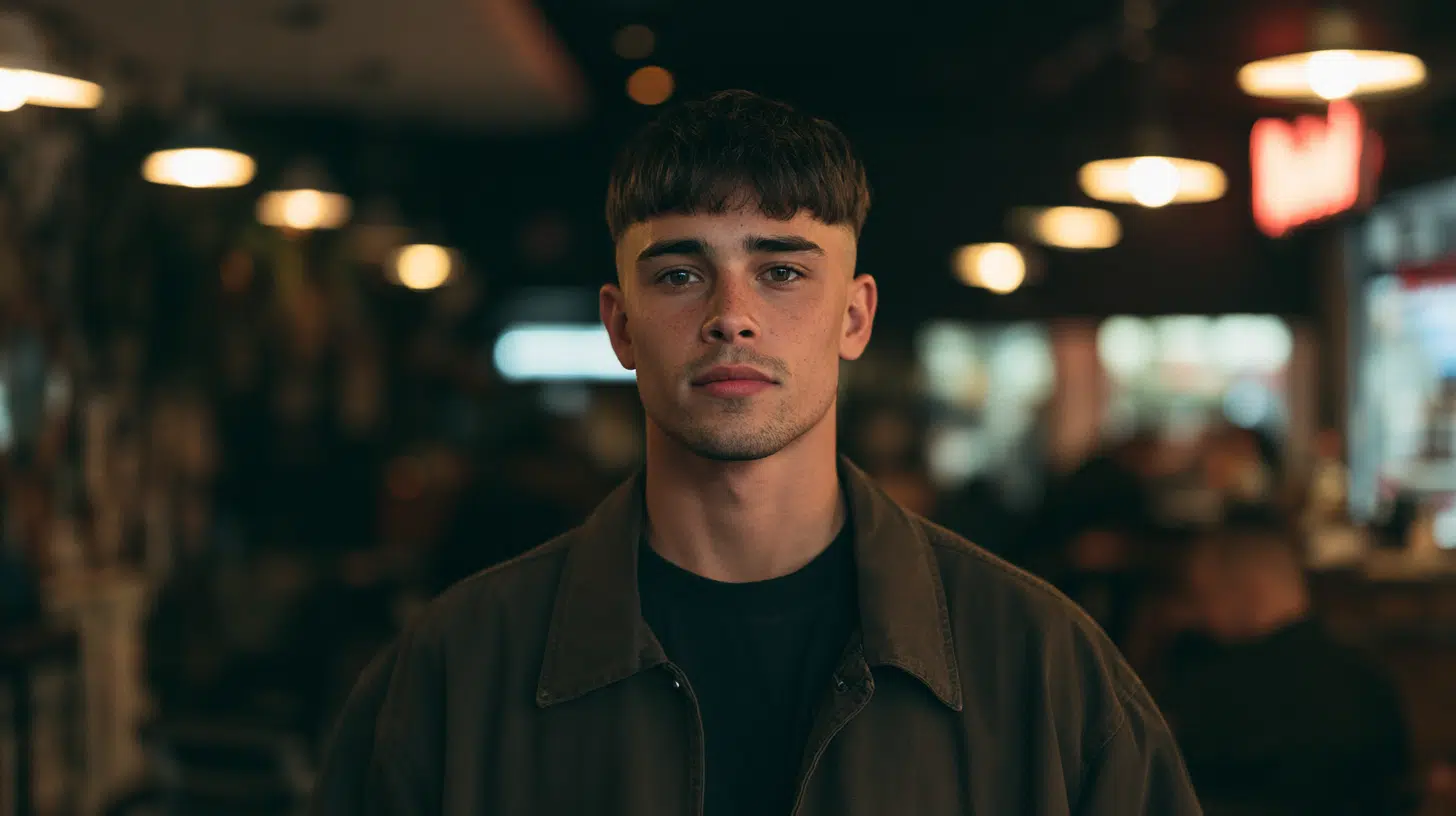
Nothing beats the original for a first attempt at this style: straight fringe, faded sides, even top.
Bring it as a reference photo for a first-time fringe cut; it’s the hardest to get wrong.
Thick, straight hair holds it best. Curly hair can work too, but expect a touch-up every couple of weeks instead of three.
2. Low Fade Edgar
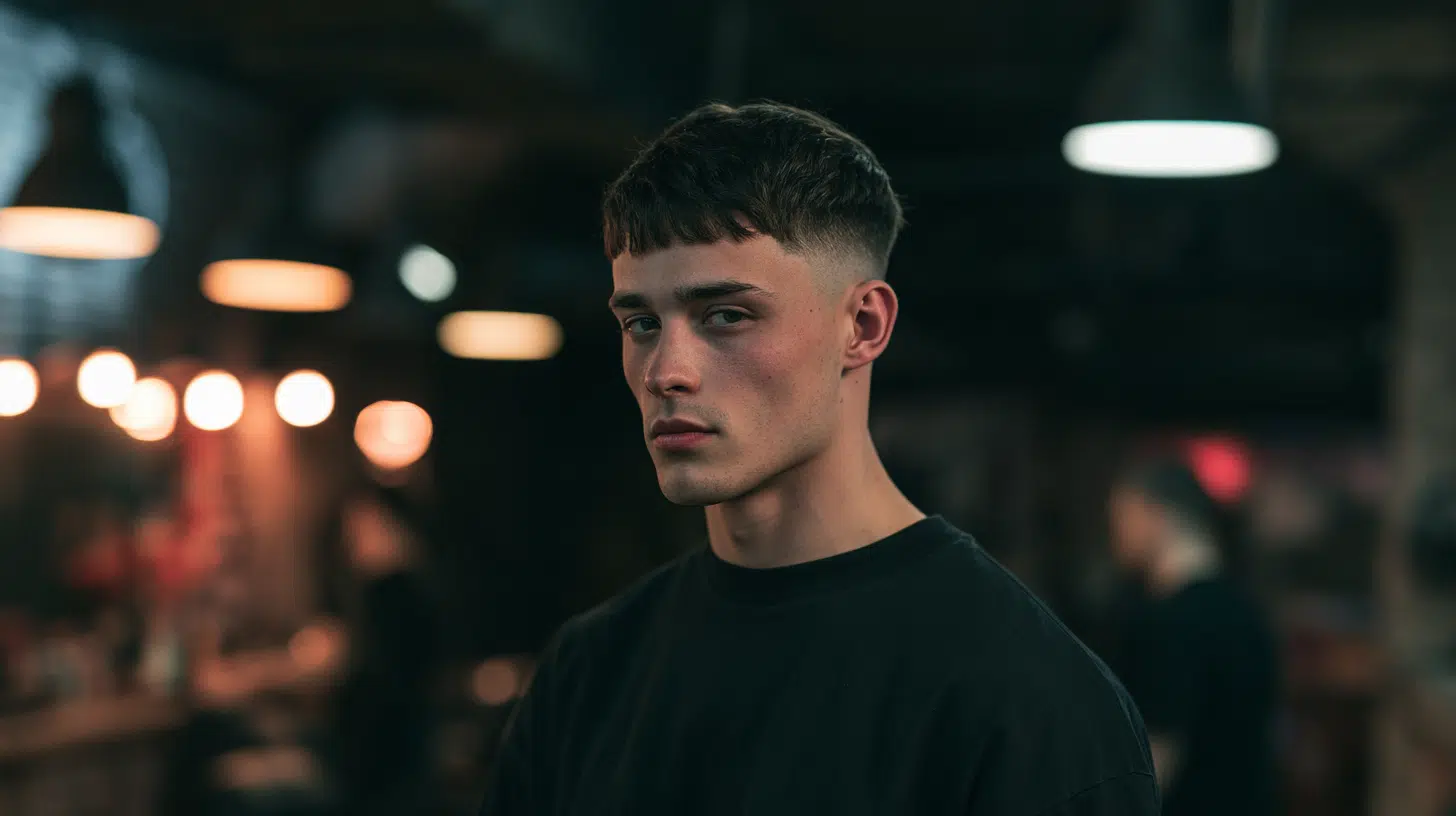
The fade sits tight near the ears instead of climbing high, which suits square or heart-shaped faces that don’t need extra drama up top.
Thick, straight hair carries the subtle contrast well. A little pomade in the morning does the job.
3. Mid Fade Edgar
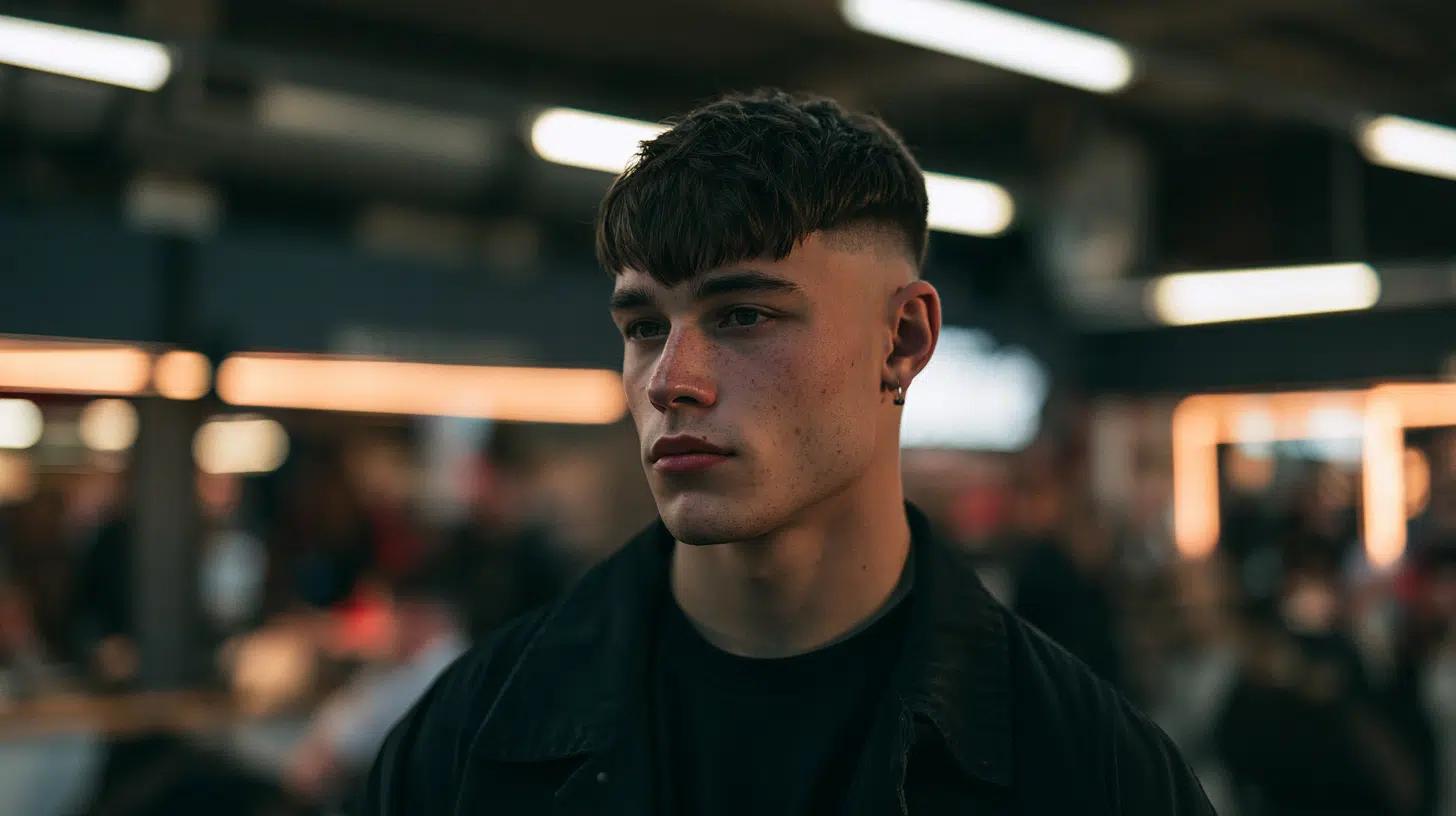
Splitting the difference between low and high, the mid fade lands between the ear and temple.
It works across a wide range of face shapes, and wavy or thick hair takes to it without much resistance. Barbers hear this request often: mid fade, blended straight into the fringe.
A light clay or paste holds the fringe in place without making the top feel heavy, while pomade adds shine for a sleeker finish.
4. High Fade Edgar
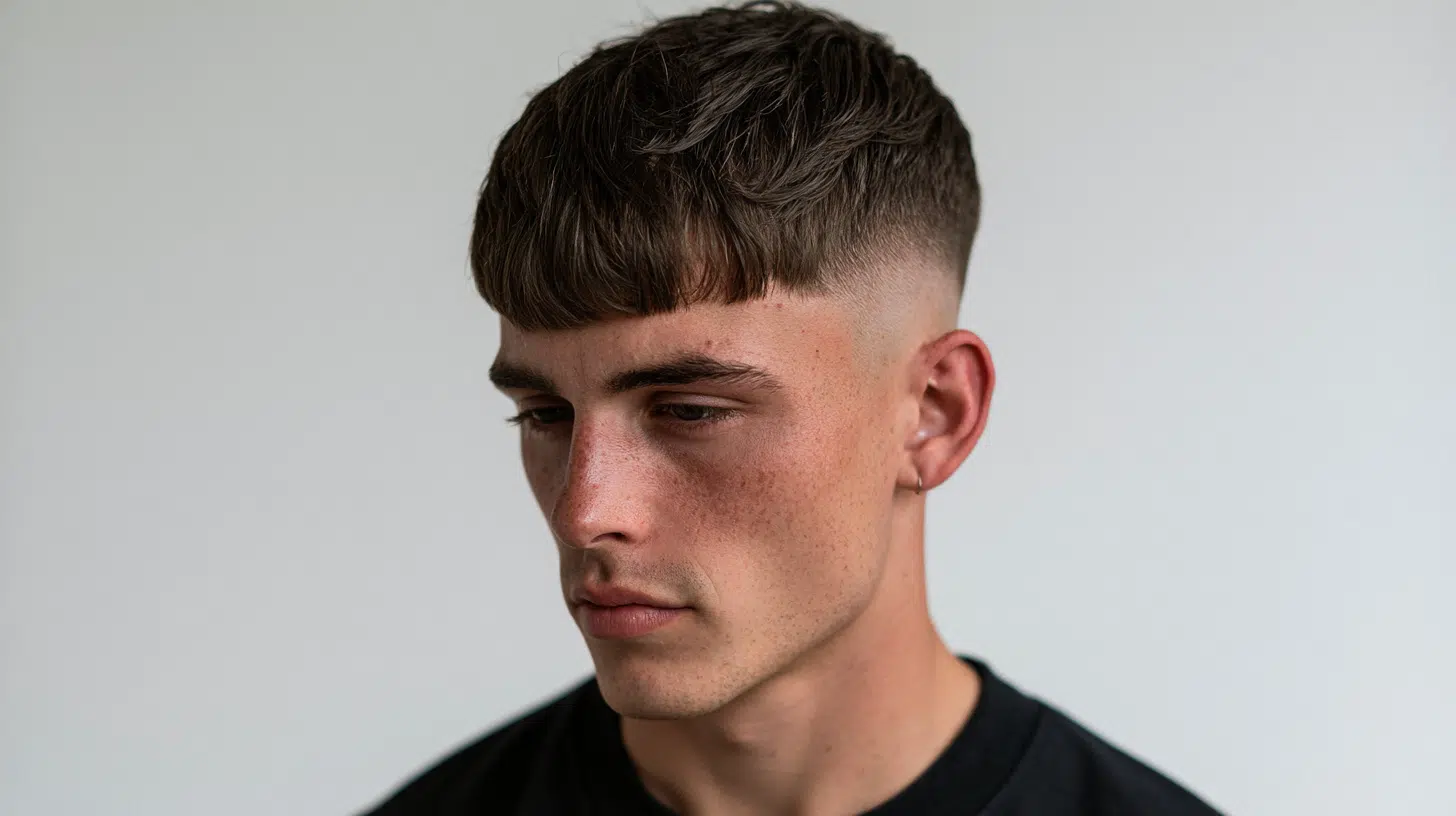
Drama sits at the center of this variation. The fade climbs close to the crown, leaving sharp contrast against a fuller top, and square or oval faces carry that boldness particularly well.
Straight or thick hair shows the line best. Styling takes more effort here, usually a blow-dry followed by clay worked through by hand.
5. Burst Fade Edgar
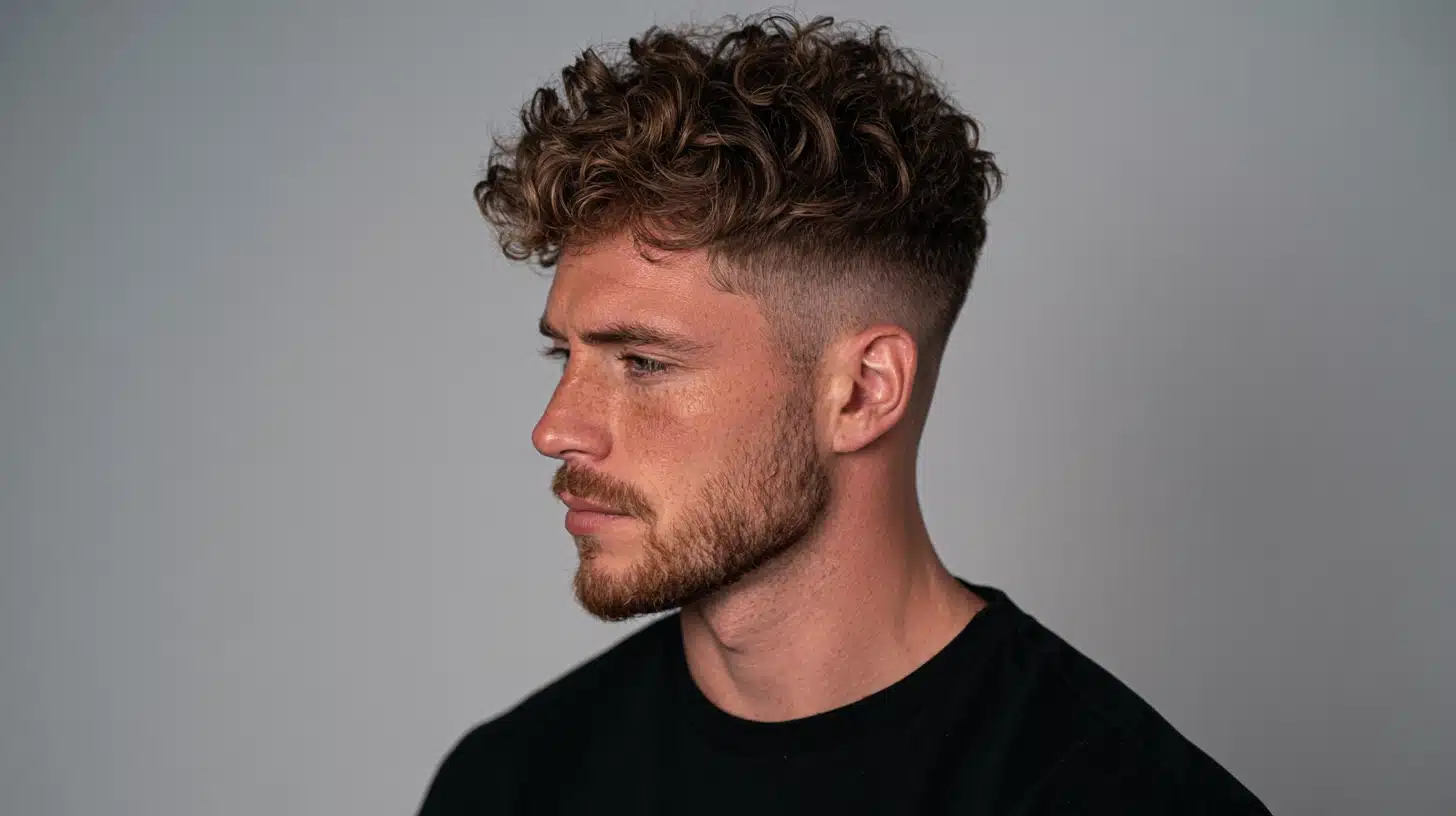
Rather than a straight taper, the burst fade curves around the ear. Curly or wavy hair pairs naturally with that curve, since the two textures already echo each other.
Round or heart-shaped faces soften nicely against it. Ask the barber to wrap the fade gently around the ear instead of cutting it flat.
6. Drop Fade Edgar
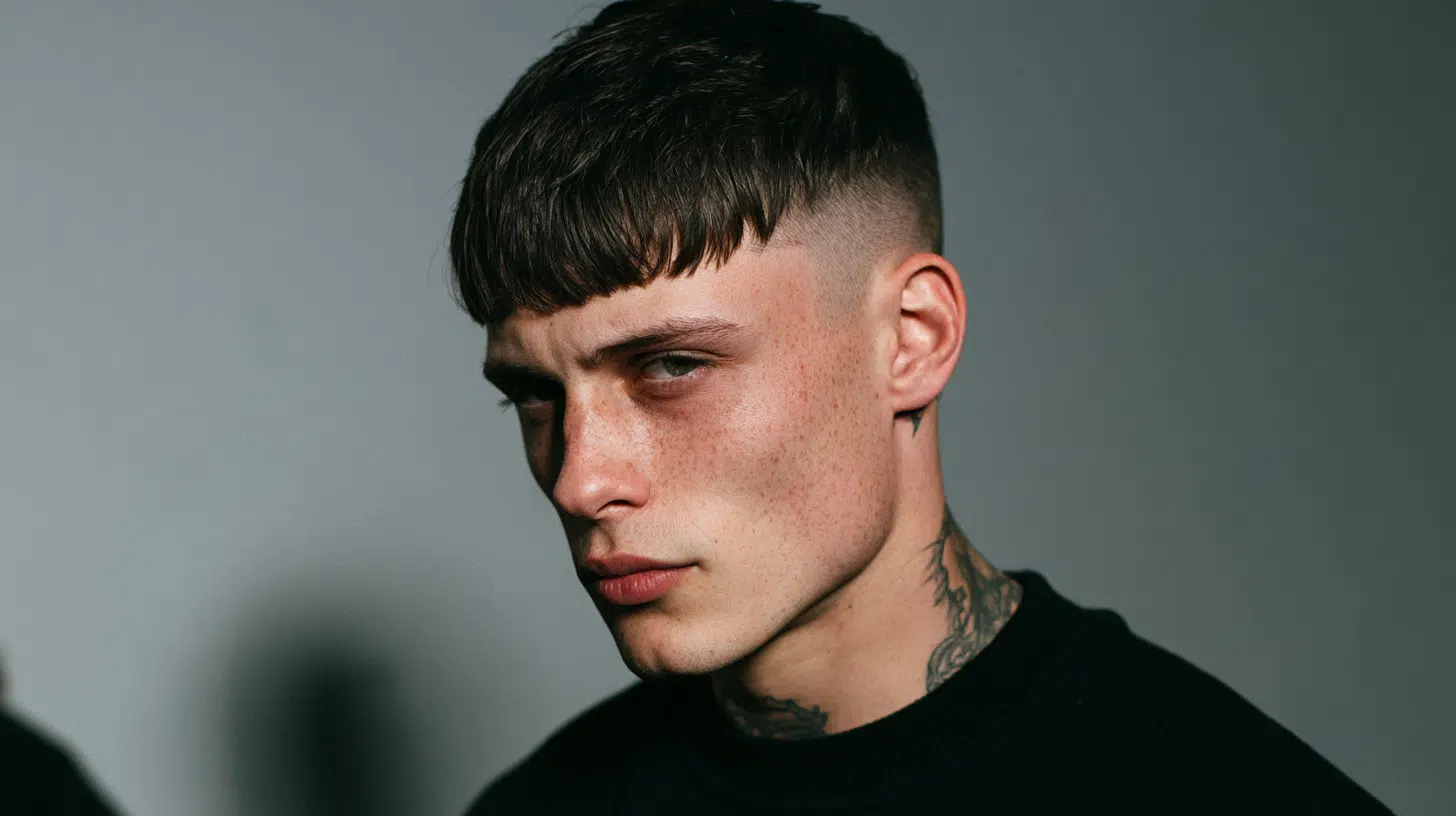
Dipping lower behind the ear, this fade creates a curved line rather than a sharp one. Thick or wavy hair carries the shape well.
Square faces often look softer once that curve becomes part of the shape.
A light paste through damp hair keeps things defined. Asking for a fade that avoids a harsh line gets the point across.
7. Taper Edgar
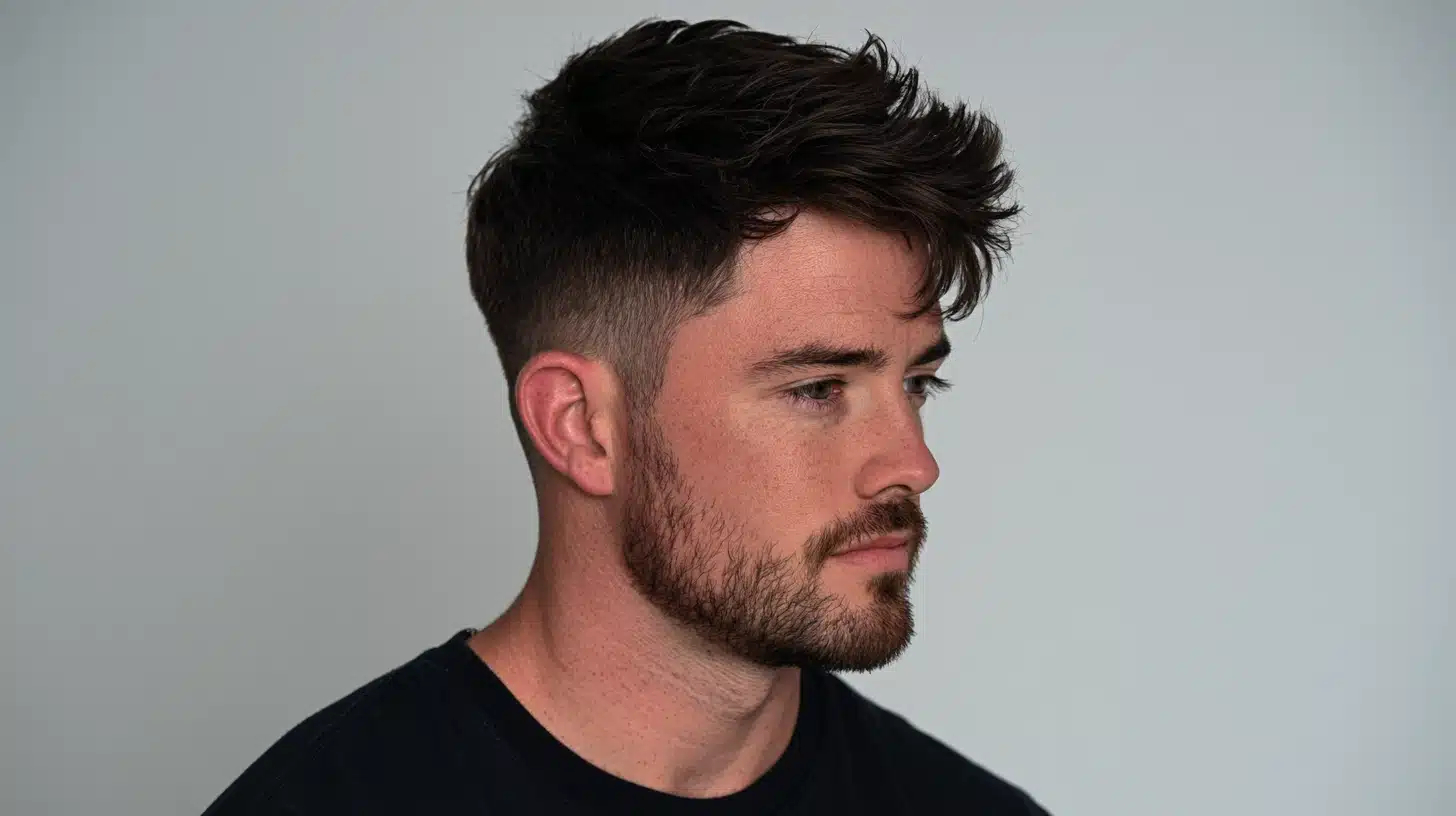
No fade shows up here at all, just a gradual taper fading down toward the neck.
Fine or straight hair suits the softer transition better than thicker textures, and oval or round faces work well with the gentle blend.
Damp hair styles easier than dry hair, so a quick spray helps first, then a small amount of product locks the shape in.
8. Textured Edgar
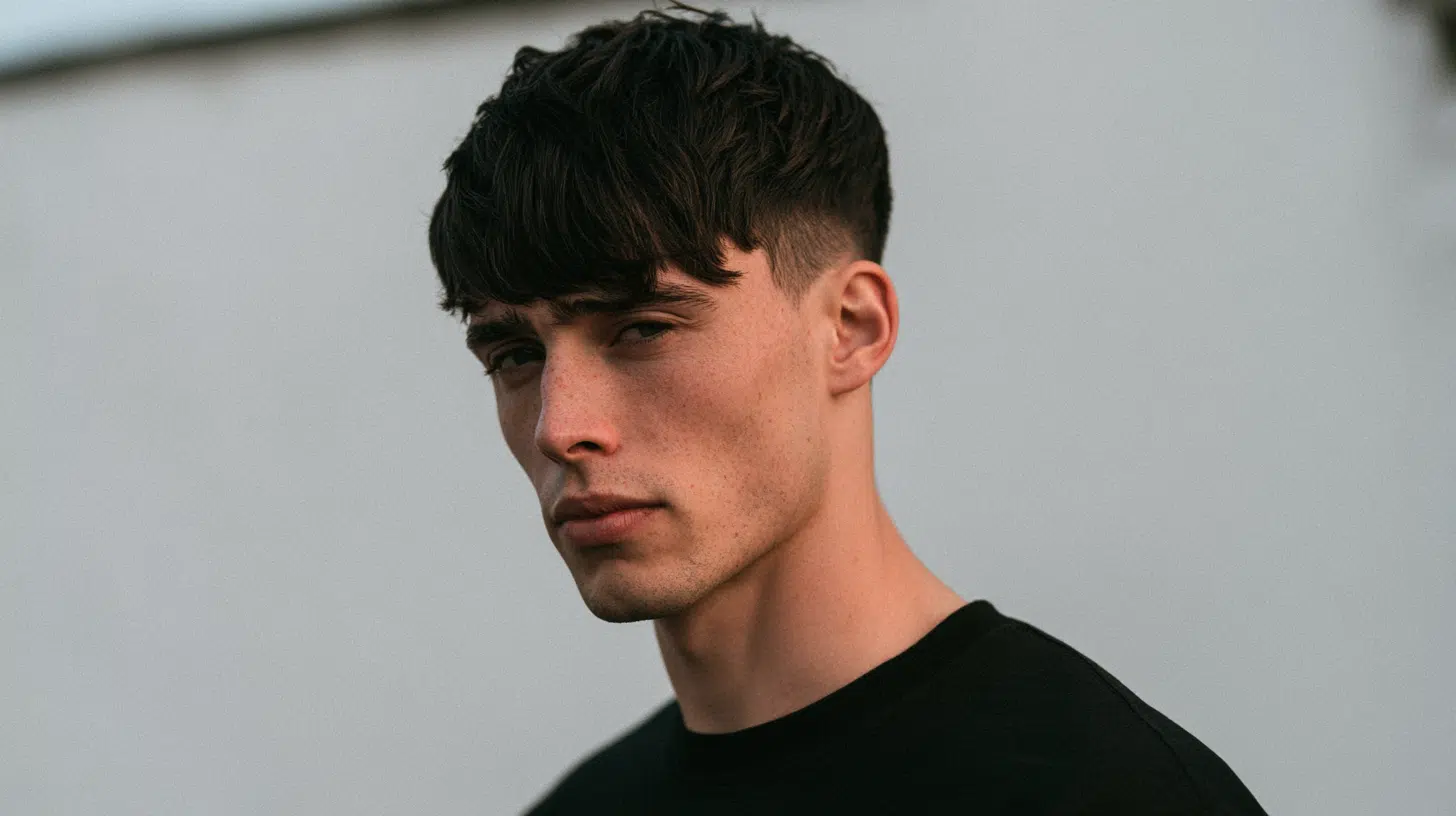
Choppy, uneven layers replace the usual smooth top in this version, giving it a rougher, more lived-in feel.
Thick or wavy hair shows off that texture best, while square or heart-shaped faces benefit from the extra movement.
A texturizing spray, worked in with fingers on damp hair, brings out the choppy effect. Ask for short, uneven layers that hold their shape once dry.
9. Fluffy Edgar
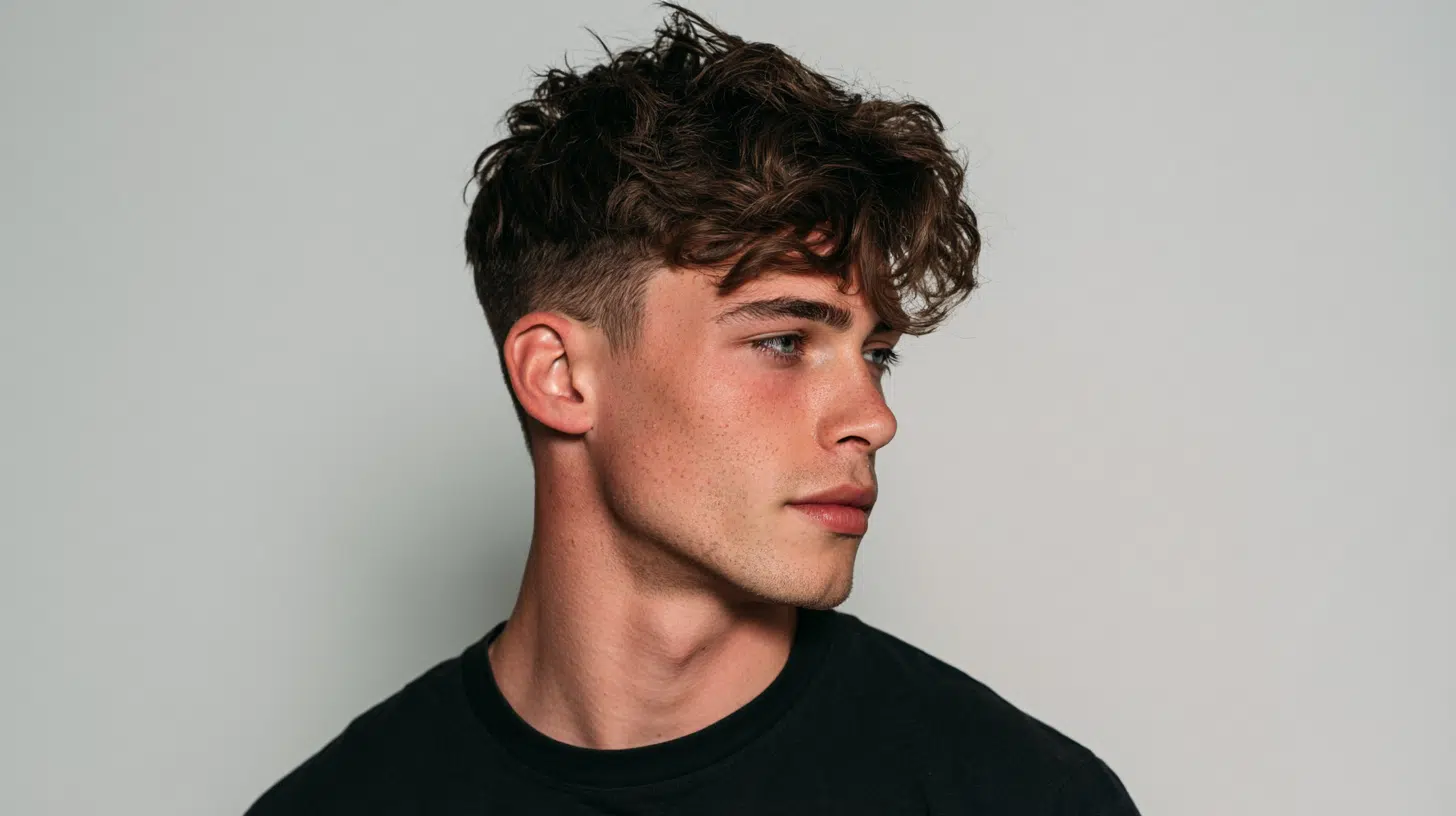
Volume takes over in this variation, with the top left to puff up rather than lie flat. Wavy or curly hair naturally supports that fuller shape.
Round or oval faces balance out nicely against the added height. A round brush, a blow-dryer, and a light mousse bring out the lift this style needs.
10. Curly Edgar
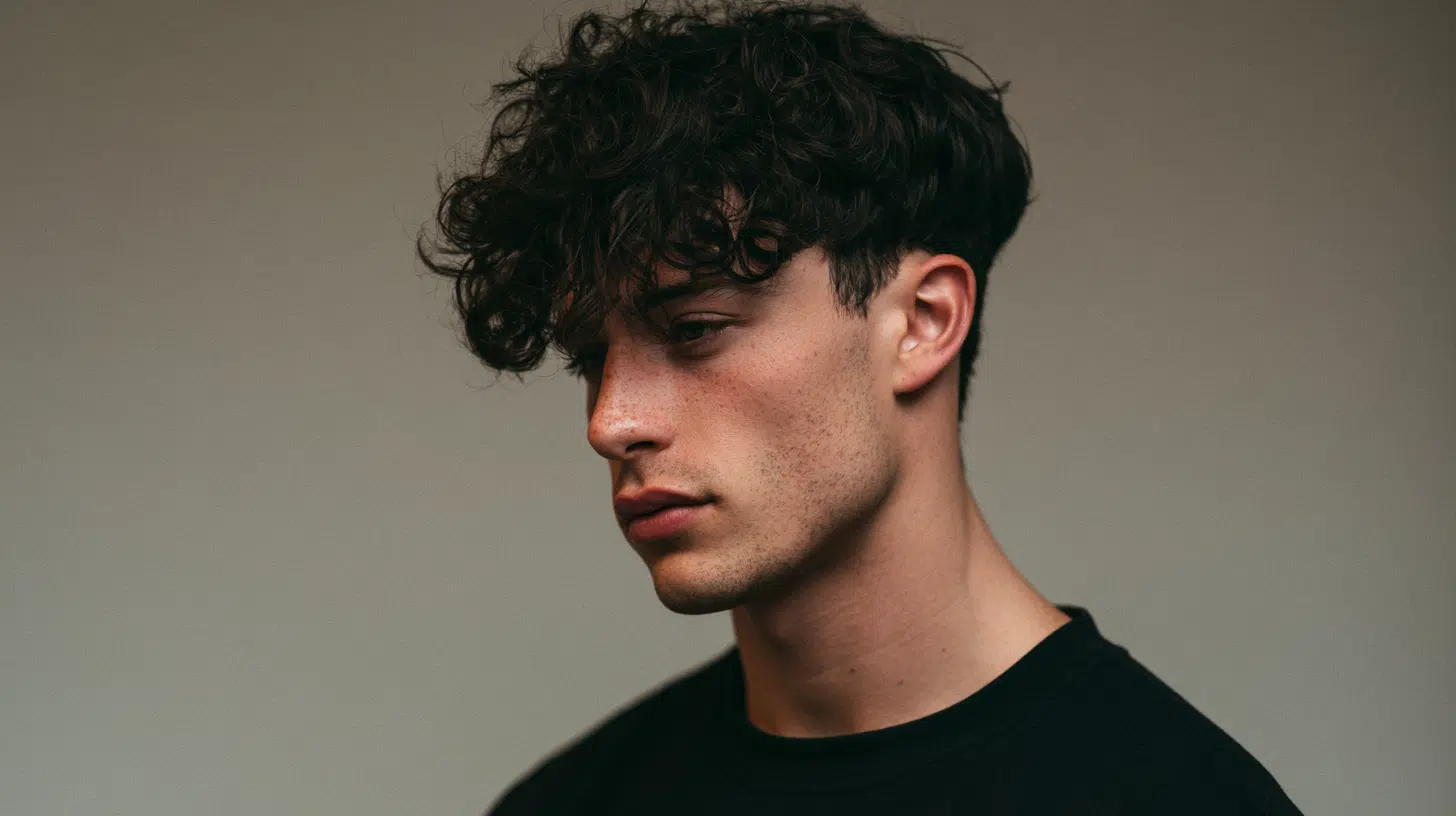
Curls get left long enough here to actually show, rather than getting trimmed down tight. Curly and coily hair types are really the only fit for this one.
Most face shapes handle it fine, since the curls do most of the visual work anyway.
Curl cream on damp hair keeps everything defined through the day, and faded sides paired with untouched curls up top sums up the request well.
11. Wavy Edgar
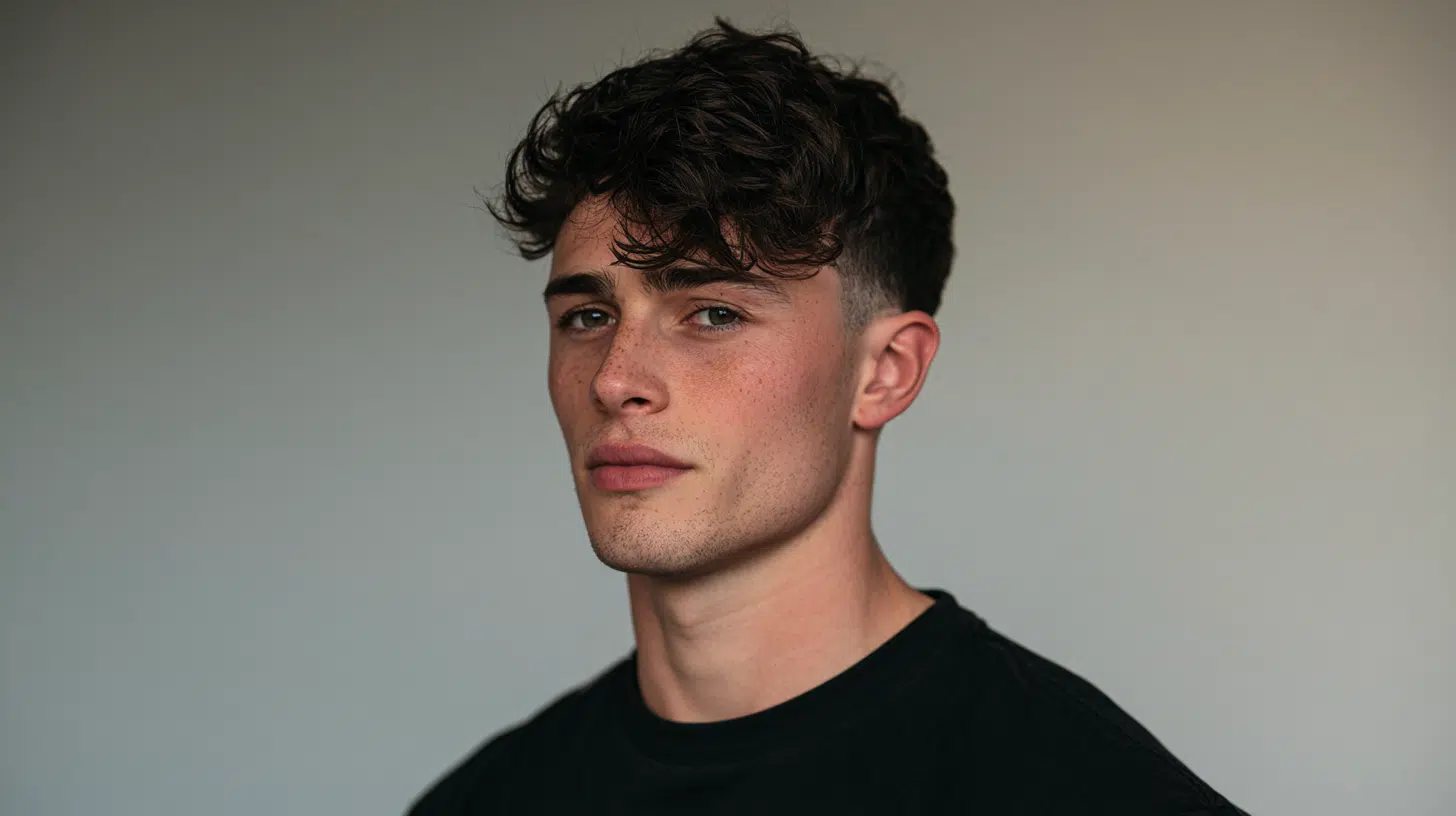
Waves get room to move in this version instead of getting fought into place.
Wavy hair fits this cut better than any other texture on the list, and oval or square faces pair well with its relaxed shape.
Sea salt spray, scrunched through damp hair, defines the waves each morning.
12. Choppy Edgar
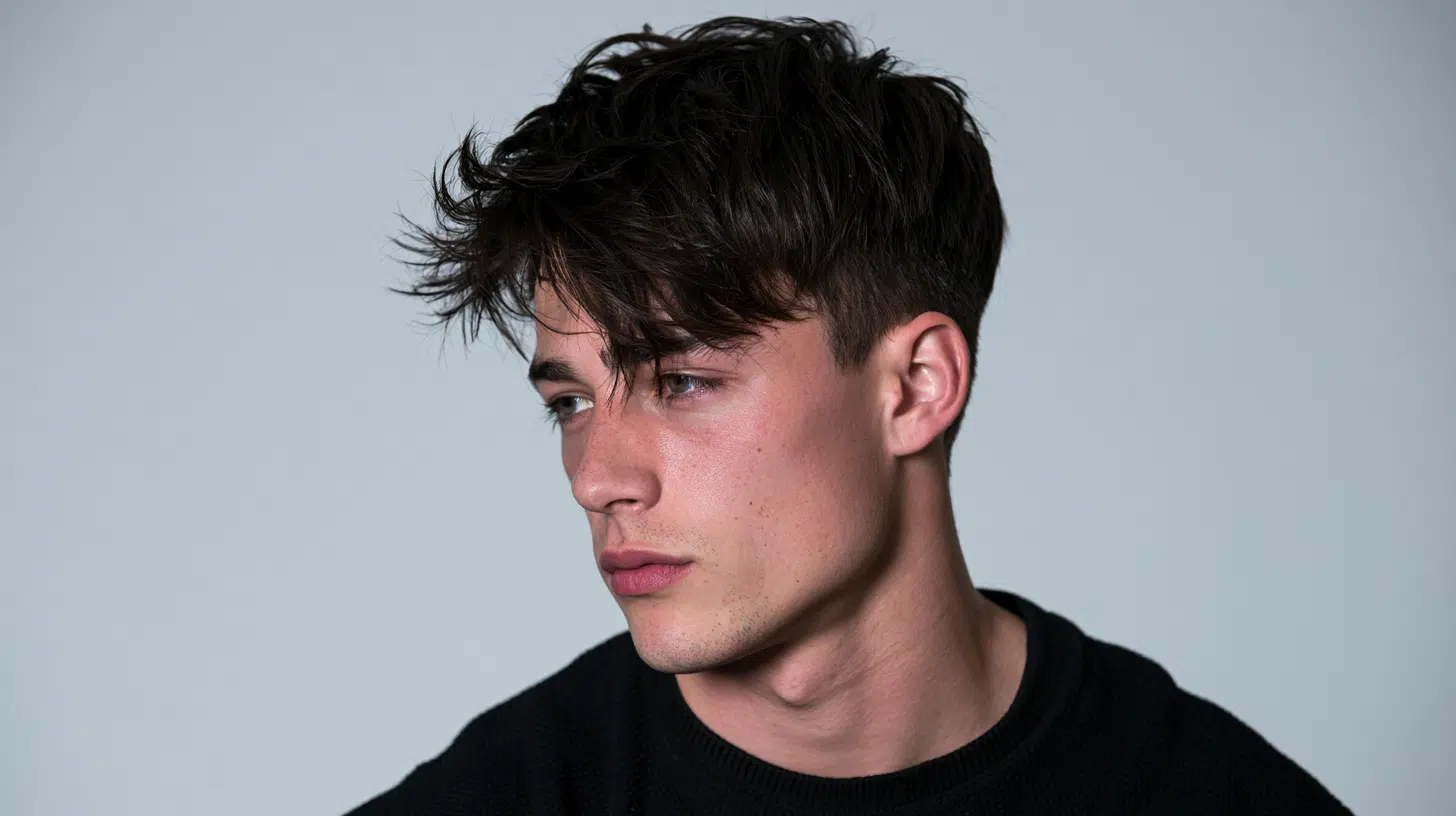
Jagged, rougher layers give this cut a messier finish. Thick or coarse hair holds up under that texture better than finer hair does.
Square or heart-shaped faces balance well against the sharper lines. Matte paste worked into damp hair brings out separation between layers.
Asking for uneven, razor-cut layers instead of a smooth top describes this one clearly.
13. Buzz Cut Edgar
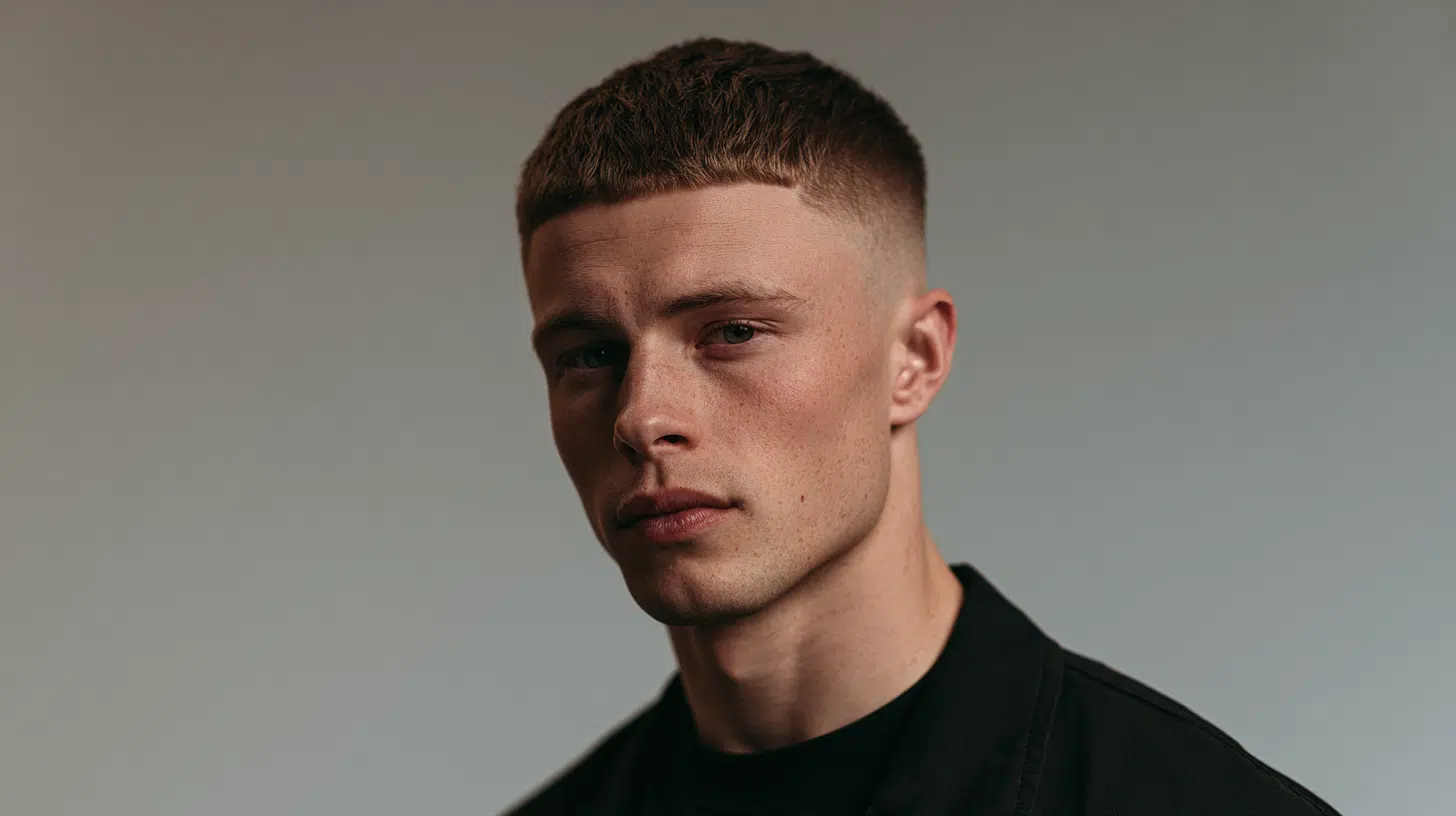
Short on top, just long enough to keep the fringe shape intact. Nearly any hair type handles this low-effort cut without trouble, and it suits almost every face shape too.
A quick towel-dry after a shower covers the entire styling routine.
Every two to three weeks keeps the fringe and fade sharp, since both grow out faster than the rest of the head and start looking bulky.
14. Edgar Mullet
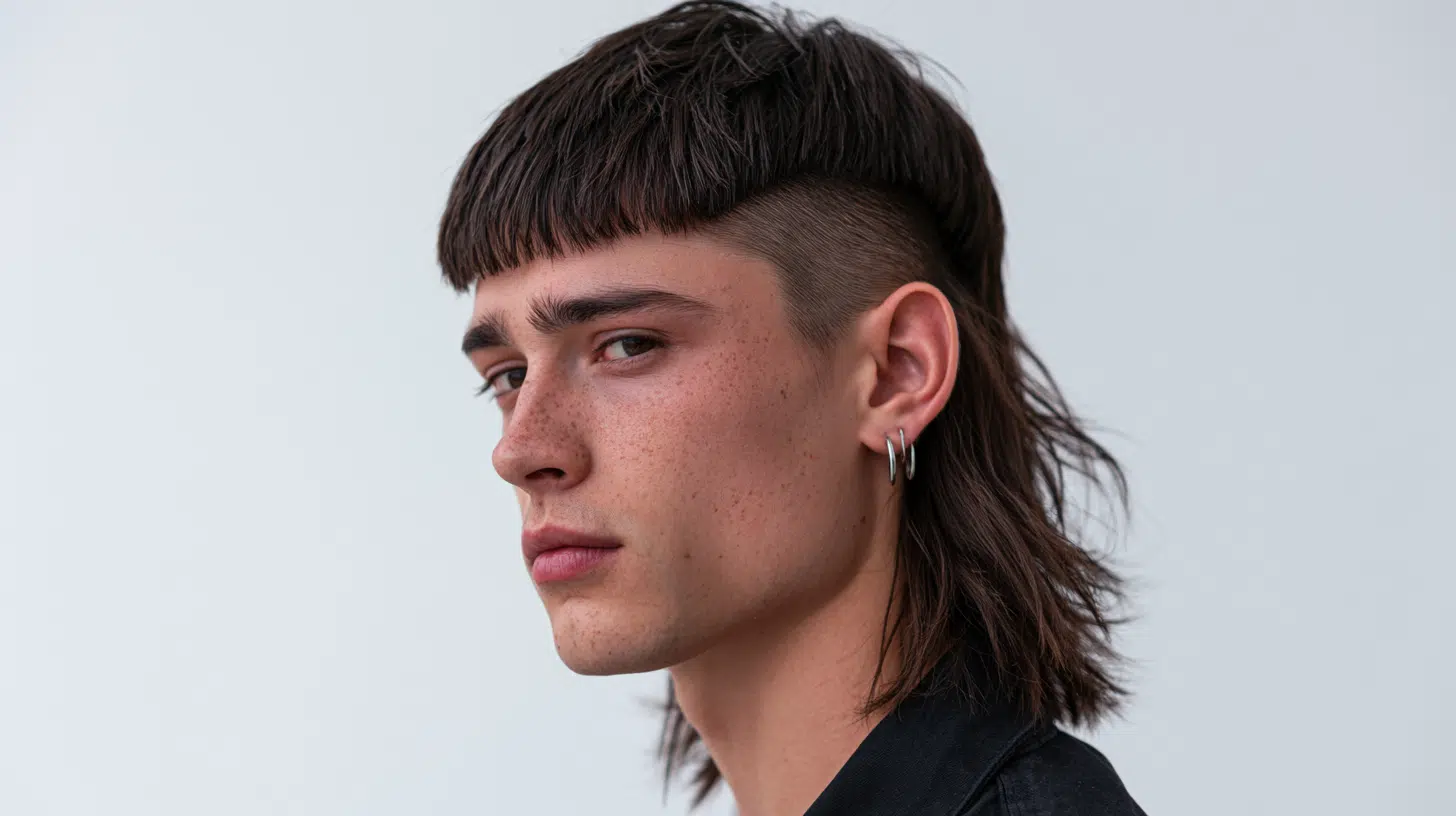
Old-school length gets a modern fringe in this one. The back stays long while the front holds the classic shape, and thick or wavy hair supports that extra length particularly well.
This variation still carries a clear line back to the Edgar Mexican look that helped shape the trend.
Oval or square faces suit the bolder combination. Regular trims help manage the back section as it grows out. Mentioning faded sides with length left behind clearly gets this cut across.
15. Two-Block Edgar
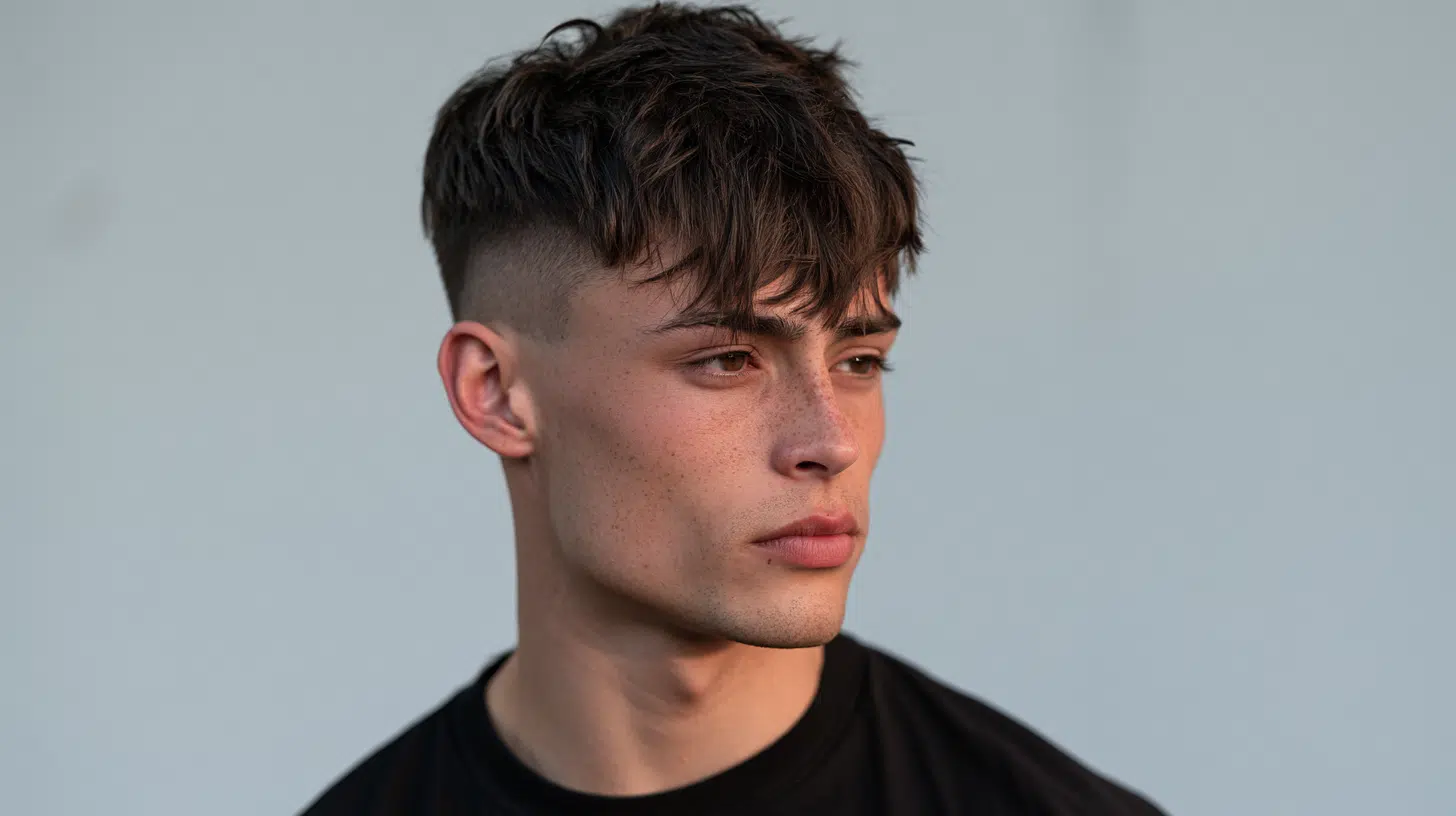
Borrowed from Korean hairstyle trends, this version keeps the sides and back short while leaving noticeably more length up top.
Skip this one without a blow-dryer in the morning routine; the extra length on top falls flat without work. It’s the Edgar for guys who already liked K-pop hair before they knew what to call it.
16. Skin Fade Edgar
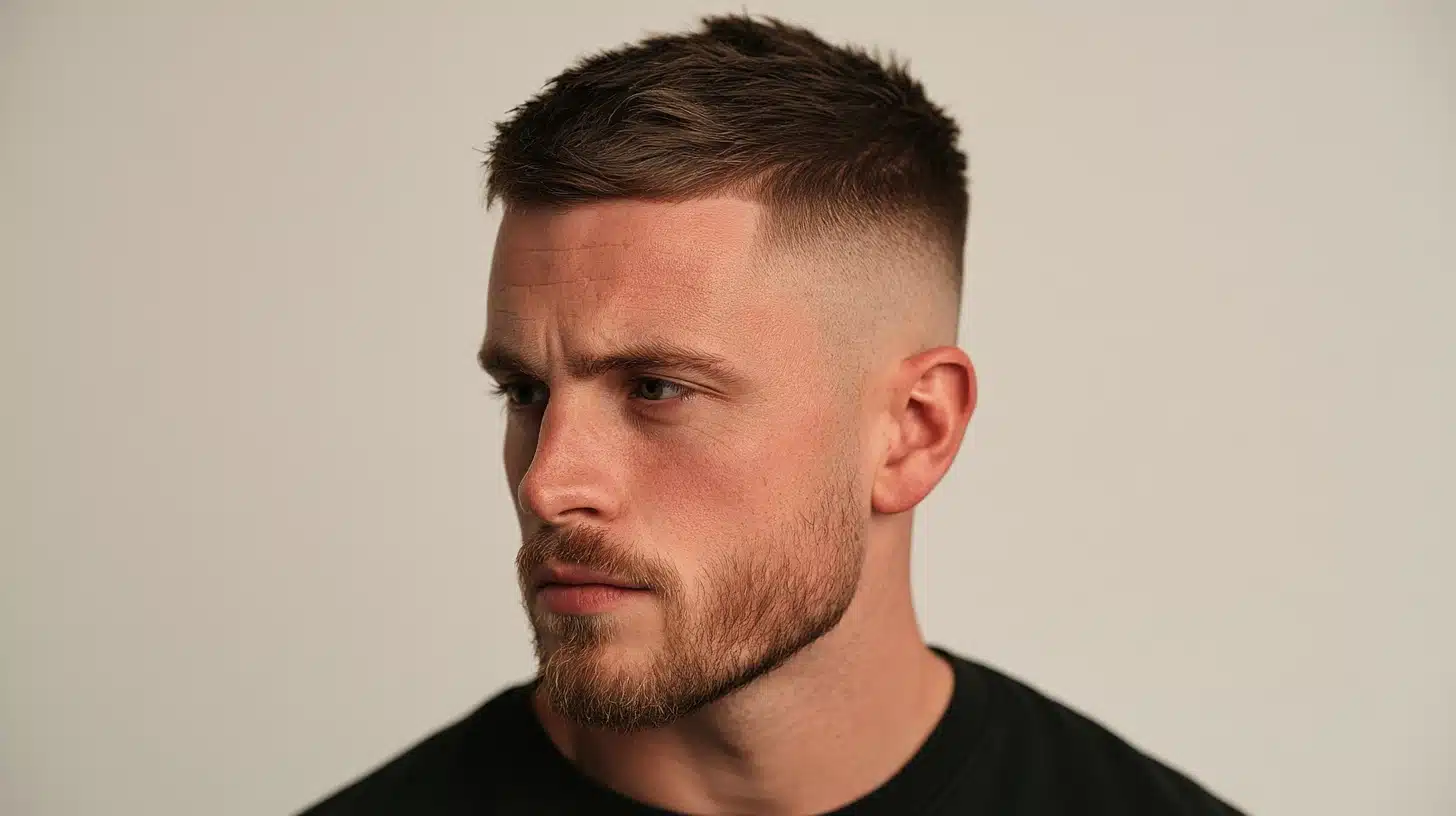
Skin fades cut the sides down to bare skin instead of leaving a shadow of hair. Straight or thick hair shows off the sharpest contrast against this fade.
Square or oval faces carry the intensity of this look well. Styling stays simple since only the top needs product.
Ask a barber for a skin fade paired with the classic straight fringe.
17. Edgar with a Design
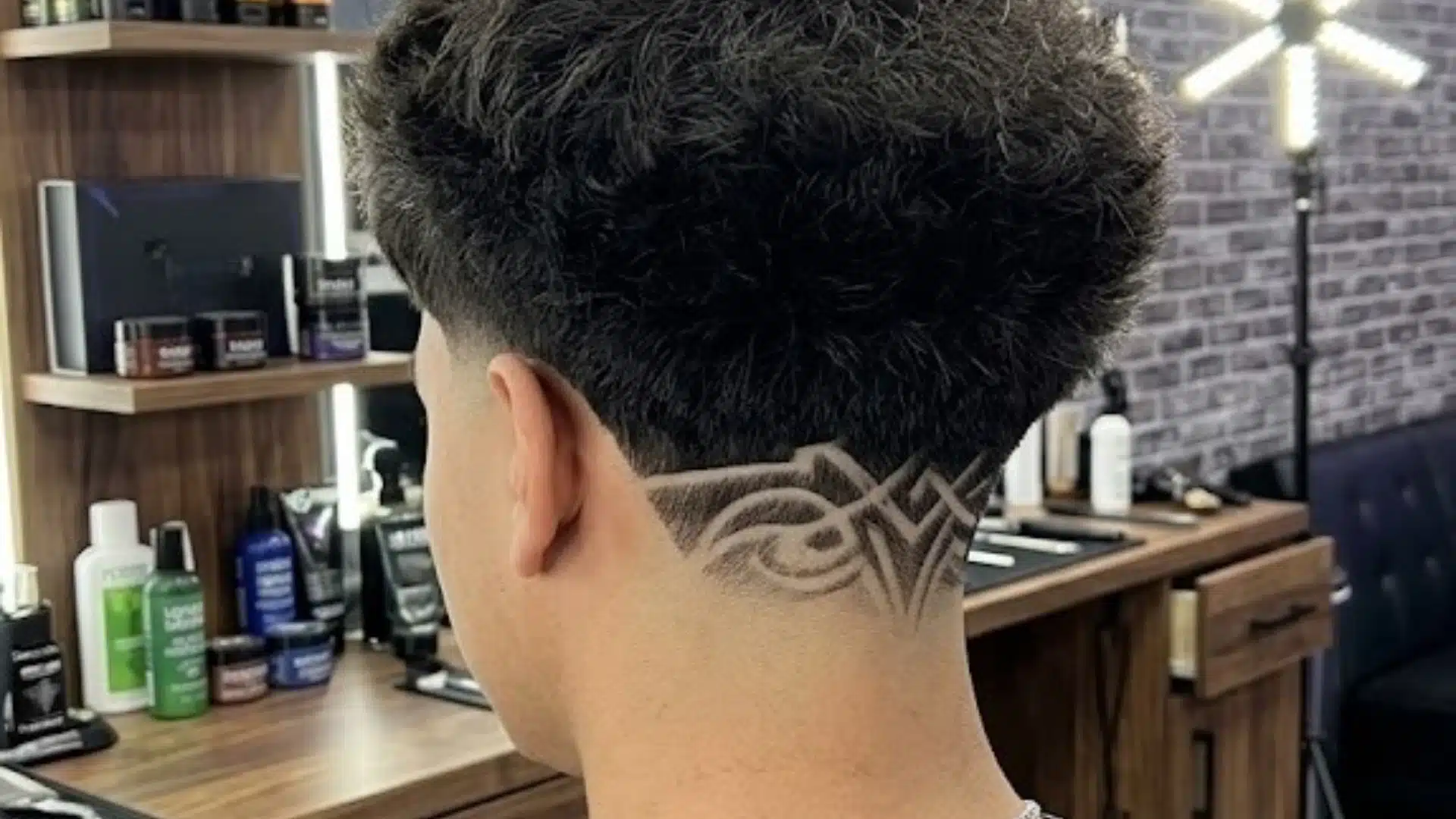
Adding a line, part, or small shape into the fade brings extra personality to this style. Straight or thick hair works best, since the fade needs to stay clean for the design to show.
Most face shapes handle this variation without trouble. Ask a barber for a fade with a design cut into the side.
A gentle, sulfate-free shampoo protects hair between cuts, and clean clippers matter for anyone touching up the fade or fringe at home.
What to Say at the Barbershop to Get the Perfect Edgar Cut
A clear idea makes the whole barbershop visit smoother, especially for a cut with this many small details.
- Name the fade type you want, whether that means low, mid, or high on the sides.
- Give a specific fringe length, since right above the eyebrows looks different than a bit higher.
- Mention the texture you want on top, because choppy layers and a smooth finish call for different techniques.
- Bring a reference photo, since a photo gets the shape across faster than words on their own.
- Point out hair type early, as curly hair often needs a different approach than straight hair under the same request.
- Mention face shape too, since a fringe that flatters an oval face can easily overwhelm a rounder one.
Walking in and saying ‘gimme an Edgar’ is a gamble there are different versions of this style, and the barber can’t read minds. A clear description paired with one good photo helps avoid a redo two weeks later.
Trimming it Up!
Seventeen versions of this cut sit here now, built for different hair types, face shapes, and levels of upkeep.
A clear ask at the chair turns any of these into a cut worth repeating every few weeks. Part of what makes the Edgar haircut so lasting comes down to where it started.
It also comes down to how well it keeps adapting.
Picking a favorite and handing it to a barber closes out the search that started it all.
Frequently Asked Questions (FAQs)
1. How Often Does the Fringe Need a Touch-Up Between Full Cuts?
About every 10 to 14 days keeps it from creeping past the eyebrows and looking overgrown.
2. Can Guys with a Receding Hairline Still Get This Cut?
Sure, most barbers angle the fringe differently so it doesn’t sit right at the hairline, keeping the look natural.
3. Does This Style Actually Work on Thinning Hair?
It can, but a volumizing product becomes a must-have, not an option, for extra lift.
4. Will This Haircut Fly in a Corporate Office?
In most cases, yes, especially with a softer fringe and a lower fade instead of anything dramatic or bold.
5. How Much Hair Growth is Needed Before the First Cut?
Two to three inches on top is usually the minimum a barber needs to shape the fringe properly.