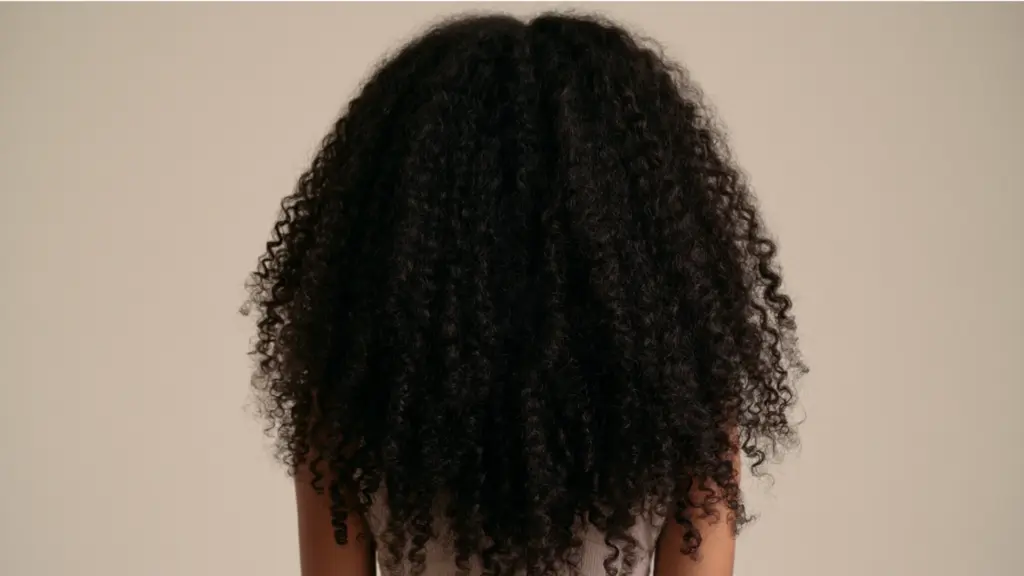

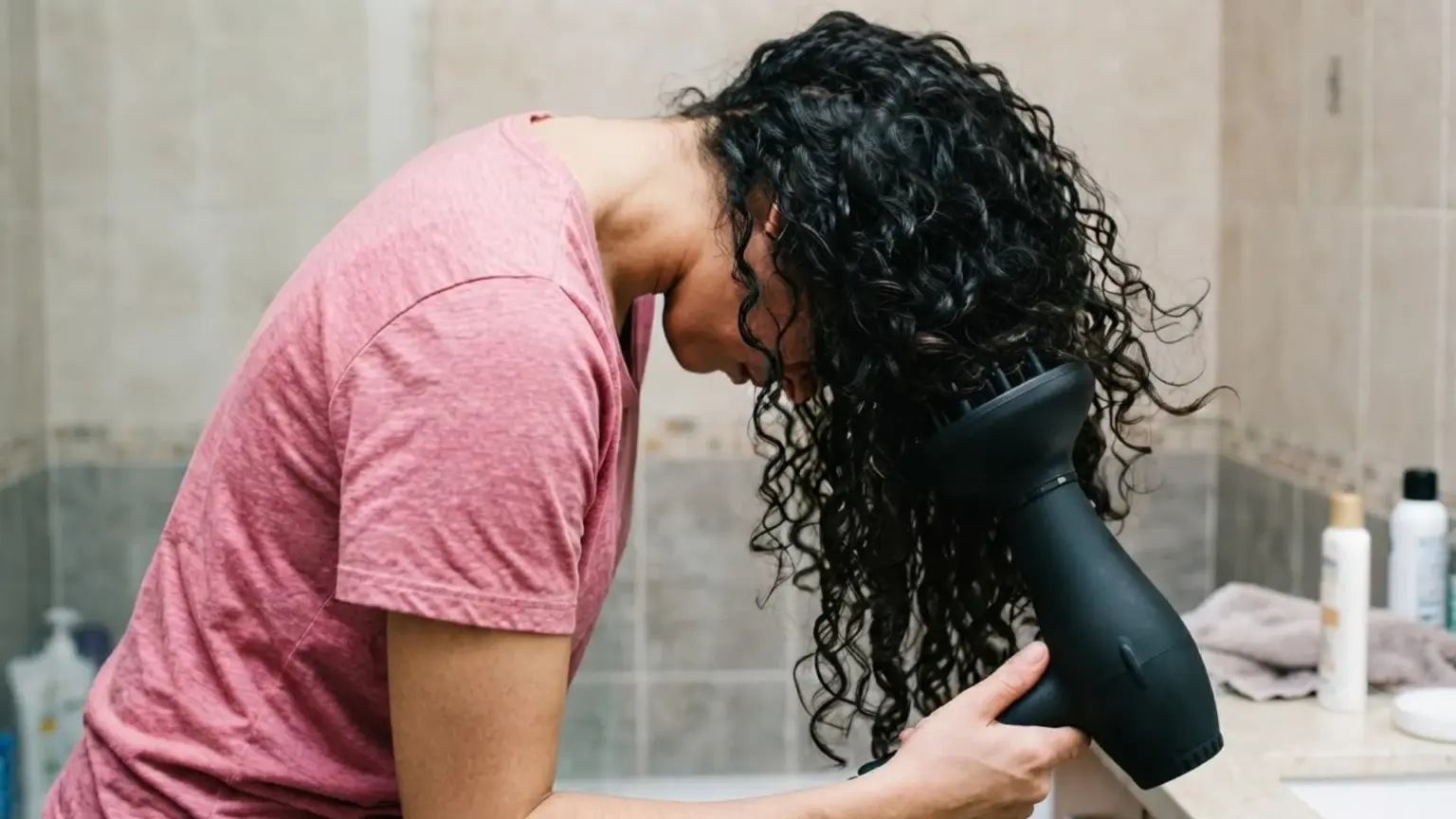
Many people have wondered what a diffuser is at some point.
Anyone who has used a regular blow-dryer on curly hair knows the frustration of when hair comes out frizzy and flat.
After switching to a diffuser, most people notice their curls look more defined with far less frizz.
Let’s learn everything you need to know about the diffuser.
What is a Diffuser?
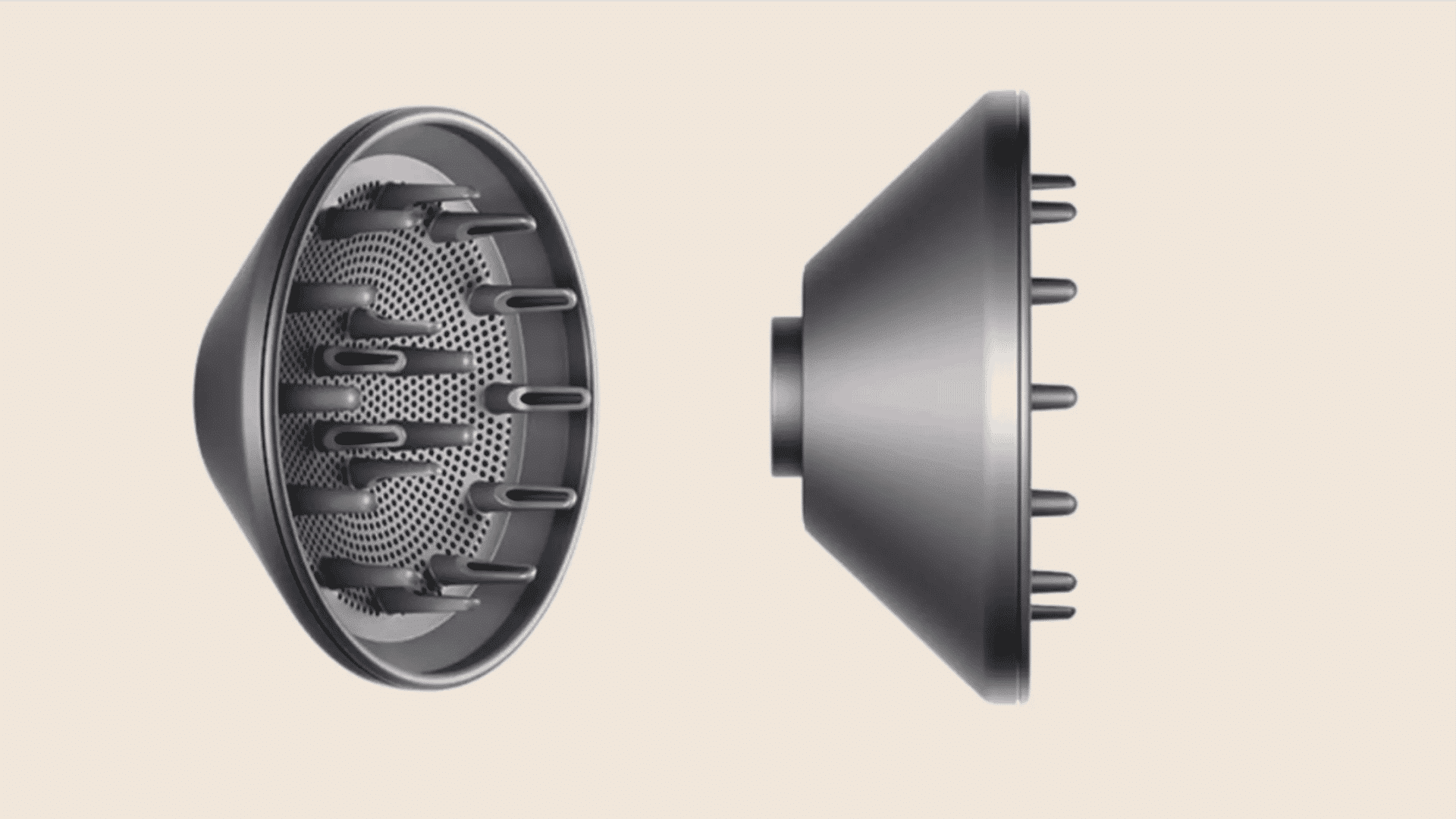
A diffuser is a simple attachment that softens a blow-dryer’s airflow.
It’s a large, round plastic piece that clicks onto the nozzle of a blow dryer.
Most diffusers have vent holes spread across the surface. Some also have small, spike-like prongs that lift curls as they dry.
Diffusers come in a few sizes, so the fit depends on the dryer’s nozzle.
Two main types exist:
Attachable diffusers: These click onto most standard hair dryers. They can be swapped for a regular nozzle whenever needed.
Fixed diffusers: These are built into the dryer itself, so the diffuser can’t be removed or swapped like a detachable attachment.
Benefits of Using a Diffuser
A diffuser actually does for hair, ranked by what most curly-haired people care about first.
- Less frizz: Gentle airflow reduces flyaways and friction on each strand.
- Defined curls and waves: Curl shape stays intact instead of getting blown apart.
- Even heat – No hot spots, which lowers the risk of heat damage over time.
- Faster drying – Curly and wavy hair dries faster than when left to air-dry alone.
- Extra volume – Even flat, straight hair gets noticeable lift at the roots.
If curls start puffing up during diffusing, lowering the airflow before lowering the heat usually helps.
How Does a Hair Diffuser Work?
A hair dryer diffuser attachment spreads airflow more evenly than a standard nozzle, making it much easier to dry textured hair with less frizz.
The prongs cradle sections of hair. Meanwhile, air moves around each section from several angles at once rather than blasting straight through.
Because the airflow spreads over a wider surface, curl clumps don’t get blown apart the way they do with a regular nozzle.
This gentler approach does three things:
- Lowers direct heat on each strand
- Keeps the curl shape from getting disturbed
- Reduces friction, which is a major cause of frizz
Hair Diffuser vs Regular Blow Dryer
Anyone unsure why they’d bother switching from an everyday nozzle can see the difference in this quick side-by-side.
| Hair Diffuser | Regular Nozzle |
|---|---|
| Spreads airflow across a wide area | Directs airflow in one stream |
| Helps cut down frizz | Can increase frizz |
| Keeps curl clumps together | Can separate and break up curls |
| Gentler, lower-pressure drying | Higher airflow pressure |
| Best for curly or wavy hair | Best for straight blowouts |
For those with naturally curly or wavy hair, a diffuser is usually the better choice for preserving texture.
Who Should Use a Diffuser?
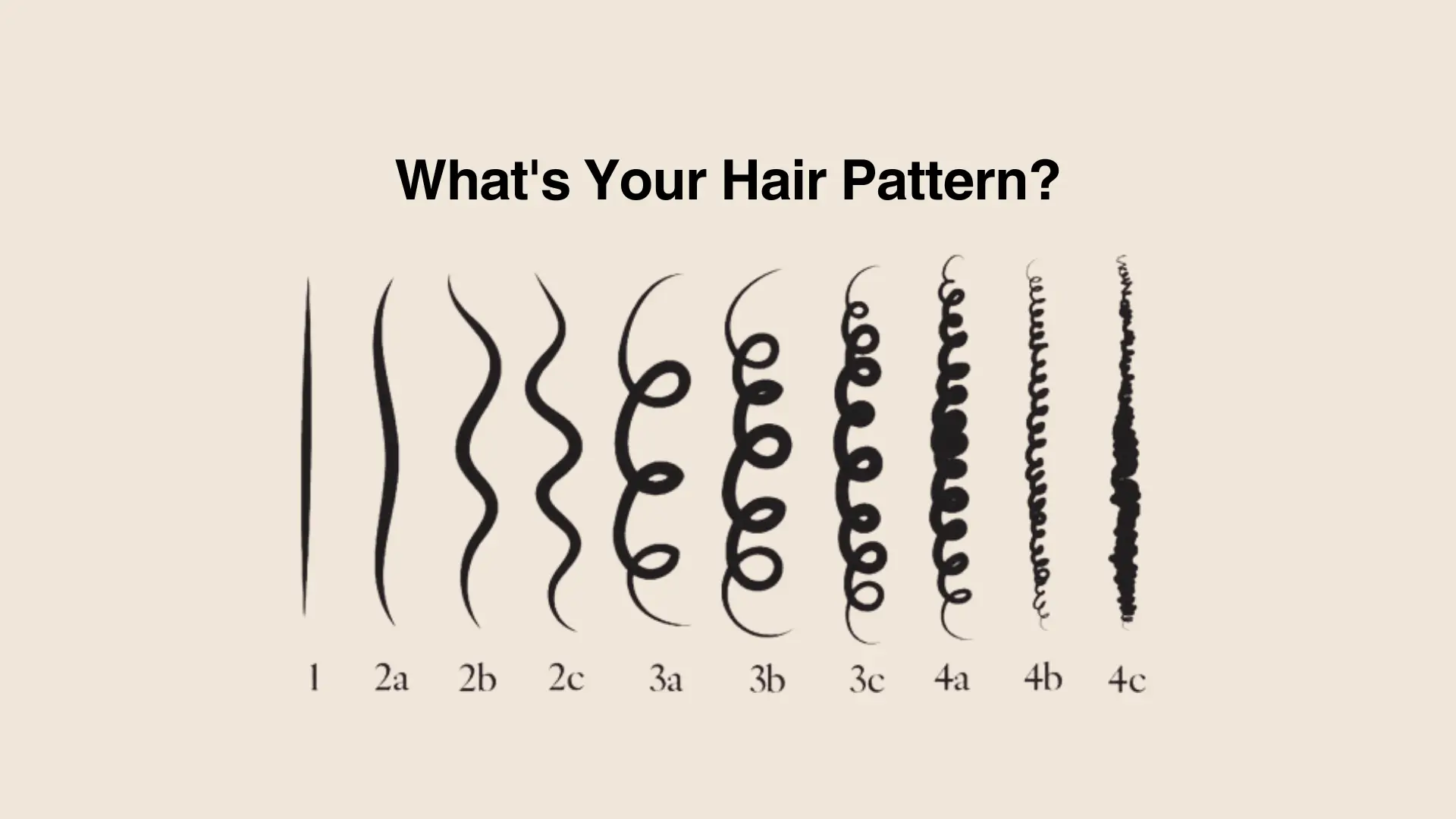
Curl type isn’t the only factor here. Hair thickness, density, and styling goals matter too.
That said, diffusers work best for people with texture. Here’s how each hair type benefits.
Curly Hair
Diffusing helps curly hair look more defined while reducing flyaway frizz. A lightweight curl cream applied beforehand helps lock in moisture.
Coily Hair
Diffusing adds stretch to coily strands without losing their natural shrinkage. A leave-in conditioner beforehand adds extra hydration.
Wavy Hair
Diffusing brings out a clearer “S” wave shape and reduces flatness at the roots. Flipping the head upside down while drying adds extra lift.
Straight Hair
Diffusing gives straight hair a subtle root lift and a bit more body, even without curls. A volumizing mousse beforehand adds some texture.
How to Use a Diffuser?
The following is a simple, step-by-step method anyone can follow.
Step 1: Prep the Hair
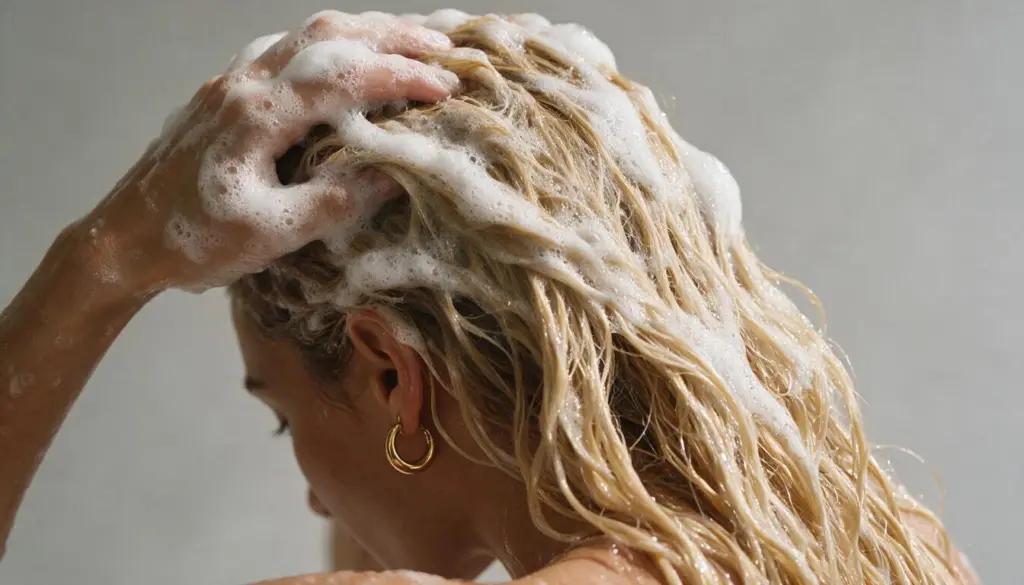
Start by washing with a gentle shampoo and conditioner. Gently squeeze out excess water with a cotton T-shirt or microfiber towel.
Diffusing should never start on soaking-wet hair, since it takes much longer and adds unnecessary heat exposure.
A heat protectant should go on first, followed by a curl cream, mousse, or gel suited to the hair type.
Choosing a product that matches hair thickness matters too, since heavy creams tend to weigh down fine waves.
Step 2: Attach the Diffuser and Set the Dryer
The diffuser should click securely onto the ddryer’snozzle. The dryer should then be set to a lower temperature and low airflow.
High heat and airflow are the fastest way to undo all that prep work and bring the frizz right back.
Hover diffusing (holding the diffuser a few inches away) works well for loose waves. Pressing it close to the scalp creates tighter curl definition.
Step 3: Dry in Sections
A section of hair is placed into the diffuser bowl, then pressed gently toward the scalp. Each section should hold still for 20 to 30 seconds before moving to the next.
Touching the hair or shifting the diffuser around too much should be avoided while it dries.
Both habits disrupt the curl shape and are among the easiest ways to end up frizzy again.
Step 4: Add Lift and Finish Up
For extra volume, tilting the head upside down or to the side while diffusing the roots helps.
Diffuse until the hair is about 80% dry, then let the rest air-dry naturally. Over-drying at this stage can leave curls stiff and brittle.
Once the hair is completely cool, lightly scrunch in a serum or oil to add shine and soften any crunch left behind by styling products.
Many curly-hair stylists recommend stopping at 80–90% dry, since the remaining moisture helps reduce frizz as hair finishes drying on its own.
How to Choose the Right Diffuser
Picking one comes down to hair type and dryer. Before buying, checking the dryer’s nozzle diameter helps ensure the diffuser fits securely.
- Universal diffusers: Fit many standard blow-dryer nozzles, though it’s still worth checking compatibility before buying.
- Silicone collapsible diffusers: Fold flat for travel and suit fine to medium hair.
- Deep bowl diffusers: Hold more hair per section and are great for long or thick curls.
- Long-prong diffusers: Reach closer to the scalp, ideal for dense, tightly coiled hair.
Conclusion
This small tool changes how curls, waves, or even straight hair dry. The diffuser bowl spreads airflow, and its vented design keeps texture from getting disturbed.
For anyone who regularly wears natural curls or waves, a diffuser can make drying easier while helping preserve their shape.
Once the right technique is found for a given hair type, diffusing can become one of the easiest ways to dry hair while keeping its natural texture looking its best.
Frequently Asked Questions (FAQs)
1. Is a Diffuser Better Than Air Drying Naturally?
A diffuser usually gives faster, more defined results than air drying alone, since it shapes curls as they dry.
2. Does Diffusing Damage Hair Over Time?
Diffusing at lower heat with a protectant is gentler than using a regular nozzle, but daily heat use requires occasional breaks.
3. Can Hair Extensions Or A Wig Be Diffused?
Yes, synthetic and human-hair extensions can be diffused on a cooler setting, though it’s worth checking the manufacturer’s care guide first.
4. How Long Does Diffusing Take Compared To Normal Drying?
Diffusing is usually slower than blow-drying with a regular nozzle,
5. Is a Special Hair Dryer Needed To Use A Diffuser?
No. Most diffusers are universal and fit many standard blow-dryer nozzles.