
Your hair feels oily by noon, but a full wash isn’t in the cards. Sound familiar?
Washing every day can dry out your scalp. That’s where dry shampoo comes in. It’s a simple spray or powder that soaks up oil at the roots and makes hair look clean again in minutes.
Learning how to use dry shampoo the right way can save time and protect your hair.
This post breaks down what dry shampoo is and how to use it to keep hair looking fresh between washes.
What is Dry Shampoo?
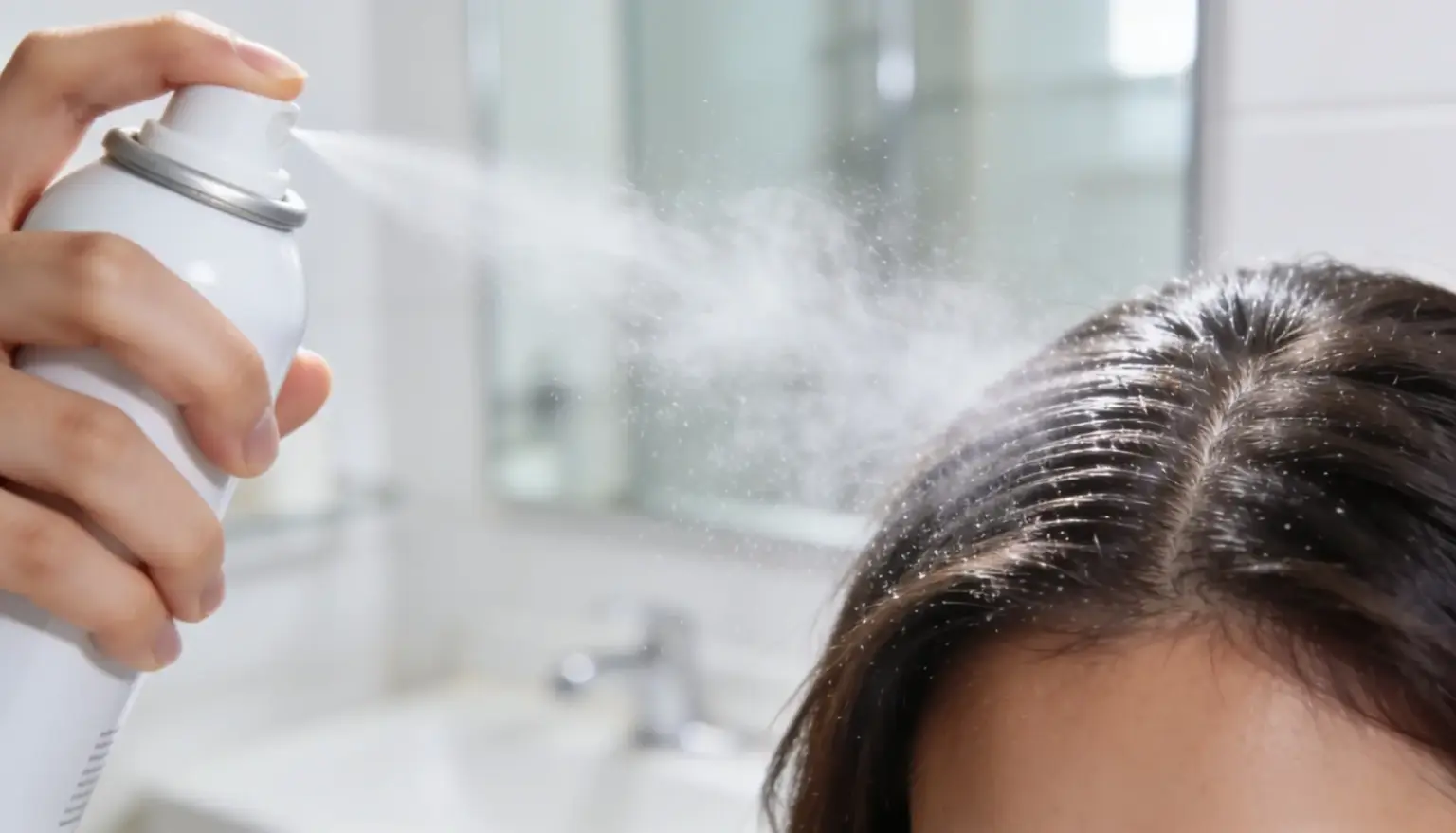
Dry shampoo is a spray or powder that cleans hair without water. You use it on dry hair, right at the roots, and skip the shower altogether.
It’s a simple product that makes oily hair look clean fast, and it only takes a few sprays and a quick massage to see the difference.
Dry shampoo doesn’t actually wash your hair, though. It works by masking the oil instead, much like blotting paper works on your scalp.
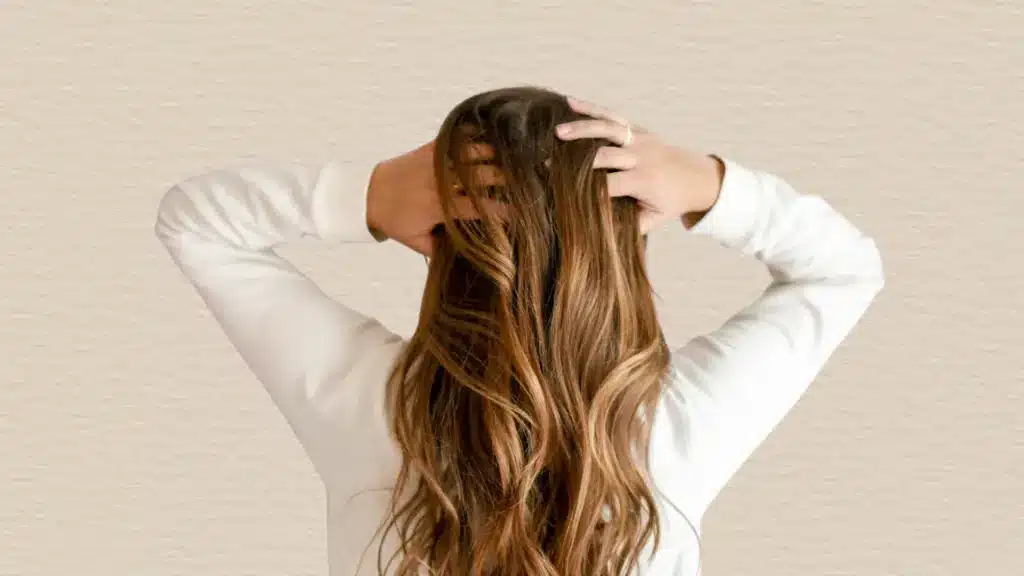
When hair gets oily, the oil sits at the roots, making strands look flat, heavy, and dull.
Dry shampoo lands right on that oil and soaks it up, so your hair looks fresh, feels lighter, and even gains back some bounce.
How to Use Dry Shampoo, Step by Step?
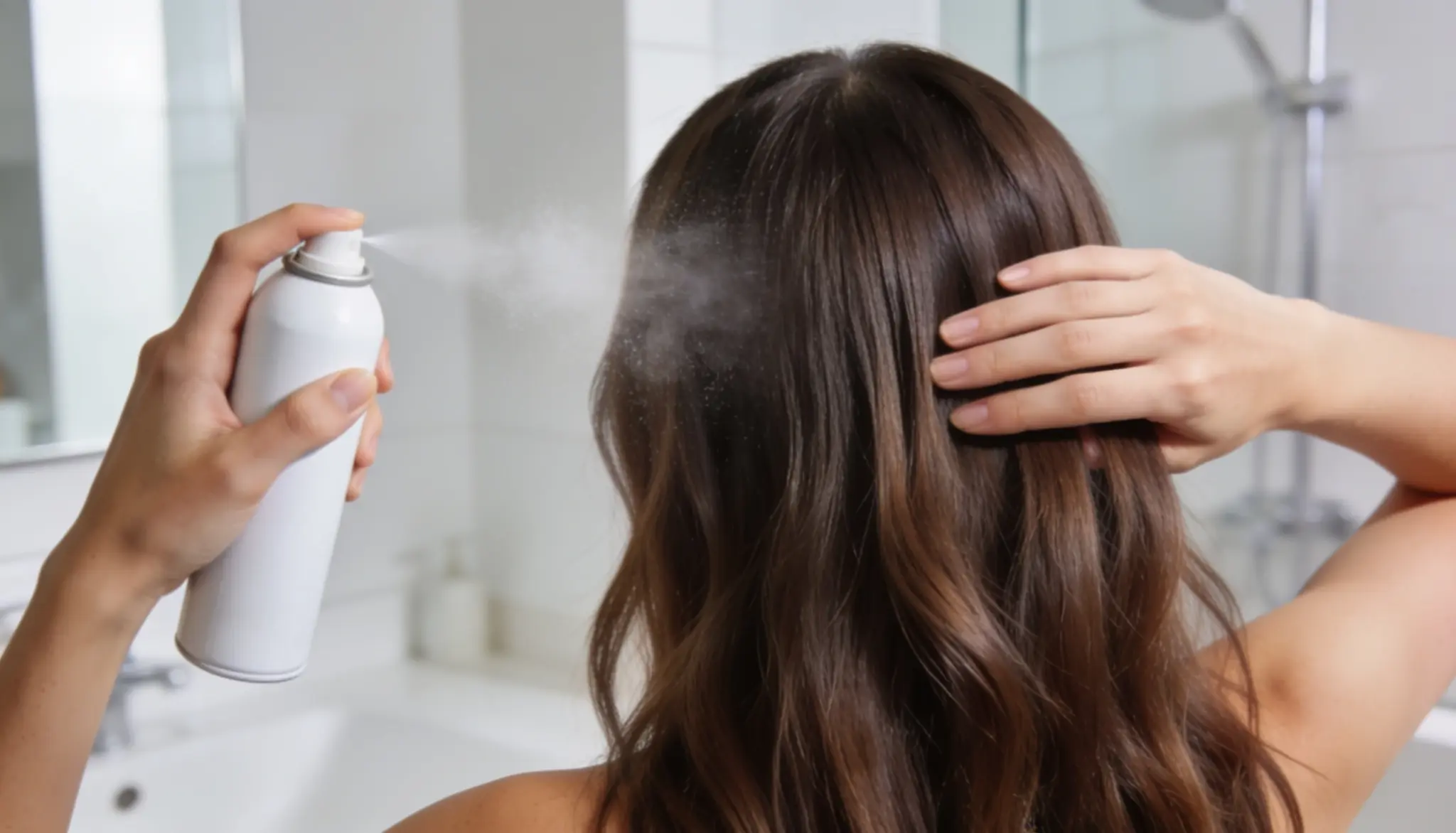
Using dry shampoo the right way makes all the difference. Skip a step, and you might end up with white residue or hair that still looks flat.
Follow these steps, and you’ll get it right every time.
Step 1: Shake the Bottle Well
Give the bottle a good shake before you spray. This step is often skipped, but it matters. Shaking mixes up the ingredients inside, so the product works the way it should.
Skip it, and you might end up with more white residue than you want.
Step 2: Section Your Hair
Split your hair into small sections before you spray. This helps the product reach your roots rather than sit on top of your hair.
Use a comb or your fingers to part your hair in a few spots, especially where you know you get oily fastest.
Step 3: Spray at The Right Distance
Hold the bottle about six inches away from your scalp. Spraying too close can leave a thick, powdery layer that’s hard to blend in.
Spraying from the right distance lets the product settle evenly across your roots instead of clumping in one spot.
Step 4: Let it Sit for a Minute
Don’t touch your hair right after spraying. Give the product a minute or two to sit and start absorbing the oil.
Use this time to finish another part of your routine, like brushing your teeth or picking out your outfit.
Step 5: Massage it Into Your Scalp
Once it’s had time to sit, massage the product into your scalp with your fingertips.
This step helps the dry shampoo blend in and finish absorbing the oil. It also helps remove any leftover white cast, so your hair doesn’t look powdery.
Step 6: Brush Through and Style
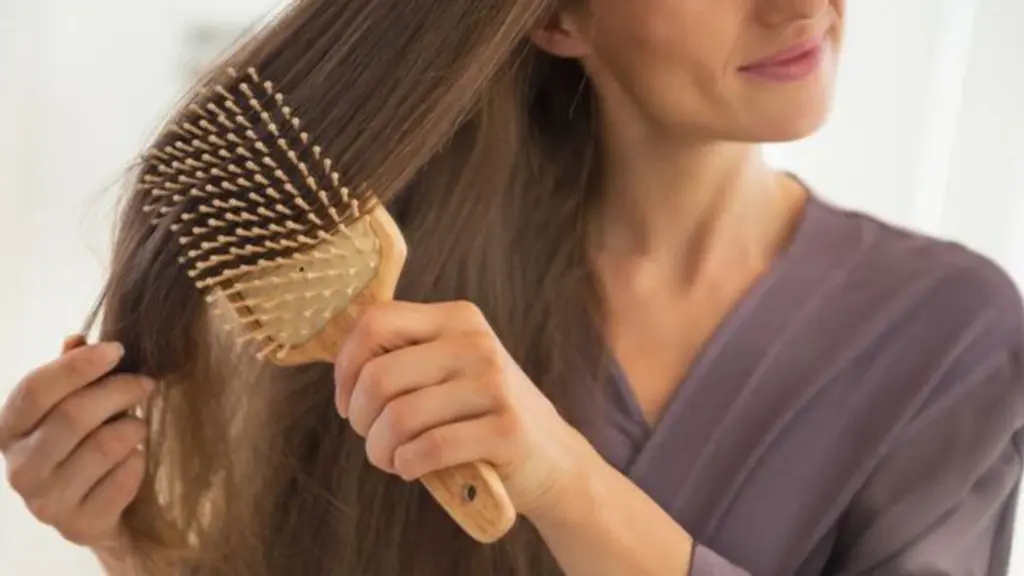
Finish by brushing your hair from roots to ends. This spreads the product evenly and removes any remaining residue.
Once it’s brushed through, style your hair as you normally would. Your hair should look and feel fresh, just like a normal wash day.
How Does Dry Shampoo Absorb Oil?
Most dry shampoos use starch or alcohol as their base. Both ingredients pull moisture and grease toward them, almost like a sponge soaking up a spill.
When you spray it on, the starch or alcohol grabs the oil sitting on your scalp and hair strands.
Once it’s absorbed, the oil no longer sits on top of your hair, reflecting light, which is what causes that greasy shine. That’s why hair looks matte and clean right after you use it.
How to Get the Best Results?
A few small habits can make or break your results with dry shampoo. Follow these do’s and don’ts, and you’ll avoid the most common mistakes people make.
Do’s that Make it Work Better
- Shake the bottle well before every use
- Spray from a few inches away, not right up against your scalp
- Focus on your roots, since that’s where most of the oil sits
- Give the product time to sit before you touch your hair
- Massage it in with your fingertips to help it blend and absorb fully
- Brush through afterward to spread it evenly and remove any leftover residue
Things that will Leave White Residue or Buildup
- Don’t spray too close to your scalp. It leaves a thick, powdery layer that’s hard to blend in.
- Don’t skip the shake step, since it changes how well the product works
- Don’t rush the massage step, or the product will sit on top of your hair instead of soaking in
- Don’t use dry shampoo every single day. Your scalp still needs regular washing to stay healthy
- Don’t forget to match the formula to your hair color, or you might end up with a chalky cast or dark spots
When to Use Dry Shampoo?
Dry shampoo works best at certain moments, not as an everyday habit. Knowing when to reach for it helps you get the most out of every spray.
Between Washes: Skip a full wash and keep roots fresh for an extra day or two before hair looks flat or greasy
After a Workout or Long Day: A quick spray soaks up sweat and oil, so you skip a wash after the gym or a sticky day.
Night Before or Morning of: Spray it before bed so it works while you sleep, or apply it right before heading out for a quick fix
Before Styling: Use it on clean hair to add grip and texture so braids, buns, and ponytails hold longer.
The Limits of Dry Shampoo
Dry shampoo can’t clean your scalp the way water and shampoo do. It won’t remove dirt, sweat, dead skin, or old styling products stuck near your roots.
It also can’t wash away bacteria that build up on your scalp over time, no matter how often you spray it.
Skip regular washing for too long, and that buildup can lead to a flaky, itchy scalp, clogged pores, or even dandruff.
Your hair might look clean on the outside, but your scalp still needs proper care underneath.
Use dry shampoo as a quick fix between washes, not a full replacement for your normal shampoo routine. Think of it as a helper, not a solution on its own.
Dry Shampoo vs Washing Your Hair
Dry shampoo is helpful, but it isn’t a real substitute for washing your hair. Knowing the difference helps you use both the right way.
| Aspect | Dry Shampoo | Washing with Water and Shampoo |
|---|---|---|
| What it does | Freshens hair, buys extra time | Fully cleans scalp and hair |
| Oil and grease | Masks oil at the roots | Removes oil completely |
| Scalp health | Can’t remove buildup | Clears sweat, bacteria, and dead skin cells |
| Effect on scalp over time | Can cause buildup or dandruff if overused | Keeps scalp healthy, prevents clogged pores |
| How often to use | On in-between days, not daily | Two to three times a week |
| Best for | Oily hair between washes | Oily hair often; dry or curly hair, less often |
Use dry shampoo on the days you skip a wash, but stick to a regular wash routine to keep your scalp healthy.
Pick the Right Dry Shampoo
Not every dry shampoo works the same way, and picking the right one matters more than people think.
The formula you choose should match your hair type and color, since that makes a real difference in how well it works and how natural the results look.
Choose Based on Your Hair Type
- Oily hair: Look for a formula built to soak up extra grease and control shine throughout the day
- Fine hair: Pick a formula that adds volume, since fine strands fall flat easily and lose their bounce
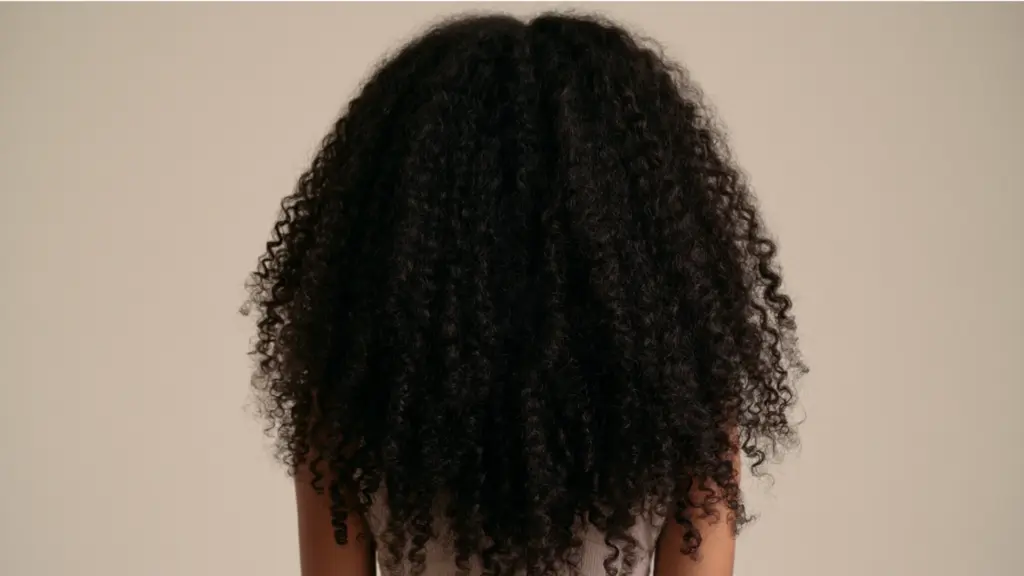
- Curly hair: Use a lighter formula, so hair doesn’t feel stiff, dry, or weighed down after applying it
- Dark hair: Go for tinted formulas, which blend in better and help you avoid a gray or white cast
Taking a few extra minutes to match the formula to your hair type makes the whole routine work better for you.
The Takeaway
Now you know what dry shampoo is, how it works, and how it soaks up oil to freshen your hair between washes.
From the right steps to the dos and don’ts, you’ve also learned when to use it and how it compares to a full hair wash.
So the next time your hair feels oily and a shower isn’t an option, you’ll know exactly how to use dry shampoo to fix it fast.
Frequently Asked Questions (FAQ’s)
1. Does Dry Shampoo Cause Hair Loss?
No, but heavy buildup left on your scalp for too long can irritate follicles and lead to temporary shedding.
2. Can You Use Dry Shampoo on Wet Hair?
No, it only works on dry hair. On wet strands, it won’t absorb oil and may look clumpy.
3. Is Dry Shampoo Bad for Color-Treated Hair?
It’s generally safe. Just pick a formula made for your hair color to avoid fading or a chalky look.
4. Can Men Use Dry Shampoo Too?
Yes, it works the same way for men. It’s great for short hair or beards between washes.
5. How Long Does Dry Shampoo Last in Your Hair?
Usually one to two days, depending on your hair type, activity level, and how much product you use.